
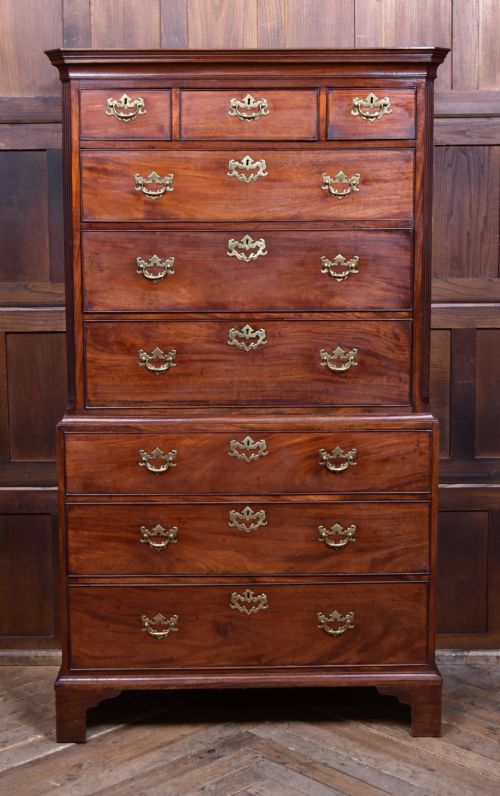
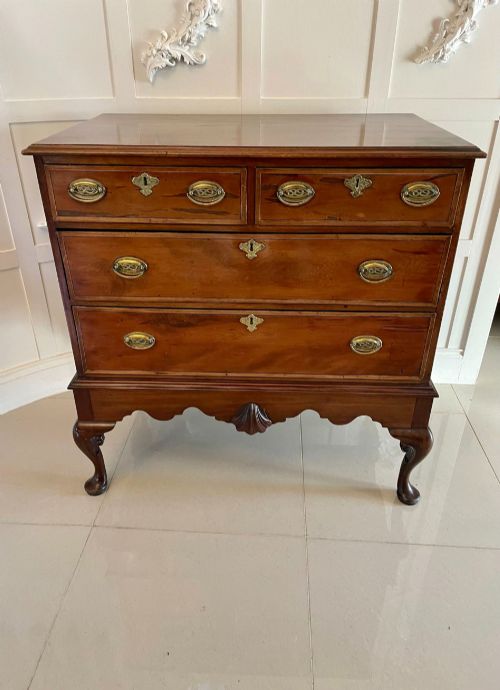
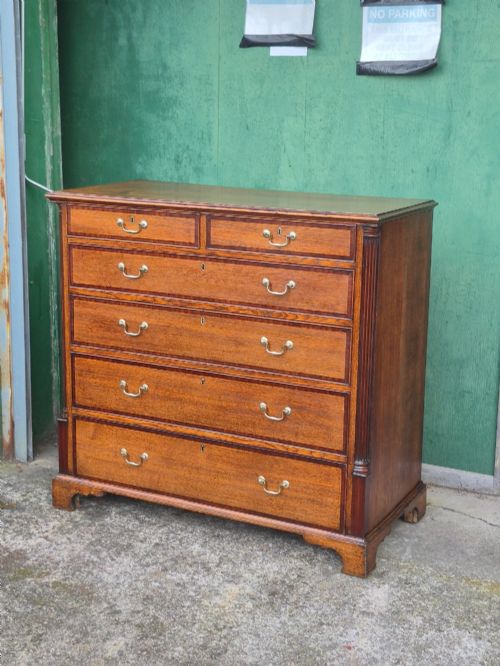
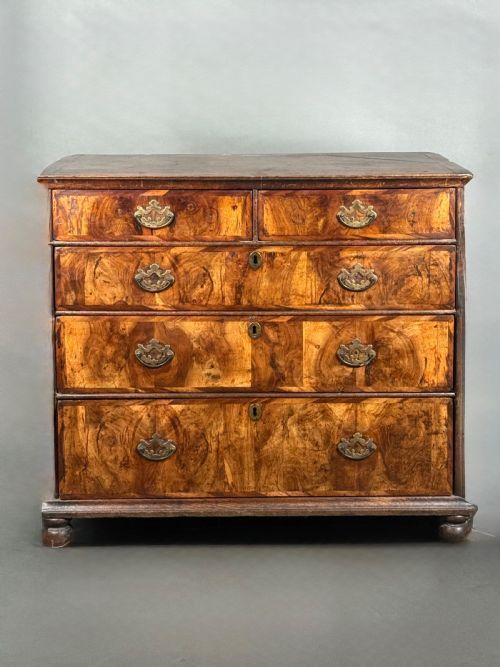


Georgian Wooden Tallboy Chest
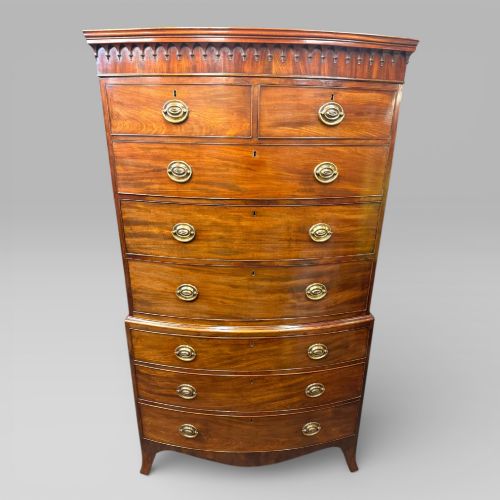
A georgian wooden tallboy chest provides monumental vertical storage with two stacked carcass sections.
Georgian Wooden Tallboy Chest
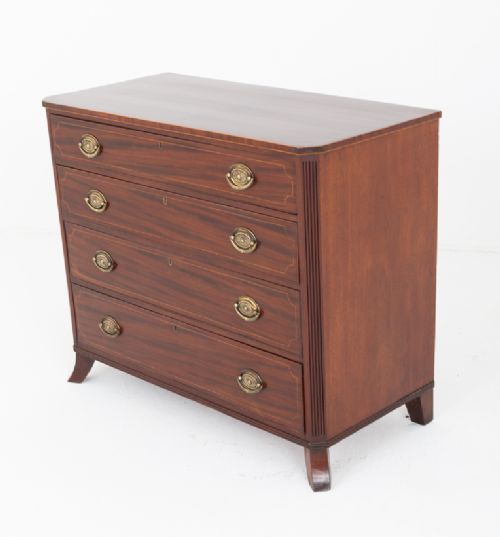
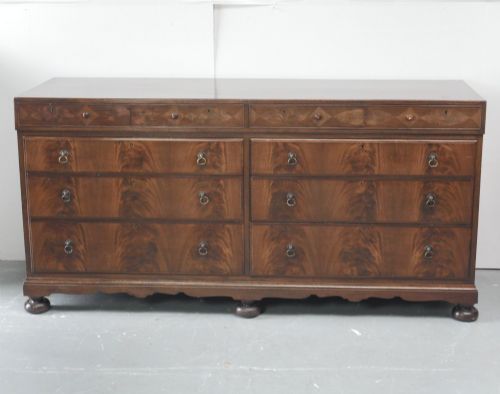
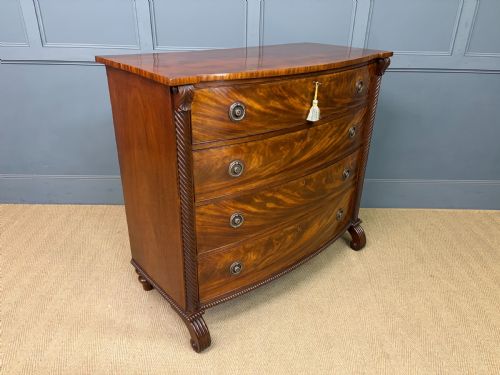
A georgian wooden tallboy chest combines substantial storage capacity with a commanding vertical presence, designed to hold linens and garments within multi-drawer carcass arrangements. These pieces typically manifest as a tall chest on chest or a dedicated tall narrow form, uniting utilitarian domestic function with architectural dignity.
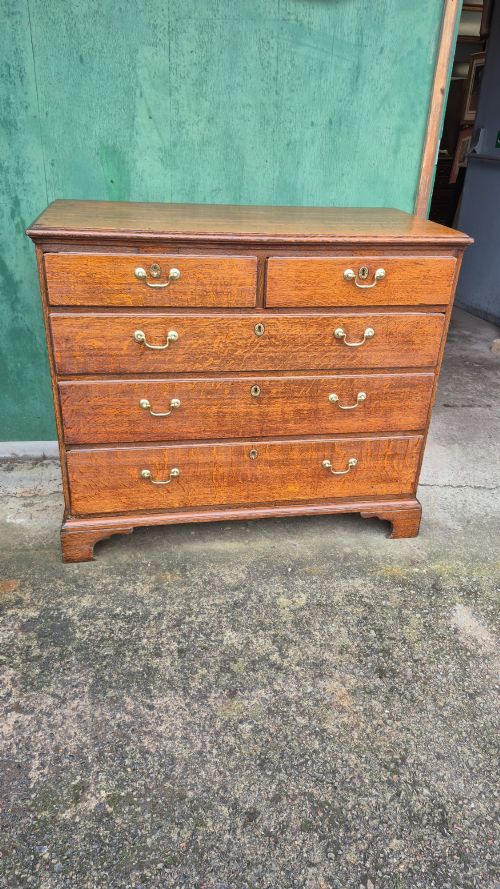
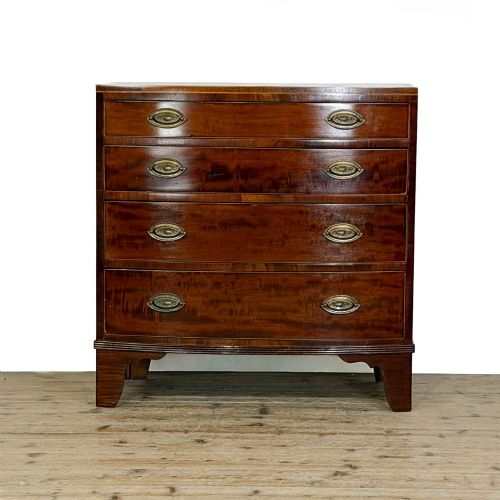
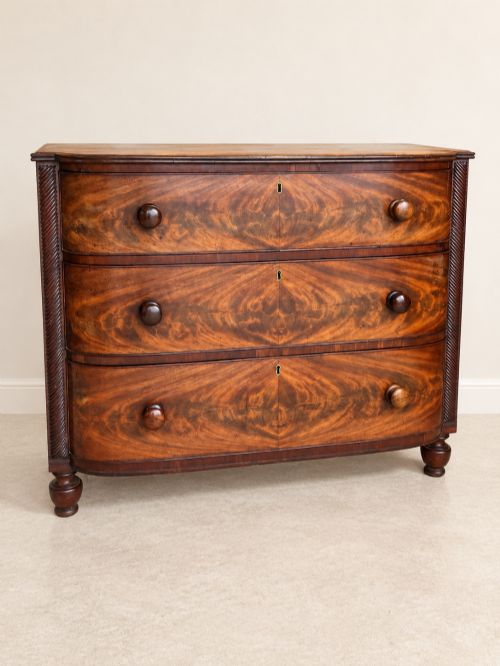
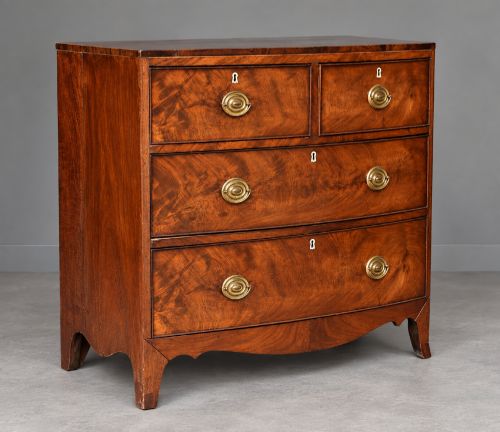
The material vocabulary spans rich mahogany, flame mahogany veneer, golden oak, and figured walnut, often enhanced by satinwood crossbanding and herringbone borders. Craftsmanship from the eighteenth and nineteenth centuries prioritises durable timbers that highlight natural grain patterns across multiple tiers of drawers.
Examples originate predominantly from the Georgian, Regency, and Queen Anne eras, alongside later revival pieces produced around nineteen hundred and nineteen twenty. This lineage ensures buyers encounter both austere provincial oak designs and refined urban mahogany pieces fitted with original brass hardware.
Markers of Quality
Quality rests upon the selection of timber veneers and the crispness of executed mouldings, where finely figured flame mahogany or burr walnut elevates a piece visually. The retention of original brass hardware and untouched drawer linings indicates higher craftsmanship.
Proportion and scale dictate the desirability of taller forms, with narrower proportions and well-defined bracket feet commanding greater visual balance. Superior joinery ensures drawer actions remain smooth and carcass structures stay plumb across centuries.
Several chests hide pull-out slides designed so gentlemen could brush their morning waistcoats without leaving the bedchamber.
Whytock & Reid·J Moorcroft
The Georgian Wooden Tallboy Chest Glossary
- Tallboy
- A tall chest of drawers made in two stacked sections, often combining a smaller upper chest with a larger lower base.
- Crossbanding
- A decorative border of veneer laid perpendicular to the grain of the surrounding surface to frame drawer fronts.
- Serpentine Front
- A cabinet front featuring a gently undulating concave-convex-concave curve characteristic of finer Georgian case pieces.
- Brushing Slide
- A pull-out shelf integrated into the carcass above the drawers, traditionally used for folding clothes or writing.
- Herringbone Banding
- A precise inlay pattern arranged in parallel diagonal V-shapes, common on early walnut furniture.
Georgian Wooden Tallboy Chest: Frequently Asked Questions
What is a tallboy chest?
A tallboy chest is a substantial storage furniture form composed of one chest stacked directly on top of another. This vertical stacking maximises bedroom or dressing room storage while occupying a smaller floor footprint than a wide dresser.
Most examples separate into two distinct carcass sections for transport and placement. This architectural division creates imposing proportions that anchor period bedroom interiors.
How were these chests used?
These chests served primarily for storing folded clothing, linens, and personal accessories in domestic bedchambers. The inclusion of brushing slides in certain models provided a temporary flat surface for sorting garments or grooming.
The tiered arrangement of drawers allowed households to organise apparel by type and frequency of use. Top drawers frequently accommodated smaller valuables or handkerchiefs.
How do I fit one into a modern room?
A tallboy requires adequate vertical clearance and careful wall anchoring to ensure stability on uneven historic floors. Their rich wood tones pair effectively with neutral walls and minimalist modern decor, allowing the antique grain to serve as a focal point.
Consider the door swing and surrounding circulation space, as these pieces project considerable height and depth. Positioning them away from direct heat sources protects vulnerable mahogany and walnut veneers from cracking.
How do I distinguish between periods?
Early pieces from the Queen Anne and George I eras typically utilise figured walnut with herringbone banding and cushion mouldings. Subsequent George III and Regency examples embrace solid mahogany, flame veneers, and sharper bow-front or serpentine profiles.
Later revival pieces from nineteen hundred often replicate these earlier silhouettes but reveal machine-cut joinery and uniform secondary timbers upon closer inspection. Hardware styles and foot configurations also evolve from bracket feet to bolder plinth bases.