


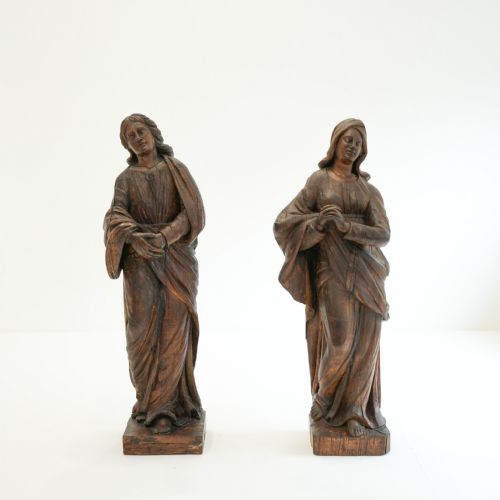


Georgian Wooden Sculpture
Georgian wooden sculpture brings together carved figures, architectural reliefs and pedestals shaped by eighteenth-century hands.
Georgian Wooden Sculpture
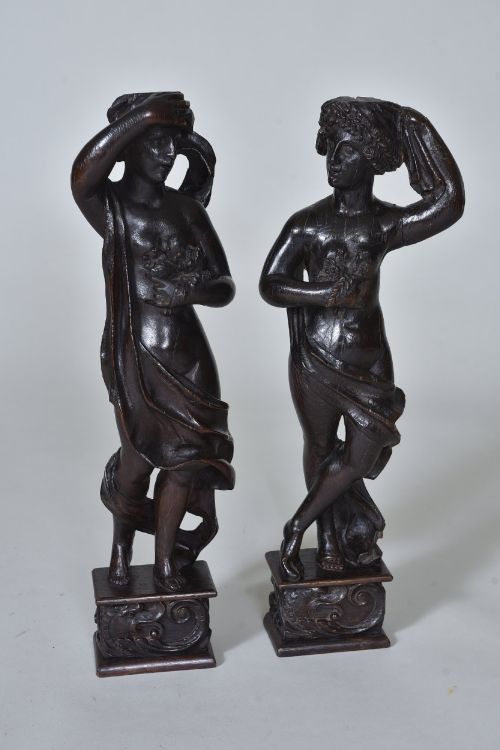
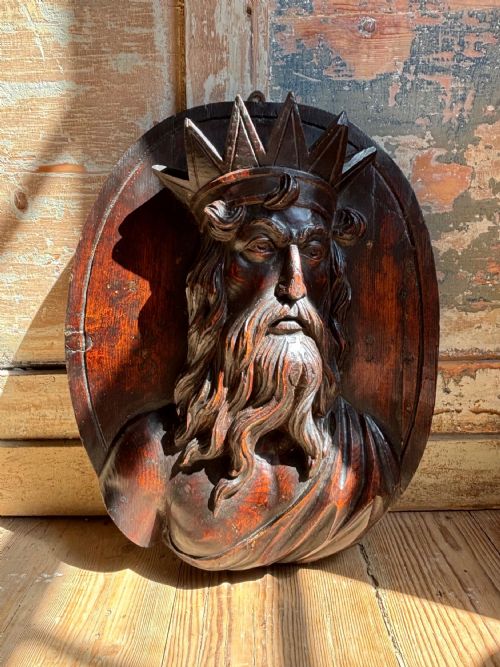
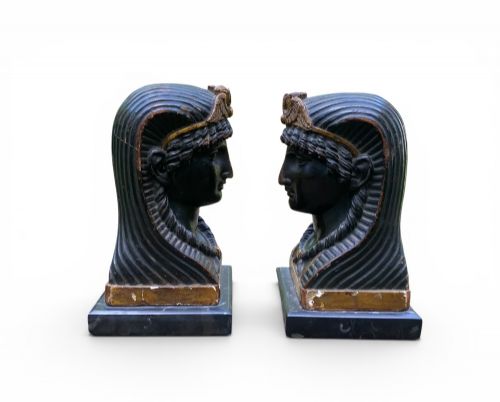
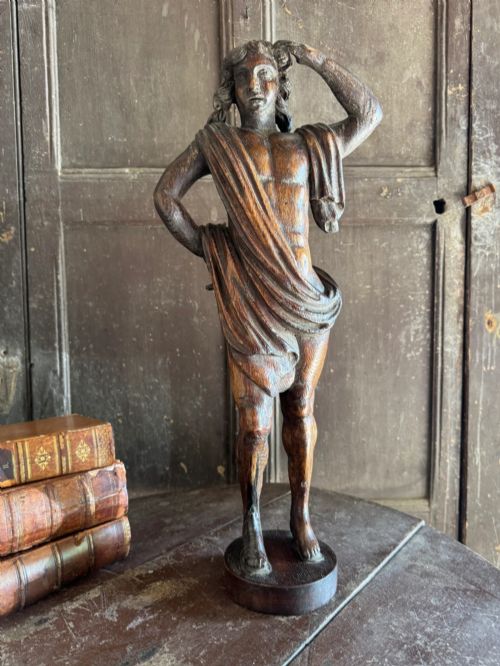
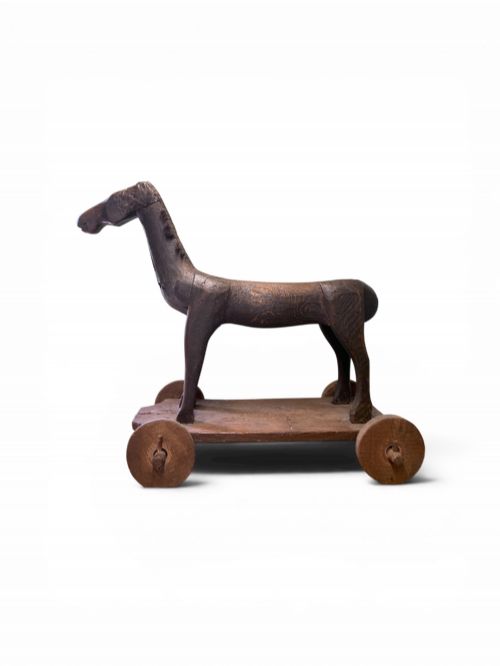
When you search for georgian wooden sculpture, you encounter carved figures, wall plaques, pedestals and animal forms dating from the eighteenth and early nineteenth centuries. The objects range from naive folk art pieces and carved wooden toys to classical mythological figures and architectural elements.
The versions you are most likely to meet on this page include oak carvings, mahogany pedestals and walnut animal heads. Many pieces derive from eighteenth-century workshops, whilst others reflect later revivals in oak and pine.
Materials and Techniques
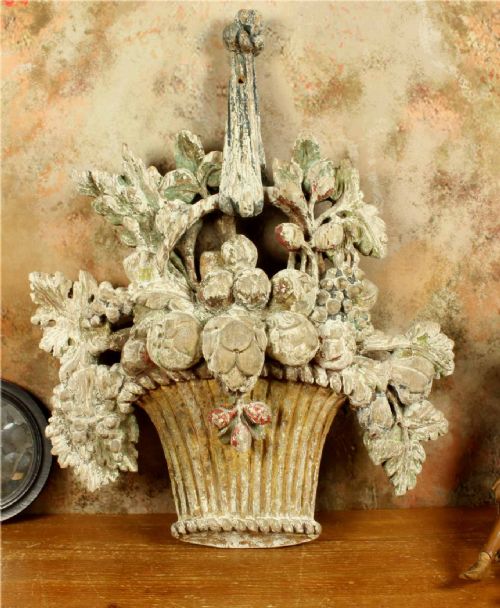
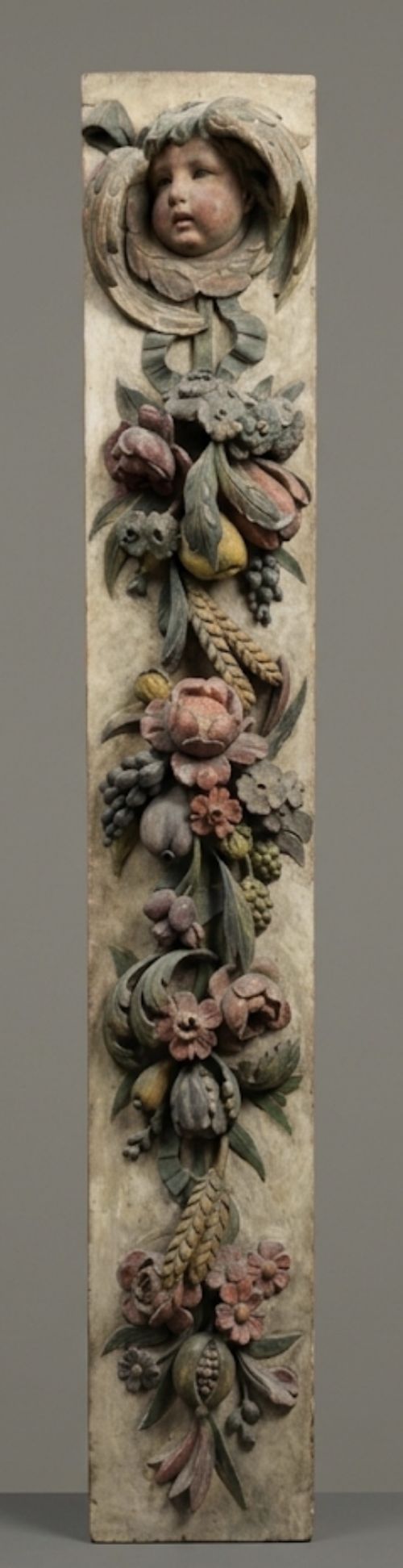
Carvers shaped these works using dense timbers such as oak, mahogany, walnut and elm, often finishing surfaces with gesso and polychrome paint. The handling of the wood grain dictated the depth of relief in wall panels and the stability of freestanding figures.
Artisans applied hand-carving techniques with chisels and gouges to render drapery folds, facial expressions and animal anatomy. Surviving surfaces retain traces of original paint, giltwood or polished timber finishes applied during the period.
Someone carved an eighteenth-century elm threshing board into a display piece, ensuring farmyard labour achieved permanent domestic retirement.
Assessing Quality
Quality rests upon the confidence of the carving and the preservation of the original surface. Master carvers achieved anatomical conviction and fluid movement in drapery, whereas lesser hands produced stiffer, more formulaic interpretations.
The integrity of the timber and the survival of early polychrome paint or gilding distinguish standard decorative items from superior examples. Evidence of tool marks and the weight of the wood indicate the skill invested in the creation.
Thomas Hope
The Georgian Wooden Sculpture Glossary
- Polychrome paint
- Decoration applied using multiple colours on timber surfaces. This finish is frequently found on eighteenth-century figures and armorial crests.
- Torchere
- A tall stand or pedestal designed to support a lamp or decorative sculpture. These pieces often feature carved mahogany or painted timber construction.
- Grand Tour
- Travel across continental Europe undertaken by nobility to collect antiquities and art. Figures of classical deities often date from this context.
- Folk art
- Utilitarian or decorative objects made outside formal academic traditions. Examples include carved wooden toys and naive animal figures.
- Giltwood
- Timber treated with a thin layer of gold leaf or powder. This technique highlights architectural details and frames on wall reliefs.
Georgian Wooden Sculpture: Frequently Asked Questions
What is a wooden sphinx conversion?
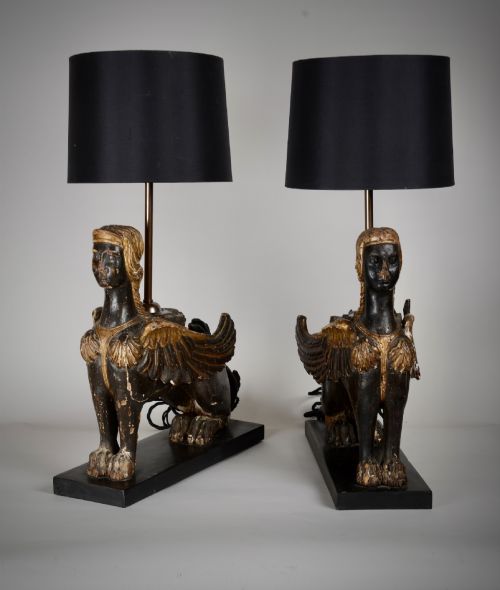
Wooden sphinx conversions are eighteenth-century carved figures adapted for domestic lighting use. They demonstrate how decorative elements were repurposed during later periods.
These pieces typically incorporate carved timber bases fitted with lamp hardware while retaining their original sculptural character.
How do I care for antique wood sculptures?
Antique wood sculptures require stable indoor humidity and protection from direct sunlight to prevent timber splitting. Dusting with a dry, soft cloth preserves delicate carved details and surface finishes.
Avoid applying modern polishes or oils to pieces retaining original paint, gesso or historic wax.
Were these sculptures painted originally?
Many eighteenth-century wooden figures and architectural panels received polychrome paint or giltwood finishes when first produced. These layers added realism and colour to the carved timber.
Over the centuries, some surfaces were stripped back to bare wood, whilst others retained fragments of their original decoration.
What is a threshing board used for?
Threshing boards were agricultural implements embedded with flints or metal to separate grain from husks. Elm examples from the eighteenth century now survive as sculptural wall pieces.
Their heavy timber construction and textured surfaces appeal to collectors of rustic and folk art objects.