
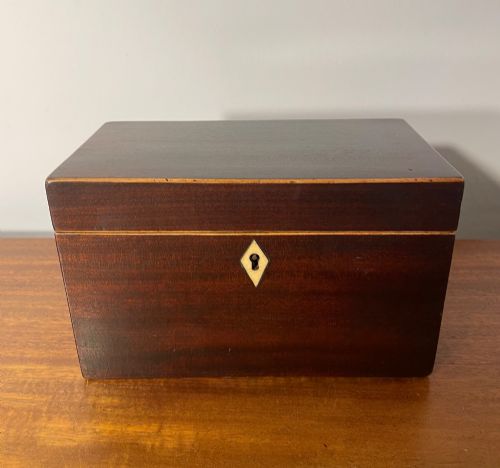
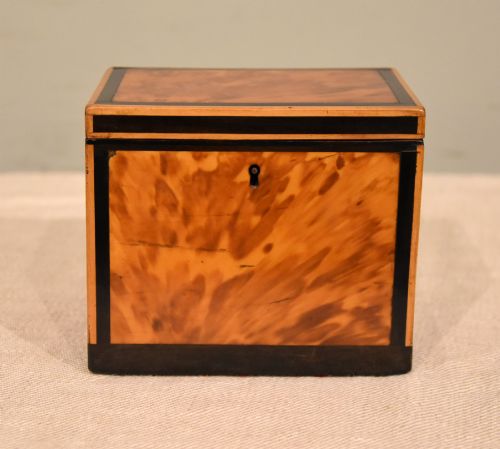
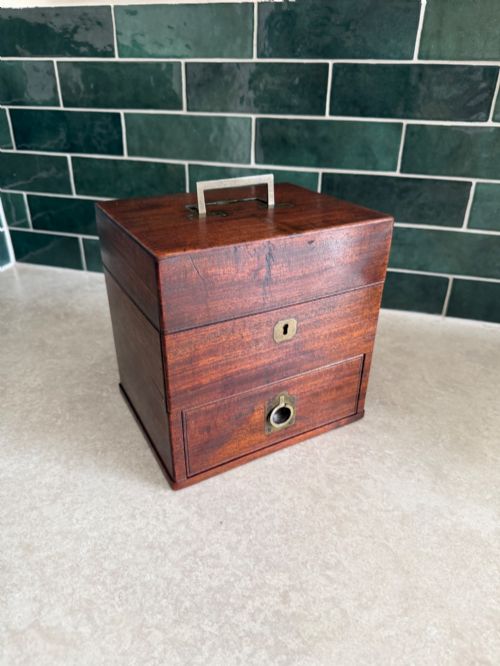
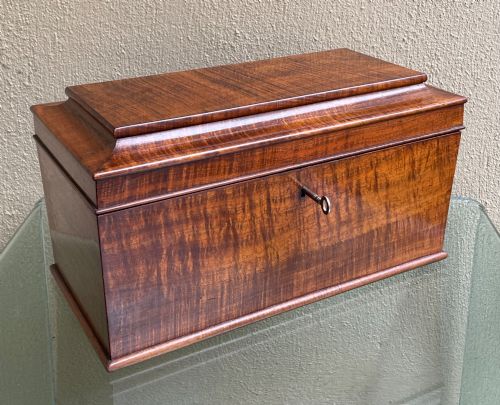


Georgian Wooden Lock Box
A georgian wooden lock box brings tactile warmth and period utility to a room, holding small valuables within rich timber grains.
Georgian Wooden Lock Box
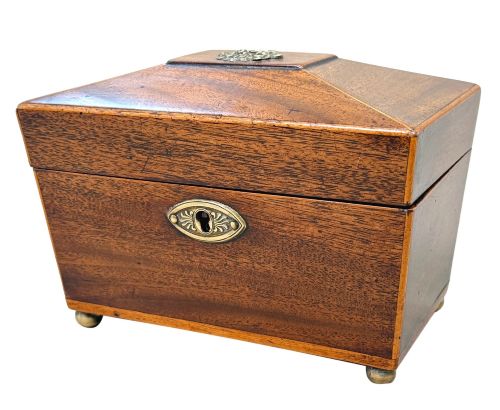
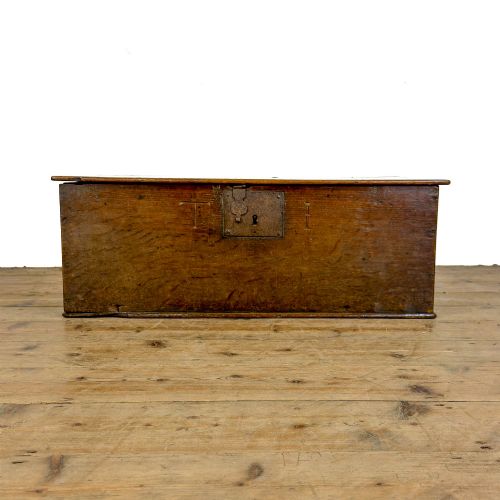
A georgian wooden lock box encompasses utilitarian storage vessels and domestic containers fashioned from timber during the eighteenth and nineteenth centuries. Buyers searching this phrase most frequently encounter tea caddies, apothecary boxes, and Bible boxes designed to secure domestic provisions and valuables.
The pieces listed on this page span the eighteenth century, the Regency era, and the Victorian period, reflecting evolving tastes in domestic cabinetry. Mahogany and oak predominate alongside walnut, rosewood, and exotic veneers such as tortoiseshell and partridge-wood.
Forms vary from rectangular containers and sarcophagus shapes to dome-topped chests and dedicated lock mechanisms fitted to doors. Many examples retain functional brass locks and operational keys alongside internal compartments or secret drawers.
How they were made
Cabinetmakers utilised dense hardwoods including mahogany, oak, and walnut as the primary structural foundations for these boxes. Surfaces were frequently enhanced with contrasting veneers, boxwood stringing, and intricate marquetry inlay.
Security and decorative contrast were provided through the integration of brass lock plates, hinges, and escutcheons. Internal fittings occasionally incorporated bone elements, delicate dividers, and concealed compartments constructed with fine joinery.
The selection includes eighteenth-century examples alongside Regency and Victorian pieces, constructed from mahogany, oak, walnut, and rosewood.
What varies in quality
Quality rests in the selection of timber and the precision of the cabinetmaker's joinery rather than mere age alone. Finer examples exhibit carefully matched grain patterns, seamless veneer work, and sophisticated carcass construction that withstands centuries of handling.
Hardware integration further separates standard production from superior pieces, particularly the weight and finish of the brass locks, hinges, and escutcheons. The inclusion of original working keys and intact internal arrangements elevates the integrity of a surviving box.
The Georgian Wooden Lock Box Glossary
- Tea caddy
- A small storage container originally designed for keeping loose tea leaves secure under lock and key. These vessels often feature internal lidded compartments to separate different varieties of tea.
- Escutcheon
- A protective brass plate surrounding the keyhole of a lock. This component prevents the surrounding timber from sustaining wear when the key is inserted.
- Marquetry
- The art of applying decorative pieces of veneer to a structure to form geometric or pictorial designs. Cabinetmakers utilised contrasting timbers to create visual depth on box lids.
- Sarcophagus shaped
- A distinctive box profile featuring a steep, flared base and a domed or sloping lid resembling ancient stone coffins. This architectural form gained popularity during the Regency period.
- Partridge-wood
- A dense tropical timber valued for its speckled, partridge-feather grain pattern. Makers utilised this exotic material for decorative veneers on high-status containers.
Georgian Wooden Lock Box: Frequently Asked Questions
What were georgian wooden lock boxes used for?
These boxes served primarily to secure high-value household commodities such as imported tea, medicines, and sacred texts like Bibles. Because tea was an expensive luxury in the eighteenth century, caddies were kept locked to prevent domestic theft.
Apothecary boxes similarly safeguarded chemical compounds and medicinal remedies, while Bible boxes protected religious volumes from damp and unauthorized access in communal households.
How do I identify a Georgian box?
Identification relies on observing timber choices, construction methods, and hardware styles characteristic of the eighteenth and early nineteenth centuries. Georgian pieces frequently display solid mahogany, oak, or walnut carcasses joined with hand-cut dovetails.
Secondary indicators include cast brass escutcheons, pegged hinges, and interior configurations featuring subtle secret drawers rather than modern mechanical fasteners.
Do the locks and keys still work?
Many surviving boxes retain their original iron and brass locks, and some are accompanied by working keys. Functionality depends on the preservation of the internal mechanism and the survival of a matching key over the centuries.
Even when keys are absent, the locks themselves remain integral historical components that contribute to the aesthetic and structural character of the box.
How should I care for a wooden box?
Wooden containers require stable environmental conditions away from direct sunlight, excessive heat sources, and rapid humidity fluctuations. Maintaining consistent indoor climates prevents timber shrinkage, warping, and veneer separation.
Occasional light dusting with a dry, soft cloth preserves the historic polish without stripping the patina accumulated over generations of handling.