
Georgian Wooden Columns
Georgian wooden columns are architectural elements that bring classical proportion into a room, though the items listed here span related pedestals, stands, and carved timber supports.
Georgian Wooden Columns
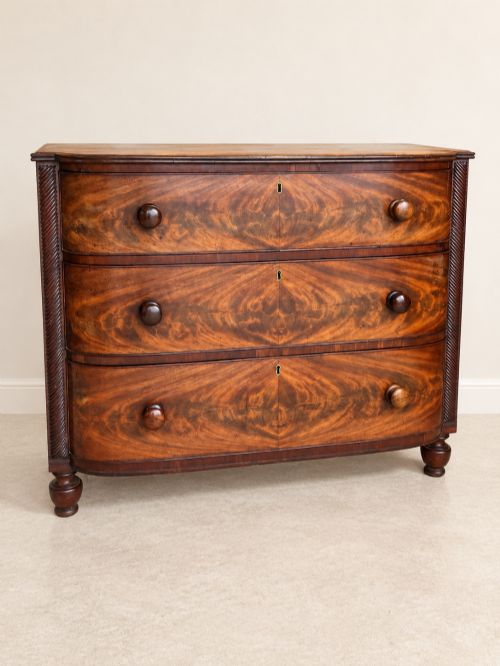
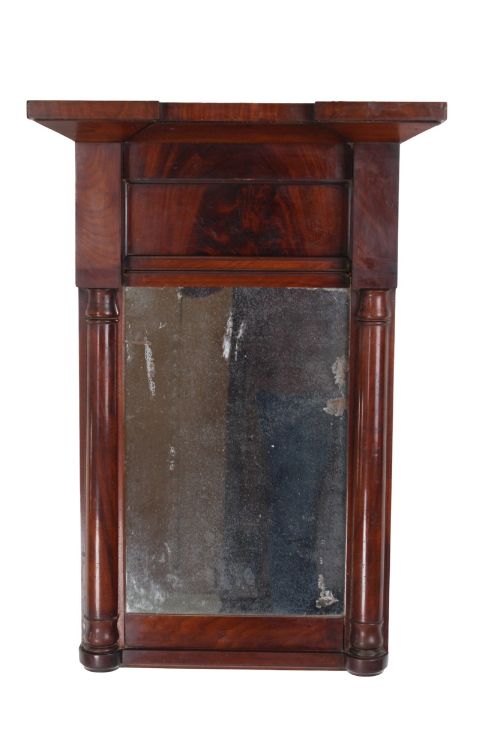
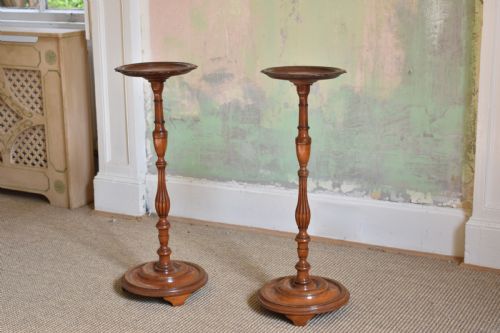
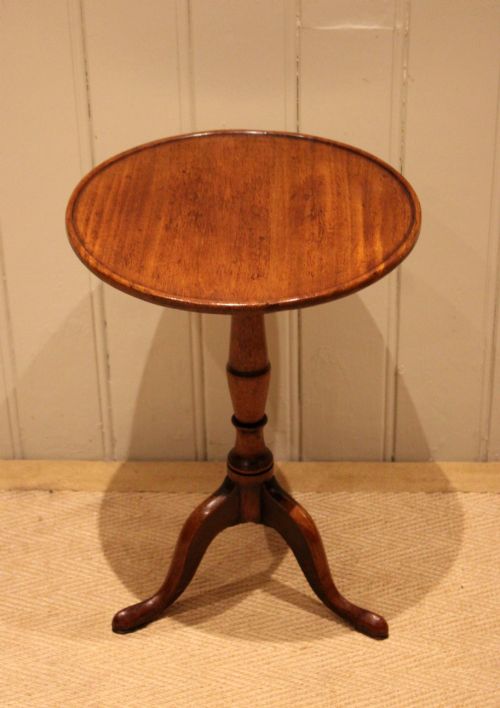
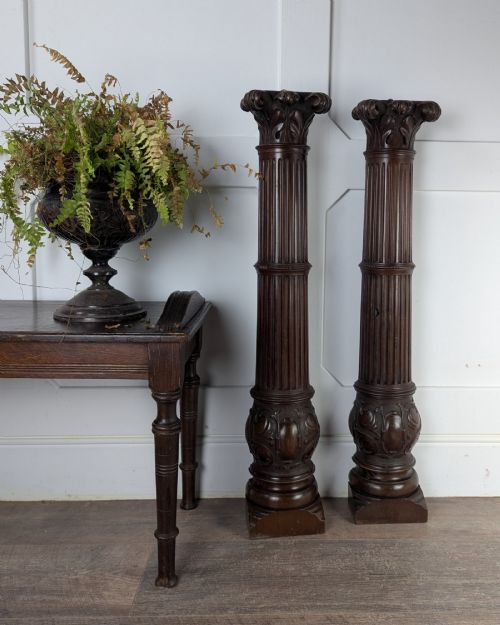
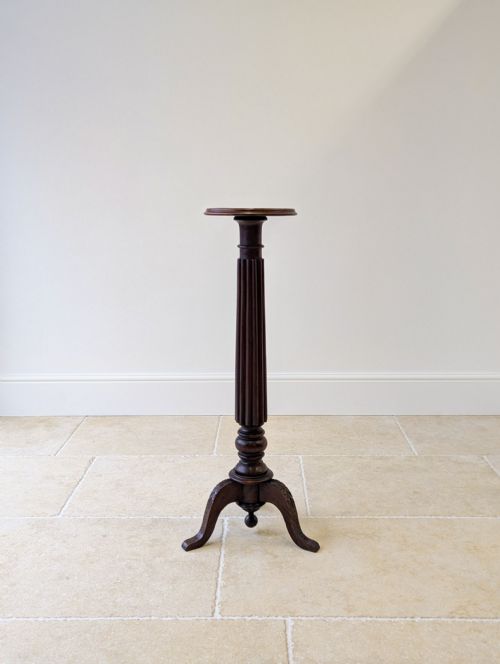
Georgian wooden columns and associated supports encompass carved timber architecture elements, stands, and pedestals that reflect classical design traditions. When searching for georgian wooden columns, buyers often encounter architectural fragments like carved mahogany reeded Corinthian half columns, alongside related pedestals and floor lamps from the Georgian, Regency, and Victorian periods.
The pieces appearing in these listings range from 18th century carved triform pedestals to later revival stands. Makers and craftsmen utilised durable timbers such as mahogany and oak to build functional display items and structural ornaments that echo neoclassical ideals.
How they were made
Cabinetmakers and woodworkers shaped these objects predominantly from mahogany, oak, and pine, employing hand-carving techniques to execute complex details like reeding and Corinthian capitals. Surfaces often received polish or paint finishes to highlight the natural grain of woods such as flame mahogany veneer or walnut.
Construction methods relied on traditional joinery and turning on a lathe to achieve the symmetrical proportions required for columns and pedestals. Surviving examples demonstrate careful hand-assembly using solid timber and occasionally applied veneers.
Listings feature items spanning the 18th, 19th, and early 20th centuries, executed in mahogany, oak, pine, and brass.
What varies in quality
The standard of carving determines much of the distinction between ordinary items and finer examples, particularly in the crispness of acanthus leaves or fluting on a column shaft. Depth and precision in hand-chiselled details separate workshop production from simpler output.
Selection of timber also dictates overall grade, with choice cuts of figured mahogany, oak, or walnut displaying superior grain patterns. Original surfaces and minimal timber replacement preserve the integrity of the piece more effectively than heavy modern restoration.
The Georgian Wooden Columns Glossary
- Corinthian
- An architectural order characterised by ornate capitals decorated with acanthus leaves. This style appears frequently on carved wooden columns and floor standards.
- Reeded
- A decorative moulding consisting of parallel convex strips placed side by side. Cabinetmakers used this technique to ornament the shafts of tables, stands, and columns.
- Pedestal
- A structural support or base for a bust, vase, or column. These items appear in triform configurations or as single upright pillars dating from the eighteenth century onwards.
- Torchere
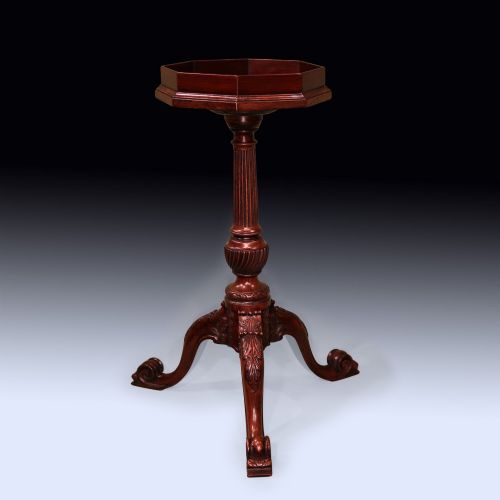
- A tall stand designed to hold a light source or decorative object. Examples in mahogany and other timbers date across the Georgian and William IV eras.
- Triform
- Having three sides or a triangular base. This configuration provides stability for tall pedestals and plant stands.
Georgian Wooden Columns: Frequently Asked Questions
How were wooden columns used in Georgian interiors?
Architectural columns and half columns served to divide rooms, frame doorways, or support internal porticos within substantial houses. Freestanding versions functioned as decorative elements rather than primary load-bearing supports.
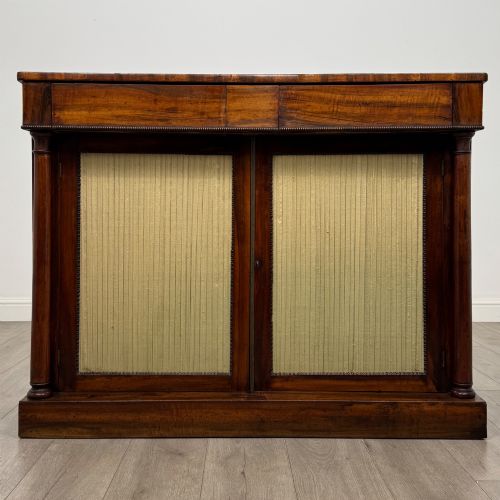
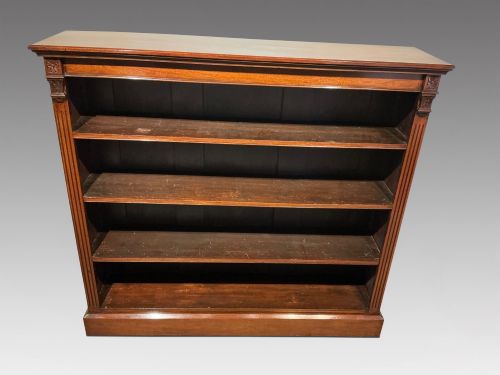
Smaller turned wooden columns often formed components of larger case furniture, such as bookcases or side cabinets, adding classical symmetry to the design.
What is the difference between Georgian and Regency styles?
Georgian design, spanning much of the eighteenth century, frequently drew inspiration from Palladian architecture and favoured rich mahogany with robust classical detailing. Cabinetmakers utilised carved motifs like acanthus leaves and ball-and-claw feet.
Regency style, emerging around the turn of the nineteenth century, leaned towards archaeological Neoclassicism influenced by Greek and Roman discoveries. Furniture became cleaner in line, occasionally incorporating brass mounts, ebony stringing, and reeded columns.
Are these columns structural or decorative?
Most surviving timber columns found in the antiques market are decorative architectural salvage, half columns from furniture, or dedicated display stands. They were built to ornament interiors rather than hold up a ceiling.
Freestanding wooden columns and torcheres functioned primarily to display art, plants, or lighting fixtures within reception rooms.
How should I care for antique wooden columns?
Keep wooden items away from direct heat sources and rapid humidity fluctuations to prevent timber splitting or veneer lifting. Maintain the surface using appropriate beeswax or natural polish suitable for antique finishes.
Avoid placing damp items directly onto wooden stands or pedestals without protective pads to prevent ring marks on the polished surface.