


Carved Timber Plinths
Carved timber plinths are solid wood display supports that elevate sculpture and ornament, chosen to give presence and stature to an object.
Carved Timber Plinths
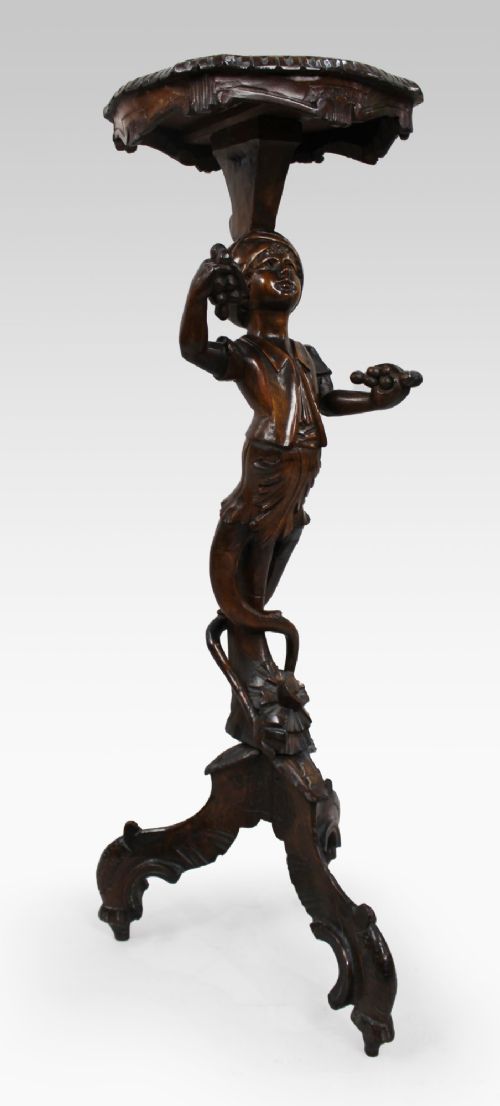
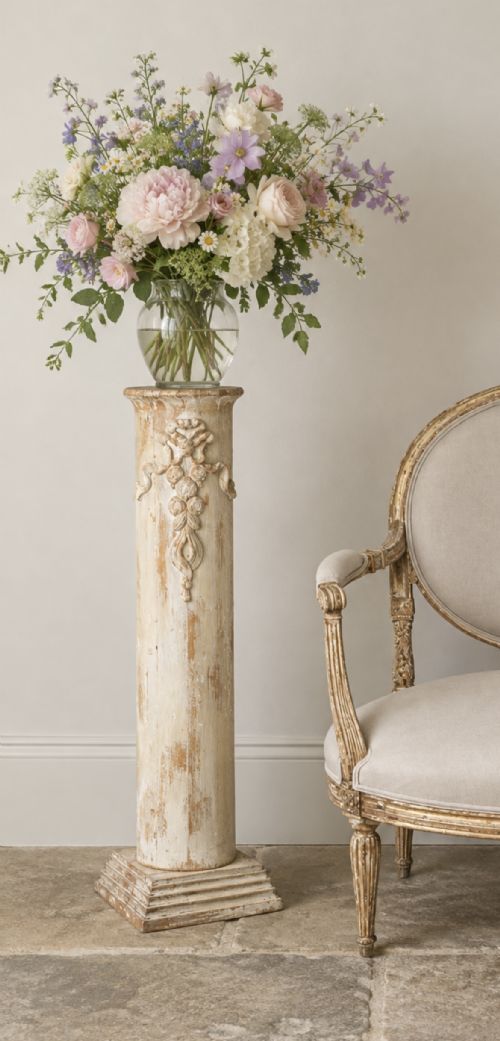
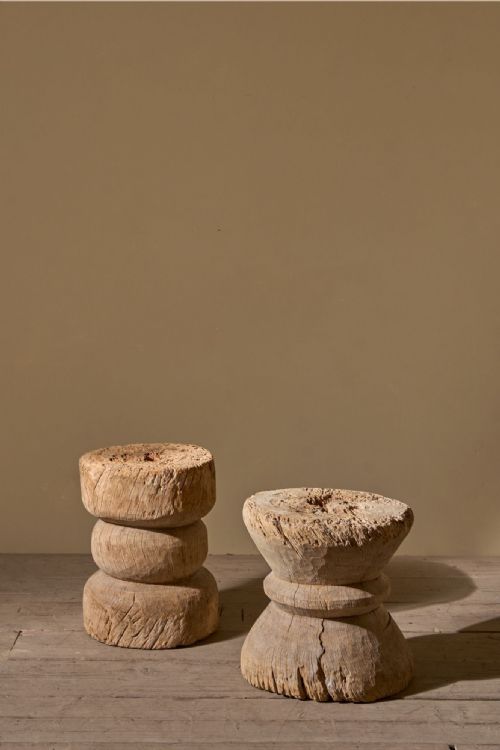
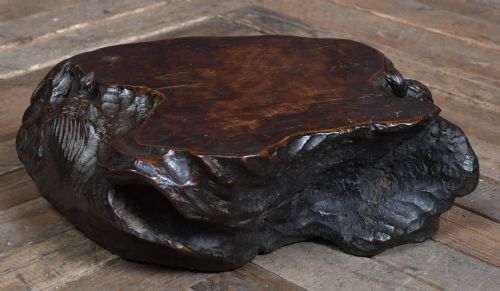
Carved timber plinths function primarily as elevated platforms or display stands for sculptures, busts, and decorative objects, lifting them to a commanding height for proper viewing. When searching for carved timber plinths, a buyer encounters forms ranging from classical fluted columns and figural pedestals to rustic wood side tables and low bonsai display stands.
The selections span centuries of woodworking, with origins reaching from the seventeenth century through the Georgian, Victorian, and Edwardian eras. Pieces often arrive as matched pairs or single monumental columns, carved from solid timber with varying degrees of ornamentation.
Makers and makers' workshops utilised diverse stylistic influences, incorporating Venetian Baroque figures, Swedish Gustavian simplicity, and Japanese Meiji detailing into functional display furniture. These structural supports serve both domestic interiors and architectural settings, grounding art objects within a room.
How they were made
Artisans carved these supports from solid timber, predominantly working in mahogany, walnut, pine, beech, birch, and satinwood. Selection of the wood grain dictated whether the surface received a transparent polish to reveal natural figuring or a painted finish.
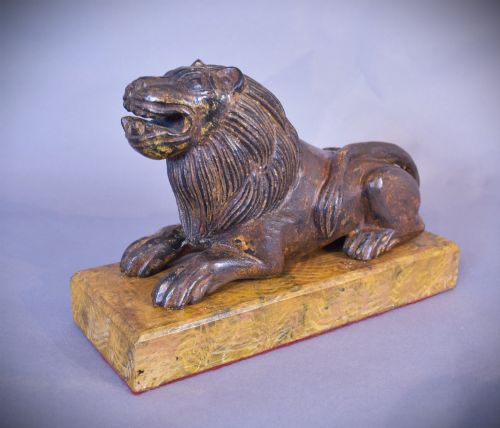
Carving techniques varied from deep, sculptural figural reliefs depicting lions or human forms to precise architectural fluting and turned column profiles. Construction often involved heavy timbers capable of bearing the substantial weight of stone or bronze busts placed upon them.
Some nineteenth century pedestals feature secret compartments, offering hidden storage alongside their sculptural displays.
What varies in quality
The Carved Timber Plinths Glossary
- Plinth
- A heavy base or lower block that supports a column, statue, or pedestal. It provides stability and visual weight to the structure above it.
- Pedestal
- An upright architectural support or stand used to elevate a sculpture, vase, or bust. These forms often feature classical column designs or decorative carving.
- Medici lions
- Sculptural representations of lions, originally guarding the Villa Medici in Rome, frequently replicated in stone or carved wood. They denote classical grandeur and high status.
- Fluted column
- A vertical pillar surface decorated with parallel, shallow grooves running lengthways. This classical detail adds vertical emphasis and shadow to display stands.
- Bonsai stand
- A low, specialised display table designed to elevate potted miniature trees. These pieces emphasise delicate woodwork and subtle joinery.
Carved Timber Plinths: Frequently Asked Questions
What is a carved timber plinth used for?
These pieces serve as elevated stages for displaying heavy items like marble busts, bronze sculptures, or decorative urns within a room.
By lifting artwork off the floor, they draw the eye and create a focal point in interior spaces.
How do I choose the right height?
Consider the size of the object you wish to display and the surrounding ceiling height of your room.
Taller columns suit smaller sculptures, while lower stands accommodate heavy busts or larger decorative items.
Are these pieces always sold in pairs?
While many architectural columns and pedestals were constructed as matching pairs to frame doorways or focal points, others survive as single pieces.
Checking individual listings clarifies whether you are purchasing a matched pair or a standalone support.
How do I care for antique wood surfaces?
Maintain the timber by keeping pieces away from direct heat sources and sudden humidity changes that cause wood to crack.
Dust regularly with a soft cloth and apply appropriate furniture wax sparingly to nourish polished mahogany and walnut.