


Fluted Mahogany Stands
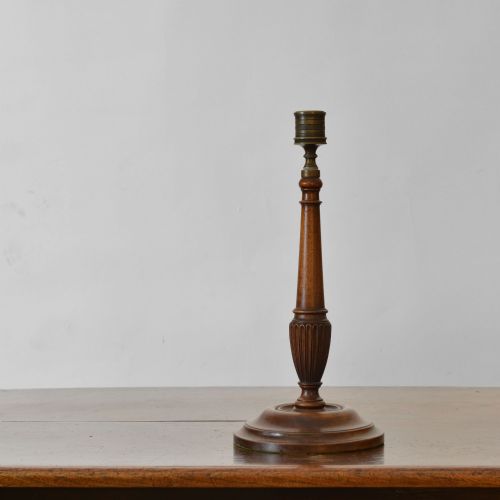
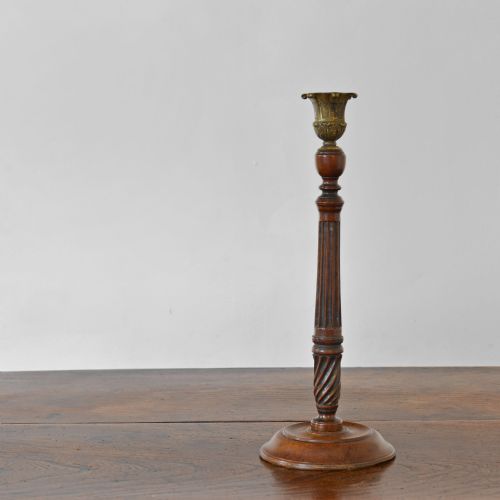
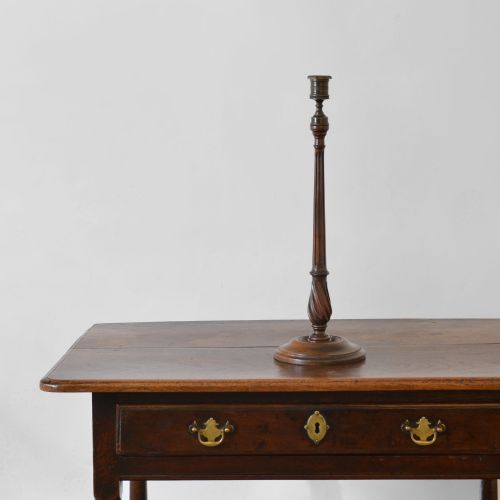
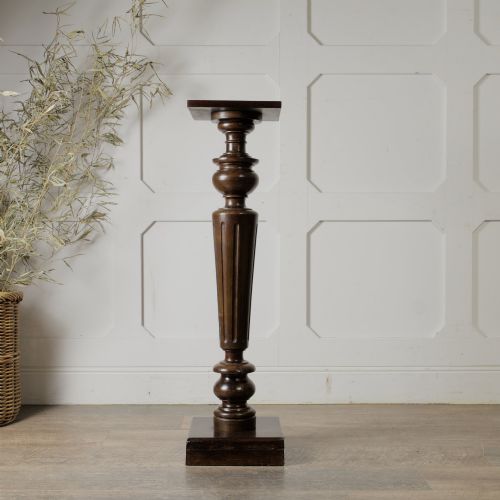
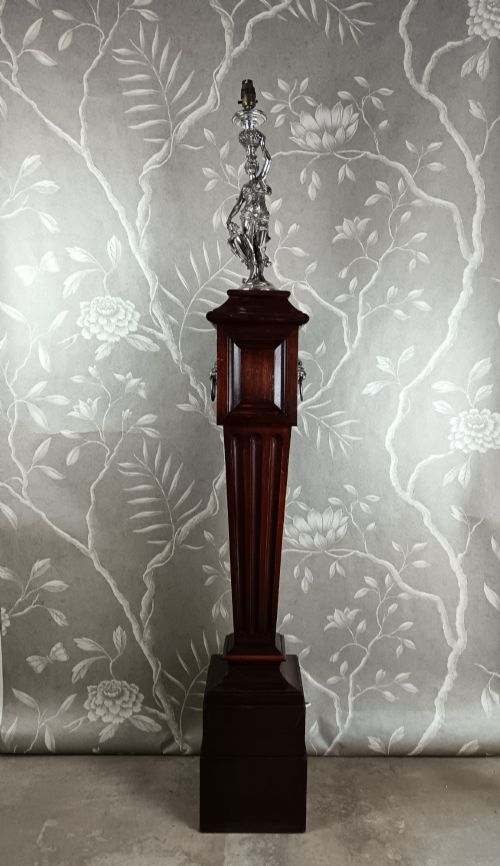
Fluted mahogany stands are elevated wooden supports designed to display ornaments, lamps, and plants with classic proportion.
Fluted Mahogany Stands
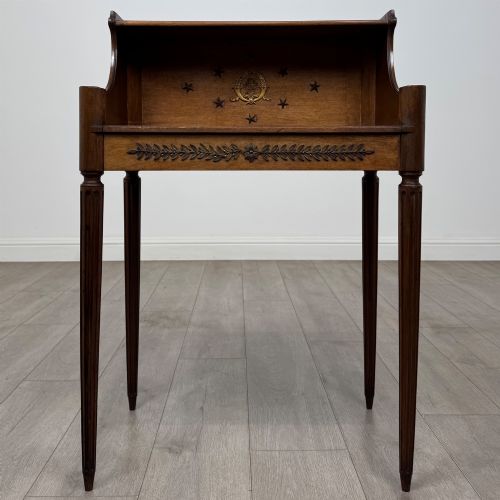
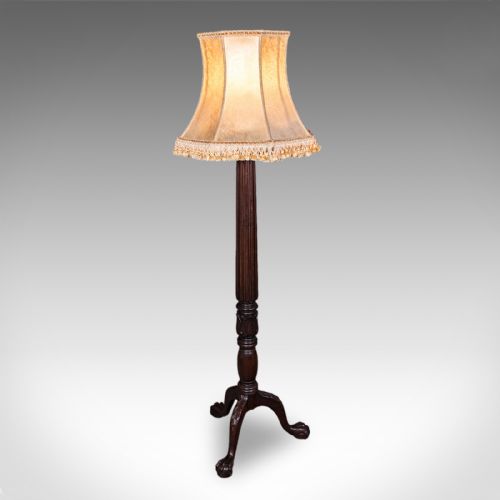
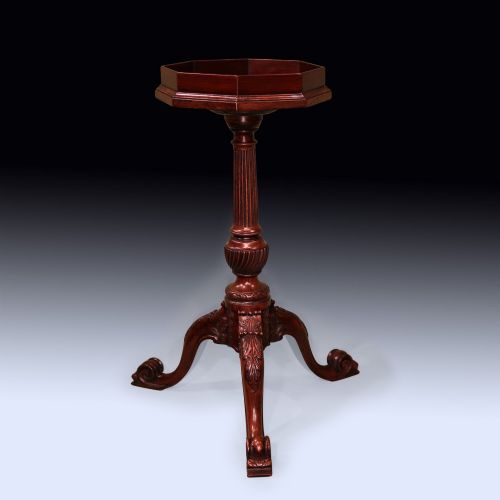
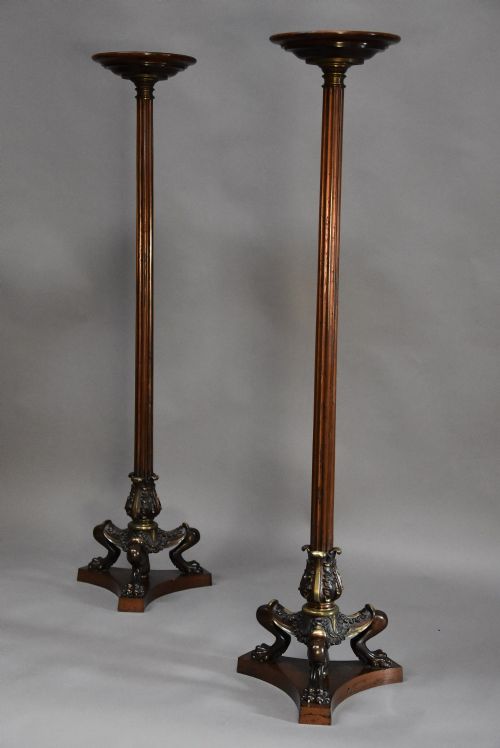
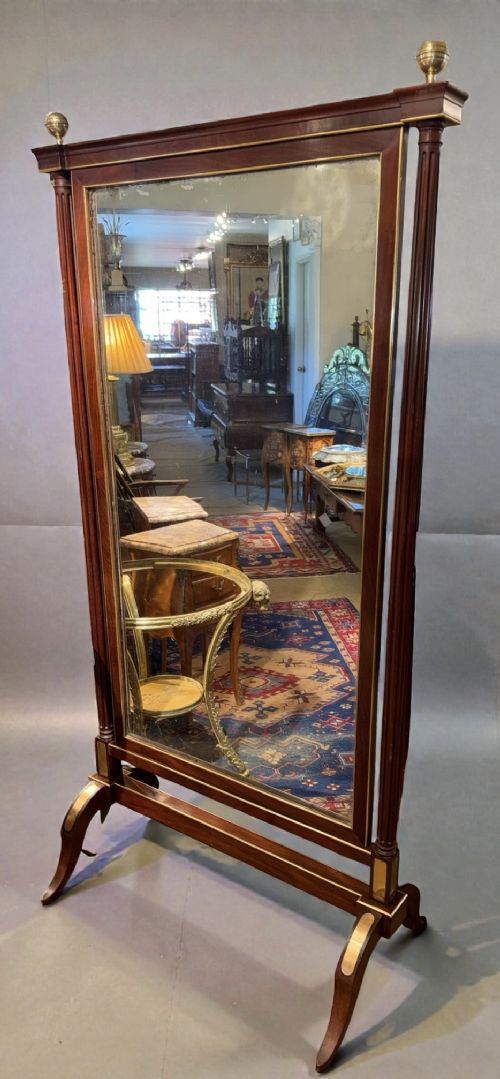
When you search for fluted mahogany stands, you encounter a variety of elevated display forms spanning the eighteenth century through to the Edwardian period and the early twentieth century. The selection ranges from slender torcheres and plant stands to small occasional tables, candlestands, and wine tables.
Materials and construction methods
The primary material across these pieces is mahogany, sometimes accented with secondary timbers like satinwood or enriched with brass, ormolu mounts, and marble inserts. Woodturners and cabinetmakers utilised solid mahogany and veneers to achieve durable structural frames and precise decorative surfaces.
Carving techniques brought texture to the columns and pillars, while specialised joinery ensured stability for slender forms such as torcheres, candlestands, and tall lamp tables. Metal components like brass fixtures and ormolu mounts added functional weight and contrasting visual highlights.
The listings show fluted mahogany stands originating across the eighteenth, nineteenth, and early twentieth centuries, spanning Georgian, Regency, and Victorian styles.
Assessing quality in construction
Quality rests primarily in the crispness of the hand-carved fluting and the selection of the mahogany timber itself, where dense grain and rich natural colour indicate superior stock. Superior examples demonstrate thoughtful proportion between the narrow upper surfaces and stable, well-balanced bases.
The integration of secondary materials such as finely chased ormolu mounts, brass details, or marble tops separates standard production furniture from more ambitious workshops. Joinery execution, such as tight tripod joints and secure pillar fixings, determines the structural longevity of the piece.
The Fluted Mahogany Stands Glossary
- Torchere
- A tall, slender stand designed specifically to support a lamp, candle, or small decorative object. These pieces lift light sources or displays to eye level.
- Fluting
- Series of shallow, vertical parallel grooves carved into the surface of a column or pillar. This classical decorative detail adds a sense of height and refinement.
- Tripod base
- A three-legged support structure commonly found on candlestands and small tables. This configuration ensures stability on uneven historical floorboards.
- Ormolu
- Gilded bronze ornamentation applied to furniture and decorative objects, particularly popular in French-influenced design. It provides a bright metallic contrast against dark mahogany timber.
Fluted Mahogany Stands: Frequently Asked Questions
What rooms suit fluted mahogany stands?
These stands fit easily into sitting rooms, hallways, and studies where they provide practical surfaces for lamps or plants without taking up much floor space.
Their slender vertical profiles make them particularly useful in empty corners or beside seating arrangements.
How do I care for mahogany stands?
Dust the timber regularly with a soft, dry cloth and avoid placing the pieces in direct sunlight or near heat sources to prevent the wood from drying out.
Apply a traditional beeswax polish occasionally to nourish the surface and maintain the natural lustre of the mahogany.
Were these stands used for lighting?
Many of these pieces, particularly torcheres and candlestands, were originally designed to hold candles or oil lamps before electricity became common.
Today, they frequently adapt to support modern table lamps or standard floor lamps while retaining their historical character.
How do I date a mahogany stand?
Dating relies on observing the prevailing style, construction techniques, and turning patterns associated with periods like the Georgian, Regency, or Victorian eras.
Hand-cut joinery methods and the specific quality of the timber finish offer further clues to the age of the piece.