


Georgian Wooden Chair Pair
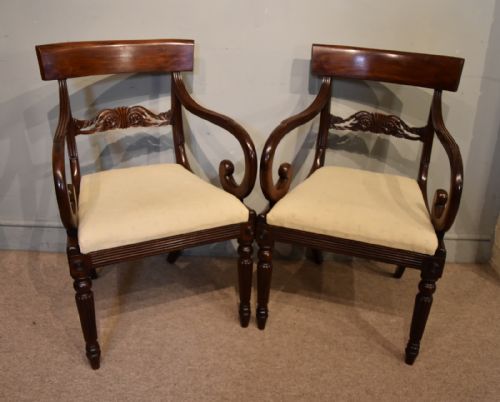
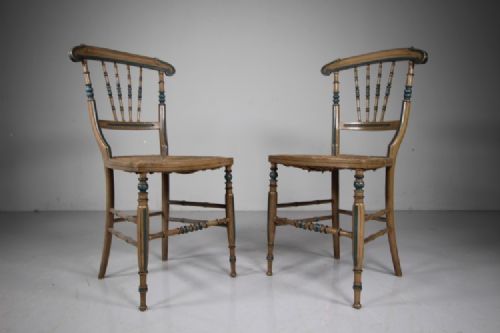
A georgian wooden chair pair brings domestic history into a room through matched timber forms made to sit together.
Georgian Wooden Chair Pair
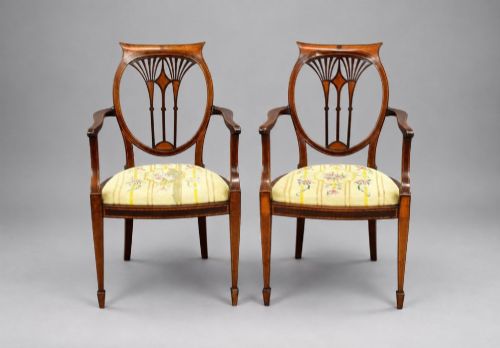
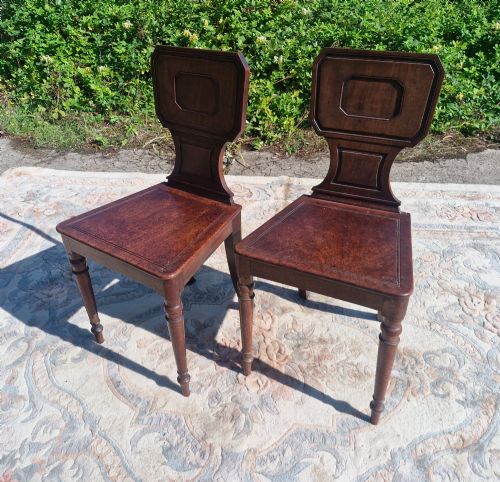
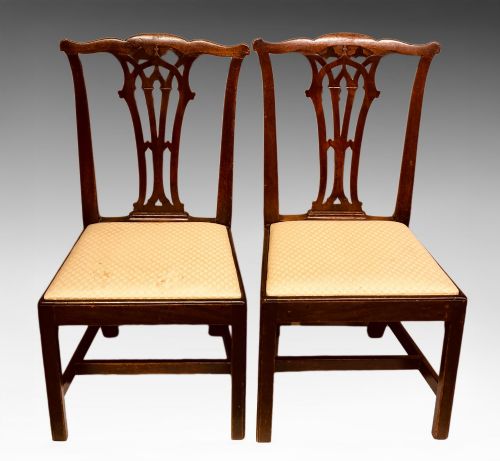
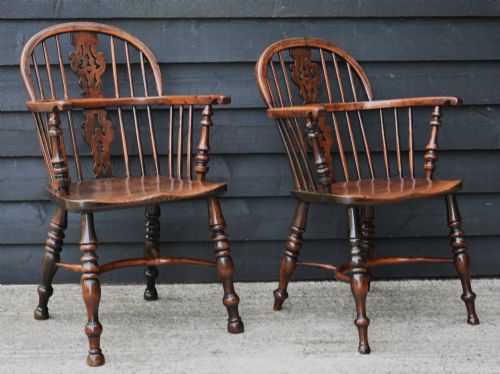
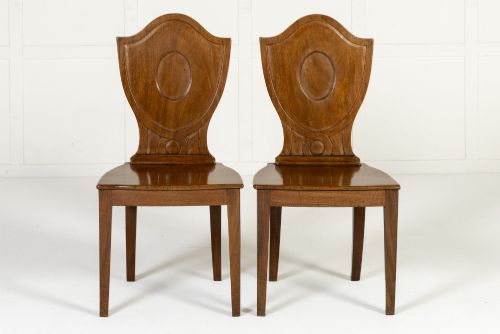
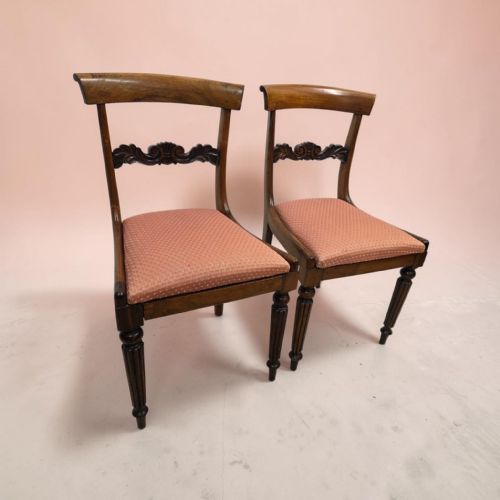
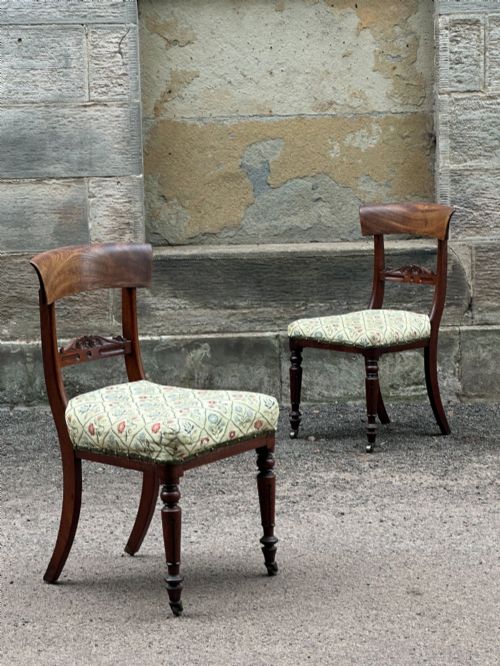
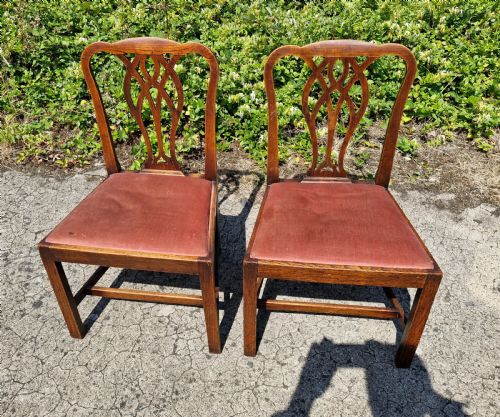
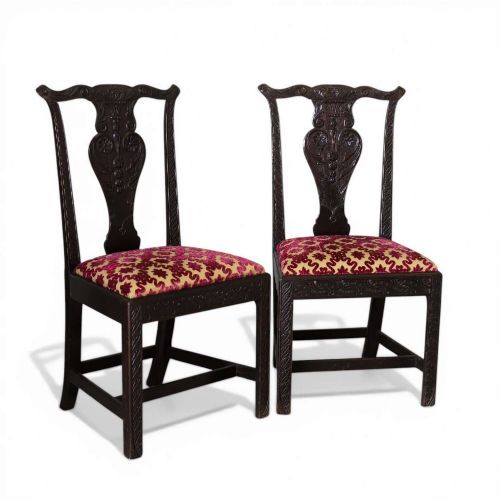
A georgian wooden chair pair consists of two matching seats produced across the eighteenth and early nineteenth centuries, encompassing the Georgian, George III, and Regency periods alongside later revival interpretations. These seating items appear in forms such as dining chairs, side chairs, hall chairs, armchairs, and carver chairs.
The varieties met most frequently on this page range from formal mahogany dining and hall seats to vernacular country designs in elm, ash, and yew. Makers constructed these pairs for formal reception rooms, dining spaces, and grand halls, resulting in matched sets intended to balance interior layouts.
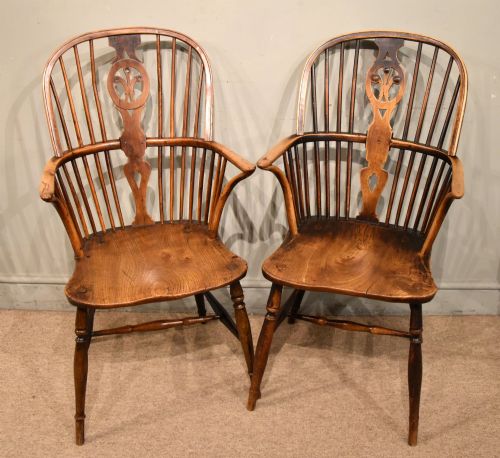
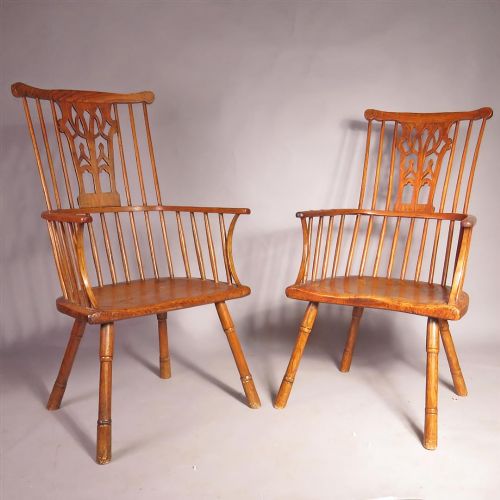
Regional variations emerge clearly across the selection, from Scottish oak and elm examples to Welsh vernacular Windsor armchairs. Buyers find both urban cabinet-maker pieces in mahogany and country-made seating utilising native timbers like yew, oak, and beech.
Materials and construction
Craftsmen built these frames using dense hardwoods including mahogany, oak, elm, yew, and ash, often combining native timbers for structural strength and visible grain. Joinery techniques involved traditional methods such as mortise and tenon joints, bobbin turning, and steam bending for curved components like comb backs and Windsor arms.
Surface treatments varied from polished mahogany and inlaid satinwood to original painted and decorated finishes on Regency hall chairs. Upholstered variants incorporated fabric and velvet over traditional webbing and stuffing, while wooden hall chairs relied on carved or painted panels without soft padding.
Listings feature timbers such as mahogany, elm, oak, yew, and ash across periods spanning the eighteenth, nineteenth, and twentieth centuries.
Assessing quality and construction
The standard of timber selection and joinery integrity dictates the distinction between ordinary and superior pairs. Pieces exhibiting tight, hand-cut joints and finely figured mahogany or dense yew and elm demonstrate higher workshop competence.
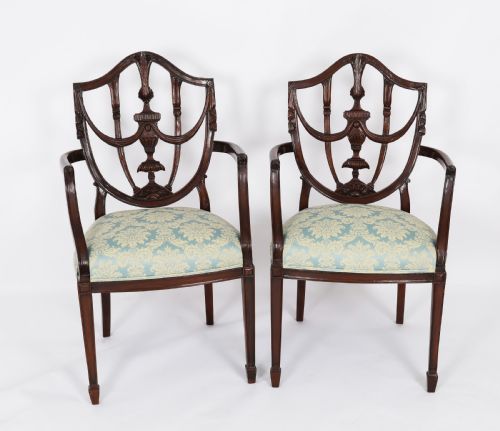
Carved detail and decorative finish set finer urban examples apart from simpler country-made equivalents. Crisp execution in carved splats, shield backs, and painted decorations reveals the skill of the original cabinet-maker or regional maker.
Gillows
The Georgian Wooden Chair Pair Glossary
- Carver chair
- An armchair, typically designed for the head of a dining table or as a companion to smaller side chairs. These items often feature open arms and sturdy wooden frames.
- Hall chair
- A rigid wooden seat intended for entrance halls, frequently carved with crests or decorative backs without upholstery. They served as formal reception seating rather than domestic lounging furniture.
- Windsor armchair
- A timber seat constructed with a solid wooden saddle-shaped seat into which turned legs and spindle backs are wedged. Country makers often built these using elm seats and yew or ash bows.
- Bobbin turned
- A style of furniture leg or stretcher shaped on a lathe to resemble a series of rounded bobbins or spool shapes. This decorative turning method appears frequently on seventeenth and eighteenth-century oak frames.
- Shield back
- A chair back shaped in the outline of a heraldic shield, popularized during the late eighteenth century by designers like Hepplewhite. Cabinet-makers carved intricate tracery or pierced splats within this enclosing contour.
Georgian Wooden Chair Pair: Frequently Asked Questions
What is a georgian wooden chair pair?
A georgian wooden chair pair comprises two matching seats made during the eighteenth or early nineteenth century, or later revival periods, using timbers like mahogany, oak, and elm.
These pieces include dining chairs, hall chairs, and armchairs designed to match in timber, style, and decorative detail for balanced placement within a room.
Where were these chairs used?
Owners placed these seats in formal dining rooms, entrance halls, and reception spaces depending on whether the items were upholstered dining chairs or rigid wooden hall seats.
Country-made Windsor and vernacular armchairs served functional roles in domestic interiors, while grander mahogany side chairs furnished formal townhouses and country estates.
How do I live with antique chairs?
Integrating these items into modern interiors involves balancing their historical character with everyday utility around dining tables or as decorative accent seating in living spaces.
Careful placement away from direct heat sources helps protect timber frames, polished surfaces, and traditional fabric or velvet upholstery from drying out.
How do I tell periods apart?
Differentiating periods relies on observing stylistic shifts, such as heavy oak turnings in earlier pieces compared to the refined mahogany curves of the Regency era or later revival markers.
Examining the choice of timber, construction methods, and decorative motifs like shield backs or painted decoration clarifies the approximate date of manufacture.