




Period Georgian Single Chairs
Period georgian single chairs are timeless dining and side seats crafted in mahogany, walnut, and elm, offering exceptional joinery and classic proportions for any interior.
Period Georgian Single Chairs
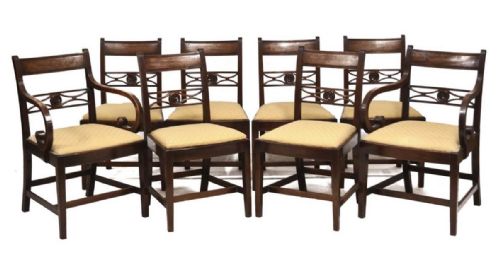
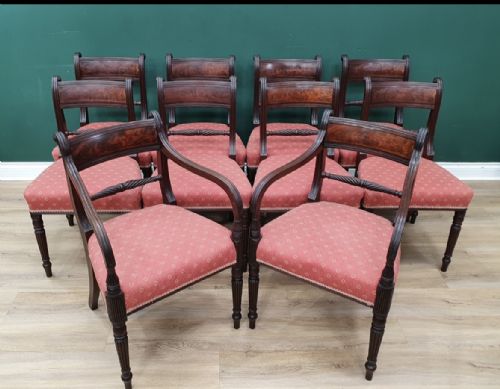
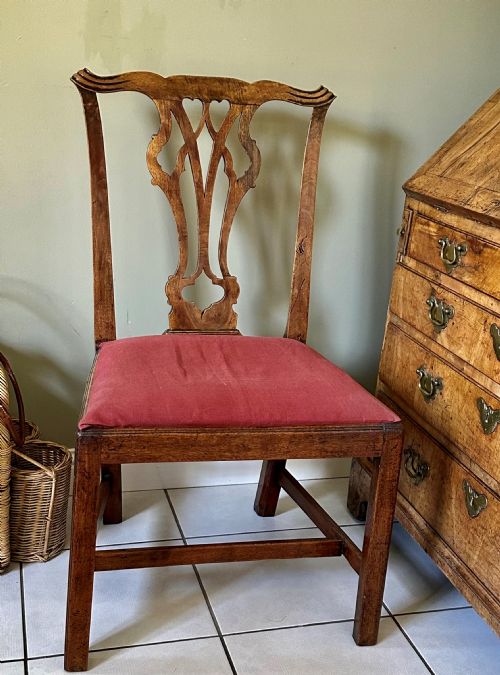
When you search for period georgian single chairs, you encounter dining chairs and side chairs spanning the eighteenth and nineteenth centuries. These individual seats served dining rooms, halls, and bedrooms, functioning as versatile items of furniture.
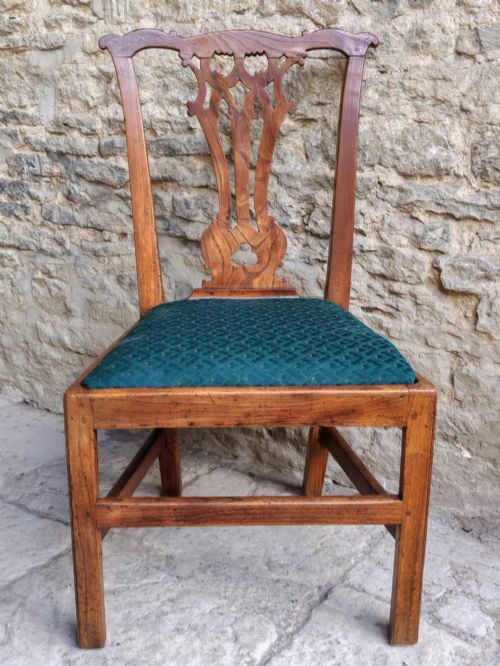
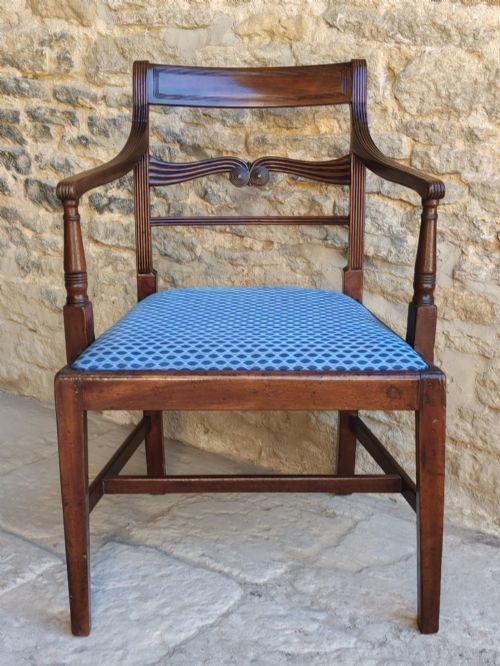
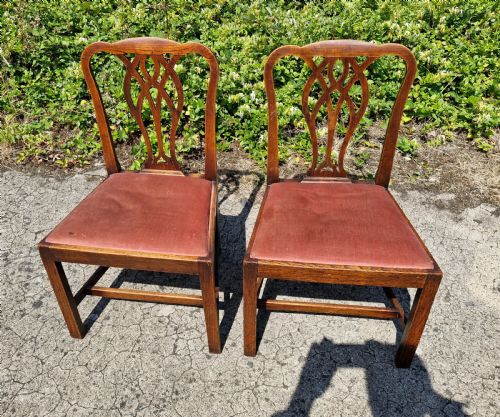
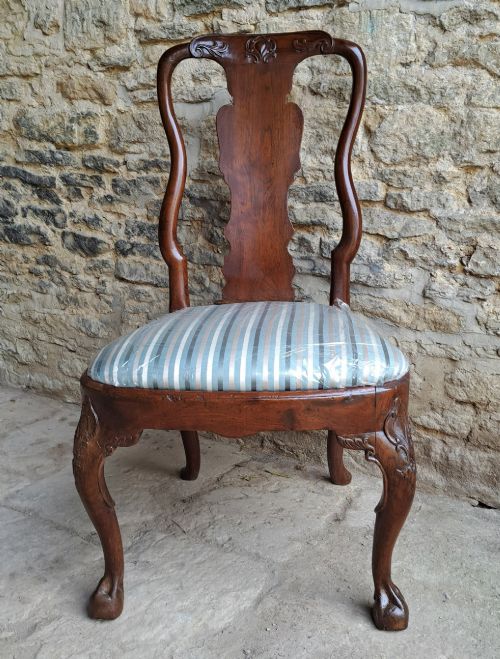
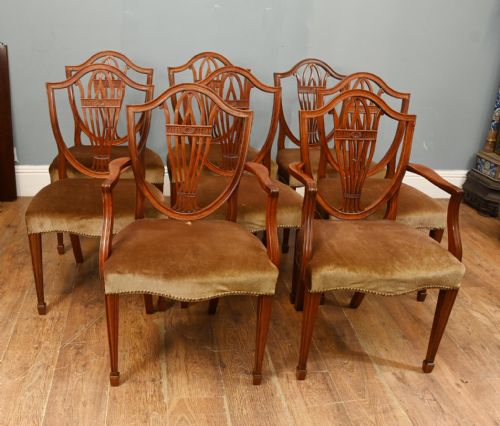
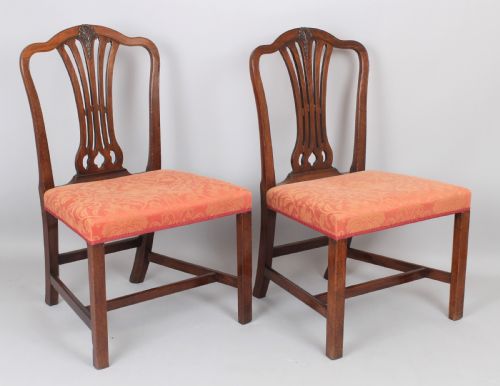
The selections on this page include examples from the George III, Regency, and Queen Anne eras. You will find single chairs designed in the styles of Chippendale, Hepplewhite, and Sheraton alongside country elm and walnut variants.
How they were made
Cabinetmakers constructed these chairs primarily using solid mahogany, walnut, and elm timbers. Artisans shaped the wood using traditional joinery techniques, carving splats and rails by hand.
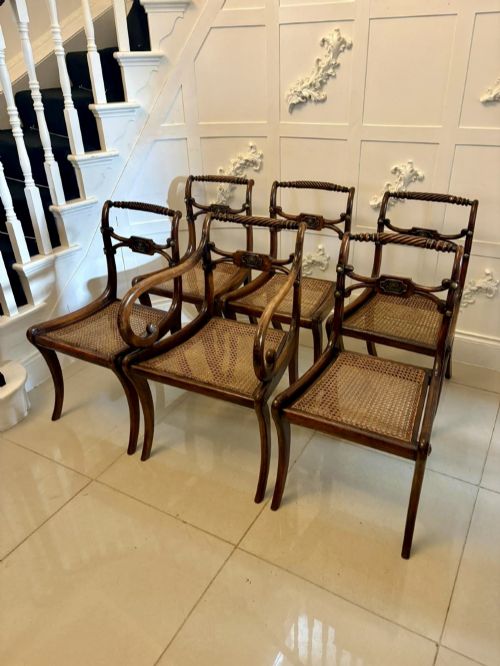
Seating portions utilised drop-in pads upholstered in fabric, damask, needlepoint, or textiles, alongside woven cane inserts supported by brass accents.
Elm single chairs offer a tactile, rustic charm born from provincial English workshops.
What varies in quality
Distinctions in quality arise from the crispness of hand-carved details on the top rails and splats. Superior pieces display refined proportions and tight, original joinery without excessive replacement timber.
The choice of primary wood grain and the integrity of secondary timbers dictate the overall grade. Chairs retaining period upholstery materials or undamaged cane seats command closer attention from discerning collectors.
The Period Georgian Single Chairs Glossary
- Carver
- An armchair designed to match a set of single chairs, often placed at the head of a dining table. These feature supportive arms integrated into the structural uprights.
- Splat
- The vertical wooden strip down the centre of a chair back, connecting the top rail to the seat. Cabinetmakers shaped these into ribbons, urns, and ladder patterns.
- Cane
- Woven plant material used to form light, resilient seat panels. This technique allowed for airy seating surfaces popular during the Regency period.
- Needlepoint
- Stitched yarn work utilised for upholstery on antique seat pads. Artisans created intricate floral and geometric patterns using wool threads on canvas.
Period Georgian Single Chairs: Frequently Asked Questions
How do I use single chairs today?
These chairs function naturally around a dining table, mixing well with modern or antique settings. They also serve effectively as occasional seating in bedrooms or hallways.
Their compact dimensions allow them to fit into smaller spaces without dominating the room. They provide functional seating while adding period character to domestic interiors.
What is a single chair?
A single chair is an individual seat designed without arms, intended for dining or occasional use around the home. They were produced in sets or pairs to accompany larger dining tables.
Unlike carvers, their armless design allowed multiple chairs to be tucked neatly beneath a table or arranged against walls when not in use.
How do I tell Hepplewhite from Chippendale?
Chippendale styles often feature robust carved splats, intricate interlaced ribbons, and substantial claw and ball feet. The overall aesthetic leans toward solid presence and detailed ornamentation.
Hepplewhite designs introduce lighter proportions, shield-shaped chair backs, and tapered legs. The carving is typically more restrained, focusing on graceful curved silhouettes.
Are elm chairs country furniture?
Elm was frequently utilised by regional makers outside major metropolitan workshops to produce sturdy seating. These country chairs often display simpler lines and robust construction compared to urban mahogany pieces.
They bring a distinct texture and warm grain pattern to domestic spaces. Their rustic charm complements both traditional country houses and eclectic interiors.