
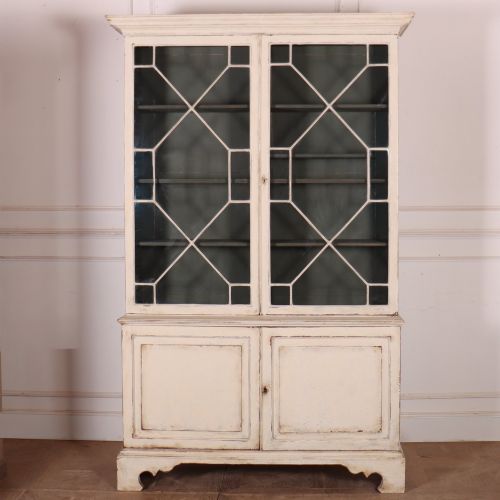
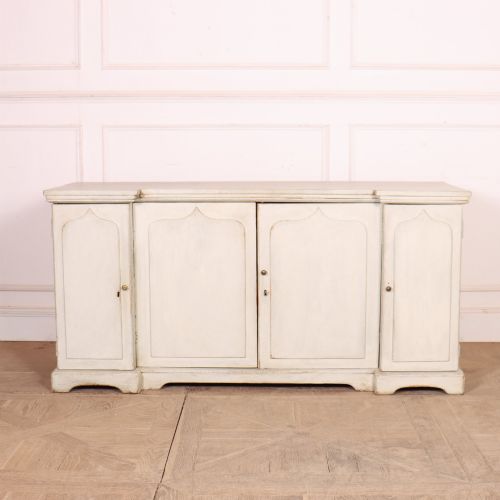
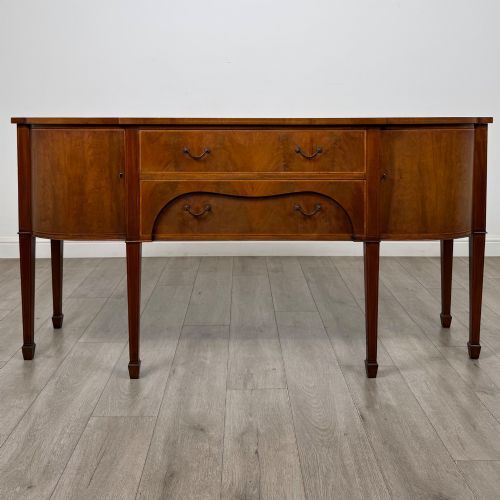
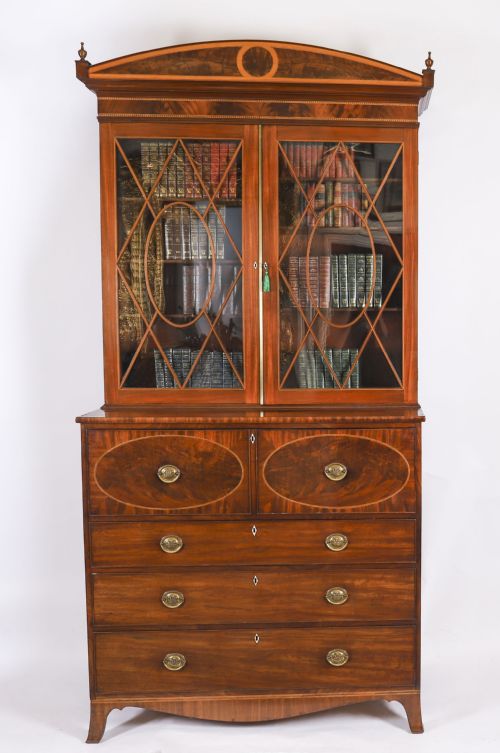


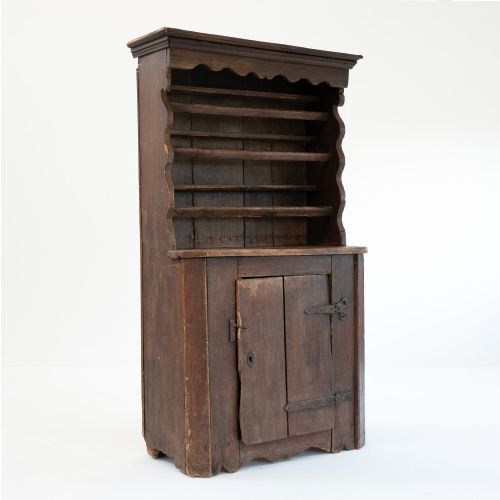
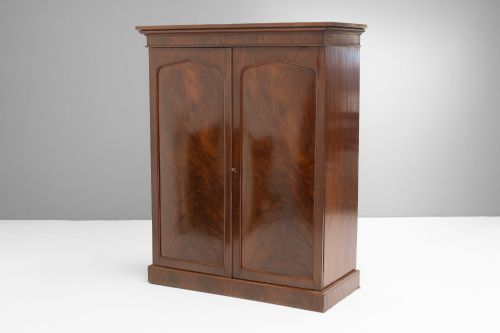
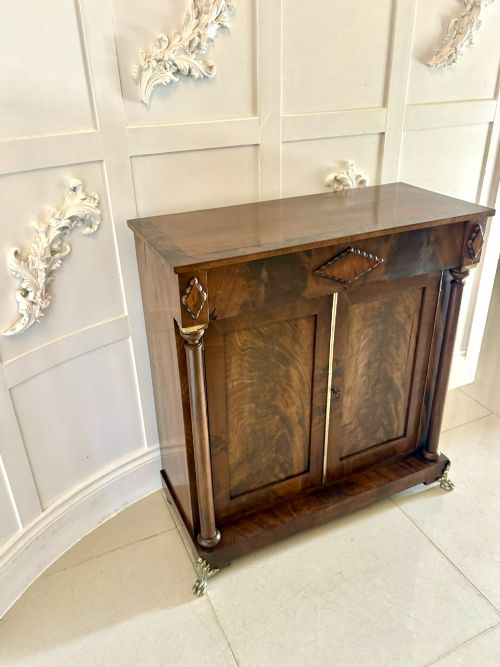
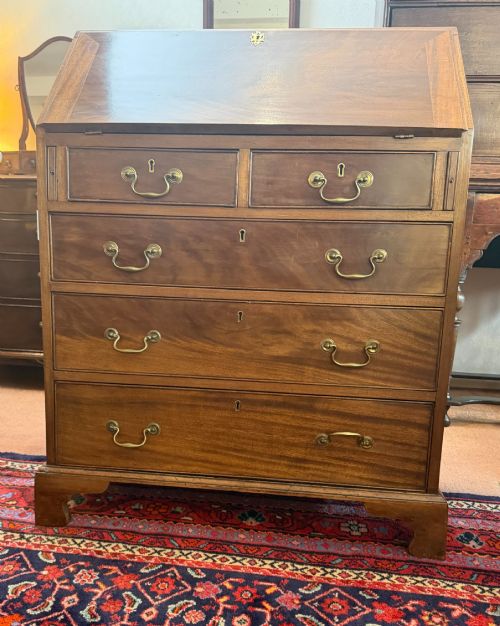
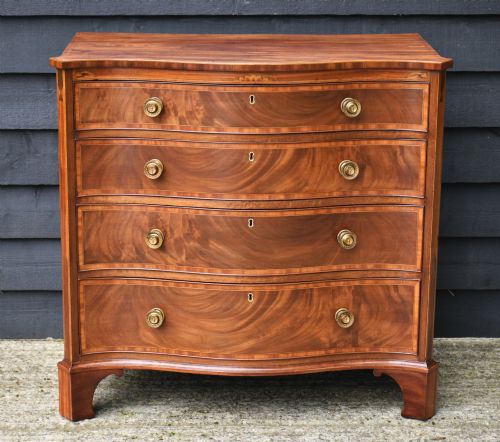
Georgian Wooden Cabinet
A georgian wooden cabinet brings warmth and practical storage to a room through centuries of skilled British cabinet-making.
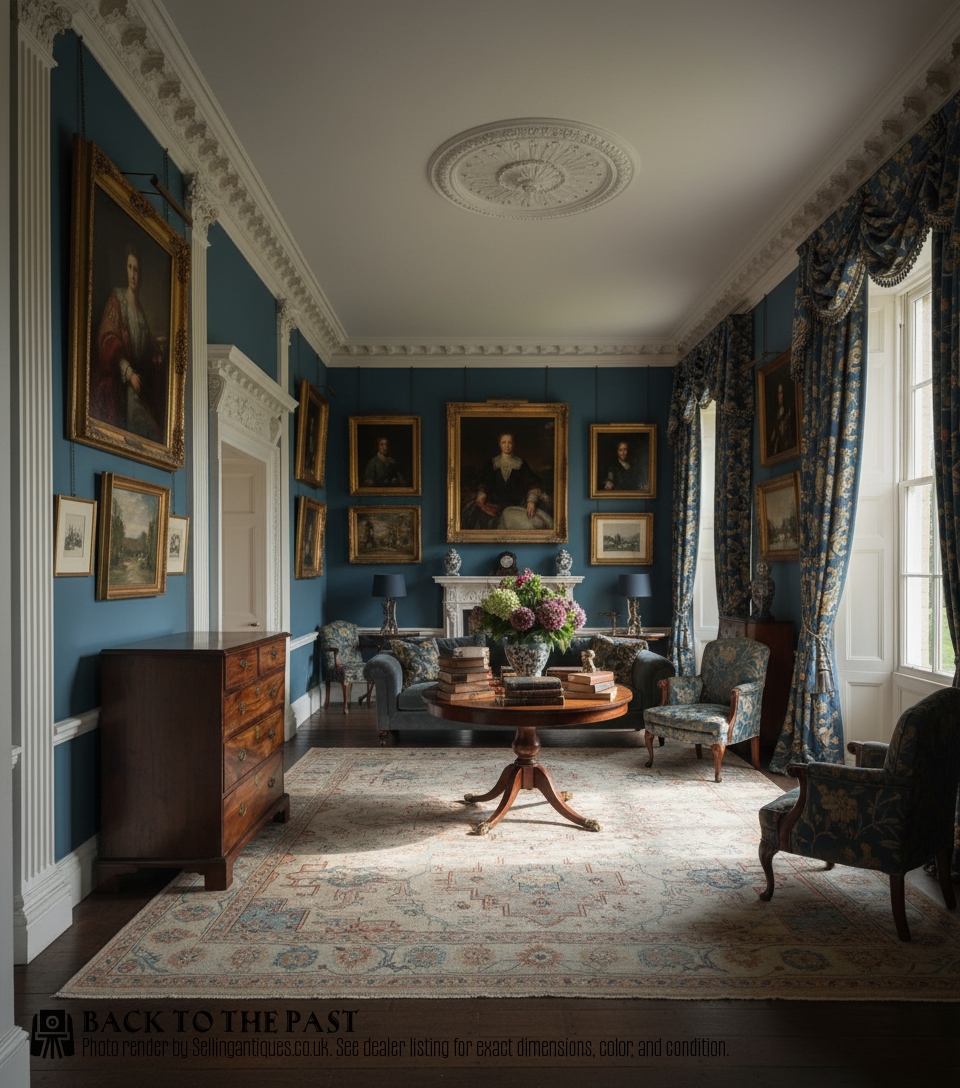
Georgian Wooden Cabinet
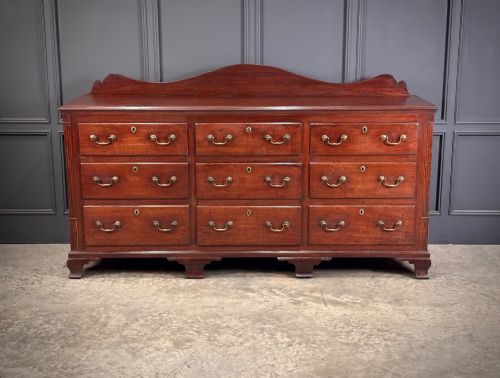
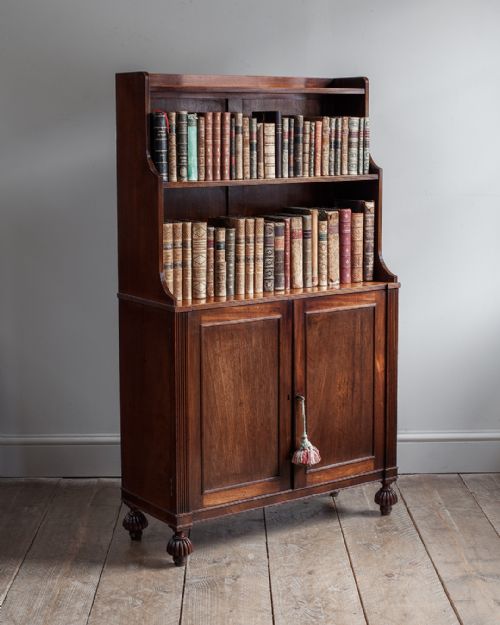
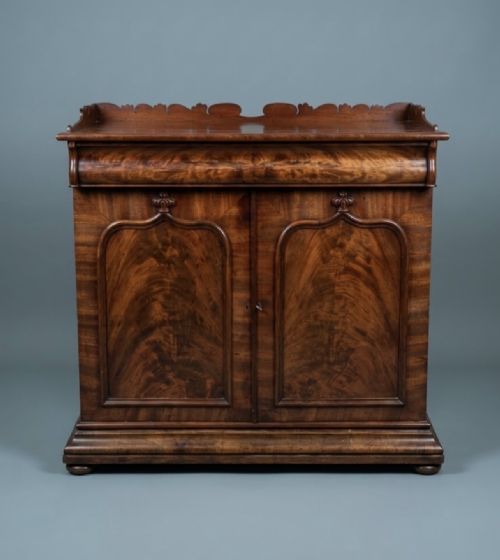
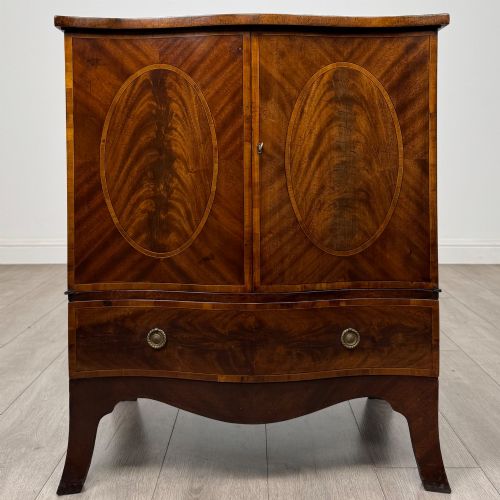
A georgian wooden cabinet encompasses a variety of practical domestic forms, ranging from bookcases and side cabinets to chests of drawers, cupboards, and cellarettes.
The pieces appearing on this page span the 18th century, the Georgian period itself, and later revivals, reflecting both formal urban workshop traditions and vernacular regional styles.
Materials and Technique
Cabinet-makers relied primarily on solid timbers like mahogany, oak, and walnut, often selecting figured veneers such as flame mahogany and exotic woods like satinwood and kingwood for decorative surfaces.
Construction techniques combined robust joinery for structural carcases with delicate brass hardware, glass panels for bookcases, and precise inlay work to define the style of the period.
Listings feature woods ranging from mahogany, oak, and walnut to satinwood, pine, elm, and harewood.
Judging Quality
The distinction between ordinary and superior pieces rests on the choice of timber and the dexterity of the cabinet-maker in handling figured veneers and inlay.
Proportion, original surface patination, and the retention of period brass fittings dictate the integrity of each item.
The Georgian Wooden Cabinet Glossary
- Flame mahogany
- A timber cut from the fork of the mahogany tree, producing a distinct flame-like grain pattern prized for decorative cabinet fronts.
- Cellarette
- A fitted cabinet or box designed to hold bottles of wine and spirits securely within a dining room.
- Breakfront
- A piece of furniture featuring a central section that projects forward from the flanking outer sections.
- Chiffonier
- A low cabinet or sideboard, frequently equipped with small shelves or a superstructure, popular during the Regency period.
- Tallboy
- A tall chest of drawers constructed in two sections, placing one smaller chest on top of a larger base.
Georgian Wooden Cabinet: Frequently Asked Questions
How do I identify a Georgian cabinet?
Examine the timber, construction methods, and overall proportions. Pieces from this period typically utilise solid mahogany, oak, or walnut with traditional hand-cut joinery.
Look closely at the secondary woods used inside drawers and backboards, as regional pine or oak often points to a genuine 18th-century origin rather than a later revival.
Where should I place a side cabinet?
These versatile pieces suit dining rooms, living spaces, and hallways where surface space and enclosed storage are both required. A compact bedside table or small cupboard fits neatly into tighter corners.
Ensure the piece sits away from direct heat sources and strong sunlight to protect the polish and prevent timber movement over time.
How do I care for antique wood?
Maintain the surface by dusting with a soft, dry cloth and applying traditional beeswax sparingly when the timber appears dry. Avoid modern silicone polishes that build up and harm the finish.
Keep the room at a stable humidity level to preserve the original patina and prevent the historic timber from cracking.