
Georgian Wine Glasses
When you handle georgian wine glasses, you touch a drinking culture that favoured weight, clarity, and optical twist in the hand.
Georgian Wine Glasses
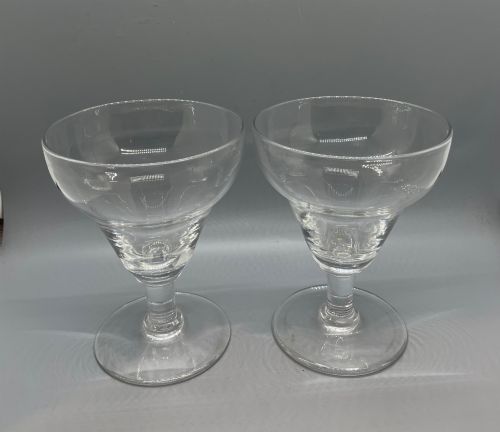
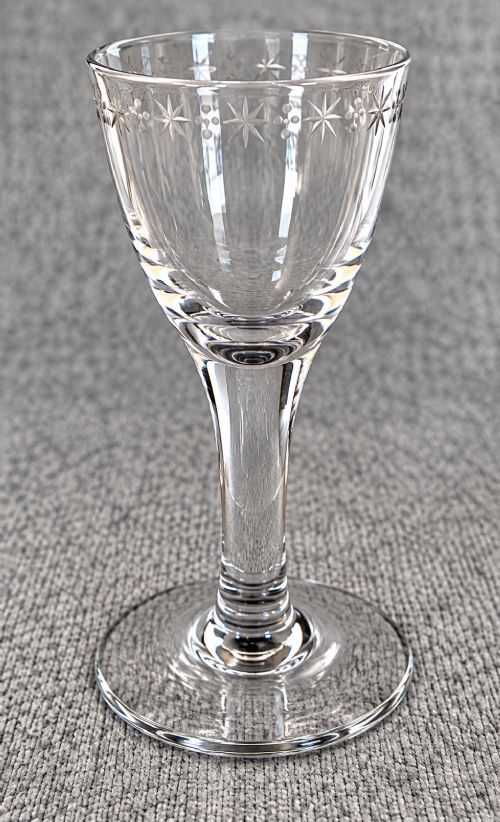
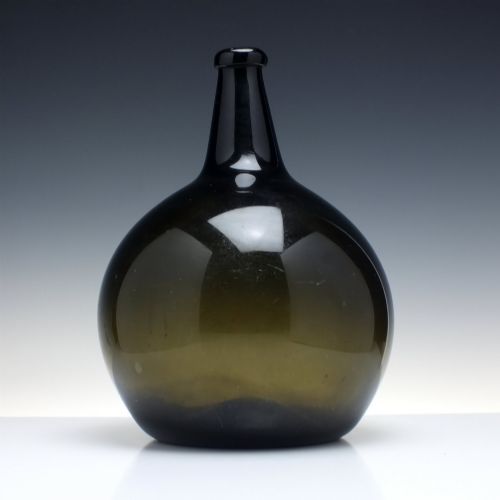
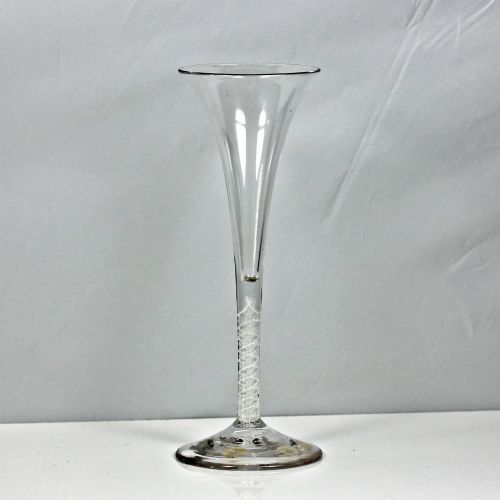
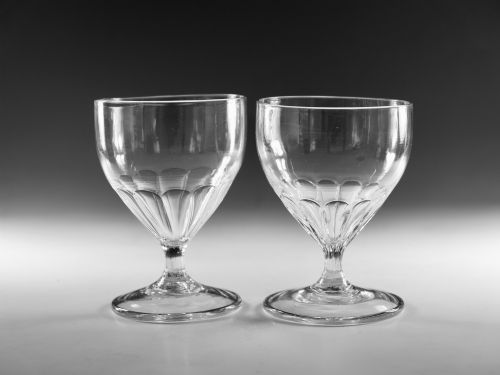
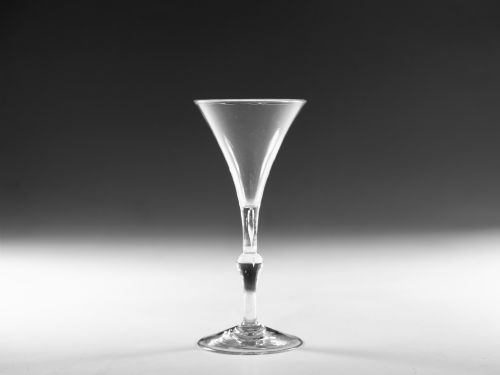
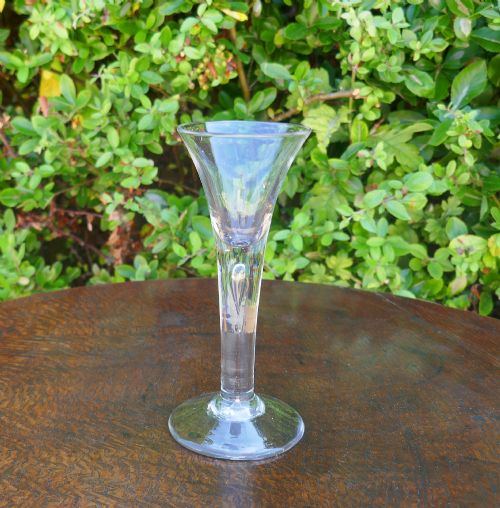
The term georgian wine glasses covers drinking vessels produced across the eighteenth and early nineteenth centuries, spanning eras from George III to the Regency and William IV. You will encounter everything from mid-eighteenth-century examples with slender stems and folded feet to later nineteenth-century rummers and cut pieces.
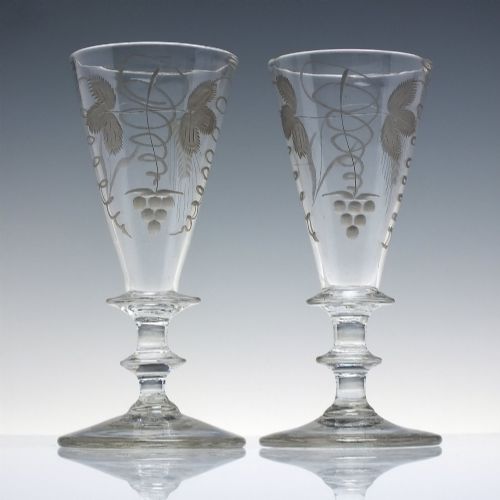
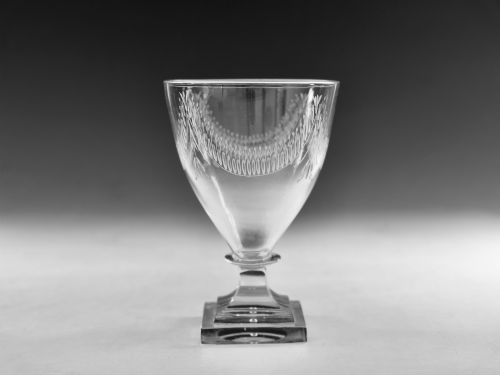
The form varies from tall flutes and pan top bowls to heavy baluster stems and faceted drinking glasses. Many items feature engraved decoration, ranging from floral motifs to Jacobite symbols and specific wine labels.
Materials and Technique
The material of choice is lead glass or clear lead crystal, which gave makers the density required for deep cutting and stable stems. Flint glass also appears frequently, offering a bright refraction that distinguishes these vessels from ordinary utility glass.
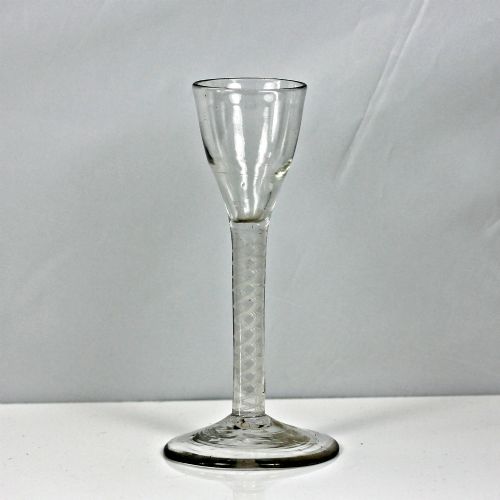
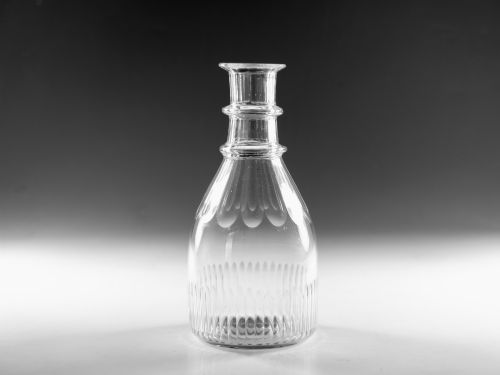
Techniques shifted from the drawing of molten metal into plain stems to the manipulation of air and opaque twists trapped within the glass. Enamel decoration and pillar or prism cutting further demonstrated the skill of the glasshouse.
One small rummer on record bears the cheerful injunction 'Women & Wine' engraved forever into its bowl.
The Measure of Quality
Quality rests upon the balance of the vessel and the clarity of the metal free from cloudiness or heavy bubbles unless intended as an optical feature. The precision of the stem twist and the crispness of any wheel-engraved detail dictate the standing of a piece.
Weight and foot stability also separate standard domestic items from superior examples designed for formal dining tables. The presence of a neatly finished pontil mark on the underside grounds the piece in its period of manufacture.
Atelier of James Giles
The Georgian Wine Glasses Glossary
- Baluster stem
- A thick, swelling stem form reminiscent of architectural balusters, popular on heavier drinking vessels.
- Air twist
- A technique where elongated bubbles are drawn into a spiral thread inside the transparent stem.
- Opaque twist
- White or coloured enamel rods melted into the glass core and twisted during drawing.
- Pontil mark
- A rough scar left on the base where the glassmaker snapped the pontil rod away from the vessel.
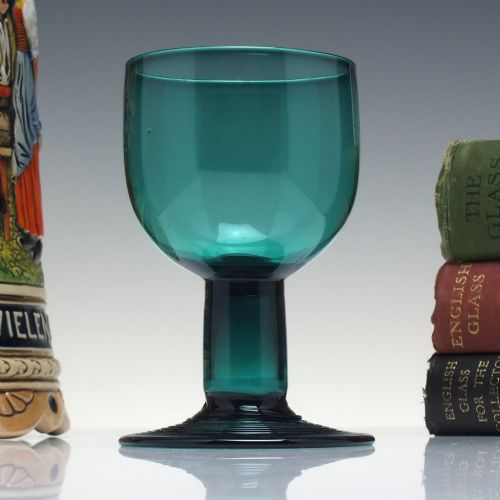
- Rummer
- A large, capacious drinking glass on a short stem, commonly used for wine or ale in the late eighteenth and nineteenth centuries.
Georgian Wine Glasses: Frequently Asked Questions
What is an opaque twist stem?
An opaque twist stem contains fine threads of white or coloured enamel glass encased within clear lead crystal. Makers created this effect by arranging enamel rods in a mould, heating them, and twisting the molten metal as the stem was pulled.
These stems appeared in mid-eighteenth-century production alongside air twists. They catch the light differently from clear glass due to the opaque threads running through the centre.
Were coloured wine glasses common in the Georgian period?
Coloured glass became increasingly popular toward the end of the eighteenth century and into the Regency period. You will find pieces in Bristol green, amethyst, and deep blue.
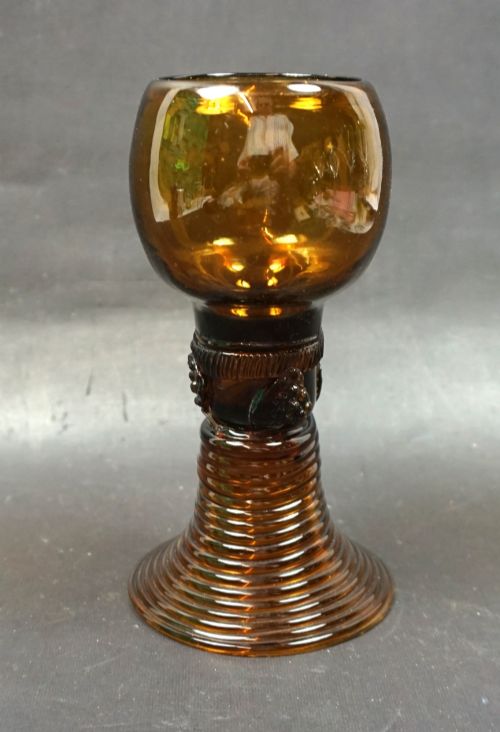
Earlier eighteenth-century glasses were predominantly clear lead crystal, while coloured vessels like roemers and tinted wine glasses emerged in strength around 1800. These hues were achieved by adding metallic oxides to the molten batch.
How can I tell an air twist from a standard stem?
An air twist contains a continuous spiral of tiny elongated bubbles trapped inside the solid glass stem. If you rotate the glass under a light, the internal threads appear to move and refract the illumination.
Standard plain stems are solid and transparent without internal patterns. Air twists require considerable skill to pull evenly from the molten batch without distorting the imprisoned air.