

Georgian Wine Cooler Box
A georgian wine cooler box is a refined timber vessel designed to chill bottles, combining utility with stately presence.
Georgian Wine Cooler Box
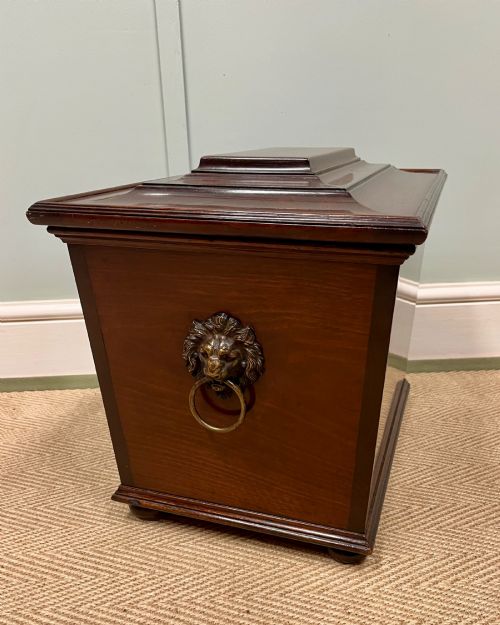
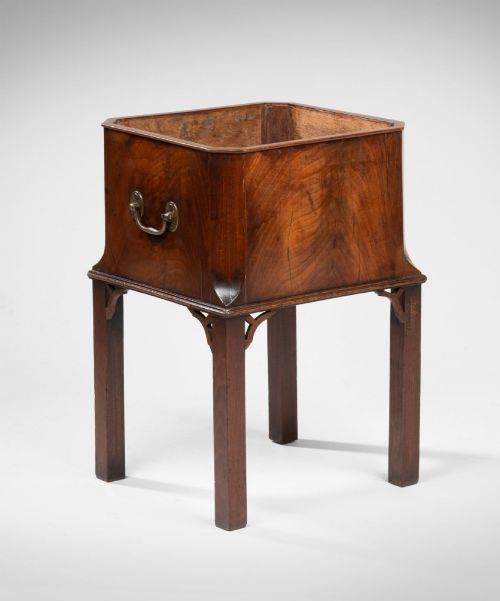
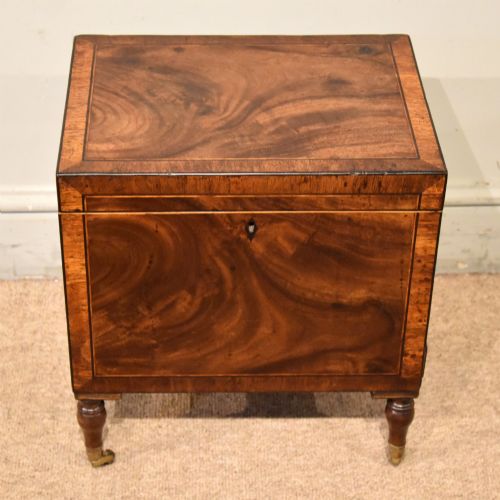
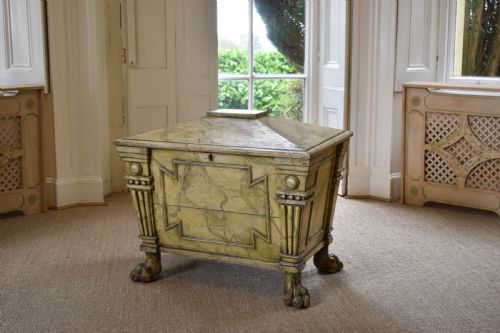
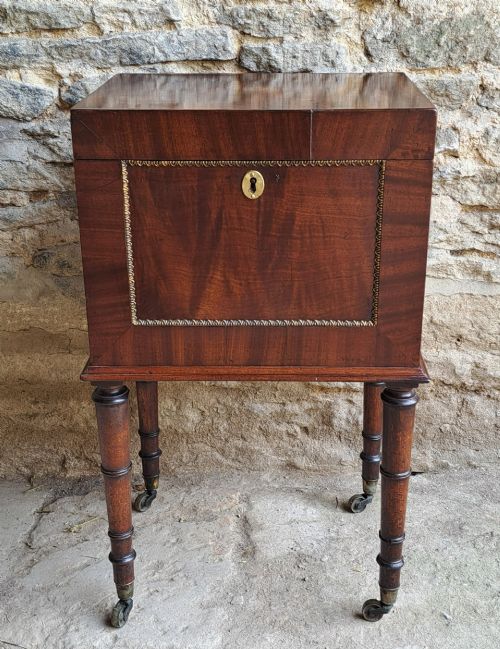
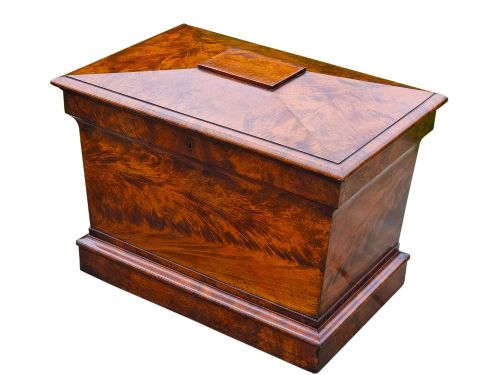
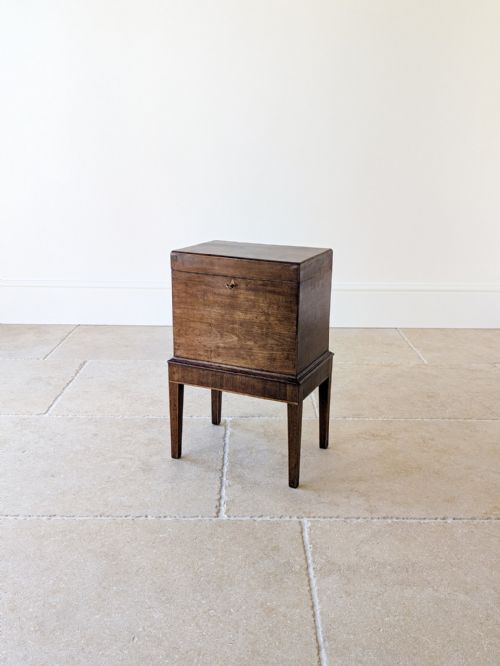
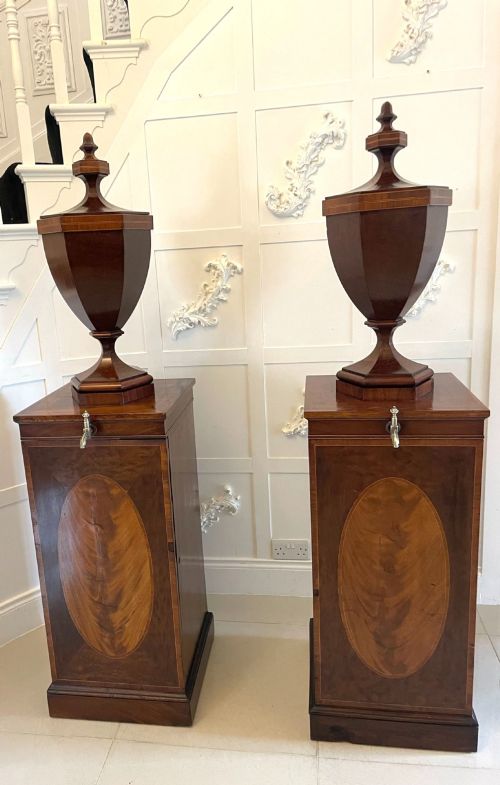
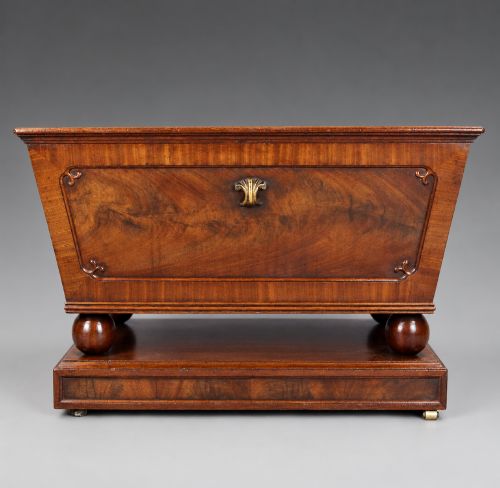
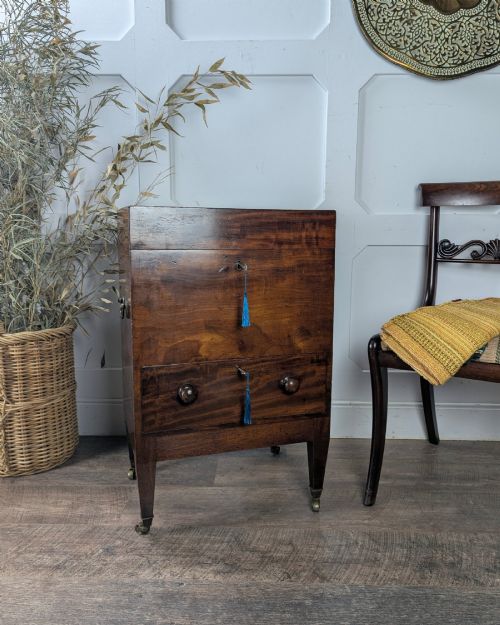
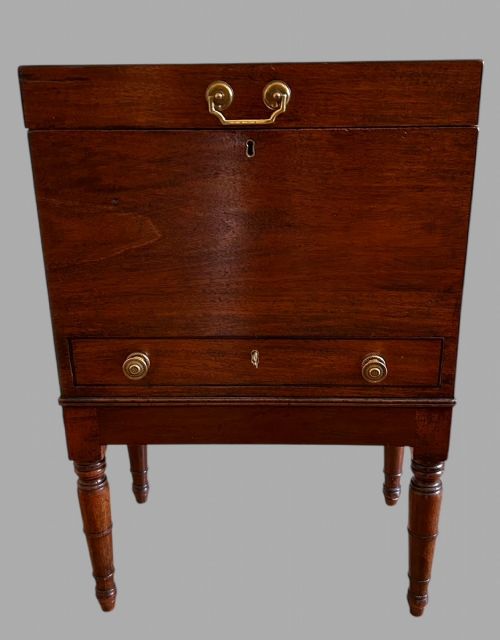
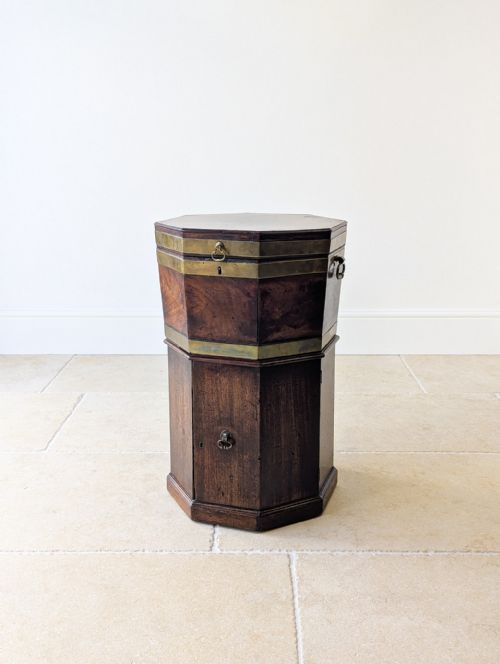
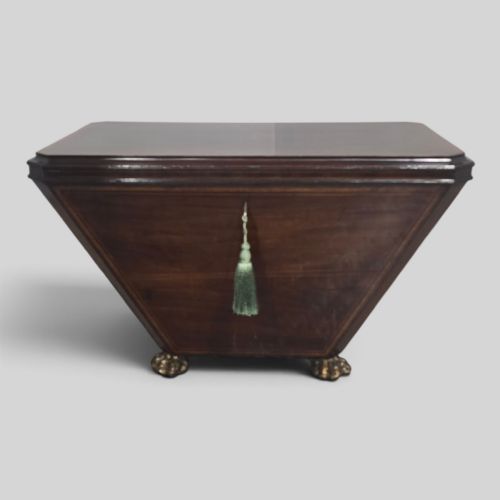
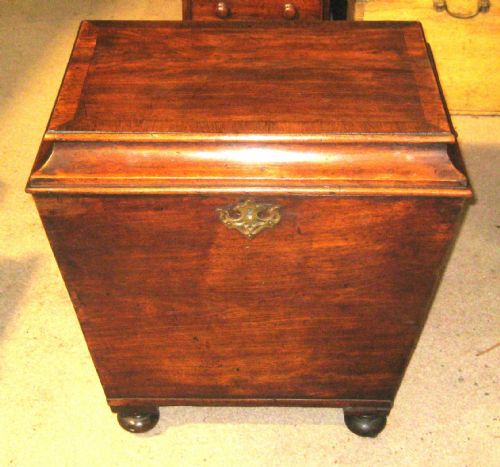
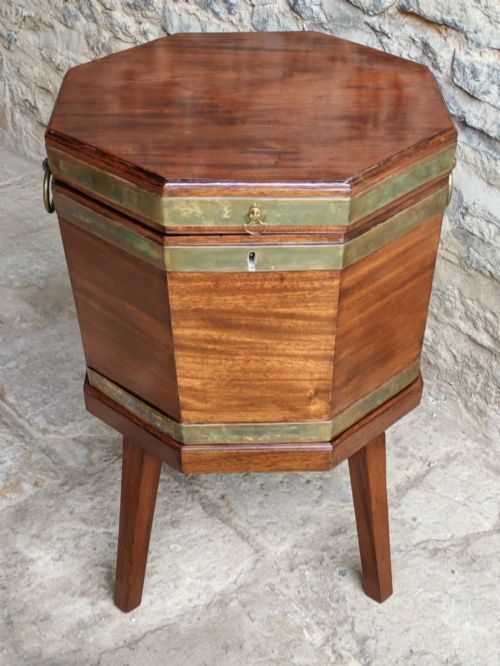
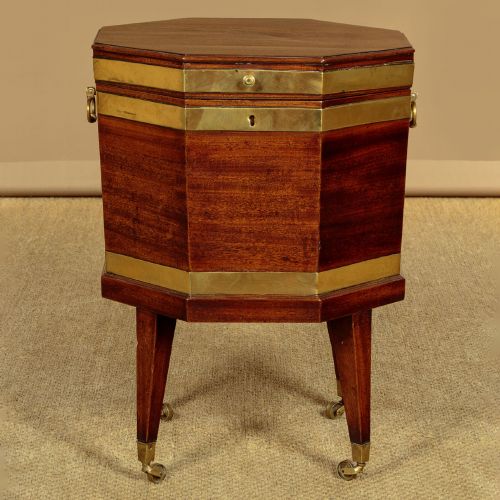
A georgian wine cooler box encompasses cellarettes, urns and sarcophagus forms designed for dining rooms of the eighteenth and nineteenth centuries.
Mahogany predominates on this page, appearing in plain, flame and figured varieties alongside satinwood, pollard oak and padouk.
Makers ranged from cabinet-makers such as Edwards and Roberts to provincial workshops producing octagonal and oval receptacles.
Assessing the craftsmanship
Quality rests in timber selection, where figured flame mahogany or pollard oak displays deep natural grain and patination.
Refinement shows in joinery, proportion and the integration of original stands, brass handles and lead liners.
Georgian Wine Cooler Box Retail Price Guide 2026
Typical asking prices for georgian wine cooler box among the pieces listed under this phrase on Sellingantiques today, from the lower quarter to the upper quarter. They describe what is for sale here now, not the wider market.
Mahogany is the dominant timber across these listings, appearing alongside satinwood, pollard oak and padouk.
Edwards and Roberts·Gillingtons
The Georgian Wine Cooler Box Glossary
- Cellarette
- A lockable timber box or chest used for storing wine and spirits beneath the dining table or sideboard.
- Sarcophagus form
- A tapered, monumental box shape modelled on classical stone tombs, popular during the Regency period.
- Flame mahogany
- Timber cut to reveal a rippling, fiery grain pattern prized for high-end cabinet work.
- Lead liner
- A soldered metal insert fitted inside the box to hold melting ice without damaging the surrounding wood.
- Padouk
- An exotic dense hardwood imported from Asia and Africa, valued for its rich colour and durability.
Georgian Wine Cooler Box: Frequently Asked Questions
What is a georgian wine cooler box used for?
These vessels held ice and bottles close to the dining table during extended meals, keeping beverages chilled before service.
Servants would fill the lead-lined interior with ice and water, placing wine bottles inside until required by the host.
How do I tell a cellarette from a wine cooler?
The terms are often used interchangeably in historical records, though cellarettes traditionally feature locking lids for secure spirit storage.
Wine coolers can describe open or lidded vessels, including monumental pedestal and urn configurations designed for grand dining rooms.
Where were these boxes placed in a room?
They stood beneath sideboards, beside dining tables or upon dedicated wooden stands supplied with the original commission.
Freestanding sarcophagus versions rested directly on the floor on paw feet, casters or plinth bases.
How do I distinguish Regency from George III styles?
George III pieces often display classical proportions with stringing, inlay and straight tapered or bracket feet.
Regency examples favor bolder architectural masses, drawing on Roman sarcophagus shapes, heavy brass mountings and figured woods.