


Georgian Welsh Tridarn Dresser
A georgian welsh tridarn dresser stands as the ultimate vernacular masterpiece, offering monumental storage and historic character for the serious country house interior.
Georgian Welsh Tridarn Dresser
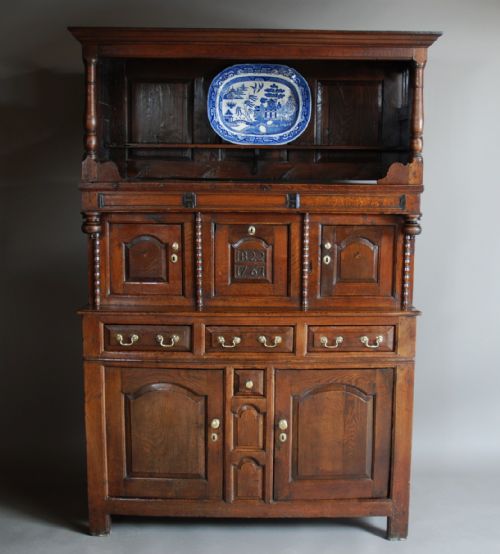
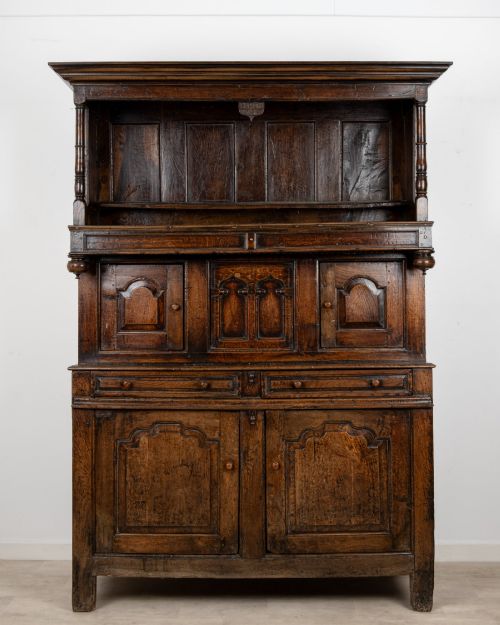
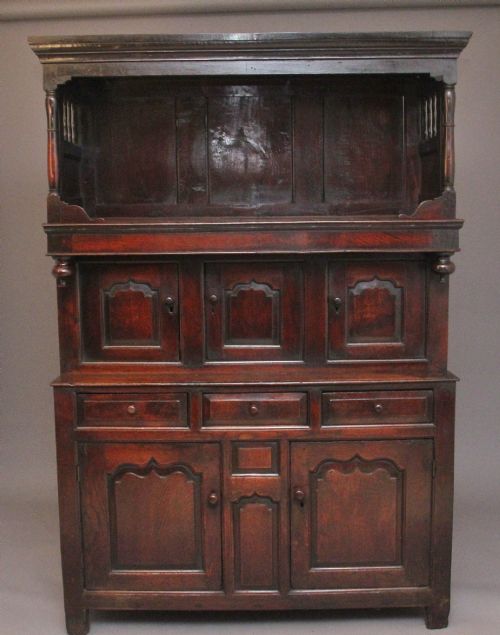
A georgian welsh tridarn dresser is a substantial three-tier piece of vernacular furniture originating predominantly from rural Wales during the eighteenth century. These imposing cupboards combine display sections with enclosed storage, representing the pinnacle of regional cabinet making.
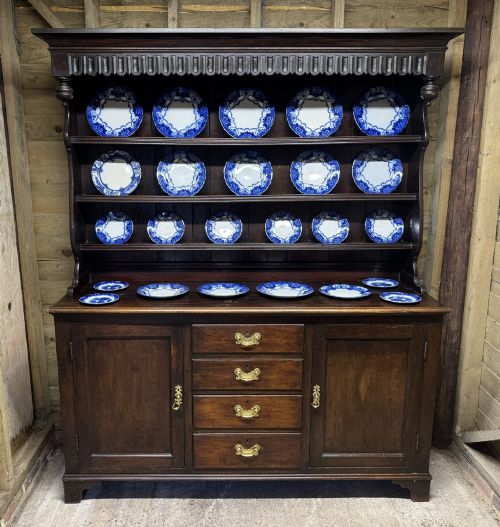
The pieces encountered here span the early to mid-eighteenth century, alongside nineteenth-century interpretations of the form. Collectors regularly encounter variations including traditional three-part cupboards and two-part deuddarn formats.
Many examples trace their origins specifically to the Snowdonia region, showcasing distinctive local building traits. They function simultaneously as working furniture and historic sculpture within a room.
Assessing quality and character
Surface quality separates standard examples from exceptional survivals, measured through the depth of patination developed over centuries of polish and use. Original timber colour and untouched surface integrity dictate desirability.
Proportion and scale heavily influence standing within the market, with smaller scaled vernacular cupboards commanding particular attention from collectors. The survival of original tier structures and fielded panels completes the assessment.
The Georgian Welsh Tridarn Dresser Glossary
- Tridarn
- A traditional Welsh three-tier piece of furniture featuring an upper canopy, a middle section with cupboards, and a base unit. It represents the most complex evolution of regional vernacular storage.
- Deuddarn
- A two-part Welsh cupboard lacking the upper open display tier found on its three-tier counterpart. This form provides enclosed storage across upper and lower compartments.
- Patina
- The deep surface sheen and mellowed tone developed by timber over long periods of exposure and handling. It serves as a key indicator of age and genuine historic surface wear.
- Vernacular
- Architecture and furniture built by local craftsmen using traditional regional methods and materials rather than academic high-style designs. These pieces reflect the immediate needs and character of their local community.
Georgian Welsh Tridarn Dresser: Frequently Asked Questions
What is a tridarn?
A tridarn is a traditional Welsh three-tier cupboard designed for storage and display in domestic vernacular settings. The structure typically comprises an open upper stage, a middle cupboard section, and a deeper base.
Craftsmen built these monumental pieces using native hardwoods to serve principal families in rural communities. Today they function as statement storage furniture in historic and contemporary interiors alike.
How do I date an eighteenth-century piece?
Dating relies on examining construction techniques, joinery methods, timber selection, and stylistic cues characteristic of specific decades. Pegged framing, hand-planed panels, and regional design traits help narrow the period of origin.
Dated examples and inscribed panels occasionally provide direct evidence of manufacture. Comparing hardware fixings and secondary woods offers further confirmation of age.
Where were these dressers made?
These pieces originate primarily from rural Wales, with specific regional variations attributed to areas like Snowdonia. Local country joiners built them using materials sourced directly from surrounding woodlands.
Each region developed subtle differences in moulding profiles and arrangement of panels. This local specialisation allows specialists to connect specific pieces to distinct Welsh workshops.
How should I care for historic oak furniture?
Historic oak requires stable environmental conditions away from direct heat sources and rapid humidity fluctuations. Maintaining consistent indoor humidity prevents timber movement and shrinkage in panelled doors.
Occasional application of appropriate traditional wax preserves the dry surface sheen without building up harmful residues. Gentle dusting with a soft cloth protects the accumulated patina.