
Georgian Watercolour Painting
When you search for a georgian watercolour painting, you are looking at delicate portraits and landscapes executed on paper, prized for their intimate scale and subtle handling of pigment.
Georgian Watercolour Painting
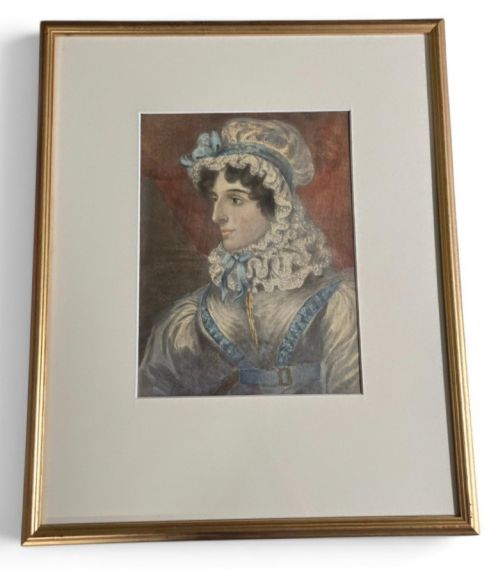
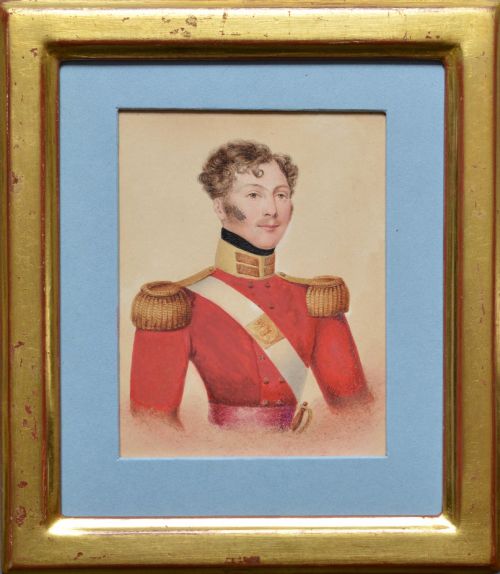
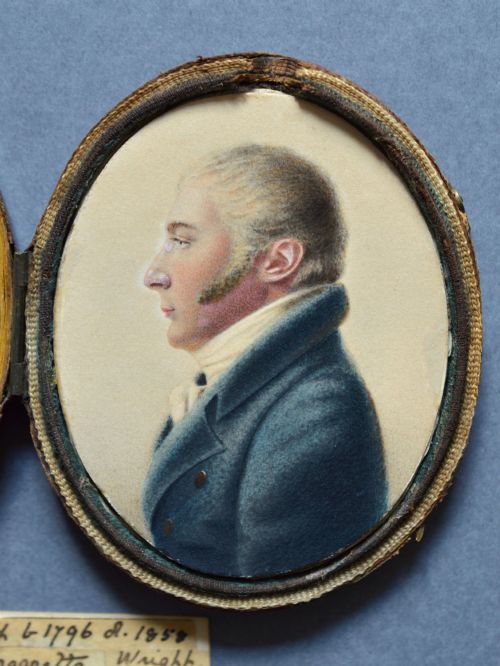
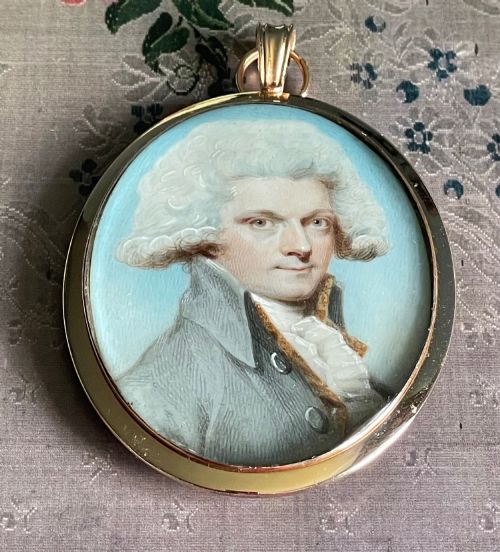
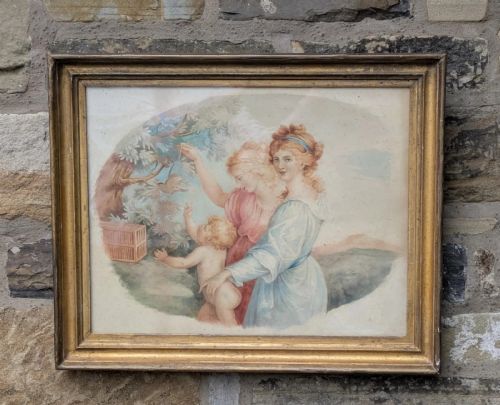
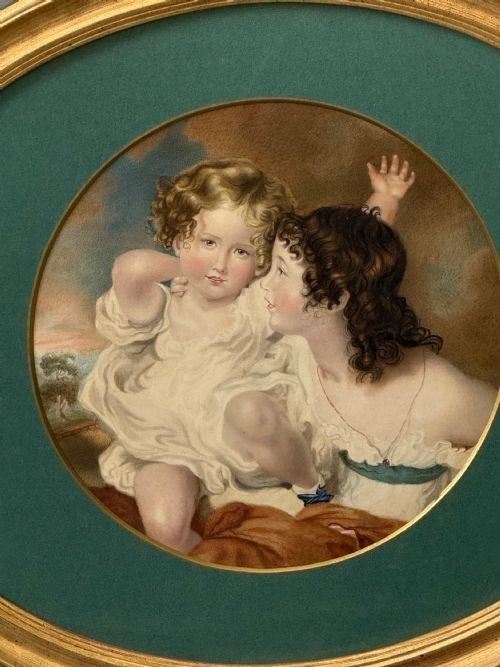
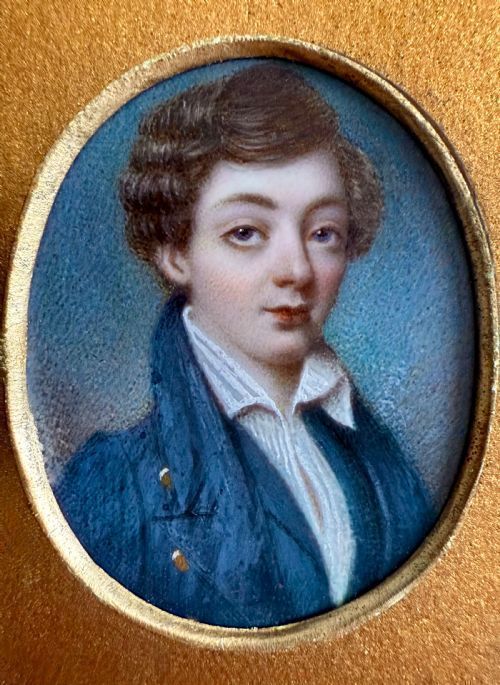
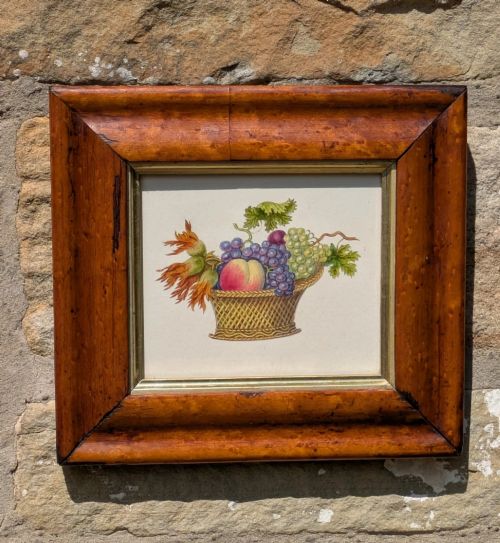
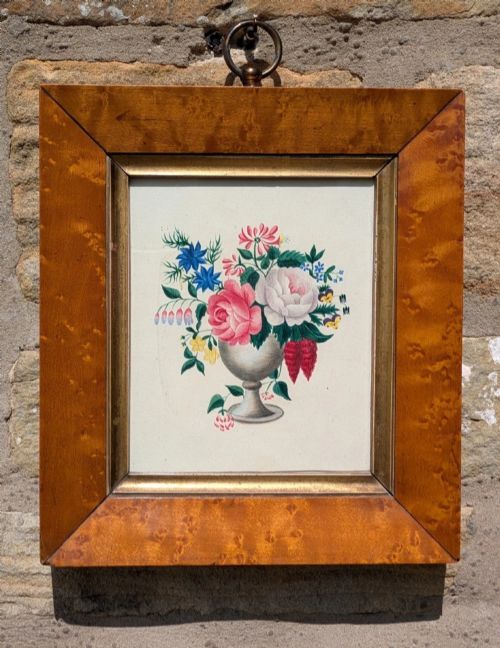
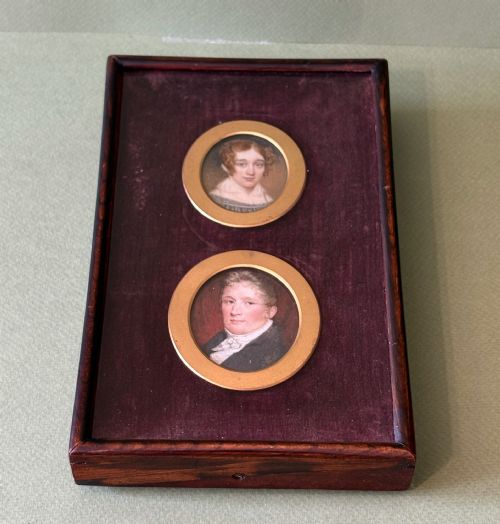
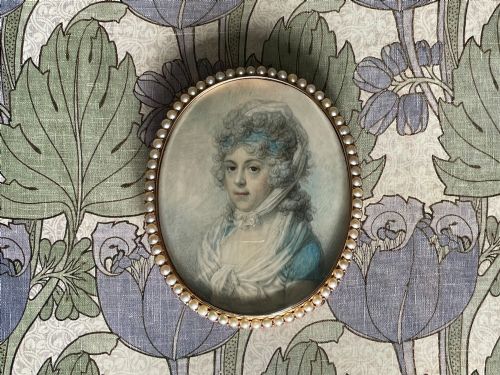
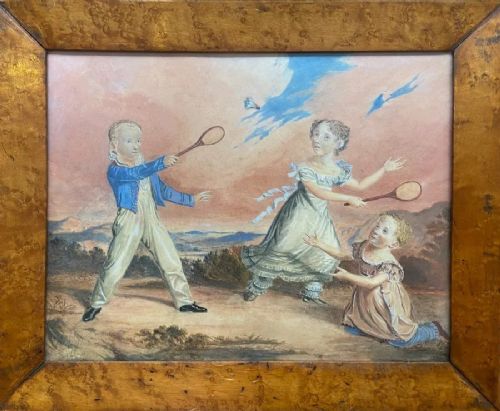
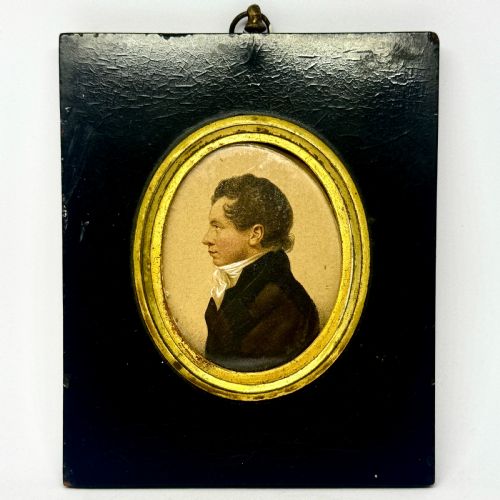
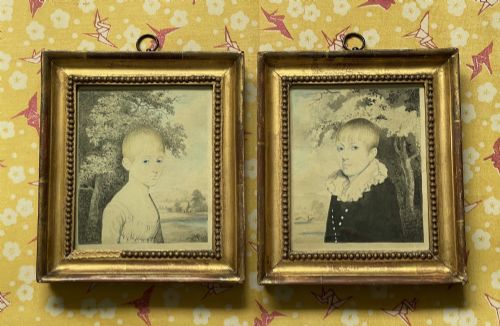
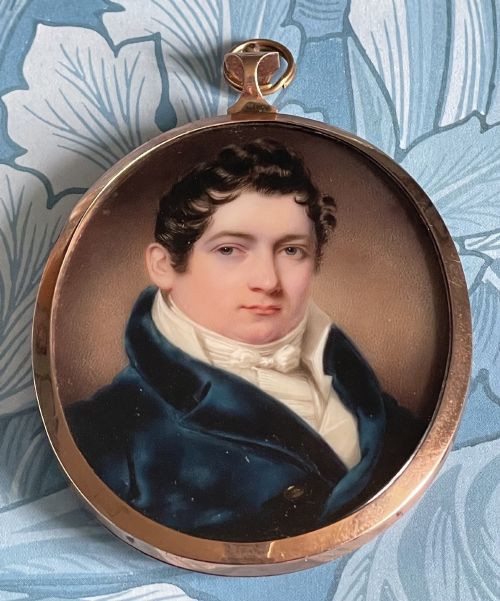
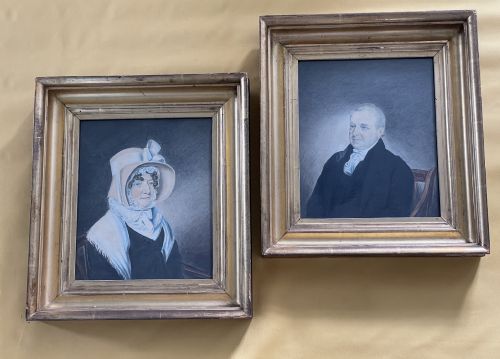
A georgian watercolour painting encompasses a range of delicate works on paper, spanning intimate portrait miniatures and classical scenes to botanical studies and landscapes. The pieces on this page lean heavily toward portrait miniatures and framed character studies created during the Georgian and Regency periods.
You will encounter works attributed to named British and European artists alongside pieces from various British schools, often housed in period frames of ebonised wood or gilt metal.
How They Were Made
The materials recorded in the archive and current listings reflect this traditional practice, combining watercolour and paper with structural elements of wood and glass to preserve the delicate pigment.
Georgian Watercolour Painting Retail Price Guide 2026
Typical asking prices for georgian watercolour painting among the pieces listed under this phrase on Sellingantiques today, from the lower quarter to the upper quarter. They describe what is for sale here now, not the wider market.
Listings combine eighteenth-century and nineteenth-century periods with materials including watercolour, paper, glass, wood, gold, and gilt metal.
What Varies in Quality
The matching quality of the original frame, whether ebonised wood or gilt metal, often complements the status of the painting within the range.
Charles Shirreff·Richard Cosway·Frederick Buck·George Blackman·Charles Hayter·William Naish
The Georgian Watercolour Painting Glossary
- Watercolour
- A paint consisting of a pigment suspended in a water-soluble binder, traditionally applied to paper.
- Portrait Miniature
- A small, highly detailed painting, often executed on ivory or vellum, designed for intimate viewing or portable display.
- Grisaille
- A painting executed entirely in shades of grey or neutral grey-brown monochrome, often used to emulate sculpture or as an underpainting.
- Ebonised
- Wood finished to resemble dense, black ebony, frequently utilised for nineteenth-century picture frames.
- Regency
- A period in British history spanning the early nineteenth century, characterised by neoclassical elegance in art and design.
Georgian Watercolour Painting: Frequently Asked Questions
What is a georgian watercolour painting?
A georgian watercolour painting is an artwork created on paper using water-soluble pigments during the eighteenth or early nineteenth century. These pieces capture subjects ranging from botanical studies and landscapes to highly detailed portrait miniatures.
They offer a direct window into the visual culture and artistic techniques of the period, executed with remarkable precision on an intimate scale.
How were these miniature portraits displayed?
Portrait miniatures were often housed in small protective cases, ebonised wooden frames, or gilt metal stands. Their portable nature allowed owners to carry them or keep them close on a desk or wall.
Many survived within their original frames, preserving the delicate paper or ivory beneath glass.
How do I care for antique watercolours?
Antique watercolours require protection from direct sunlight and high humidity to prevent the paper from yellowing and the pigments from fading. Displaying them away from windows ensures the delicate colours remain stable.
Maintaining a stable indoor climate helps preserve both the paper support and any wooden or gilt framing.
How do I distinguish Regency from Georgian pieces?
Regency pieces fall under the broader Georgian umbrella, specifically reflecting the distinct neoclassical aesthetic of the early nineteenth century. Stylistic cues in the clothing, hair and framing often help date a work more precisely within this span.
Signatures, inscriptions, and artist attributions further assist in narrowing the timeframe of creation.