

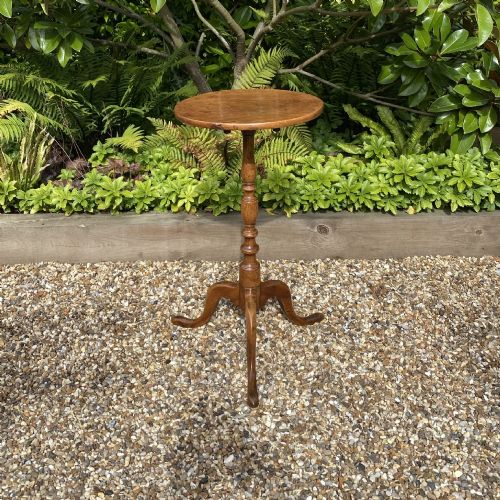
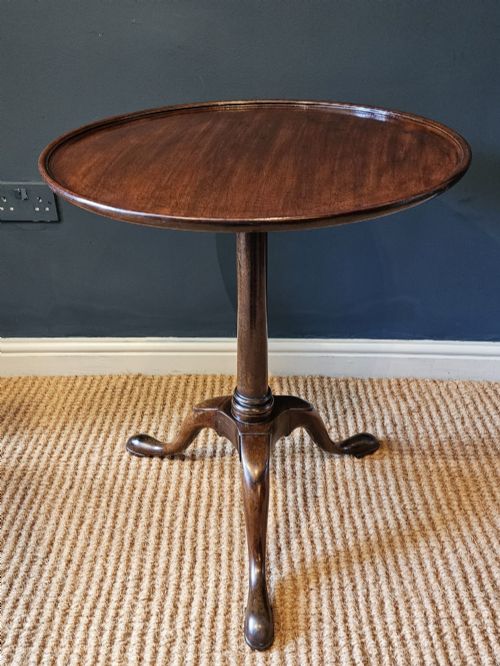
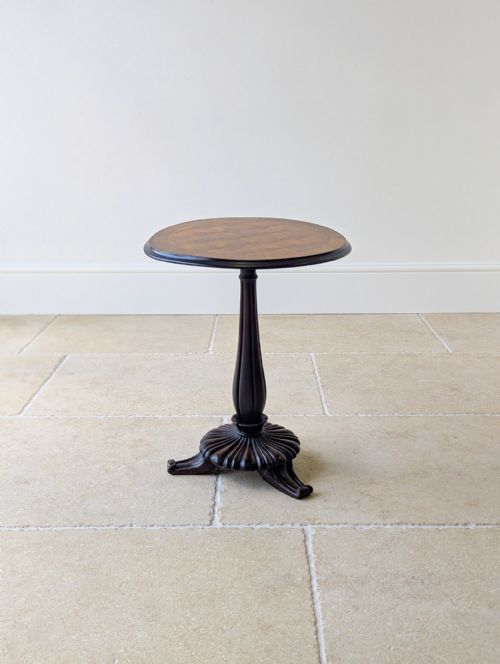
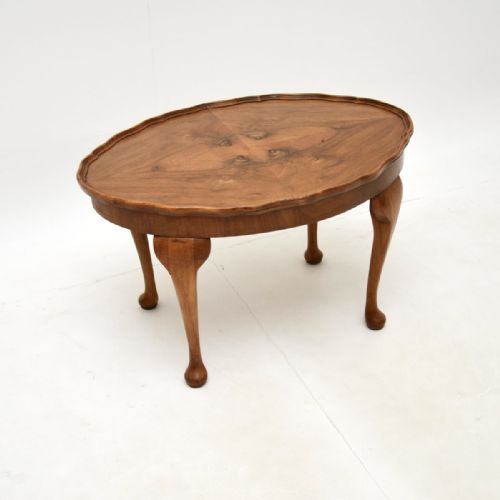

Georgian Walnut Occasional Table
These pieces of a georgian walnut occasional table offer compact utility and rich timber grain, bringing 18th-century design to modern rooms.
Georgian Walnut Occasional Table
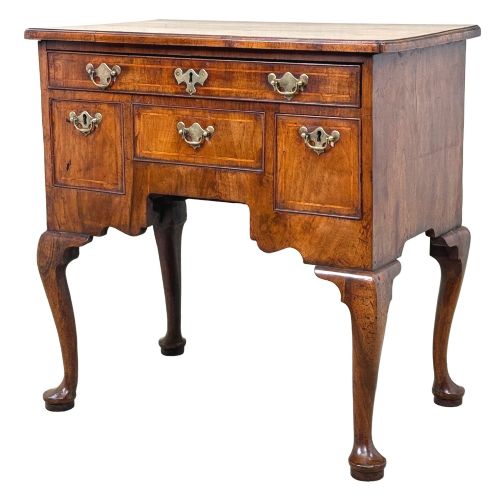
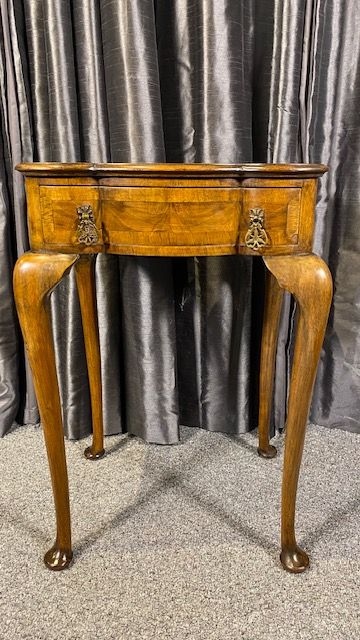
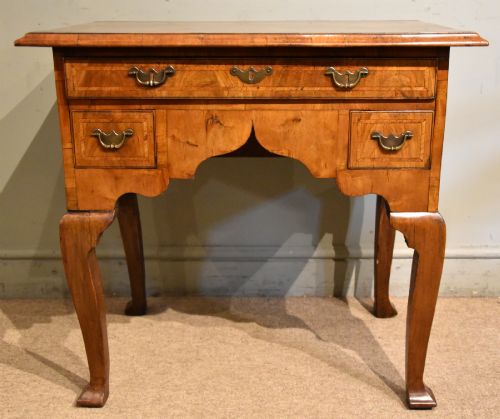
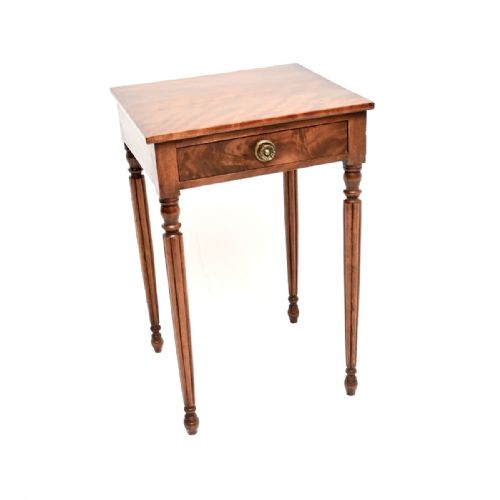
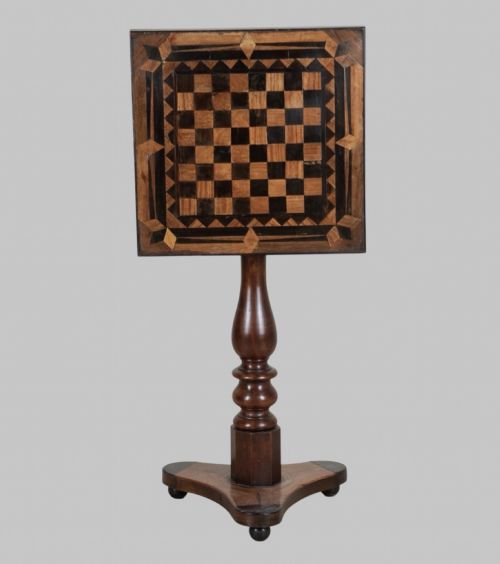
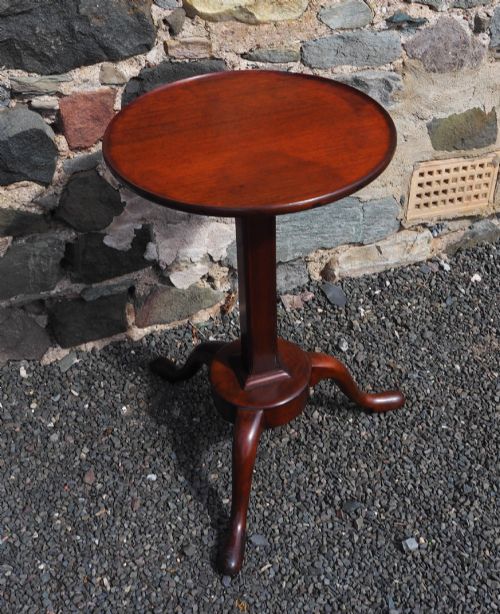
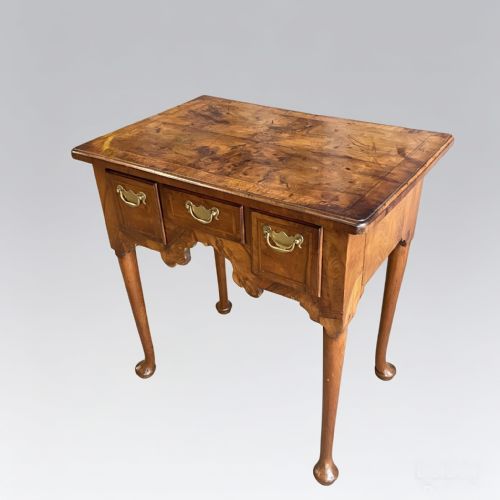
A georgian walnut occasional table encompasses a varied group of small-scale furniture designed for functional versatility in domestic spaces. The selection ranges from wine tables and tripod stands to lowboys and games tables, spanning 18th-century originals to later revival interpretations.
Buyers will encounter 18th-century pieces alongside early 20th-century revival examples utilising the same traditional forms. Side tables and coffee-adapted lowboys appear frequently alongside tilt-top and snap-top designs.
Origins include English workshops, Irish examples, and Italian pieces, showing diverse regional interpretations of the style. The primary function remains that of a movable small surface for lamps, drinks, or writing.
Judging timber and execution
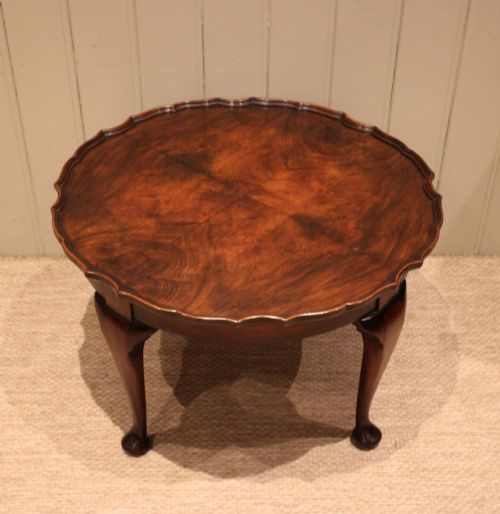
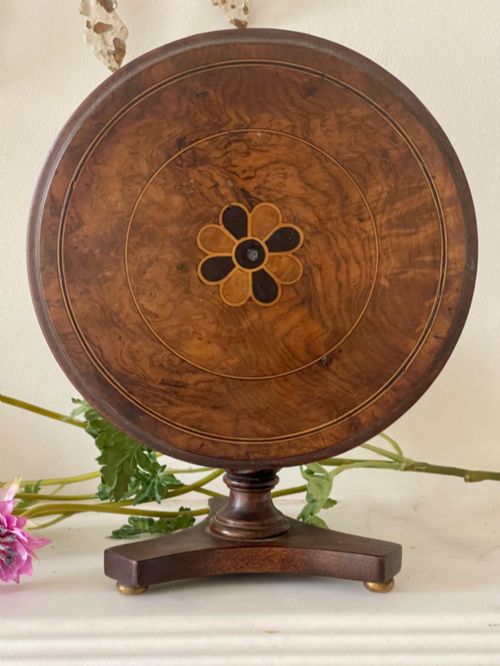
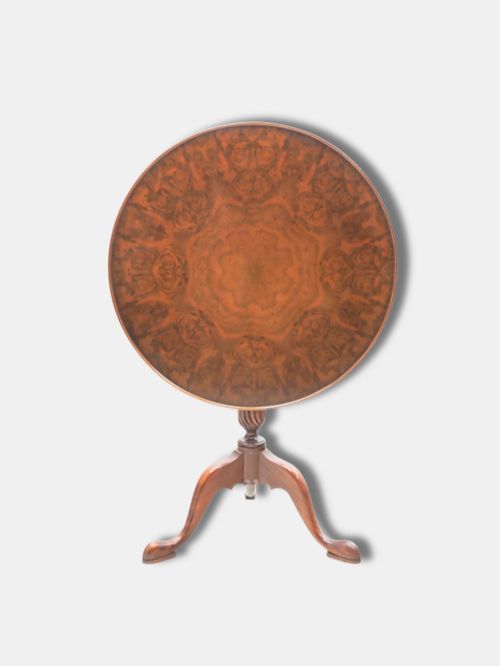
The choice of timber surface dictates the visual impact, with figured, burr, and red walnut achieving greater depth than plain boards. The complexity of the grain and the crispness of edge mouldings separate standard production from superior examples.
The integrity of mechanisms such as tilt-top catches and drawer dovetails reveals the standard of original craftsmanship. Alterations, timber shrinkage, and the retention of original brass fittings influence the overall character of each table.
Georgian Walnut Occasional Table Retail Price Guide 2026
Typical asking prices for georgian walnut occasional table among the pieces listed under this phrase on Sellingantiques today, from the lower quarter to the upper quarter. They describe what is for sale here now, not the wider market.
Some tilt-top tables spent centuries tucked flat against dining room walls like giant wooden coins.
The Georgian Walnut Occasional Table Glossary
- Lowboy
- A small table with drawers resembling the lower section of a highboy, frequently used as a side table or dressing surface.
- Tilt top
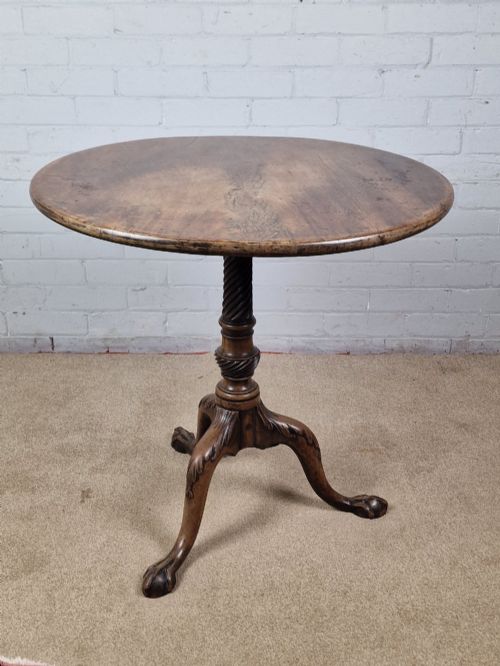
- A table mechanism allowing the surface to pivot vertically when not in use, saving floor space.
- Burr walnut
- A prized timber veneer derived from the growths of a walnut tree, displaying intricate swirling patterns.
- Tripod table
- A small stand supported by a central pillar resting on three curving legs.
- Snap top
- A spring-loaded mechanism that locks a tilting tabletop securely into the horizontal position.
Georgian Walnut Occasional Table: Frequently Asked Questions
What is a lowboy used for?
A lowboy functions primarily as a small side table or writing surface, featuring one or more drawers beneath the tabletop. Historically placed in bedrooms or parlours, it now serves effectively in hallways and living rooms.
Its compact proportions allow it to fit into tight spaces where larger furniture would overwhelm the room.
How do I spot a tilt-top table?
A tilt-top table incorporates a clever pivot mechanism beneath the surface that allows the top to be turned upright against the central column. This feature was originally designed to store the table flat against a wall when not in use.
Modern owners use this mechanism to display the decorative grain of the tabletop when the piece is pushed aside.
Are these tables solid walnut?
Construction methods vary between solid timber and applied veneers over a secondary wood base. Many finer examples utilise figured or burr walnut veneers to showcase decorative grain patterns across the broad surface of the top.
Secondary woods such as mahogany or oak often appear in the structural framing and drawer linings.
How do I style an occasional table?
These versatile pieces work well beside seating as lamp tables or wine stands, or freestanding in a hallway. Their modest scale allows them to anchor corners without disrupting the flow of traffic in a room.
Pairing an 18th-century form with contemporary seating creates a balanced interior contrast.