




Vintage Extension Side Table
These vintage extension side table pieces are versatile folding furniture designs built for flexibility, and you want one for practical surface space in compact rooms.
Vintage Extension Side Table
When you search for a vintage extension side table, you encounter drop-leaf, gateleg, and pembroke forms designed to expand when needed. The selection on this page centres on tables from the seventeenth century up to nineteen-twenty, spanning various revival and traditional styles.
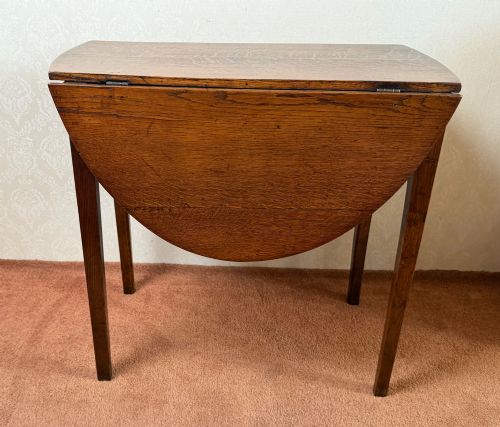
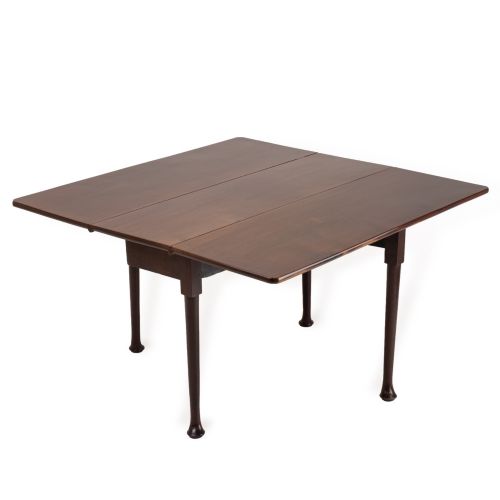
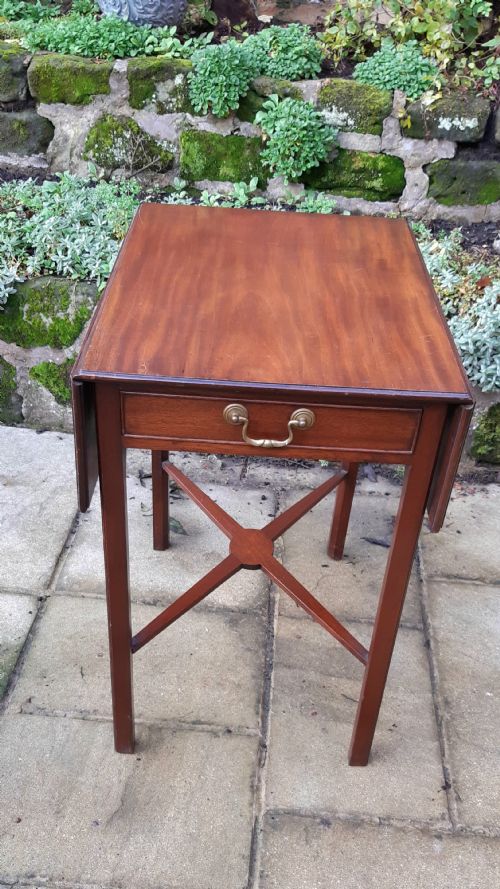
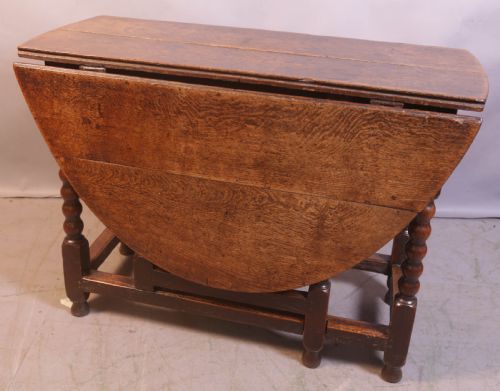
You meet oak, walnut, and mahogany examples featuring oval or rectangular leaves supported by folding legs or wooden flaps. These pieces range from rustic country kitchen items to refined georgian sofa tables and regency Pembroke designs.
The primary forms utilise drop leaves and gateleg mechanisms to transform small side surfaces into larger dining or occasional tables. This engineering allows the furniture to adapt easily to domestic spaces of differing proportions.
How they were made
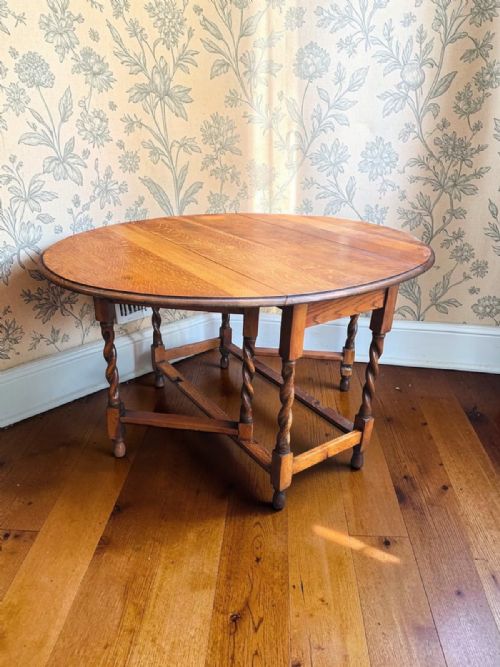
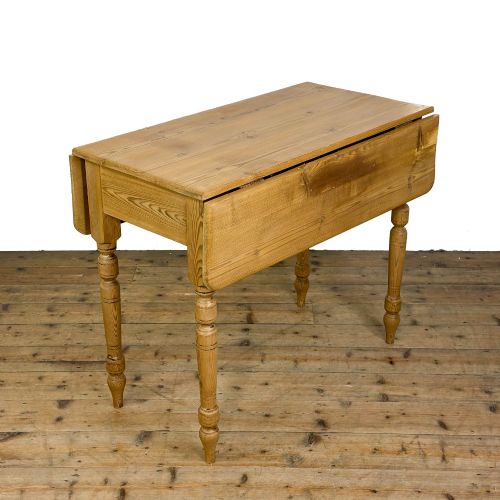
Cabinet makers constructed these tables predominantly from solid oak, mahogany, and walnut, often pairing softer pine for secondary framing or kitchen use. Carpenters turned timber on lathes to create decorative supports such as barley twist legs on seventeenth-century and nineteen-twenty oak pieces.
Joinery techniques relied on sturdy framing to support hinged drop leaves and moving gateleg pivots. Workshops utilised brass fittings for castors and hinges on mahogany pembroke and sofa tables during the georgian and regency periods.
Vintage Extension Side Table Retail Price Guide 2026
Typical asking prices for vintage extension side table among the pieces listed under this phrase on Sellingantiques today, from the lower quarter to the upper quarter. They describe what is for sale here now, not the wider market.
What varies in quality
The calibre of timber selection and the precision of the turning set the finer examples apart from simpler utilitarian pieces. Dense grain patterns in seventeenth-century walnut and figured mahogany on regency tables indicate superior material choice.
The integrity of the folding mechanisms and the smoothness of the drop-leaf action demonstrate the standard of original construction. Well-fitted hinges and robust gateleg pivots ensure the stability of the surface when fully extended.
The Vintage Extension Side Table Glossary
- Drop-leaf table
- A table with a fixed central section and hinged flaps on either side that fold down when not in use. These flaps are supported by hinged brackets or swinging legs.
- Gateleg table
- A table featuring hinged legs that swing outward like a gate to support drop leaves. This construction provides robust support for the extended top.
- Pembroke table
- A small rectangular table with two hinged drop leaves on opposing sides, typically fitted with a single drawer. It originated in the eighteenth century as a versatile breakfast or writing surface.
- Barley twist
- A decorative turning style resembling a twisted rope, carved into wooden furniture legs. It appears frequently on seventeenth-century designs and later nineteen-twenty revivals.
Vintage Extension Side Table: Frequently Asked Questions
How do gateleg tables work?
Gateleg tables utilise hinged legs that pivot outward from the central frame to support the drooping side leaves. When you open the leaves, you swing the wooden leg outward until it locks beneath the timber flap to create a stable surface.
This clever mechanism allows a narrow side table to transform rapidly into a full-sized dining table. Folding the leaves back down returns the furniture to a compact profile against the wall.
What is a pembroke table used for?
A pembroke table serves as a flexible occasional or writing surface with drop leaves that raise for extra space. Historically, people used them for breakfast, letter writing, or needlework in smaller sitting rooms.
The drop leaves permit the table to sit neatly against a wall or beside a chair when space is limited. Raising the flaps creates a practical surface for daily tasks.
How do I date an oak drop-leaf table?
Dating an oak drop-leaf table involves examining the turning style of the legs, the construction of the hinges, and the grain of the timber. Seventeenth-century examples display hand-turned elements and heavy construction, while nineteen-twenty pieces often replicate these earlier styles with twentieth-century tooling.
Looking underneath the top reveals the method of joining the leaves to the frame. Hand-cut peg joints and irregular saw marks point to earlier periods, whereas uniform machine-cut elements suggest a twentieth-century revival piece.
Are mahogany pembroke tables sturdy?
Mahogany pembroke tables provide reliable stability for everyday use when the drop-leaf supports and hinges remain properly aligned. The dense nature of mahogany timber gives the frame strength despite the slender proportions typical of georgian and regency designs.
Operating the drop leaves gently and avoiding excessive weight on the outer edges preserves the integrity of the hinges. The swinging brackets beneath the leaves distribute weight evenly across the central frame.
What is the difference between oak and walnut tables?
Oak tables generally offer a rustic, coarse grain texture suited to country kitchen and jacobean revival styles. Walnut tables present a smoother, darker, and more figured appearance typical of finer seventeenth-century and georgian pieces.
Carpenters favoured oak for robust structural framing and turned legs due to its hardwearing nature. Walnut gained preference for decorative veneer work and refined domestic furniture requiring intricate shaping.