





Georgian Wall Mounted Shelf
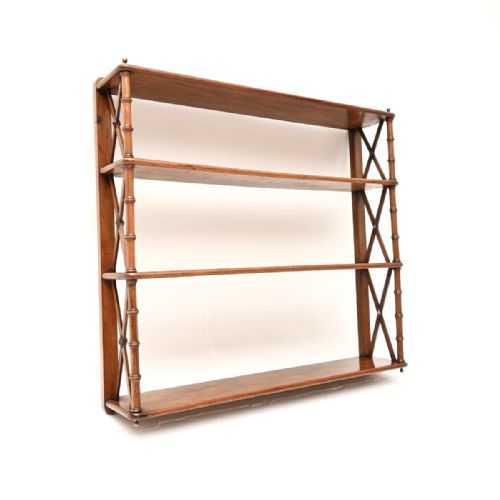
These georgian wall mounted shelf pieces bring period character directly to empty walls, offering practical display space without occupying floor room.

Georgian Wall Mounted Shelf
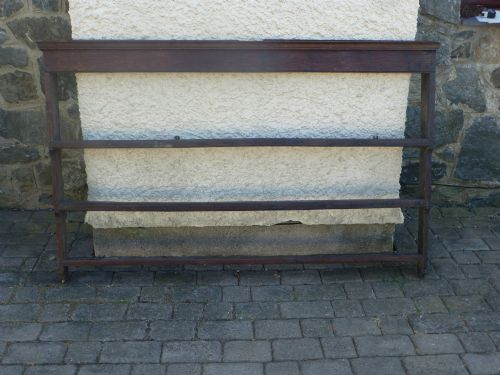
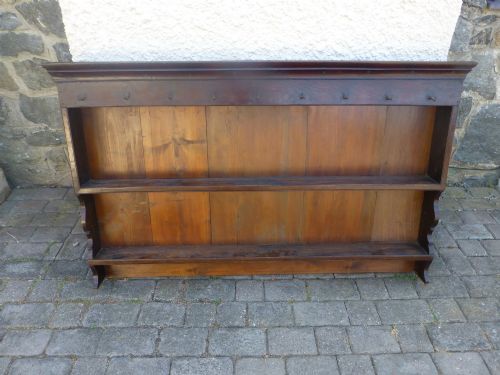
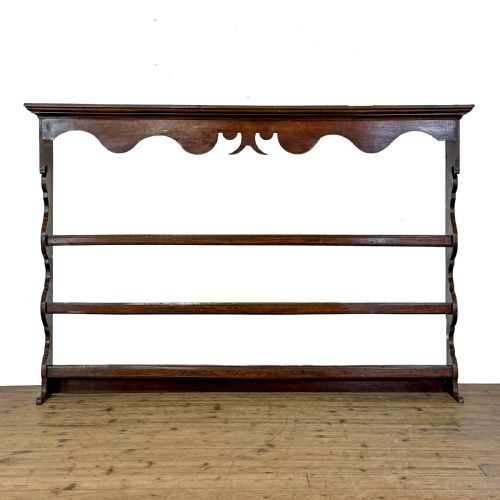
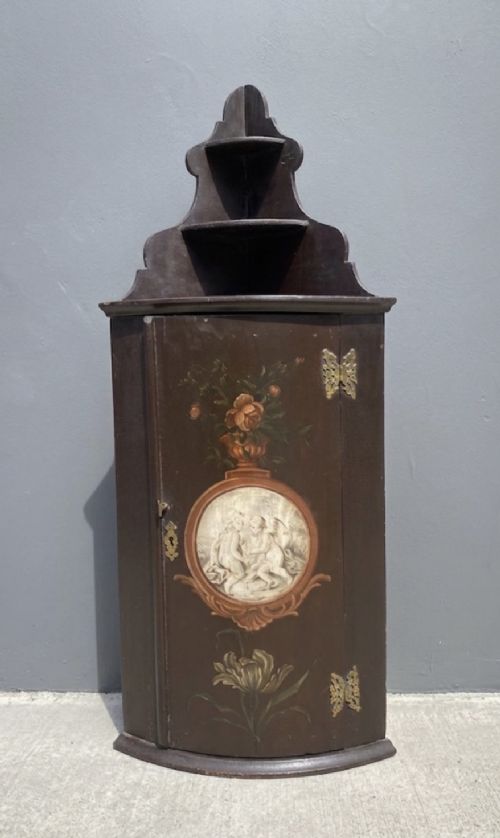
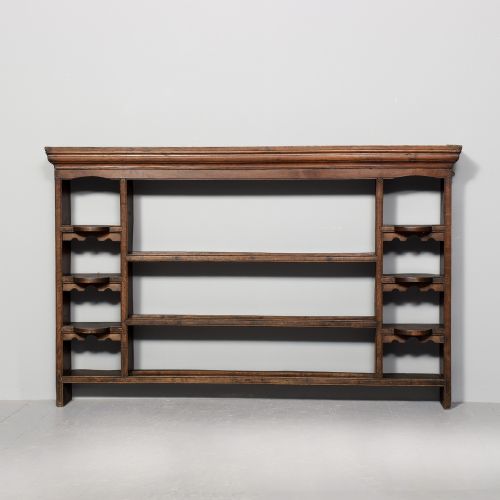
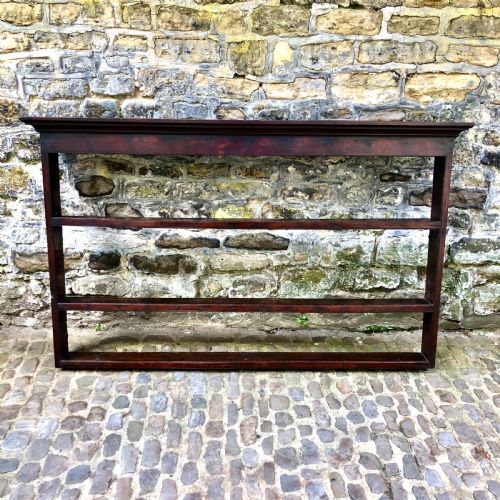
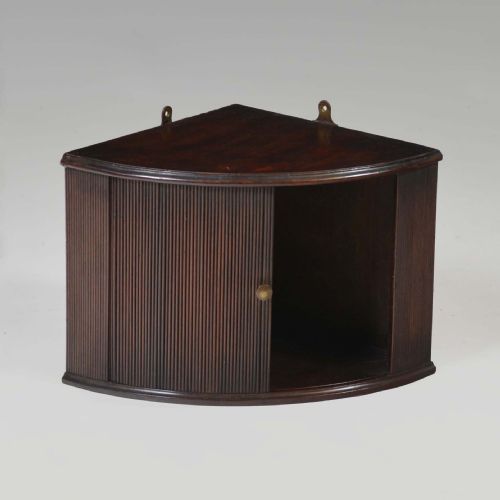
A georgian wall mounted shelf provides compact display and storage, keeping rooms orderly while displaying ceramics, books or small objects. Buyers searching for a georgian wall mounted shelf typically encounter hanging plate racks, corner cupboards and open timber shelves designed for domestic use.
The selection ranges from robust country oak plate racks to refined mahogany hanging shelves and tambour fronted corner cabinets. Most examples originate from the eighteenth century, featuring the practical forms required by period households for everyday storage.
Materials and construction
Cabinet makers utilised native and imported timbers, predominantly oak, mahogany, pine and walnut, alongside brass hardware and iron fixings. Surfaces often display original paint, polished wood grains or simple waxed finishes that highlight the natural material.
Joinery techniques relied on pegged joints, dovetails and rebated backboards to ensure stability when suspended on domestic walls. Architectural details such as Corinthian columns, tambour fronts and shaped brackets appear on finer iterations.
Georgian Wall Mounted Shelf Retail Price Guide 2026
Typical asking prices for georgian wall mounted shelf among the pieces listed under this phrase on Sellingantiques today, from the lower quarter to the upper quarter. They describe what is for sale here now, not the wider market.
Materials recorded across the selection include solid oak, mahogany, pine, walnut, iron hardware and brass fittings.
Qualities that distinguish examples
Construction fidelity separates everyday utility items from superior cabinet work, evident in the tightness of joints and the selection of timber figure. Finer pieces incorporate thoughtful proportions, decorative mouldings and intact period brassware.
Surface preservation dictates visual appeal, where undisturbed patination and original painted or polished finishes retain historical integrity. Alterations to shelves, backboards or hanging points influence the overall character of each piece.
The Georgian Wall Mounted Shelf Glossary
- Plate rack
- A wall-mounted wooden frame featuring grooved shelves and vertical slats designed to hold plates upright securely.
- Hanging shelves
- Open or enclosed tiered shelving units constructed to be fixed directly to a wall.
- Tambour
- A flexible sliding shutter formed from narrow vertical strips of wood glued to a canvas backing, frequently seen on corner cupboards.
- Patina
- The surface sheen and colour developed on wood through age, handling and natural oxidation over many decades.
Georgian Wall Mounted Shelf: Frequently Asked Questions
How do I hang a heavy oak plate rack safely?
Heavy timber racks require secure fixing into wall studs or solid masonry using appropriate brackets and screws. Distributing the weight evenly across multiple mounting points ensures the structure remains stable.
Professional installation is recommended for large eighteenth-century pieces to prevent strain on the original historic framework and backboards.
Can these shelves support heavy ceramic plates?
Period plate racks and wall shelves were originally built to hold heavy earthenware, delftware and pewter in active kitchens. Sturdy oak and mahogany examples handle daily plate display with ease.
Checking the depth of the retaining grooves and the condition of the shelf fixings ensures safe usage for heavier collections.
How do I clean and maintain old mahogany?
Maintenance involves dusting with a dry, soft cloth and applying traditional beeswax sparingly to nourish the timber grain. Avoid modern liquid polishes that contain silicone and moisture.
Keep wooden hanging shelves away from direct heat sources and strong sunlight to prevent the timber from warping or splitting.
What distinguishes oak from mahogany wall pieces?
Oak pieces generally reflect robust English country furniture traditions, displaying prominent grain patterns and simpler, functional forms. Mahogany versions often align with more formal urban interiors, featuring refined details and smoother surfaces.
Both timbers provide distinct aesthetic qualities suited to different interior styles and regional craft traditions.