




Traditional Hanging Display Shelf
These traditional hanging display shelf examples are sturdy wall-mounted pieces designed to showcase ceramics and books, offering timeless utility for the home.

Traditional Hanging Display Shelf
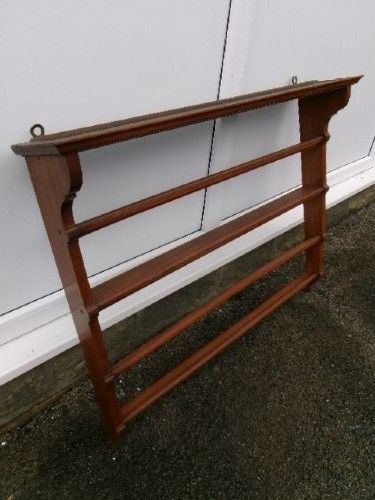
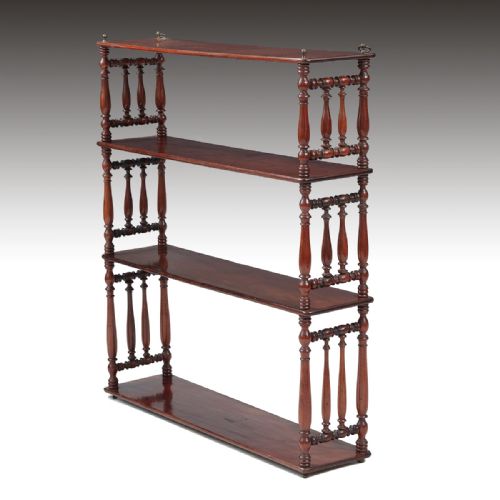
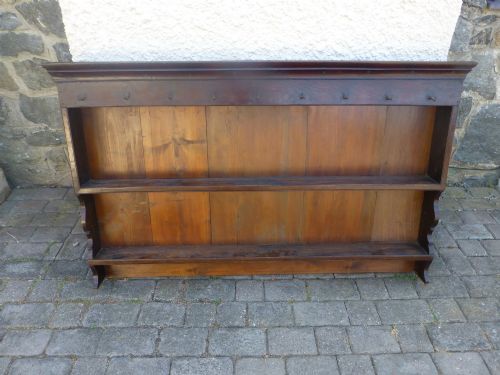
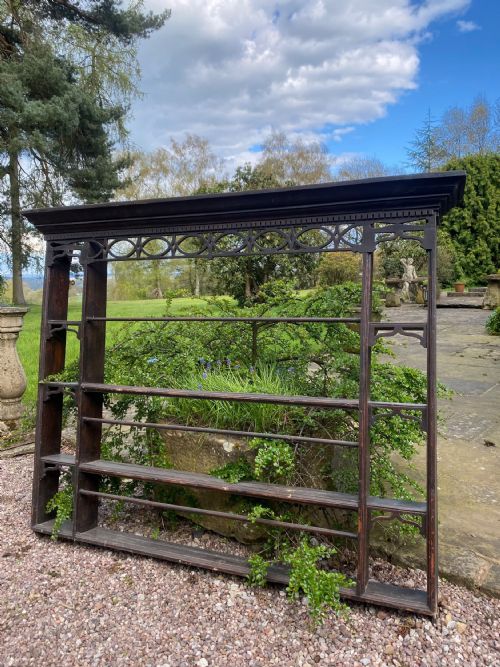
A traditional hanging display shelf encompasses wall-mounted shelving units, plate racks, and hanging racks designed to display ceramics and books in domestic interiors. These pieces date across the eighteenth and nineteenth centuries, spanning Georgian, Regency, Edwardian, and Dutch Traditional styles.
Buyers frequently encounter oak and mahogany examples on this page, reflecting English country and country house aesthetics. The forms range from simple boarded wall shelves to elaborate marquetry delft racks and early dresser racks intended for kitchen or parlour use.
How they were made
Carpenters constructed these traditional hanging display shelf items using solid timbers such as oak, mahogany, walnut, and cherry wood. Boards were joined to form open tiers, frequently incorporating plate grooves or spindle galleries to secure ceramics safely against the wall.
Surface enrichment often included marquetry inlay or dark staining on oak and mahogany surfaces. Structural reinforcement relied upon brass or iron fixings and hanging brackets designed to bear the weight of heavy tableware.
Traditional Hanging Display Shelf Retail Price Guide 2026
Typical asking prices for traditional hanging display shelf among the pieces listed under this phrase on Sellingantiques today, from the lower quarter to the upper quarter. They describe what is for sale here now, not the wider market.
Some seventeenth and eighteenth-century rural homes had plates stored on wall racks so close to the hearth that the pewter caught the firelight.
What varies in quality
Quality in a traditional hanging display shelf rests on the choice of timber and the sophistication of its joinery. Finer specimens display carefully selected mahogany or figured oak, while simpler utility versions utilise plain secondary woods.
The presence of decorative marquetry inlay, shaped fretwork sides, and original brass hanging loops elevates a piece above standard utilitarian joinery. The crispness of the moulding profiles distinguishes standard regional work from high-style Georgian or Regency execution.
The Traditional Hanging Display Shelf Glossary
- Delft rack
- A wall-mounted wooden shelving unit specifically designed for displaying tin-glazed earthenware plates and platters. These typically feature narrow wooden ledges and protective front rails.
- Marquetry
- Decorative veneer work forming intricate patterns using various woods applied to the surface of a furniture piece. This technique appears on select nineteenth-century examples.
- Plate groove
- A shallow channel rebated into the horizontal timber surface of a shelf to hold dinner plates at an upright angle. This prevents crockery from sliding forward.
- Fretwork
- Openwork pattern cutting executed in thin wood boards, often seen along the sides or friezes of hanging shelves. It provides ornamental lightness to heavier timber structures.
Traditional Hanging Display Shelf: Frequently Asked Questions
How do I hang a heavy wooden shelf safely?
These wall-mounted units require secure fixing directly into masonry or through timber wall studs using appropriate wall anchors. The mounting brackets or screw holes must bear the full combined weight of the timber and the displayed objects.
Professional installation is recommended for older hardwood pieces, particularly heavier oak and mahogany variations that carry dense plate collections. Ensure the hanging loops or batten supports are structurally sound before loading.
What is the difference between a plate rack and wall shelves?
A plate rack incorporates specific functional elements such as narrow grooves and front rails designed to hold plates upright without slipping. Standard wall shelves provide flat horizontal surfaces intended for books or general decorative objects.
Eighteenth-century examples often combine both functions, featuring upper display tiers alongside lower plate-securing ledges. Both forms were designed to hang securely from wall fixings in domestic spaces.
Which woods are most common in these shelves?
Oak and mahogany appear most frequently across Georgian, Regency, and Edwardian examples. Oak is typical of eighteenth-century country pieces, while mahogany dominates refined Georgian and Regency specimens.
Alternative timbers include walnut, cherry wood, and stained pine or general wood variants. Each timber reflects the regional availability and stylistic preferences of its specific period.
How should I clean and maintain older wood shelves?
Maintenance requires regular dusting with a dry, soft cloth to prevent particulate accumulation on horizontal surfaces. Avoid commercial liquid polishes that leave silicone residues on historic wood finishes.
Application of traditional beeswax paste helps preserve dry timber surfaces without harming the patina. Keep these shelves away from direct heat sources and strong sunlight to prevent warping and timber splitting.