

Georgian Wall Glass
Georgian wall glass comprises the polished mirrors, barometers and framed prints that reflect eighteenth and nineteenth century interiors.
Georgian Wall Glass
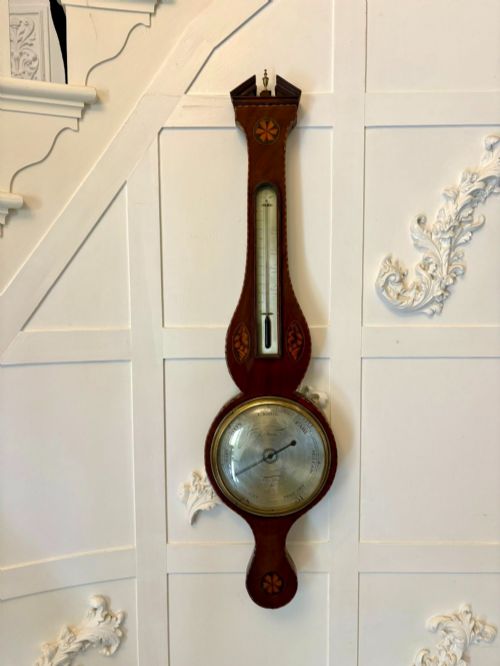
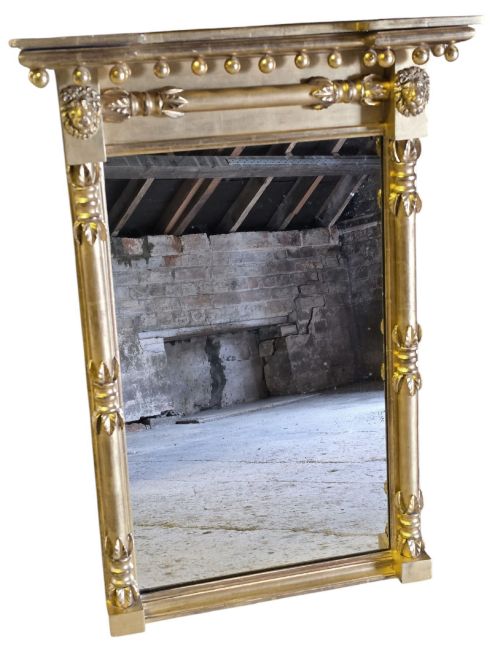
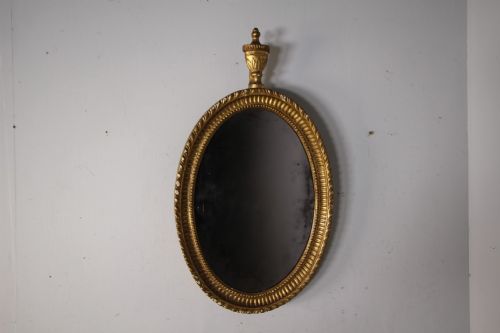
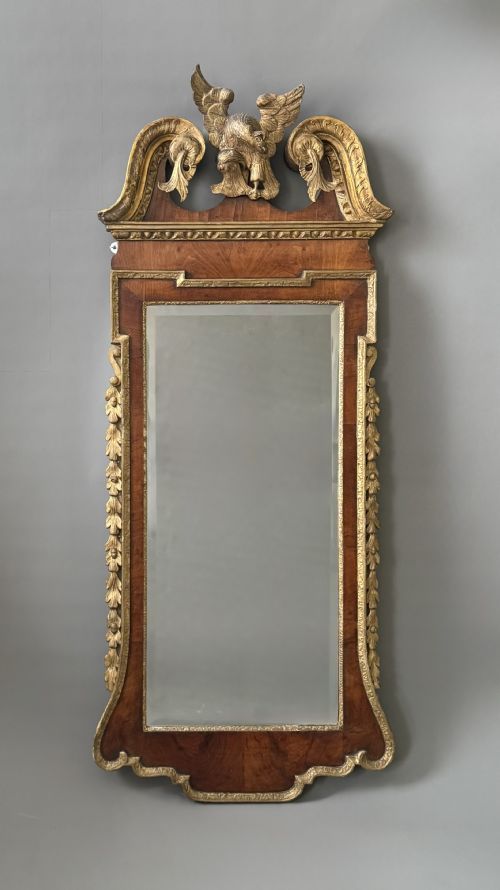
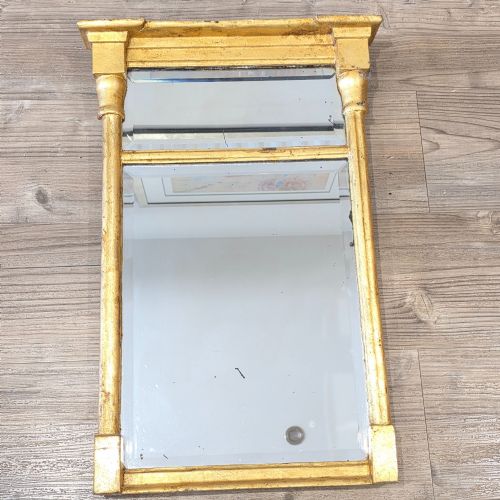
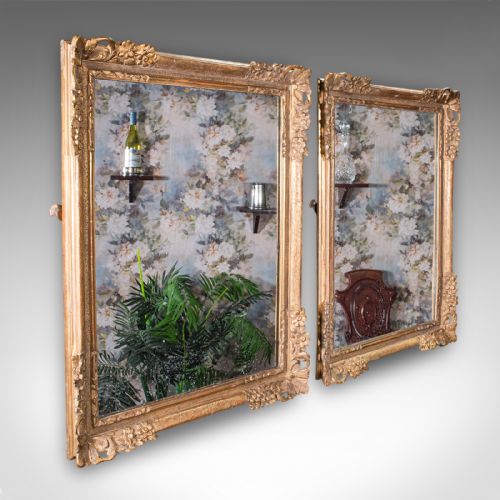
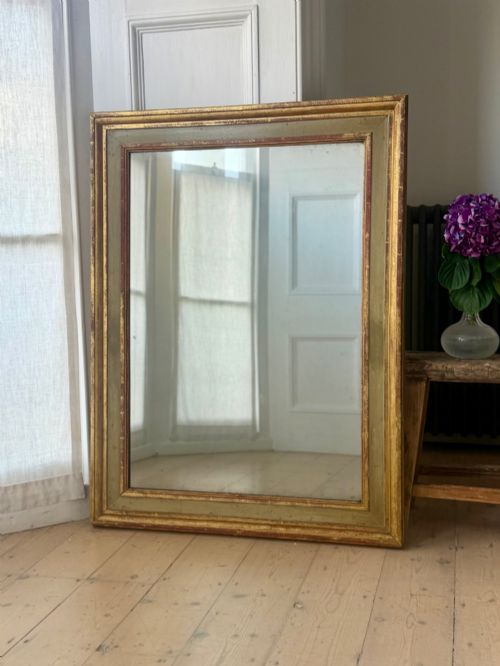
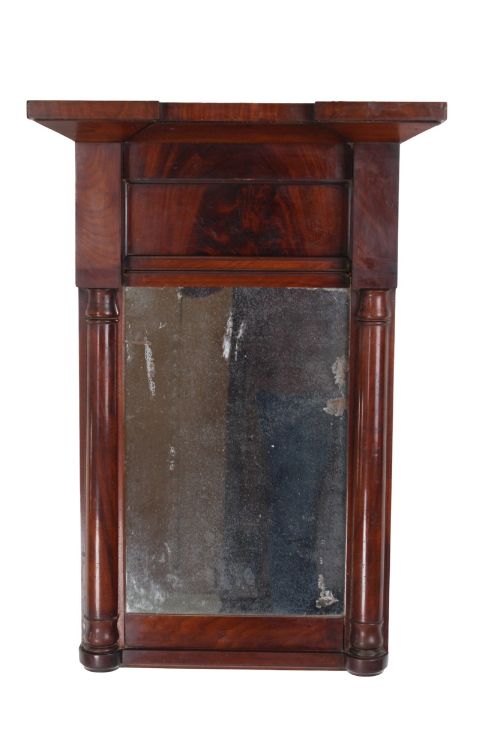
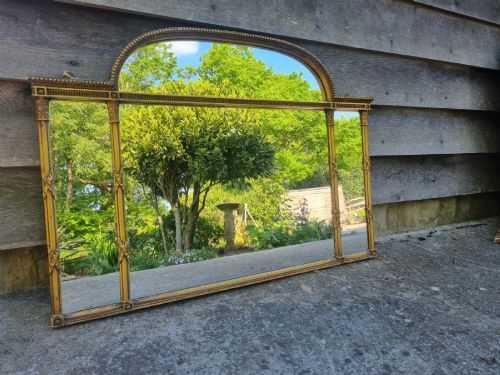
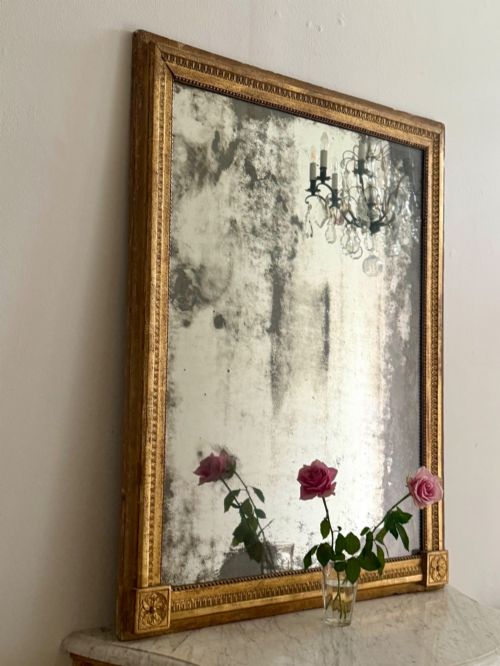
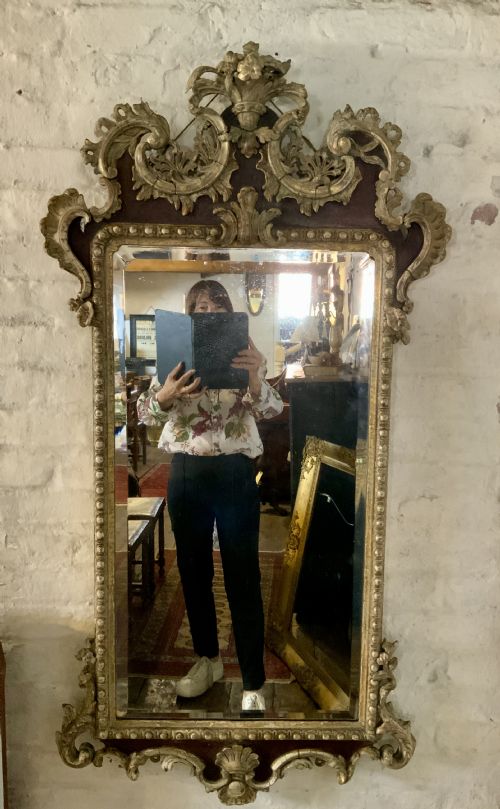
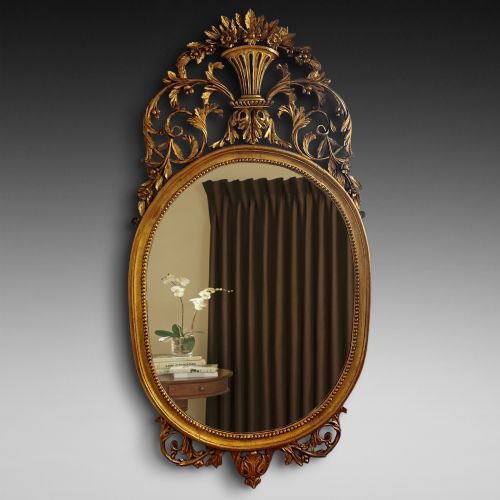
When you search for georgian wall glass, you encounter pieces designed to capture and scatter daylight across period rooms. The selection on this page centres on wall mirrors, overmantel glasses, and wheel barometers housed in timber frames.
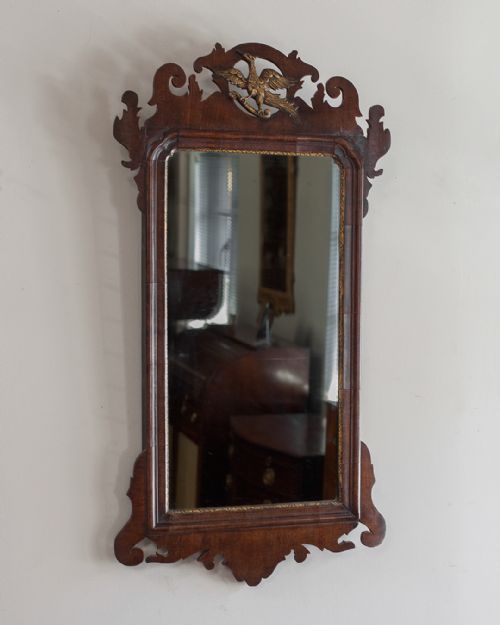
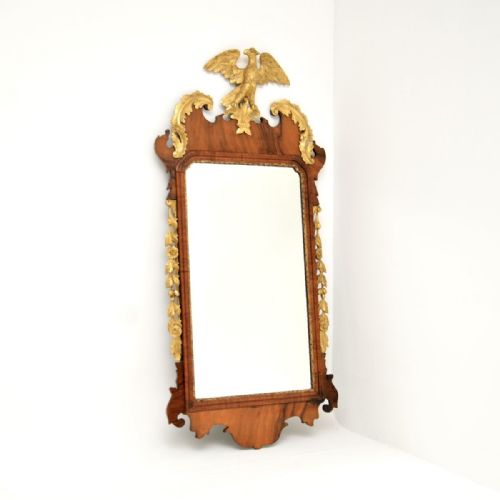
Mahogany fretwork frames and giltwood pier glasses dominate the selection, spanning the eighteenth century, the Regency period, and later revivals. Surviving examples range from small walnut dressing plates to large overmantel glasses intended for chimney breasts.
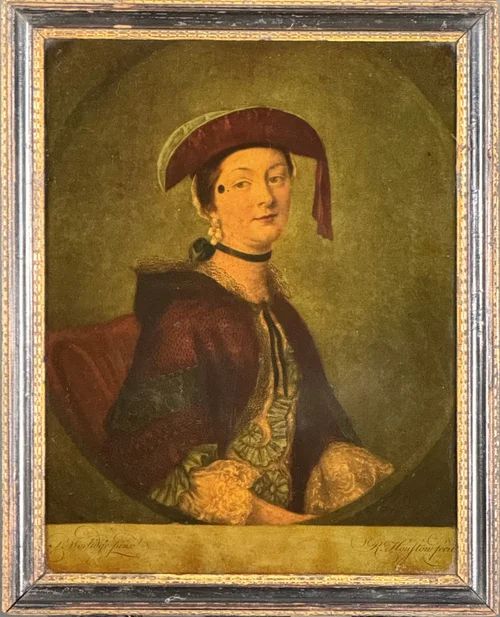
Beyond reflective plates, the grouping includes reverse glass mezzotints and corner cabinets, uniting functional wall furniture with decorative optics from the Georgian era.
How they were made
Cabinetmakers utilised native and imported hardwoods like mahogany, walnut, and rosewood, often shaping them with fretsaw work or applying carved gesso details beneath gold leaf. Timber frames were constructed with pegged tenon joints to support heavy glass plates.
Mirror plates of this era were frequently silvered using mercury techniques or cast as convex round glass, producing characteristic oxidation and distortion known as foxing over time. Reverse painting and verre eglomise panels were applied directly to glass surfaces for decorative borders.
What varies in quality
The distinction between ordinary and exceptional wall glass rests on the crispness of the carved ornament, whether in gilded gesso or fret-sawn mahogany. Hand-carved details retain sharp undercuts and deliberate profiles, whereas machine-cut or later copies appear flat and uniform.
Originality of components dictates value; plates that retain their mercury glass, original wood backs, and untouched gilding surpass pieces with modern replacements. Proportions also govern worth, as plates possessing balanced dimensions and harmonious sight lines command greater visual authority.
Gillows Of Lancaster·William Kent
The Georgian Wall Glass Glossary
- Pier glass
- A tall mirror designed to hang on the wall space between windows. These tall plates maximised available light in dimly lit Georgian rooms.
- Gesso
- A plaster-like mixture applied to timber frames to build up relief ornament before gilding. Artisans carved intricate scrolls and floral motifs directly into this dried surface.
- Verre eglomise
- A cold decoration technique where designs are painted and gilded on the reverse side of glass panels. It frequently appears on Regency pier glasses as a decorative frieze above the mirror plate.
- Foxing
- Small dark spots and cloudy patches that develop within older mirror plates as the backing oxidises. This ageing process proves authenticity in antique glass.
- Fretwork
- Thin wood panels pierced with decorative scroll patterns using a fretsaw. It defines the characteristic silhouette of Chippendale style mahogany wall mirrors.
Georgian Wall Glass: Frequently Asked Questions
How do I identify original Georgian mirror glass?
Original glass plates often display subtle distortions, wavy reflections, and varying degrees of foxing where the backing has aged. Modern replacements appear flat, uniform, and completely clear.
Inspect the edges of the glass where it meets the frame, as hand-beveled edges on older plates show slight irregularities absent in machine-cut modern counterparts.
Where should I hang a pier mirror?
Pier mirrors were originally scaled to fit the narrow wall space situated between two windows. Placing them in similar light-reflecting positions maximises ambient brightness in a room.
Ensure the wall construction supports the weight, particularly with large giltwood overmantels, by anchoring directly into studs or using appropriate masonry fixings.
What is the difference between George III and Regency styles?
George III pieces frequently feature elaborate mahogany fretwork, parcel-gilt details, and classical rococo or chinoiserie influences. The craftsmanship prioritises intricate timber manipulation and architectural pediments.
Regency design shifts toward bolder neoclassical forms, convex convex round plates, heavy giltwood frames, and decorative elements like verre eglomise panels.
How should I clean antique wall glass?
Dust frames gently with a soft, dry brush to protect fragile gesso and gold leaf from moisture damage. Avoid modern chemical sprays that seep behind the glass plate.
Clean the mirror surface sparingly using a microfibre cloth and a neutral cleaner applied to the cloth rather than directly onto the glass to prevent edge seepage.