


Georgian Urns on Pedestals
Georgian urns on pedestals are classical focal points crafted to elevate wine coolers, plant stands, and decorative vessels.
Georgian Urns on Pedestals
When you search for georgian urns on pedestals, you encounter formal architectural vessels paired with matching supports or stands. These items originate predominantly from the Georgian, Regency, and eighteenth or nineteenth centuries.
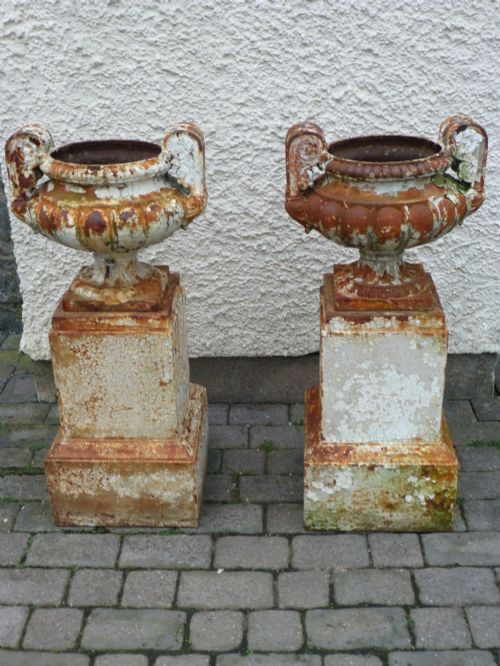
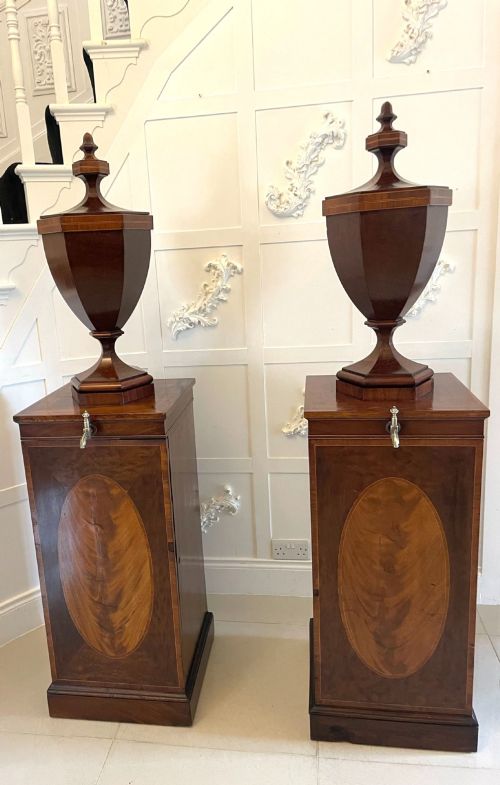
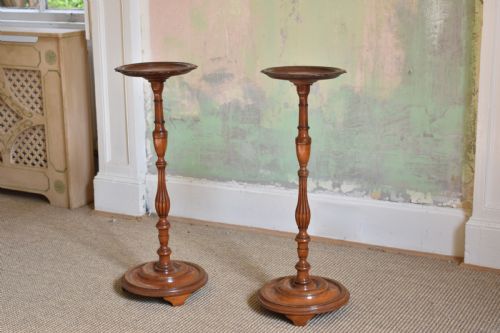
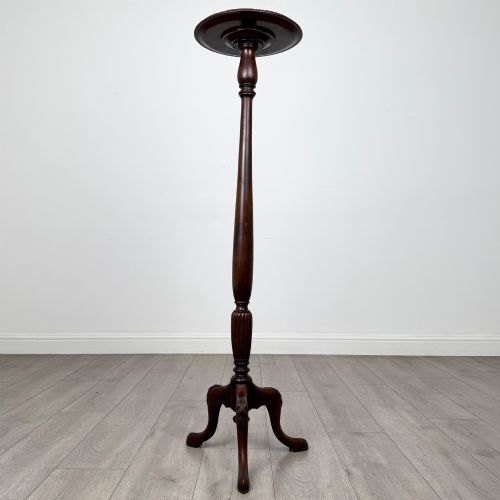
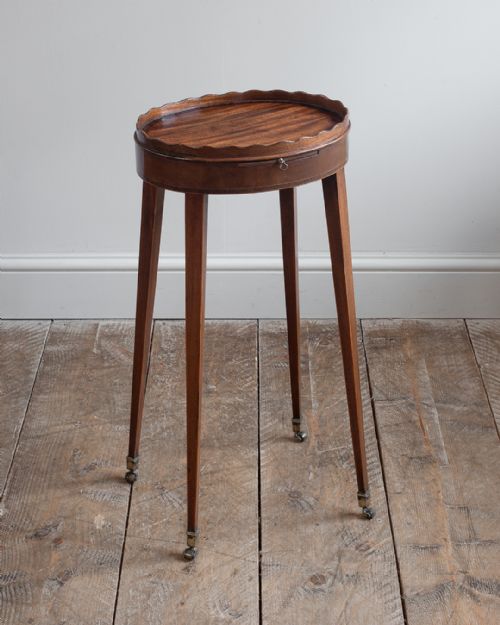
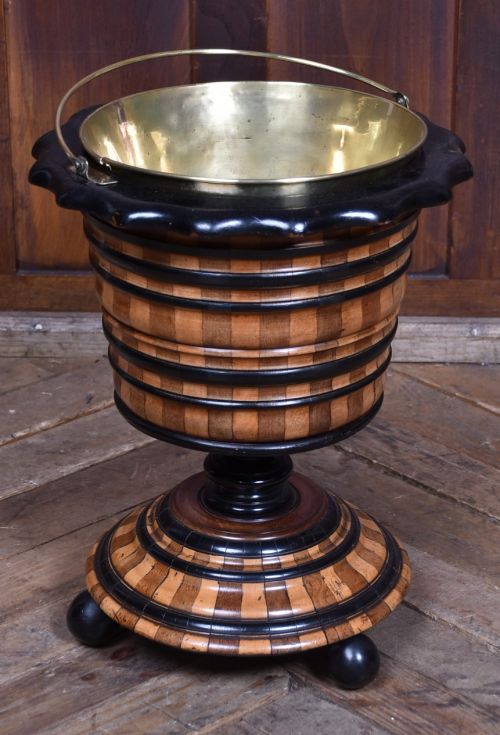
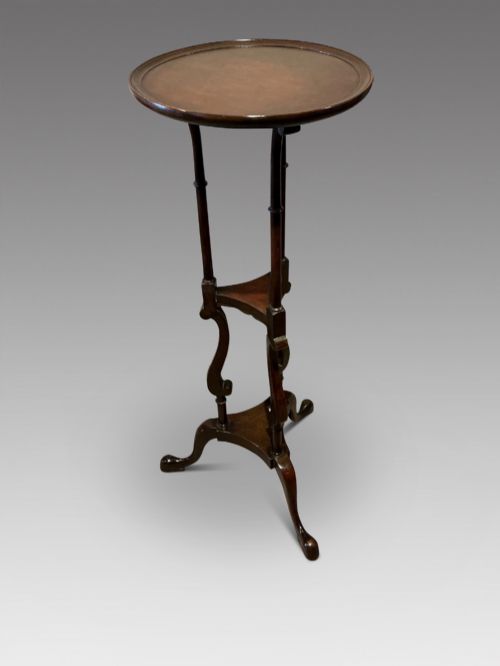
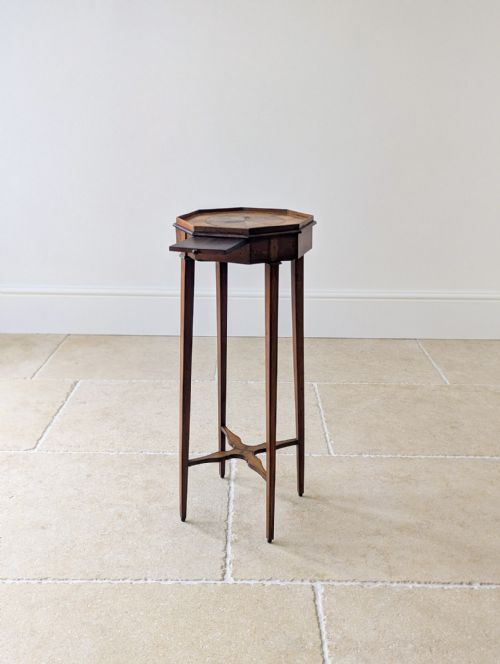
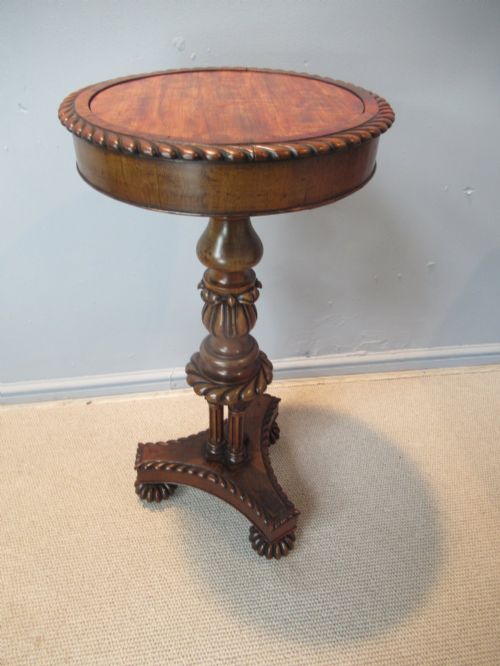
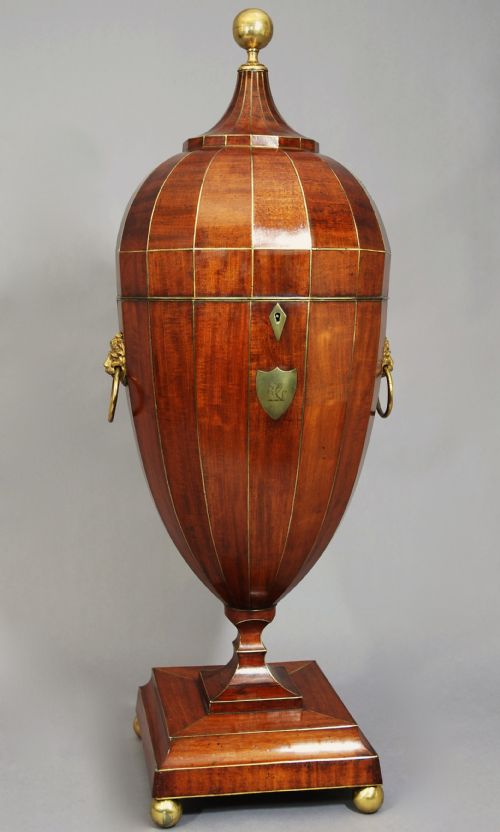
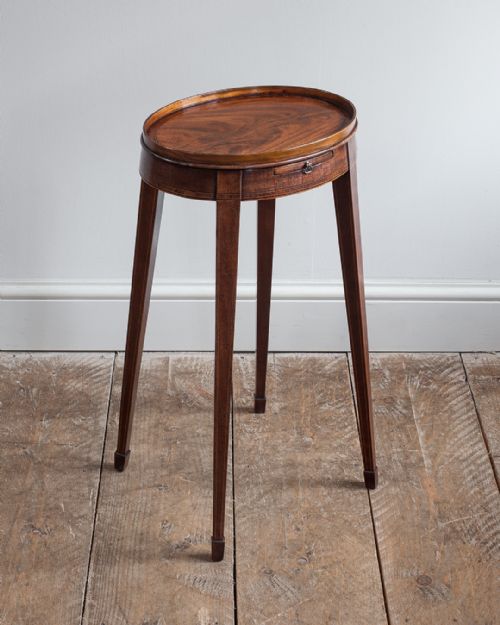
The selection on this page centres on mahogany and satinwood urn stands, wine coolers, garden urns in cast iron, and occasional torchere plant stands. Forms range from octagonal tea urn stands to tall pedestals and plinths designed for display.
Makers and craftsmen applied Neoclassical styling, drawing on classical antiquity to shape dining rooms, entrance halls, and formal gardens. Buyers find both indoor mahogany furniture and heavy cast iron garden vessels among the listings.
How they were made
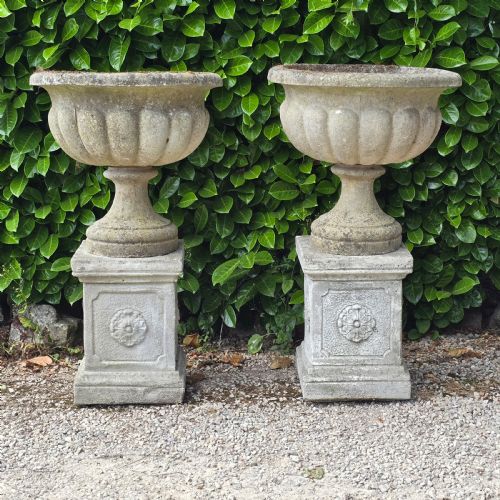
Cabinet makers utilised dense timbers such as mahogany and satinwood, often embellishing surfaces with delicate stringing and inlay. Metalworkers cast iron, bronze, and brass into campana-shaped vessels, utilising original plinths to anchor heavy garden urns.
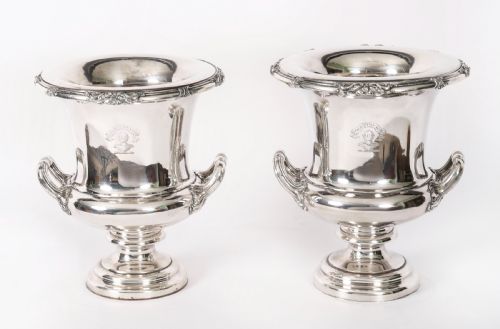
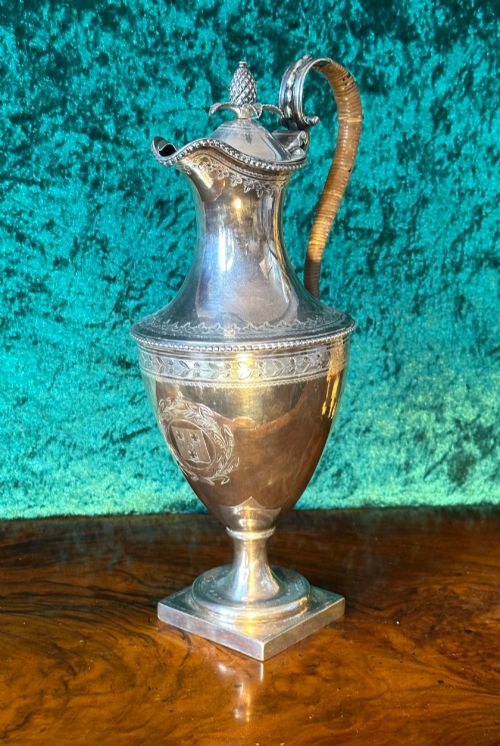
Silver plate and copper served for functional liquid vessels like tea urns, samovars, and wine coolers. Surface treatment relied on French polishing for timber and patination for metals exposed to weather.
Listings incorporate timber species including mahogany, satinwood, and yew wood alongside cast iron and silver plate.
What varies in quality
The hierarchy of quality rests on the crispness of carved detail, the retention of original surfaces, and the integrity of paired components. Pieces retaining their matching base pedestals command greater architectural presence than married pairs assembled later.
Timber selection dictates the distinction at the upper end, where finely figured mahogany and intricate satinwood inlay demonstrate superior workshop output. Metalwork quality shows in the weight of cast iron campana urns and the precision of bronze cassolettes.
Falkirk Carron foundry
The Georgian Urns on Pedestals Glossary
- Campana
- A bell-shaped garden urn or vessel derived from classical antiquity. This form appears frequently in cast iron and bronze across nineteenth-century listings.
- Torchere
- A tall, slender stand designed to support a light, plant, or decorative urn. These stands utilise mahogany, satinwood, or yew wood.
- Samovar
- A heated metal urn used to boil water, often produced in silver plate or copper during the Georgian and Regency eras.
- Cassolette
- A decorative vase or urn with a perforated lid, usable as a perfume burner or vessel. These items reflect classical Neoclassical design vocabulary.
- Inlay
- A technique where contrasting woods like satinwood are inserted into a mahogany surface to form geometric or floral patterns.
Georgian Urns on Pedestals: Frequently Asked Questions
What were georgian urns on pedestals used for?
These pieces served practical and decorative functions in formal Georgian interiors and dining spaces. Wine coolers and tea urns held chilled beverages or hot water for hospitality.
Other stands elevated plants, lighting, or cutlery urns to eye level, contributing to symmetrical Neoclassical room arrangements.
Are these urns suitable for outdoor gardens?
Cast iron and heavy metal urns on plinths were designed specifically to weather outdoor garden conditions. Their weight and durable materials withstand seasonal changes.
Timber pieces such as mahogany urn stands and torcheres must remain indoors to protect the polish and wood from moisture.
How do I identify a marriage of pieces?
A marriage occurs when an urn and its pedestal were manufactured separately and joined together later in their history. Inspect the timber grain, wear patterns, and mounting fixtures for consistency.
Matching colour, patina, and construction methods across both elements indicate an original pair made together in the period.