




Neoclassical Cast Iron Urns
Neoclassical cast iron urns bring classical form to gardens and hearths alike through robust metalwork.
Neoclassical Cast Iron Urns
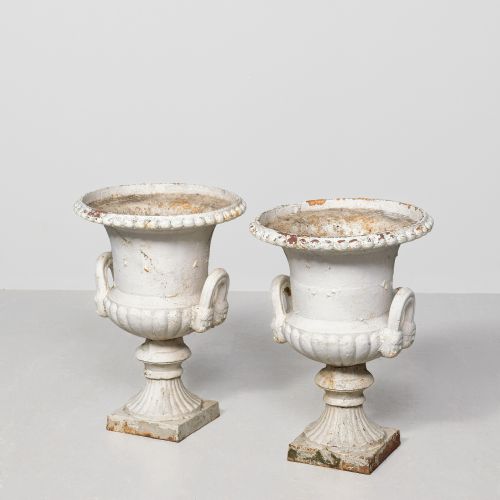
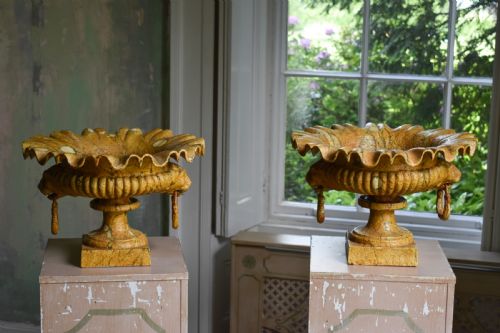
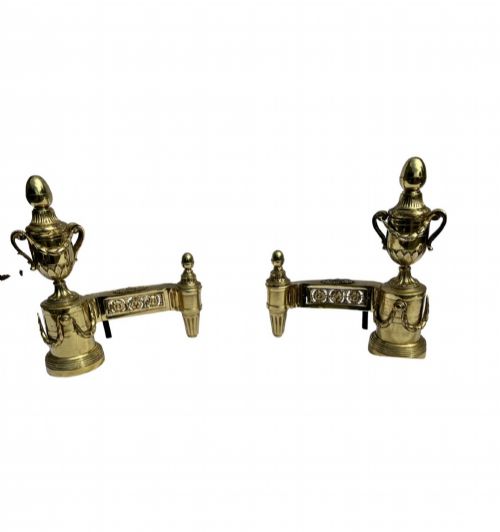
Neoclassical cast iron urns appear in various forms across this selection, spanning garden ornaments and hearth furniture. Buyers encounter garden planters and pedestal stands alongside fire baskets and grates.
The objects date from the Georgian, Regency, and Victorian periods, with examples stretching into the Edwardian era. Campana shapes and classical acanthus leaf details dominate the visual language of these pieces.
How they were made
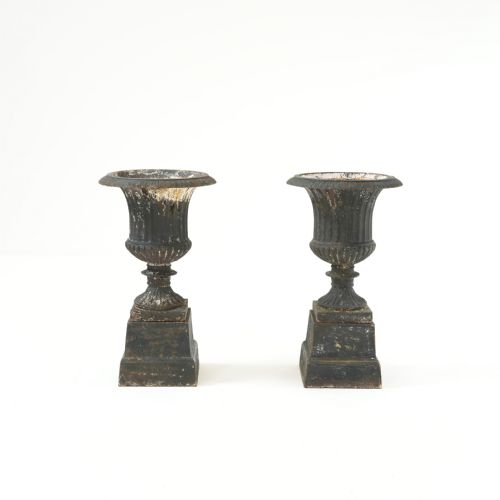
Foundries utilised cast iron as the primary medium, sometimes combining it with brass, firebrick, or polished steel components. Certain garden examples feature dedicated plinth bases for elevation and stability.
Surface finishes include applied paint alongside polished metal treatments, suiting both interior hearths and exposed outdoor settings.
Neoclassical Cast Iron Urns Retail Price Guide 2026
Typical asking prices for neoclassical cast iron urns among the pieces listed under this phrase on Sellingantiques today, from the lower quarter to the upper quarter. They describe what is for sale here now, not the wider market.
Several heavy iron urns spent a century freezing outdoors just to end up on your screen.
What varies in quality
The crispness of classical ornament separates standard production from finer work, particularly in leaf and scroll execution. Detail remains sharp on superior castings, whereas worn patterns indicate secondary moulds.
Material integration also dictates standard, where mixed media elements like brass fittings or polished steel demonstrate greater workshop ambition than plain iron alone.
The Neoclassical Cast Iron Urns Glossary
- Campana
- A bell-shaped vessel with a flared rim and footed base. This classic silhouette appears frequently among garden urns.
- Acanthus
- A classical leaf ornament carved or cast in relief. It forms the basis of much neoclassical scrollwork on pedestals and urn bodies.
- Plinth base
- A solid block or pedestal supporting an urn. It provides height and architectural presence to the composition.
- Fire basket
- An iron grate designed to hold solid fuel within a fireplace. These often incorporate neoclassical decorative motifs.
Neoclassical Cast Iron Urns: Frequently Asked Questions
Where do these urns sit best?
Garden urns require stable ground outdoors, often placed upon pedestals or directly on lawn edges and terraces. Interior fireplace accessories sit within hearth openings as functional grates or decorative fire dogs.
Matching pairs suit symmetrical placements by doorways or garden pathways. Single pieces work well as focal points in smaller planting schemes.
How do I care for cast iron?
Cast iron exposed to weather develops natural oxidation over time, which many collectors accept as patination. Painted surfaces require periodic touching up to prevent rust spread.
Interior polished steel and brass components need dry conditions and occasional cleaning to maintain their finish. Avoid abrasive materials that damage historical surfaces.
Are these pieces strictly for gardens?
The selection includes both garden planters and interior fireplace furnishings such as grates and fire baskets. Neoclassical styling unites these diverse indoor and outdoor applications.
Buyers select items based on whether the form is intended for botanical display or hearth use. Both categories share heavy iron construction.
How are Victorian pieces identified?
Victorian examples often display heavy ornamentation, including pronounced acanthus leaves and formal plinth stands. The era spans the middle to late nineteenth century.
Proportions tend to be robust, reflecting industrial casting capabilities of the period. Stylistic crossover with Georgian and Regency designs remains common.