



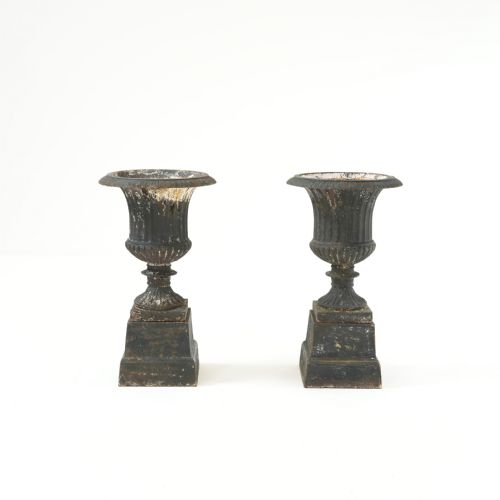


Georgian Garden Planters
Georgian garden planters bring classical proportion and enduring materials to an outdoor space, offering solid lead, cast iron and carved stone forms for planting.
Georgian Garden Planters
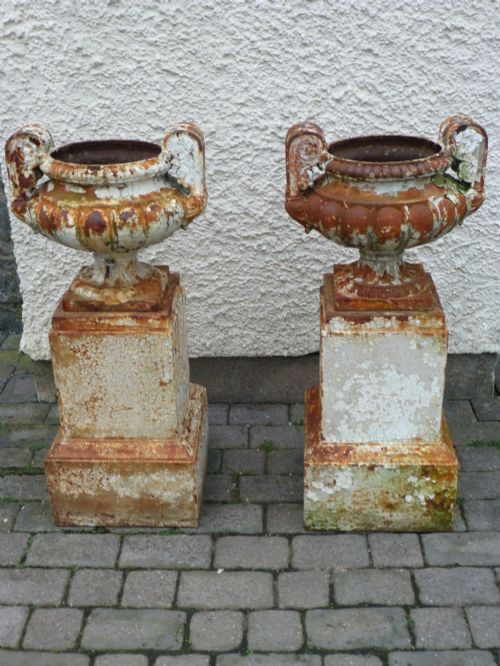
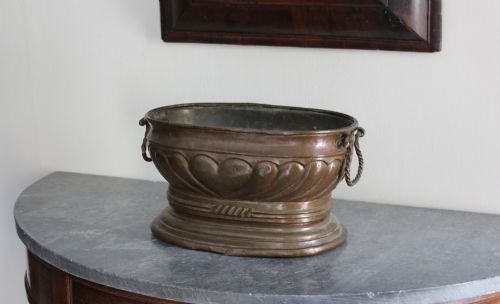
When you search for georgian garden planters, you encounter a selection of sturdy vessels designed for outdoor display, drawing from eighteenth century and regency styles. These pieces range from substantial lead urns and campana shapes to stone troughs, cisterns and rustic well buckets adapted for planting.
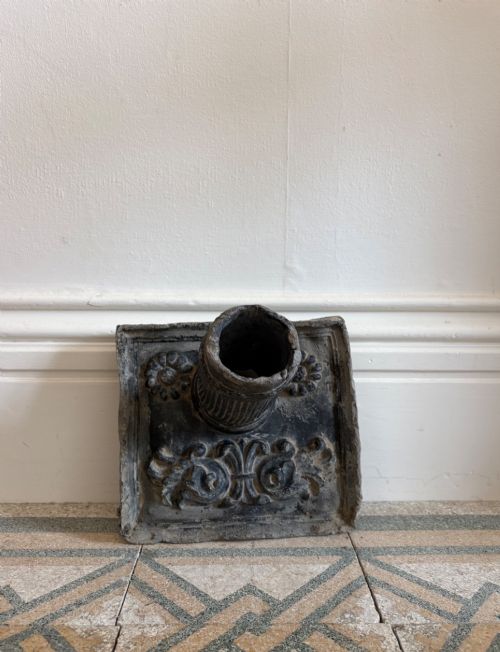
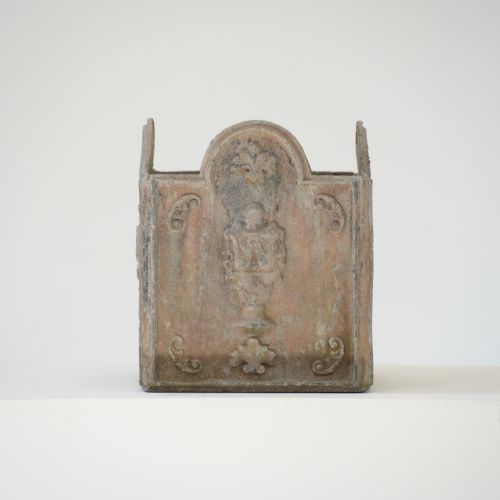
The objects listed on this page span several periods, including authentic eighteenth century pieces alongside later regency examples and subsequent revivals. Forms vary from classical garden urns on plinths to architectural salvage and carved stone baskets, reflecting both formal estate tastes and country vernacular traditions.
How they were made
The construction relies heavily on durable metals and masonry, utilising cast iron, wrought iron, lead, sandstone, limestone and carved marble. Metal vessels involve founding and casting techniques, producing crisp relief decoration on campana urns and cistern panels.
Stone pieces are shaped through hand carving, visible in the detailed texture of carved stone baskets, mortar vessels and heavy rectangular troughs. Wood and wirework appear in plant stands and well buckets, combining structural framing with functional metal banding.
Georgian Garden Planters Retail Price Guide 2026
Typical asking prices for georgian garden planters among the pieces listed under this phrase on Sellingantiques today, from the lower quarter to the upper quarter. They describe what is for sale here now, not the wider market.
The listings combine heavy metals like lead and cast iron with natural sandstone and limestone.
What varies in quality
Quality rests in the crispness of the original moulding and the depth of hand-carved detail on stone and metal surfaces. Pieces showing sharper architectural definition and well-balanced proportions demonstrate superior craftsmanship compared to simpler utilitarian items.
The character of the material surface influences the overall standing of a piece, with natural weathering enhancing lead patination and stone texture. Original matching pairs and surviving plinths elevate a garden vessel above isolated components or later reproductions.
Falkirk Carron foundry
The Georgian Garden Planters Glossary
- Campana urn
- A bell-shaped garden vessel with an everted rim, widely produced in cast iron and stone during the regency period.
- Architectural salvage
- Building elements and ornamental fixtures rescued from older structures, including lead cistern panels and stone troughs.
- Cistern
- A large open container originally used for holding water, often adapted as a substantial garden planter.
- Wirework
- Open framework made from bent metal wire, utilised in plant stands to support pots and containers.
Georgian Garden Planters: Frequently Asked Questions
What plants suit these planters?
Hardy perennials, box balls and small shrubs complement the classic proportions of these heavy stone and metal vessels. Their depth allows root systems to establish safely outdoors throughout changing seasons.
Trailing plants also soften the rigid architectural lines of campana urns and rectangular troughs over time.
Are these planters frost proof?
Cast iron, lead and dense carved stone generally withstand cold winter temperatures when positioned on stable ground. Adequate drainage prevents trapped moisture from expanding and cracking the material.
Checking that drainage holes remain clear protects both the vessel and the root system during freezing weather.
How heavy are stone vessels?
Carved stone troughs and cast iron urns possess substantial weight, requiring careful planning for placement in a garden or on a terrace. This mass keeps them stable in exposed outdoor locations without additional fixing.
Lifting machinery or multiple handlers are often necessary to position large lead cisterns and stone pieces safely.
How do I date an urn?
Stylistic clues such as neo-classical relief motifs, rim profiles and manufacturing marks point towards specific periods like the eighteenth century or regency era. Material composition, such as early sand-cast lead or hand-cut stone, also indicates age.
Comparing surface patination and tool marks helps differentiate original period items from later revivals.