



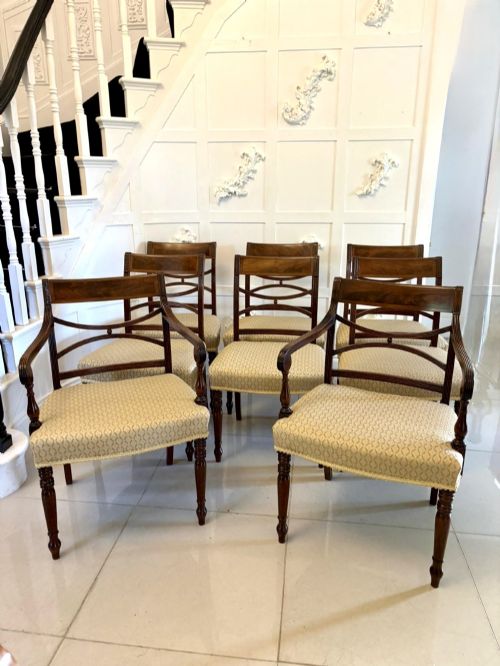
Georgian Turned Leg Chairs
Georgian turned leg chairs are sturdy wooden seating options defined by lathe-worked supports, offering enduring utility for dining rooms and studies.
Georgian Turned Leg Chairs
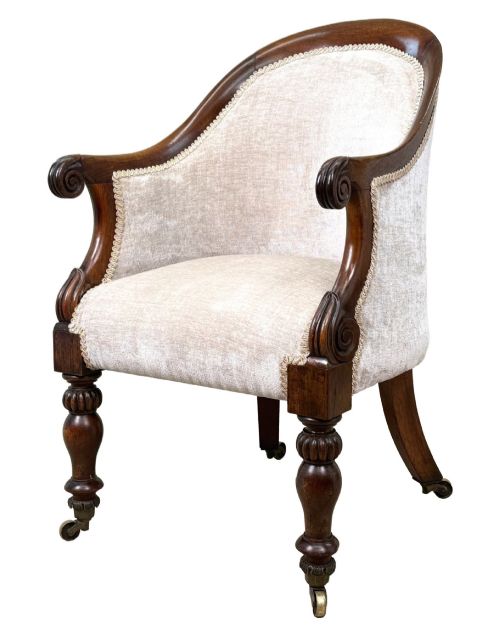
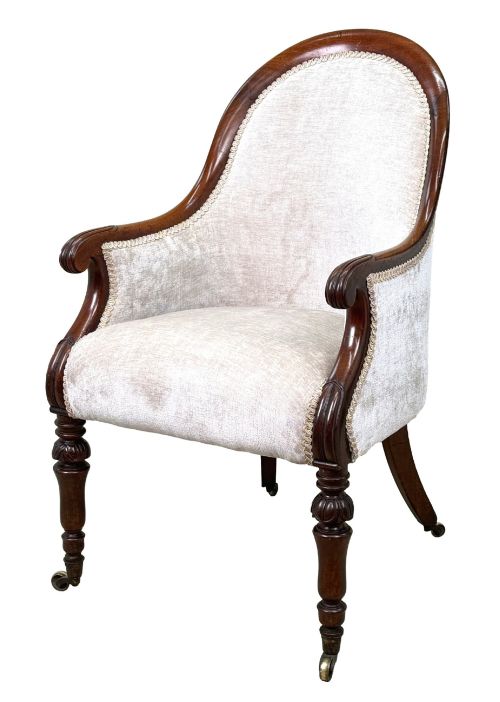
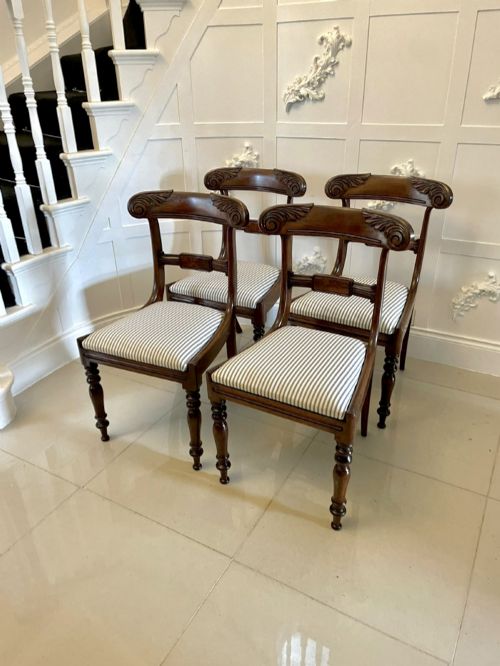
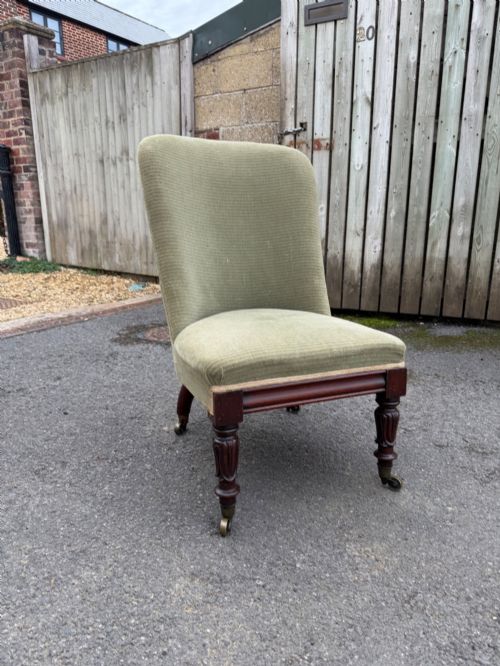
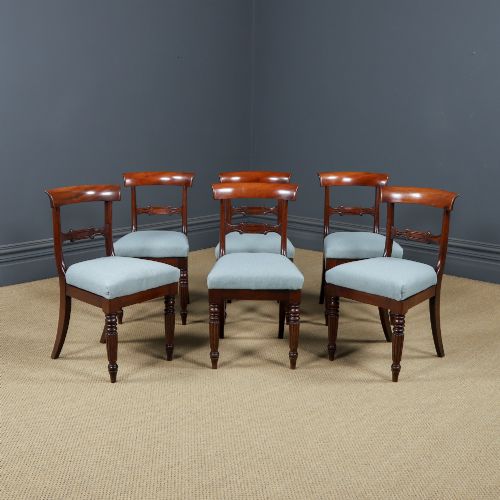
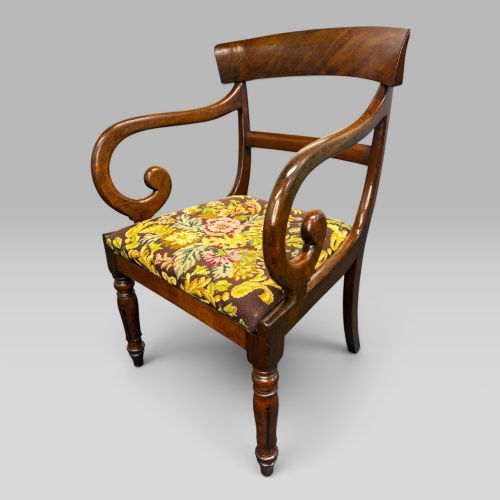
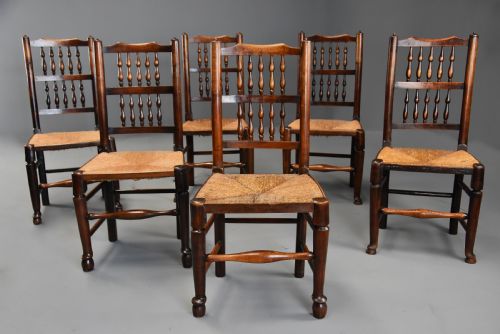
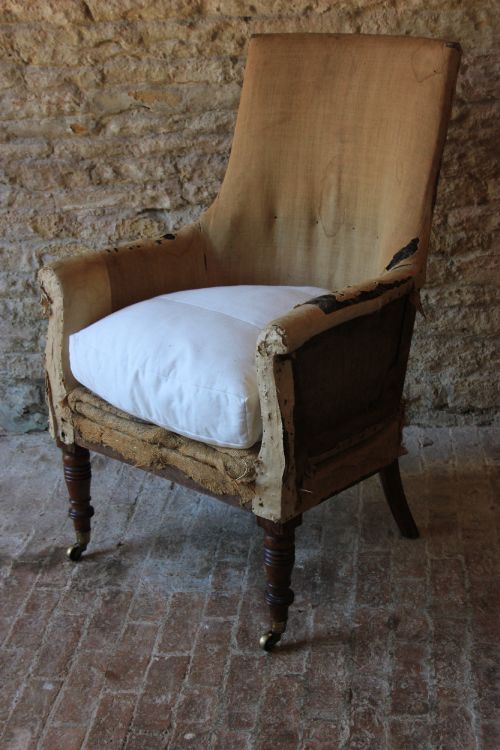
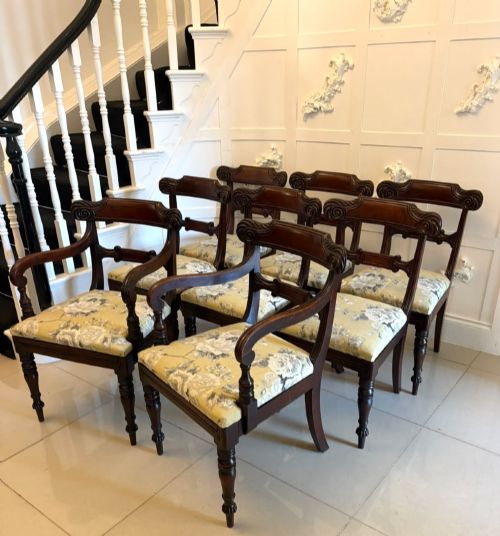
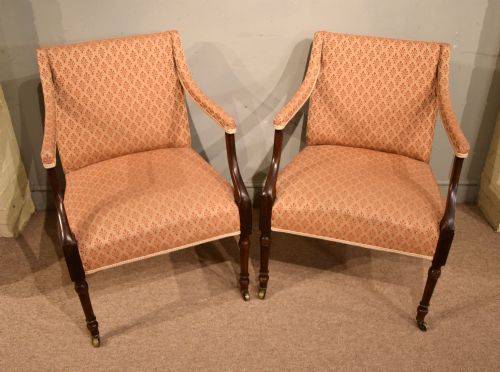
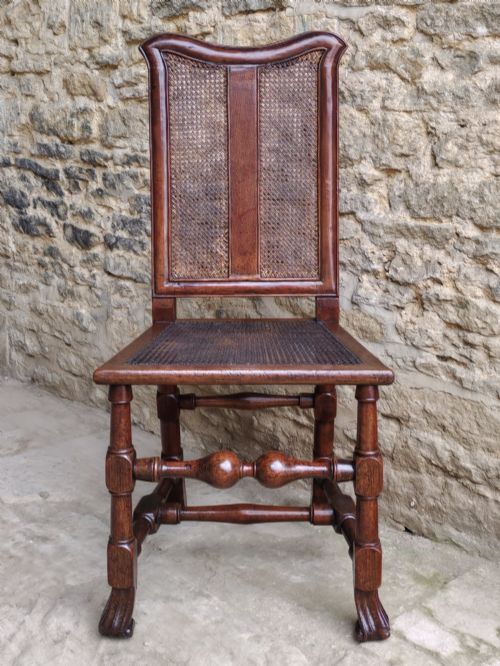
When you search for georgian turned leg chairs, you encounter a variety of forms including dining chairs, armchairs, side chairs, and carvers originating from the eighteenth and nineteenth centuries. The selection spans formal mahogany dining sets alongside regional vernacular pieces made in country workshops.
The styles range across the Georgian period, Regency, William IV, and Victorian eras, reflecting shifting domestic tastes in Britain. Dining chairs appear frequently in sets, while individual armchairs and side chairs demonstrate distinct local building traditions.
What varies in quality
The distinction between ordinary and superior examples rests upon the selection of timber, the crispness of the turning, and the integrity of the original construction. Dense grain in mahogany or well-figured yew wood elevates the character of a piece.
Proportion and detail dictate the standing of a chair, from finely carved scrolls and precise stretcher placement to the retention of a deep, aged patina on country timbers.
The inventory records various regional and formal styles, spanning English country vernacular pieces alongside Regency and William IV cabinet work.
The Georgian Turned Leg Chairs Glossary
- Carver chair
- An armchair designed with elbow rests, often accompanying a set of matching dining chairs for the head of the table.
- Windsor chair
- A wooden seating form featuring a solid saddle-seat into which the legs and back spindles are wedged directly.
- Crinoline stretcher
- A curved metal or wooden brace connecting the legs of a chair below the seat to provide additional rigidity.
- Bobbin turned
- A style of leg or stretcher shaped on a lathe to resemble a series of rounded wooden beads or spools.
- Patina
- The surface sheen and colour developed by wood over decades of handling, polishing, and exposure to light.
Georgian Turned Leg Chairs: Frequently Asked Questions
What is a carver chair?
A carver chair is an armchair built with armrests that matches a set of dining chairs. These were traditionally placed at the head and foot of a dining table.
They share the same leg turning and timber as the smaller side chairs in the set but offer wider proportions and elbow supports.
How do I identify a Windsor chair?
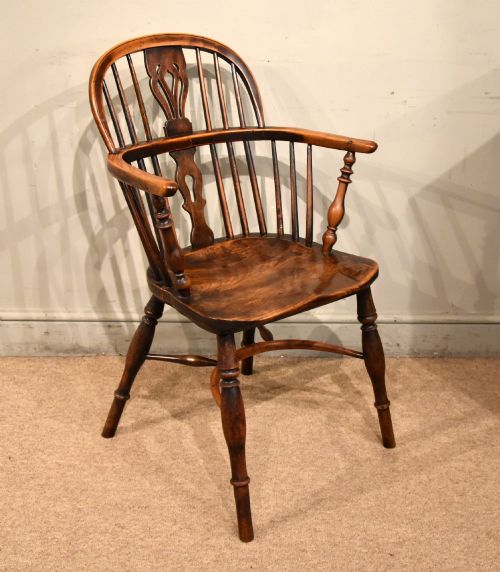
Windsor chairs are built around a thick wooden seat base rather than a framed chassis. The legs and back spindles insert directly into bored holes in the seat.
They often incorporate bentwood hoops, comb backs, and turned stretchers characteristic of English country workshops.
What woods were used for these chairs?
Makers utilised both imported hardwoods and native British timbers depending on the workshop style. Formal dining furniture typically employed mahogany or rosewood.
Country pieces relied on sturdy local woods such as ash, elm, beech, yew, and oak, frequently mixing them within the same chair frame.
Are these chairs suitable for daily dining?
Most of these chairs were designed precisely for domestic dining and domestic use. Their sturdy mortise and tenon construction makes them durable for modern seating.
Upholstered drop-in seats or fabric pads can be maintained or recovered easily while preserving the antique wooden frame beneath.
What is a crinoline stretcher?
A crinoline stretcher is a continuous bowed or curved wooden brace that links the legs of a chair beneath the seat. This reinforcement prevents the legs from wobbling outward under heavy use.
It is commonly found on certain regional Windsor and country armchairs from the eighteenth and nineteenth centuries.