
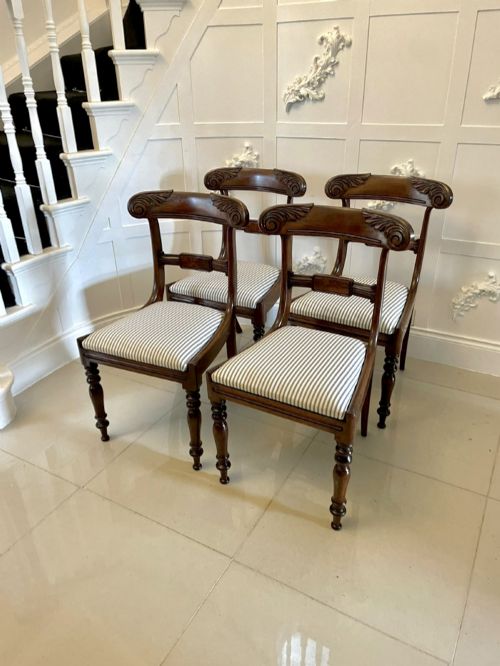


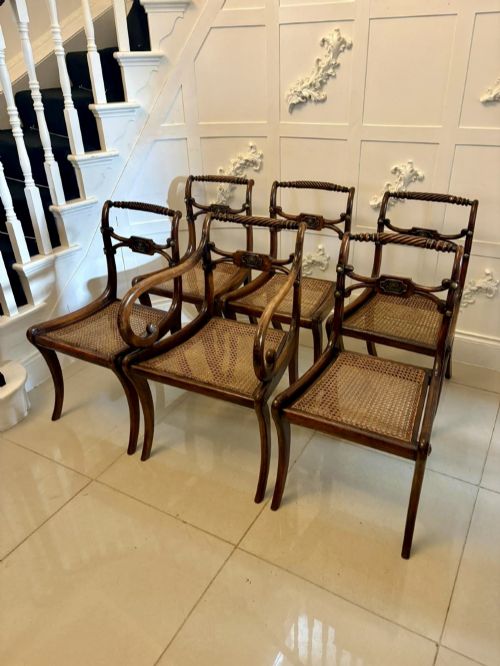
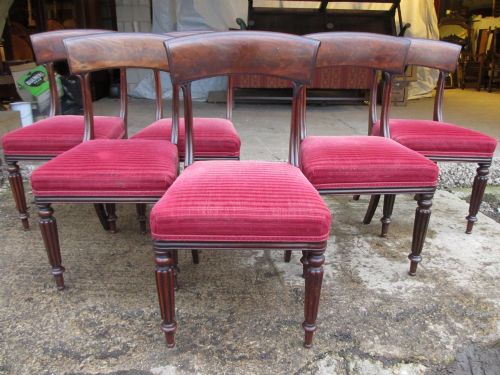
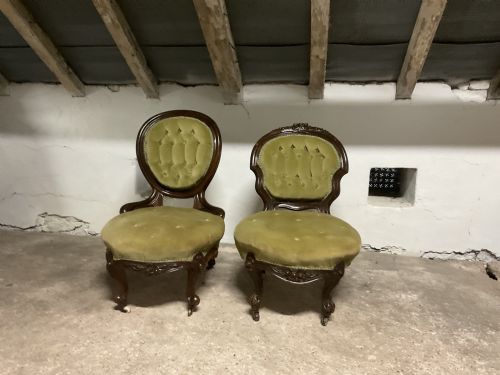
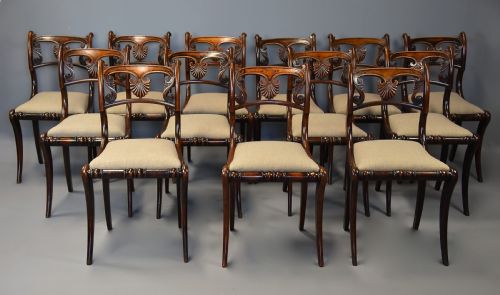
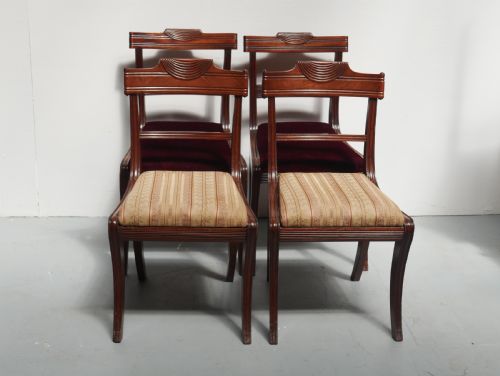
Nineteenth Century Mahogany Chairs
Nineteenth century mahogany chairs are robust timber seating forms built across the Regency, Victorian, and Georgian eras, prized for their durable grain and classic proportion.
Nineteenth Century Mahogany Chairs
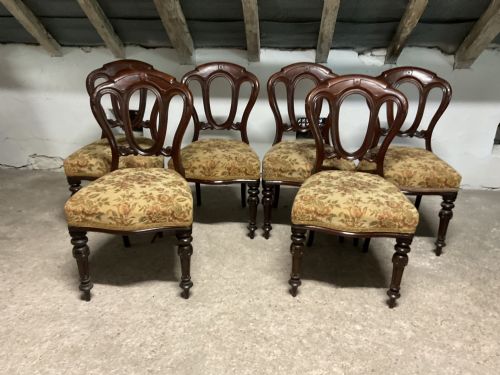
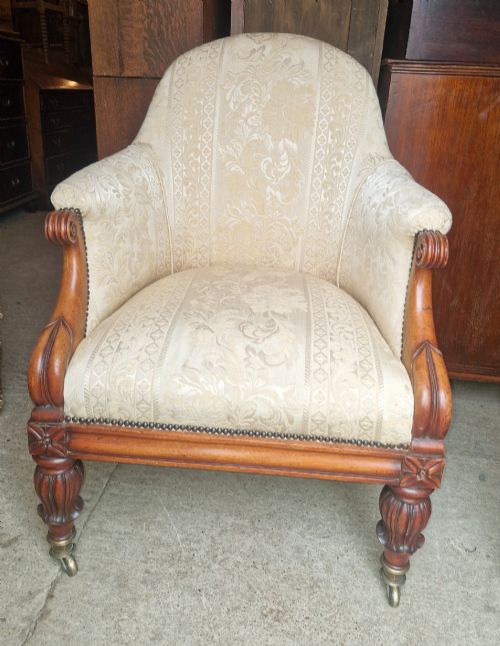
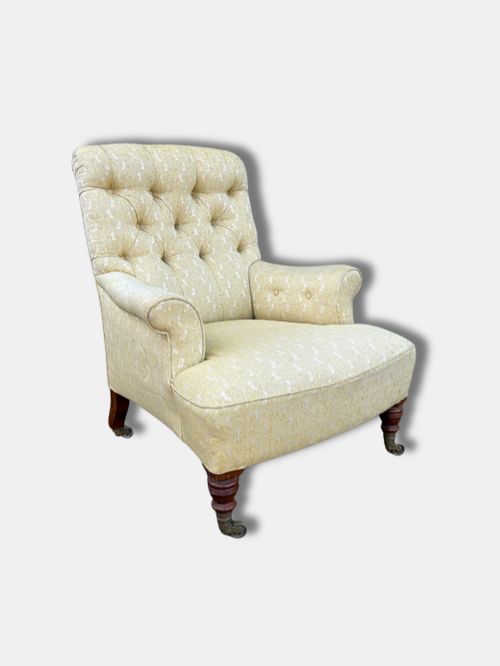
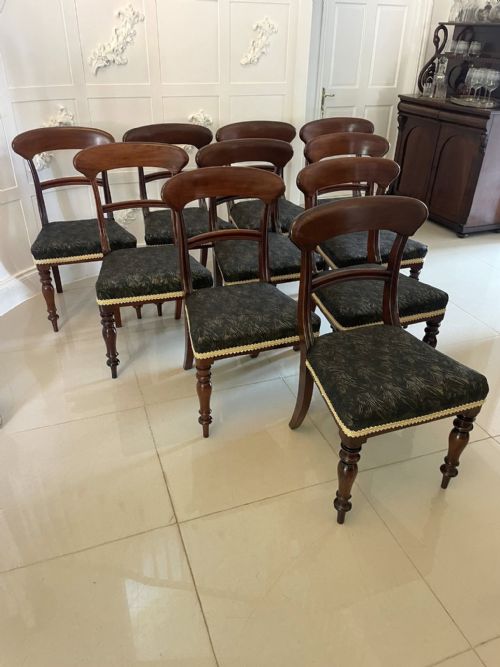
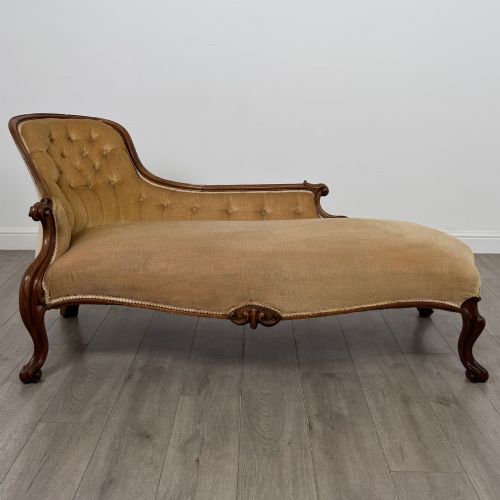
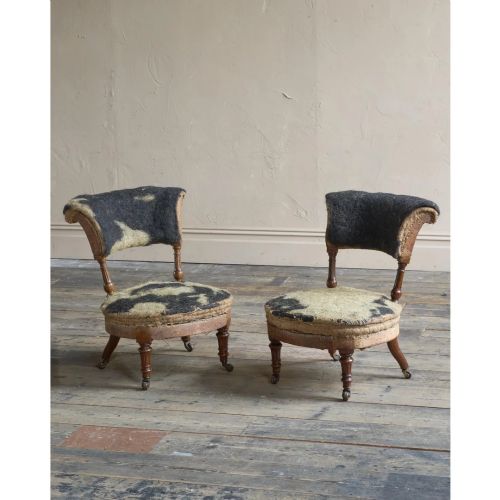
Nineteenth century mahogany chairs encompass a diverse range of seating, with dining chairs forming the most frequently encountered group on this page alongside armchairs, hall chairs, and nursing chairs. Buyers searching for nineteenth century mahogany chairs will find sets of dining chairs in counts ranging from pairs up to large groups of twelve or thirteen, alongside specialist forms like piano stools and chaise longues.
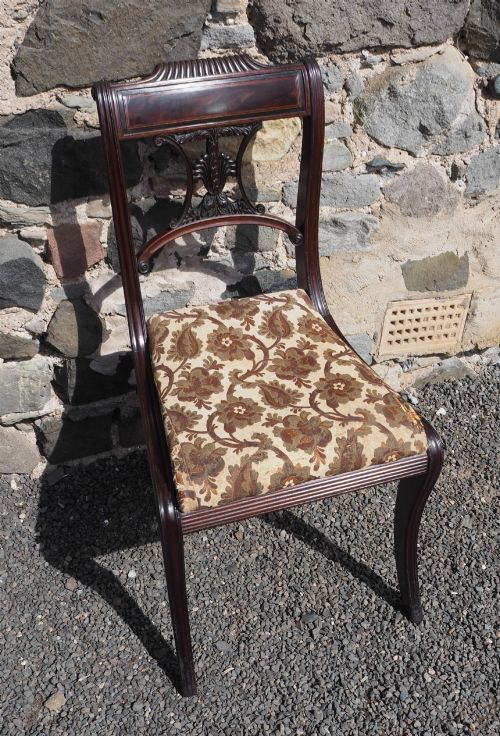
The aesthetic vocabulary spans several distinct stylistic movements, notably Regency, William IV, Victorian, and revival designs including Chippendale and Hepplewhite styles. Makers utilised various regional woods and structural forms, producing everything from brass-inlaid dining chairs to solid library armchairs and cane-seated varieties.
Materials and Construction Techniques
Makers relied primarily on mahogany timber, sometimes specified as Cuban mahogany, supplemented by secondary woods for internal framing and structures. Brass feature regularly as inlay work or castors, while seating surfaces incorporate cane, wood, fabric, and velvet upholstery.
Joinery methods depended on traditional hand-carving, turning, and framing techniques appropriate to the period, whether producing rope back dining chairs, balloon backs, or bar back variations.
Listings feature periods spanning Georgian, Regency, William IV, and Victorian eras, constructed primarily in mahogany alongside fabric, brass, and cane.
Determining Quality Across the Range
Quality rests upon the crispness of carved detail, such as spear points or rope twists, and the selection of timber grain. Superior examples exhibit cohesive matching across large sets of dining chairs rather than assembled or married components.
The integration of secondary materials like brass inlay, alongside the retention of original upholstery foundations or specific maker attribution, elevates the standing of individual pieces within the overall range.
Howard and Sons·Gillows·James Shoolbred·C. Hindley and Sons·Widger of Plymouth
The Nineteenth Century Mahogany Chairs Glossary
- Carver
- An armchair, often designed en suite with a set of single dining chairs. These usually stood at the head of a dining table.
- Balloon Back
- A rounded, closed chair back shaped like the profile of a hot air balloon. This form appears frequently in Victorian seating.
- Bergere
- An enclosed upholstered armchair with exposed timber framing and cane panels to the sides and back. It gained popularity during the Regency period.
- Hall Chair
- A rigid wooden seat intended for entrance halls, frequently featuring carved armorials or painted crests. These items often lack upholstered padding.
- Bar Back
- A horizontal cross-rail resembling a flattened bar set across the uprights of a chair back. William IV examples often utilise this arrangement.
Nineteenth Century Mahogany Chairs: Frequently Asked Questions
How do I date a mahogany chair?
Dating relies on stylistic markers such as Regency brass inlay, William IV bar backs, or Victorian balloon backs, combined with construction methods visible beneath the frame.
Changes in proportion and decorative motifs help narrow the decade of manufacture when compared against documented cabinetmaker designs.
Were dining chairs always sold in large sets?
Original dining sets varied widely in size, from intimate pairs up to grand sets of twelve or thirteen pieces commissioned for large dining rooms.
Finding complete, matching sets today represents a significant factor in how these items are collected and utilised.
What is the difference between a carver and a nursing chair?
A carver is an open armchair designed for the dining table, featuring supportive armrests and a matching profile to the single chairs in a set.
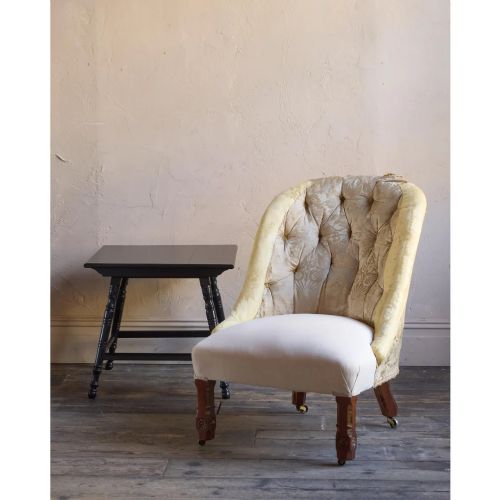
A nursing chair is a low-seated, upholstered bedroom chair traditionally built without arms to accommodate voluminous period dresses.
Can I use antique mahogany chairs every day?
Solid mahogany frames offer exceptional structural durability, making these chairs well-suited for regular domestic seating when joints remain sound.
Periodic checks of the framework and appropriate upholstery care ensure these pieces withstand daily use without compromising their historical integrity.