

Georgian Transferware Ceramics
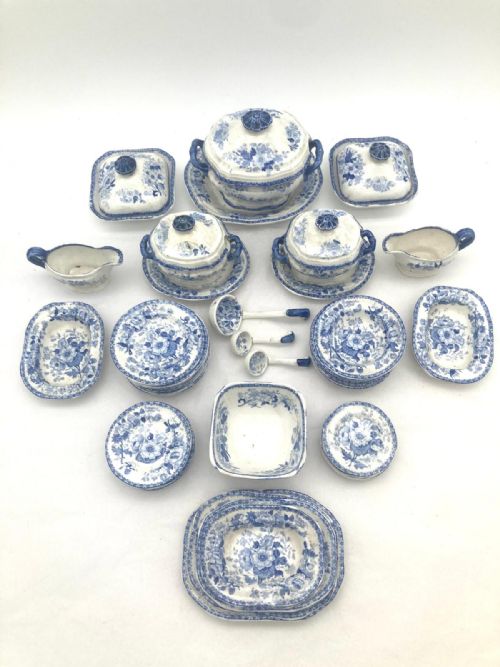
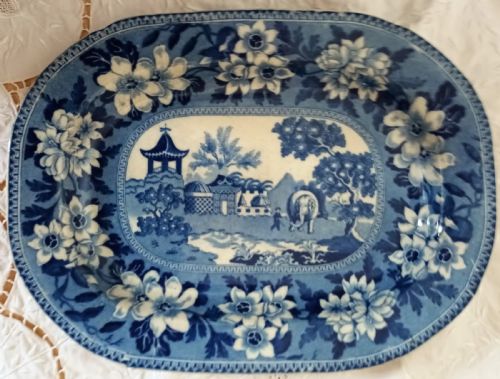
Georgian transferware ceramics bring domestic table settings to life with scenes printed in blue, magenta, and black across earthenware, creamware, and pearlware.
Georgian Transferware Ceramics
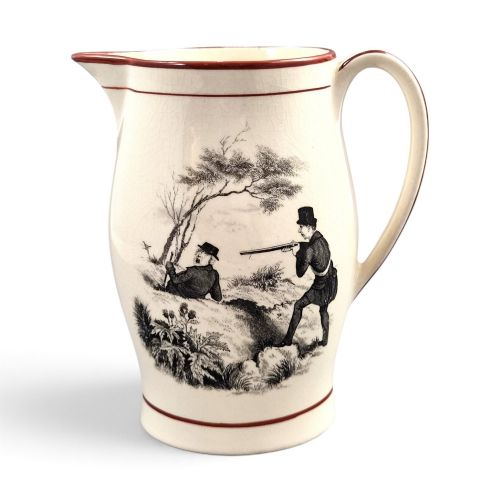
Georgian transferware ceramics comprise utilitarian and decorative vessels produced largely in English potteries during the late eighteenth and early nineteenth centuries. When searching for georgian transferware ceramics, collectors encounter a diverse range of forms, from large serving platters and footbaths to small pickle dishes and tea bowls. The material foundation rests predominantly on earthenware, creamware, pearlware, and ironstone, alongside periods spanning the eighteenth century through the Victorian era.
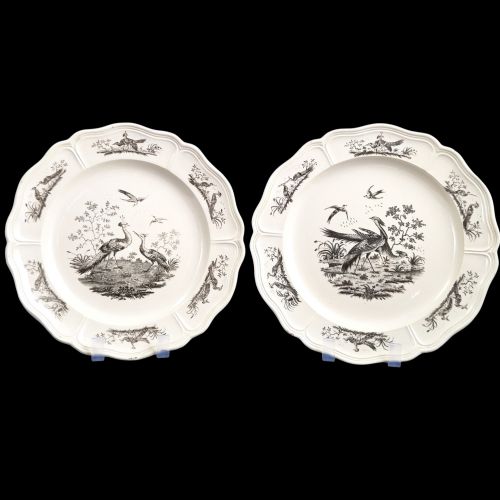
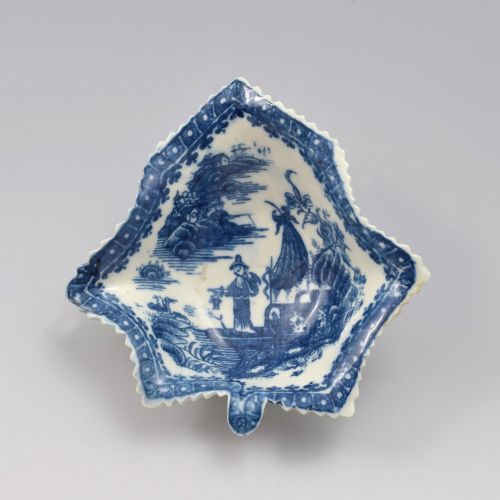
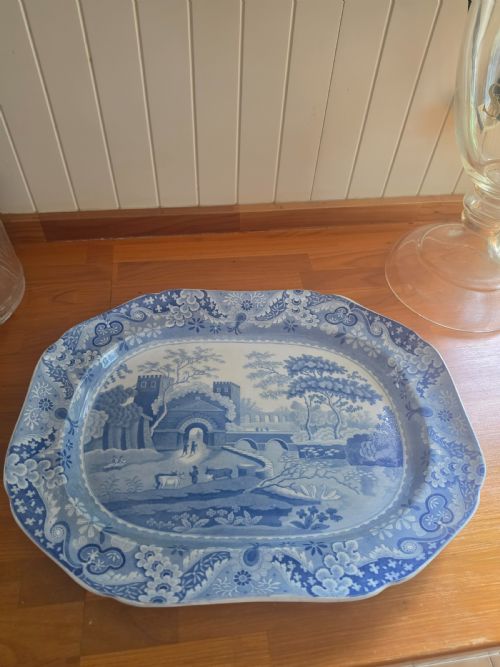
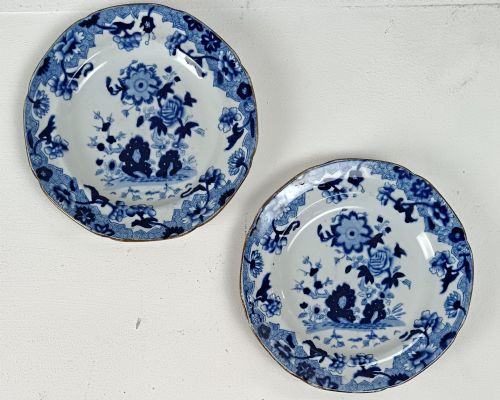
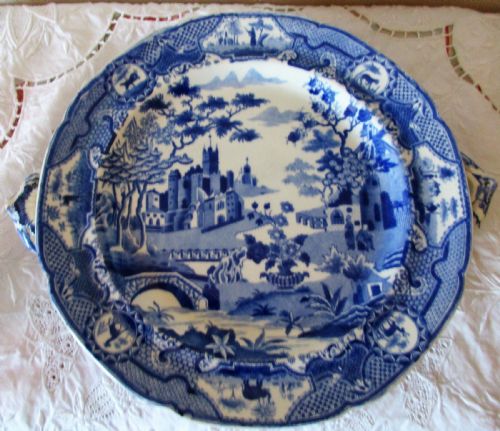
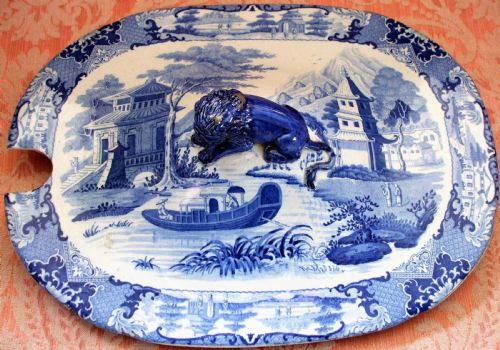
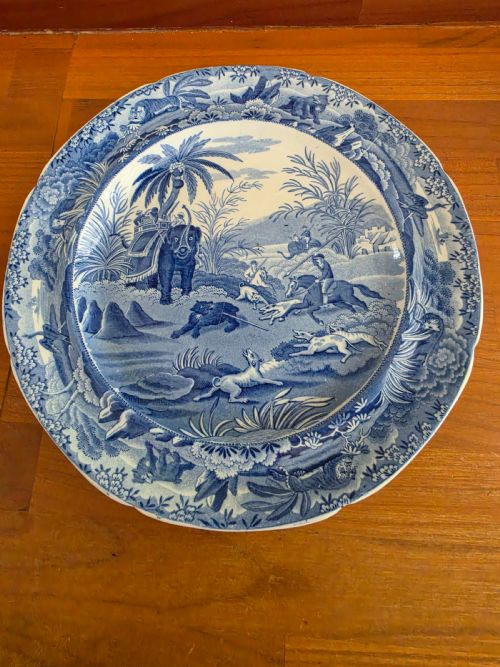
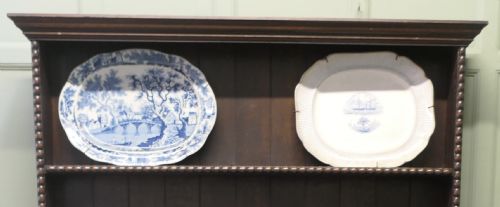
The most common versions met on this page include blue and white transfer printed plates, platters, and tureens featuring architectural views, pastoral landscapes, and exotic motifs. Makers applied printed patterns using engraved copper plates, transferring the pigment onto the ceramic body before glazing and firing. These domestic items served daily dining and display functions in period households, remaining durable enough for regular use.
How they were made
Potters formed these items using bodies such as creamware, pearlware, earthenware, and ironstone, shaped on wheels or pressed into moulds. Caughley and Worcester examples utilise soft-paste porcelain, while heavier utilitarian pieces rely on dense ironstone and standard earthenware. Glazes were applied over the fired body to seal the porous ceramic surface and protect the underlying printed design.
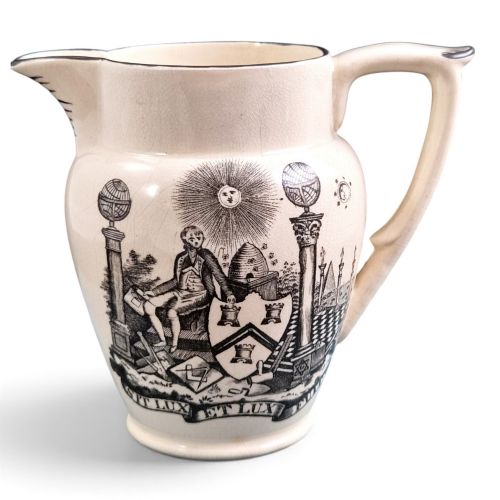
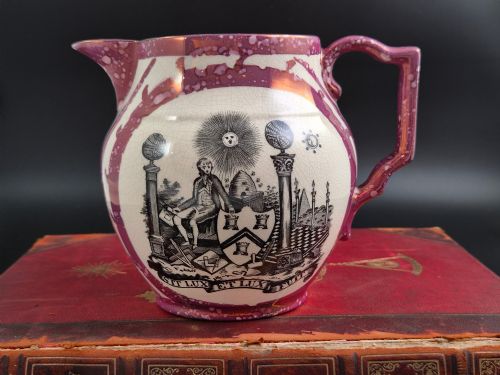
The transfer printing technique involved engraving a copper plate with the desired pattern, applying oil-based pigment, and pulling the design onto thin tissue paper. Workers pressed the paper onto the biscuit ceramic body to transfer the ink before washing away the paper and firing the piece in a kiln. Lustre effects, such as the pink splash seen on Sunderland jugs, involved adding metallic salts during secondary firings to create iridescent surfaces.
Current listings feature items spanning the eighteenth century, the Georgian era, the Regency period, and the Victorian age, constructed from earthenware, creamware, pearlware, ironstone, and soft-paste porcelain.
What varies in quality
Quality in these ceramics depends heavily on the crispness and clarity of the transfer print applied to the surface. Sharp lines in complex patterns like river scenes or architectural subjects indicate superior copper engraving and skilled execution by the potter. Smudged lines or blurred edges suggest worn printing plates or rushed application during production.
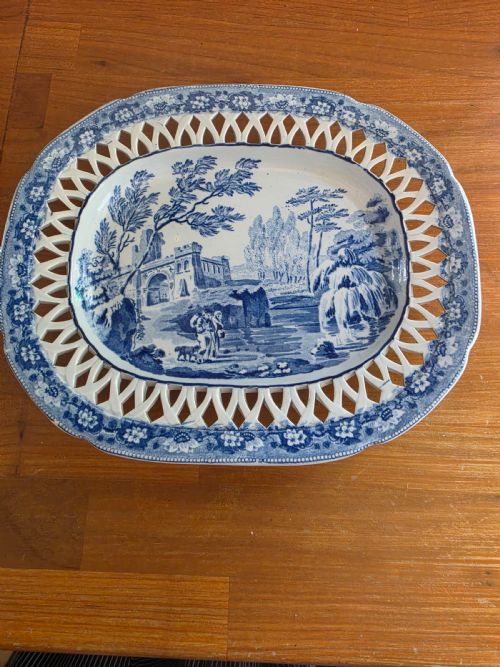
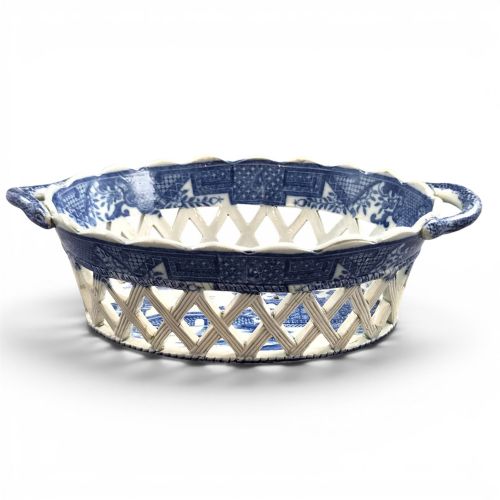
The sophistication of the ceramic body also dictates overall grade, ranging from refined soft-paste porcelain and early pearlware to heavier commercial ironstone. Pierced work, reticulated basketry edges, and complex moulded forms require advanced technical skill that elevates certain serving dishes and footbaths above standard utilitarian plates.
Spode·Davenport·Robert Hamilton·John Rogers and Son·J and R Clews·J and R Riley·Stubbs·Ridgway·Heathcote·Minton
The Georgian Transferware Ceramics Glossary
- Transferware
- Pottery decorated by transferring a printed design from an engraved copper plate onto the ceramic body using tissue paper and pigment. This mechanical process allowed for intricate pictorial scenes to be reproduced consistently across multiple vessels.
- Pearlware
- A refined earthenware developed by Josiah Wedgwood that featured a bluish-tinted glaze to make the ceramic body appear whiter. It served as a primary canvas for blue and white transfer printing during the Regency and Georgian periods.
- Creamware
- A fine light-coloured earthenware perfected in Staffordshire with a warm, yellowish lead glaze. It formed the basis for many late eighteenth-century jugs and pitchers before pearlware gained widespread popularity.
- Ironstone
- A heavy, durable type of earthenware patented to resist chipping and heavy domestic wear. It provided a sturdy ground for nineteenth-century transfer printed services and decorative plates.
- Lustreware
- Earthenware decorated with a metallic film that produced a reflective, iridescent sheen. Sunderland jugs frequently utilised pink splash lustre alongside transfer printed motifs.
- Reticulated
- Describes ceramics featuring openwork lattice or pierced basketry designs cut into the rim or body before firing. Spode chestnut baskets often employed this technique to achieve decorative ventilation patterns.
Georgian Transferware Ceramics: Frequently Asked Questions
How do I date these pieces?
Dating relies on stylistic clues, ceramic bodies, and recorded maker marks stamped or printed on the reverse. Creamware and early pearlware generally point to the late eighteenth or early nineteenth century, while heavier ironstone aligns with later Victorian production.
Pictorial subjects and border patterns also help narrow the timeframe. Examining the specific shade of blue and the registry marks provides further chronological context.
Can I use them for dining?
Many sturdy earthenware and ironstone pieces remain physically capable of holding food and water in modern settings. However, crazing in the historic glaze can absorb liquids and stain over time.
Collectors generally restrict antique plates and platters to display or gentle handling. Jugs and footbaths serve well for decorative floral arrangements rather than heavy daily service.
What caused the pink lustre effect?
Pink lustre decoration involved applying a solution containing gold or copper onto the ceramic surface. A specialised kiln firing caused the metallic elements to separate and form an iridescent, shimmering film.
This technique appeared frequently on Sunderland earthenware jugs alongside black or coloured transfer prints. The resulting splash effect created a distinctive mottled appearance highly sought after by collectors.