
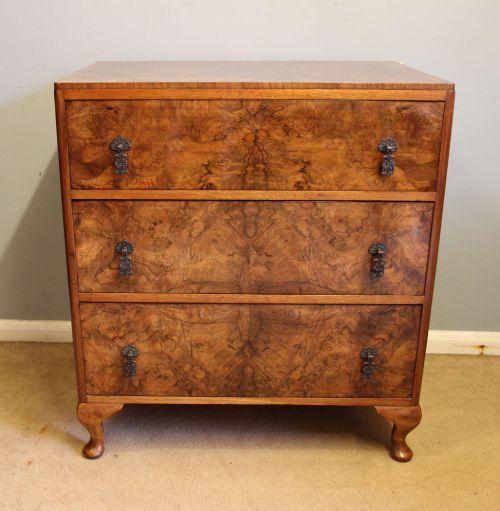
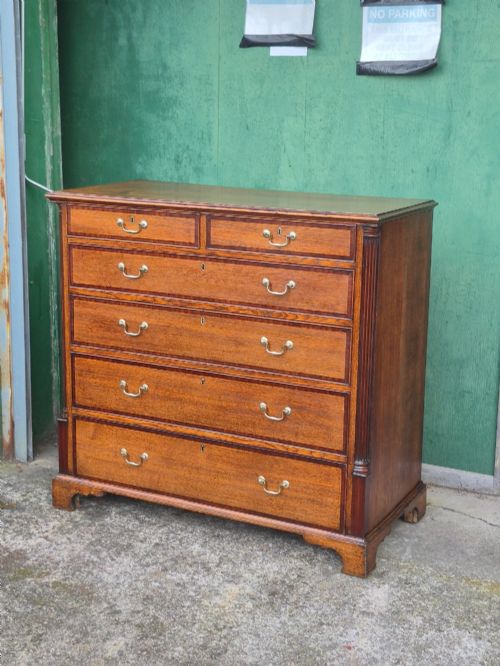
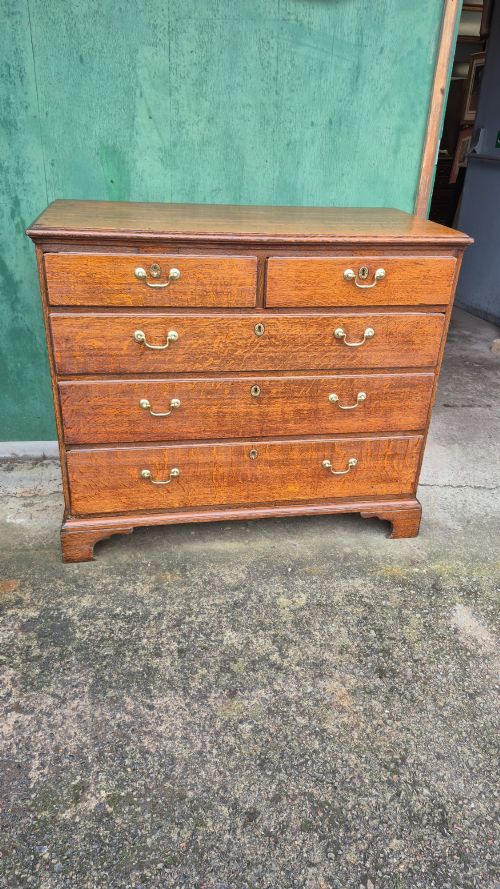
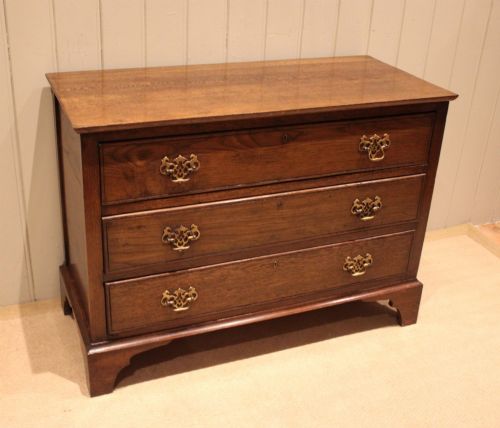

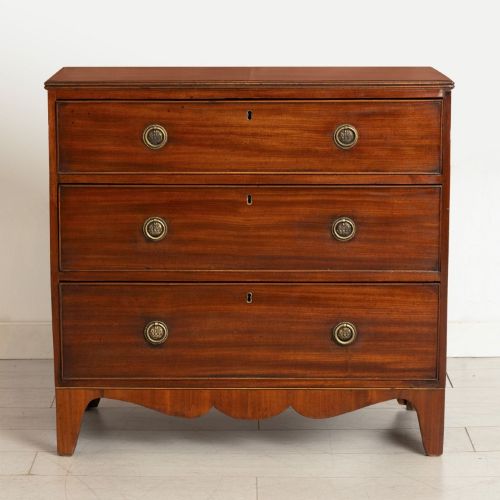
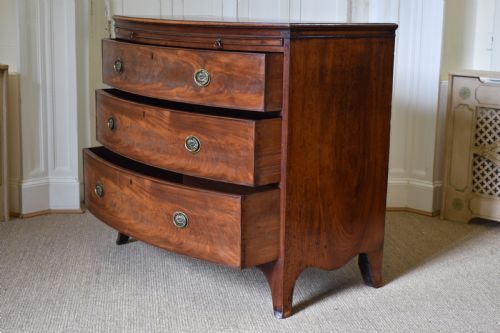
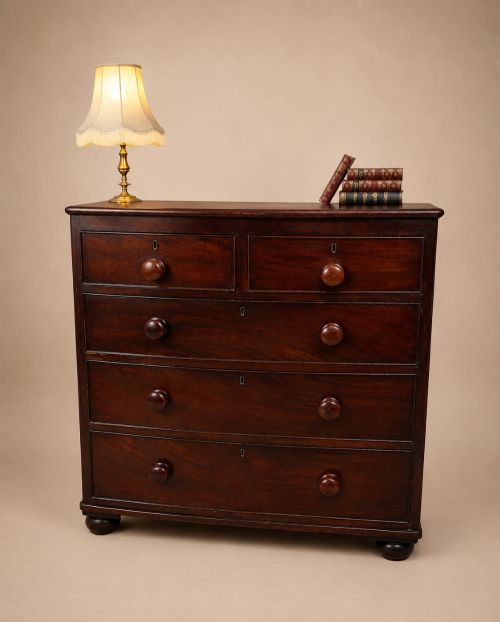
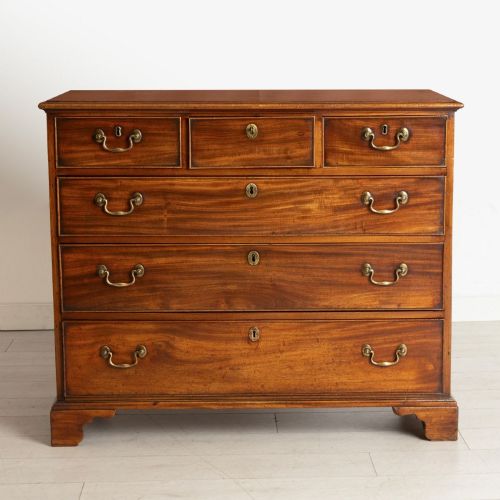
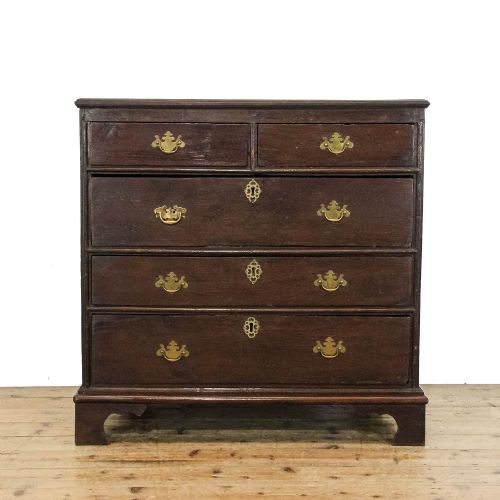
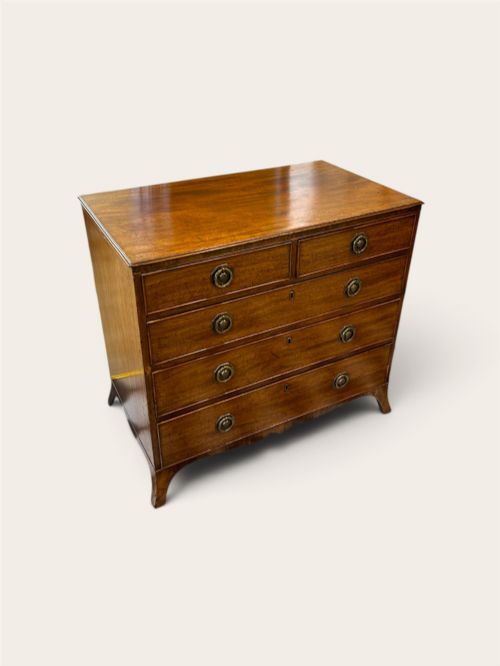
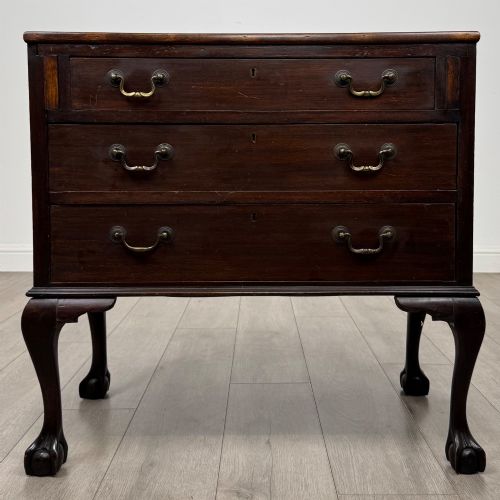
Georgian Three Drawer Chest
A georgian three drawer chest is a compact, useful storage piece built for practical living and classic proportion.
Materials and Construction
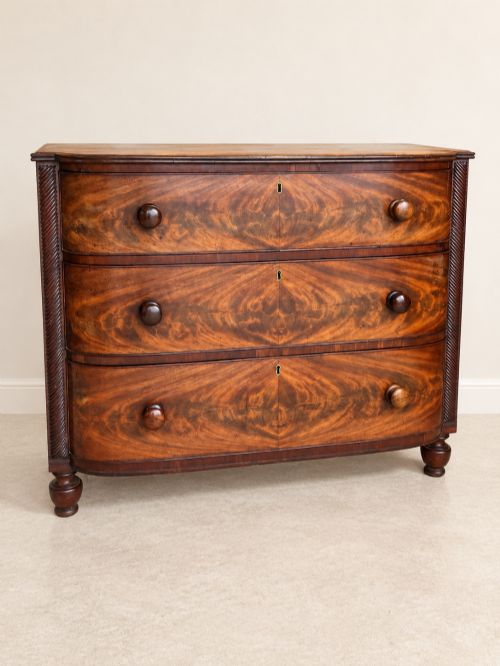
Cabinet makers utilised solid timbers such as oak, mahogany, and walnut, frequently applying flame mahogany veneer, burr walnut, or boxwood stringing to create decorative surface patterns. Construction relied on traditional joinery methods, housing drawers within solid carcases supported on bracket feet or plinths.
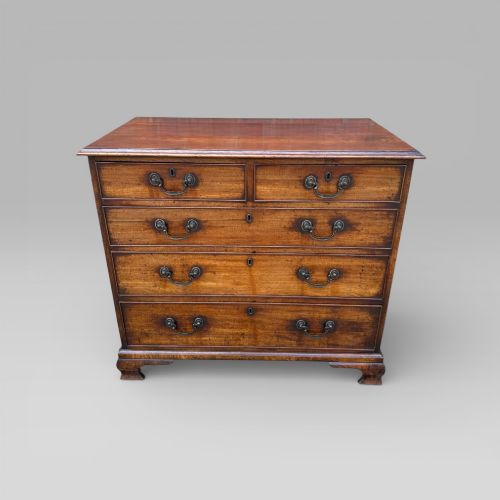
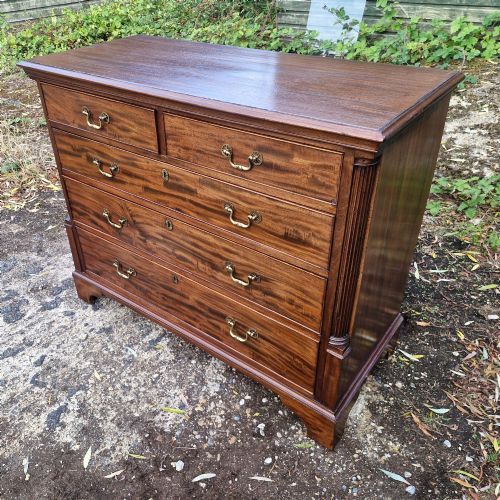
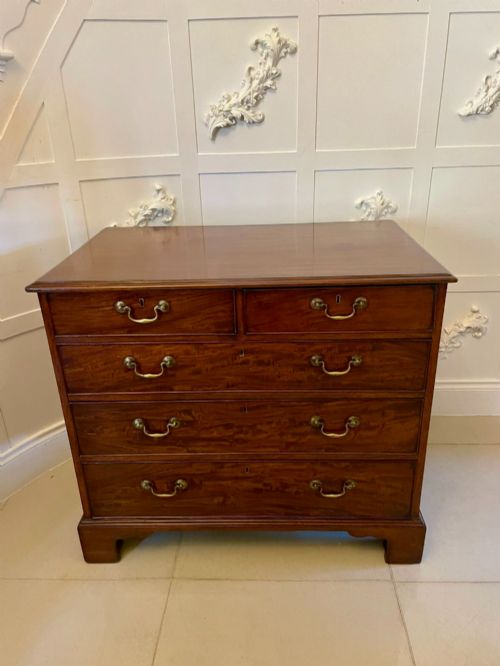
Metal fittings played an essential role, with brass handles and escutcheons securing operational access to each drawer. Crossbanded borders and inlaid details further defined the exterior aesthetics of these wooden storage items.
Distinctions in Standard and Finish
The degree of refinement separates standard utilitarian storage from exceptional cabinet work. Superior examples display carefully chosen timber grains like figured elm or flame mahogany, balanced proportions, and crisp crossbanding.
The retention of original brass hardware, working locks with keys, and untouched patination elevate specific items above later reproductions or pieces with replaced elements.
Listings feature mahogany, oak, walnut, burr walnut, and pine across Georgian, Regency, and Victorian periods.
J Moorcroft
The Georgian Three Drawer Chest Glossary
- Bow front
- A convex curved front profile popular on Regency and later chests. This design softens the room's geometry.
- Crossbanding
- A strip of veneer laid perpendicular to the grain of the main surface. It provides a neat contrasting border around drawer fronts.
- Bracket foot
- A foot shaped like a bracket, supporting the corners of case furniture. These feet often feature simple moulded edges.
- Brushing slide
- A pull-out shelf integrated above the drawers. It served as a temporary writing or clothes-brushing surface.
- Patina
- The surface sheen and colour developed by wood through age and use. It represents years of cleaning and handling.
Georgian Three Drawer Chest: Frequently Asked Questions
Where did people use these chests?
These chests served primarily in bedrooms, hallways, and living quarters to store garments and household linens.
Their compact proportions made them adaptable for smaller rooms whilst providing stable surfaces for ornaments or mirrors.
How do I identify a Georgian period piece?
Examine the timber selection, construction methods inside the drawer linings, and the style of the feet or handles.
Genuine period items exhibit hand-cut joints, traditional wood species like oak or early mahogany, and natural wear consistent with age.
How should I care for timber surfaces?
Maintain the wood by keeping it away from direct heat sources and sudden humidity changes.
Apply occasional traditional wax polish to nourish the grain and preserve the surface finish.