

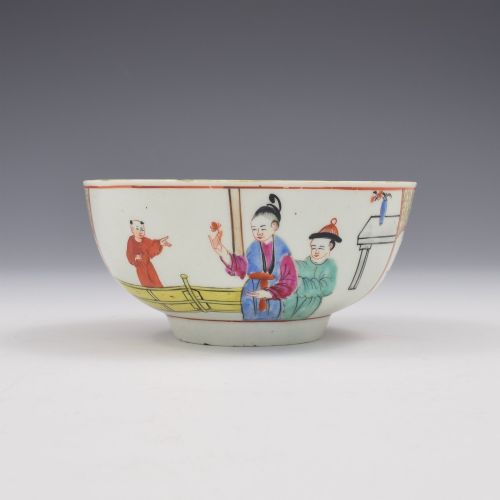


Georgian Tea Service Bowl
These georgian tea service bowl examples bring eighteenth and nineteenth century porcelain and silver sugar vessels directly to your table.
Georgian Tea Service Bowl
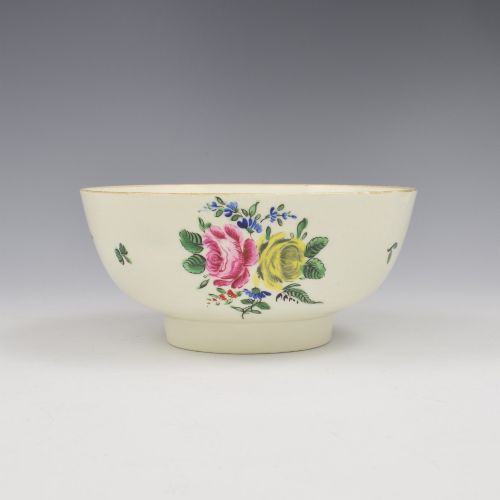
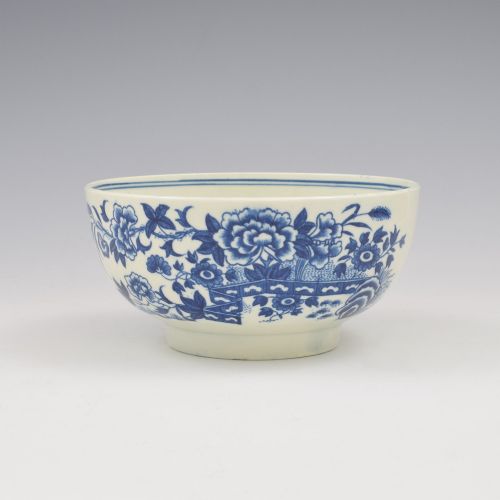
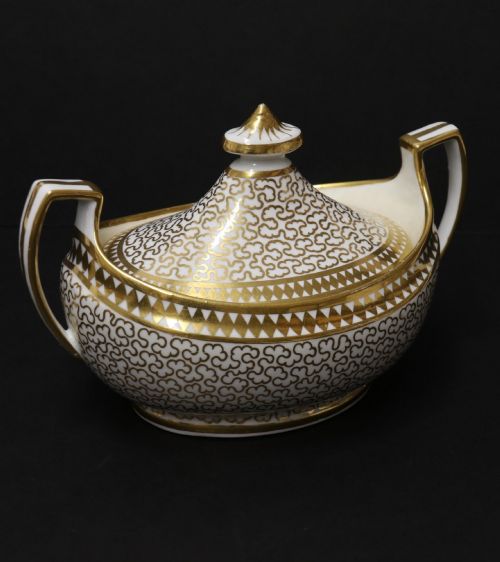
A georgian tea service bowl or sucrier forms the central sugar container in historical tea sets. You will find covered boxes, handled basins, and open bowls designed to match broader tea and coffee services.
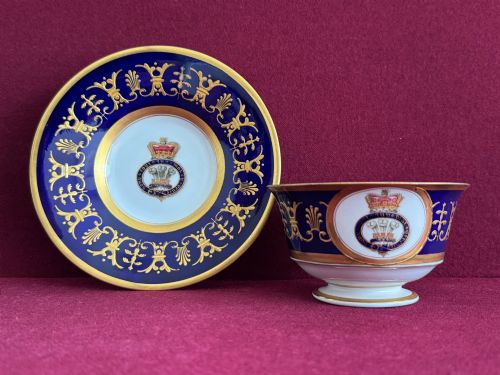
Sugar bowls and sucriers appear alongside matching teacups, saucers, and cream jugs. These vessels reflect the changing domestic tea habits of Georgian households.
How they were made
Potters shaped soft-paste and felspar porcelain, applying hand-painted enamels, cobalt blue underglaze, and gold leaf highlights. Factories such as Worcester, Spode, and Derby utilised skilled decorators to produce intricate patterns like the Angouleme and Immortelle designs.
Silversmiths hammered and shaped sterling silver and Sheffield plate to create durable sugar boxes, tongs, and complete tea services. Makers like Joseph Craddock and Benjamin Smith stamped their work with hallmarks denoting standard and origin.
Georgian Tea Service Bowl Retail Price Guide 2026
Typical asking prices for georgian tea service bowl among the pieces listed under this phrase on Sellingantiques today, from the lower quarter to the upper quarter. They describe what is for sale here now, not the wider market.
Tea tables of the period required dedicated slop bowls to receive unwanted tea leaves, proving that even eighteenth century hosts wrestled with kitchen logistics.
What varies in quality
The standard of painting and gilding distinguishes ordinary factory output from top tier productions. Crisp cobalt underglaze, detailed hand-painted figures, and intact gold leaf elevate the piece.
The weight and crispness of the silversmith's chasing determine the grade of metal items. Complete sets bearing clear maker marks and matched factory patterns command greater attention from collectors.
Chamberlains Worcester·Spode·Derby·Flight Barr And Barr·Joseph Craddock·Ridgway·Benjamin Smith·Coalport
The Georgian Tea Service Bowl Glossary
- Sucrier
- A sugar basin or bowl, usually furnished with a matching cover, used in tea services. These containers held loose sugar lumps or granules on the tea table.
- Soft-paste porcelain
- An artificial porcelain composition fired at lower temperatures than hard-paste. It displays a warm body and distinct glaze pooling common in eighteenth century English factories.
- Felspar porcelain
- A refined body introduced in the nineteenth century containing feldspathic rock. It provided greater durability and a bright white surface for bright enamel colours.
- Sheffield plated
- A composite material made by fusing a thin sheet of sterling silver to a thicker copper base. It was widely used for Georgian tableware before electroplating methods emerged.
- Immortelle
- A traditional botanical and floral pattern utilised by early porcelain factories. It appears in blue and white transfer print or hand-painted formats on tea wares.
Georgian Tea Service Bowl: Frequently Asked Questions
What is a sucrier?
A sucrier is a covered sugar bowl designed to accompany a tea service. These vessels held sugar for sweetening tea before the widespread use of refined sugar cubes.
They often feature matching lids and decorative handles that mirror the teapot and cups in the set.
How do I date a porcelain bowl?
Dating relies on factory marks, paste composition, and stylistic changes in decoration. Early pieces show soft-paste bodies and crescent or square marks, while later nineteenth century items use felspar porcelain.
Matching patterns to known production dates helps narrow the timeline further.
Were silver and porcelain sugar bowls used together?
Wealthy Georgian households often chose between silver tea services and porcelain tea sets depending on fashion and occasion. Complete services occasionally mixed materials, though matched factory sets remained popular.
Sugar bowls were manufactured in both media to suit these varied dining preferences.
How do I care for antique tea bowls?
Antique porcelain and silver require gentle hand washing in lukewarm water with mild soap. Dishwashers and harsh abrasives damage the delicate enamel and gold leaf decorations.
Storing them away from direct sunlight preserves the original colours.