




18th Century Porcelain Basin
An 18th century porcelain basin brings tangible eighteenth-century craft into a modern room, offering both decorative depth and historical weight.
18th Century Porcelain Basin
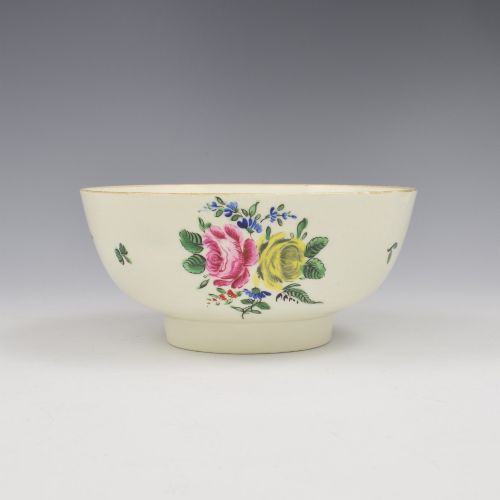
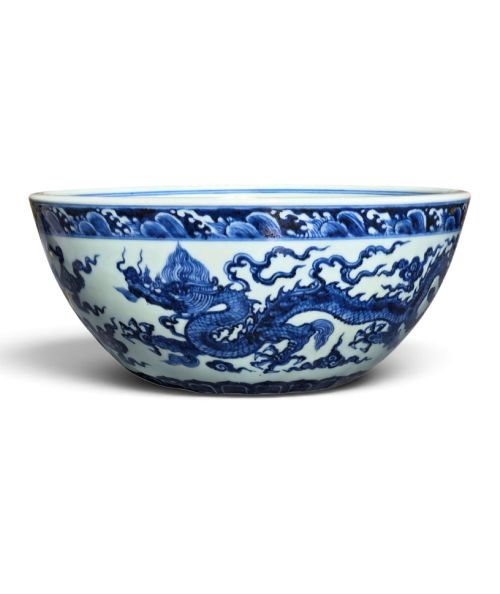
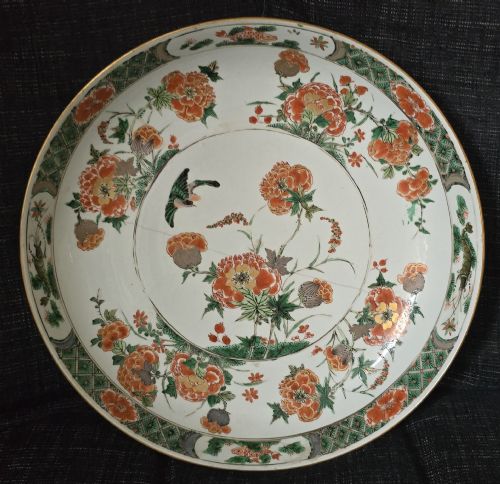
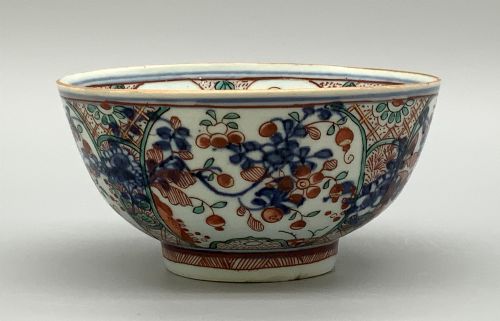
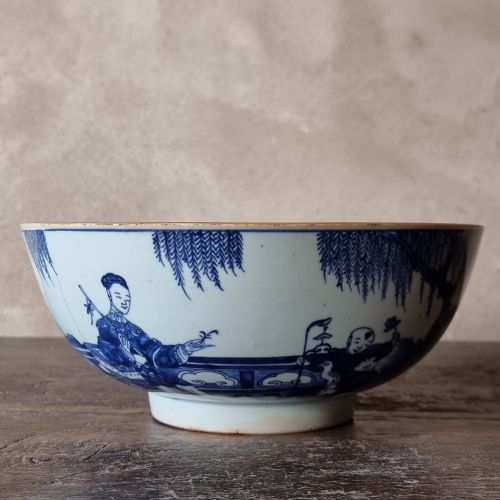
When you search for an 18th century porcelain basin, you examine deep bowls, punch bowls, jardinieres, and slop bowls produced during the 1700s. These pieces originate from major European factories and Asian export kilns, spanning styles from Chinese Kangxi and Qing periods to French Rococo and Georgian England.
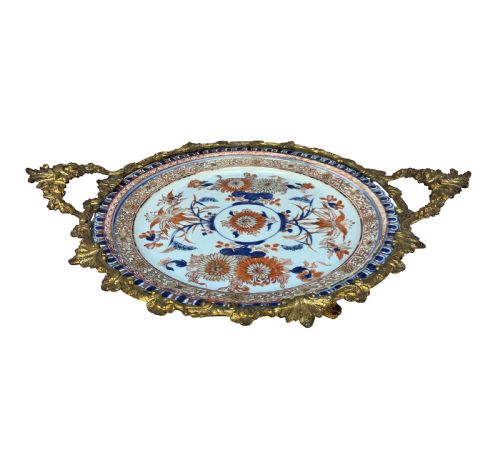
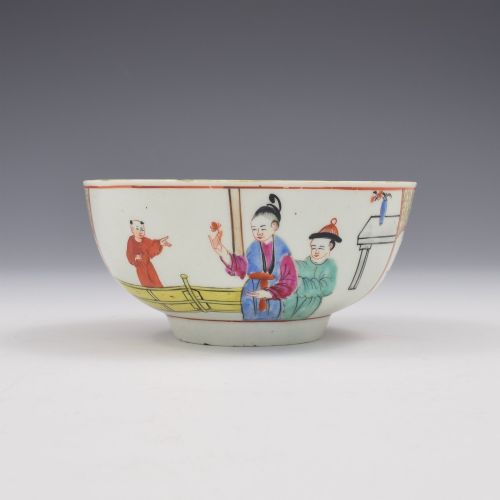
The version you are most likely to meet on this page is a large Chinese export bowl or a Continental tableware piece, often decorated in Imari palettes or famille rose enamels. They serve equally well as table centerpieces, decorative dishes, or standalone containers.
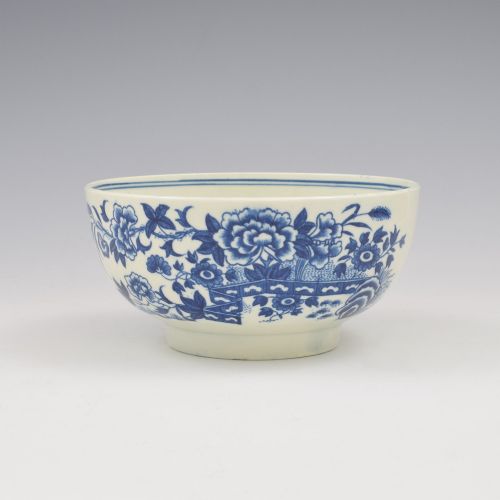
Makers and factories represented include Richard Ginori, Meissen, and Worcester, alongside unbranded Arita and Chinese export kiln output. Collectors encounter diverse forms, from tripod bowls and sugar bowls to shaving bowls fitted with metal mounts.
Judging Quality and Execution
Quality rests in the crispness of the hand-painted brushwork and the stability of the glaze. Finer pieces display precise control over cobalt blue tones and cleanly applied enamel highlights.
The proportion of the form and the clarity of the porcelain paste distinguish high workshop output from standard utilitarian ware. Added metalwork, such as ormolu mounts or pierced galleries, reflects the ambition of the piece.
18th Century Porcelain Basin Retail Price Guide 2026
Typical asking prices for 18th century porcelain basin among the pieces listed under this phrase on Sellingantiques today, from the lower quarter to the upper quarter. They describe what is for sale here now, not the wider market.
One eighteenth-century basin doubles as a shaving bowl, featuring a half-pierced gallery to keep rogue lather contained during a gentleman's morning routine.
Richard Ginori·Meissen porcelain
The 18th Century Porcelain Basin Glossary
- Soft-paste porcelain
- A ceramic material composed of white clay and glass frit, fired at lower temperatures than hard-paste porcelain. It produces a warm, slightly creamy body favoured by European factories in the seventeen-hundreds.
- Imari
- A style of Japanese export porcelain decorated in underglaze blue, iron red, and gold. This palette was subsequently copied by Chinese and European kilns.
- Ormolu
- Gilded bronze used for decorative mounts on porcelain vessels. It frames the ceramic body and elevates the status of the object.
- Famille rose
- A palette of opaque enamel colours dominated by pink, introduced to Chinese porcelain production in the eighteenth century. It allowed for subtle tonal gradations in floral and figural scenes.
- Punch bowl
- A large vessel designed for mixing and serving punch at social gatherings. These pieces often feature wide basins and robust proportions.
18th Century Porcelain Basin: Frequently Asked Questions
What is a slop bowl?
A slop bowl is a small vessel used during tea service to discard spent tea leaves or dregs from cups.
In eighteenth-century dining, these matched the tea service and sat alongside the teapot and sugar bowl.
How do I display a jardiniere?
A jardiniere functions as a decorative container for potted plants or floral arrangements. Place them on sturdy tables where their glaze and form remain visible.
Protect the interior glaze by placing a liner inside the basin rather than planting directly into the ceramic.
Are these bowls waterproof?
Most porcelain basins hold water safely, though antique pieces warrant gentle handling. Sudden temperature changes can stress old ceramic bodies.
Avoid filling them with very hot water or exposing them to harsh detergents.
How do I distinguish Chinese export from European porcelain?
Chinese export pieces typically display specific paste characteristics and underglaze blue traits developed in kilns like those of the Kangxi period. European factories like Meissen and Worcester developed distinct soft-paste recipes and local painting styles.
Examining the foot rim and the tone of the glaze often reveals the origin of the workshop.