


Georgian Tea Canister
A georgian tea canister sits quietly on the table, holding dry leaf and locking away the expensive leaves of the 18th century.
Georgian Tea Canister
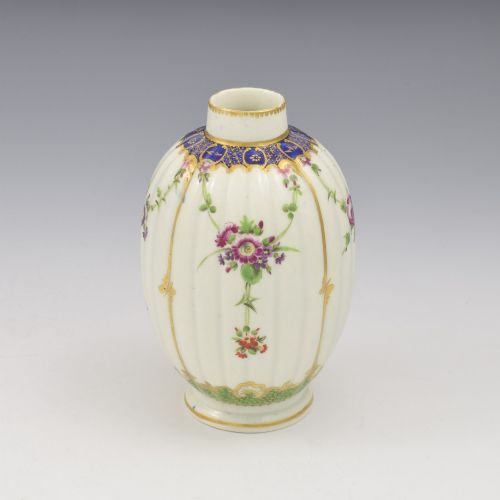
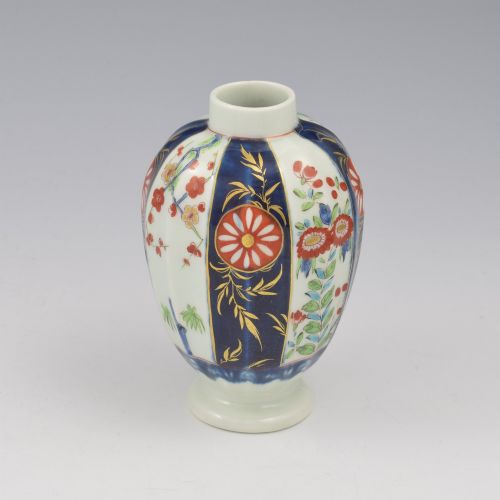
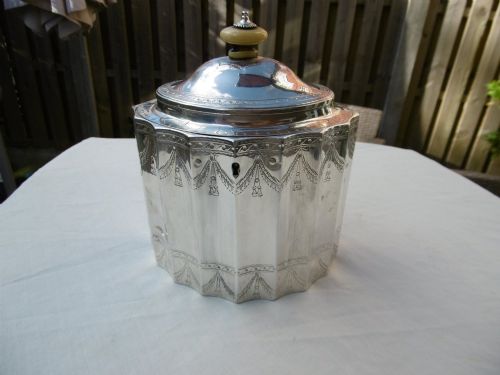
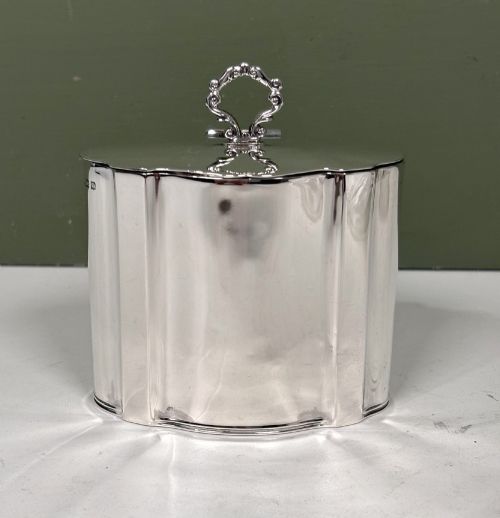
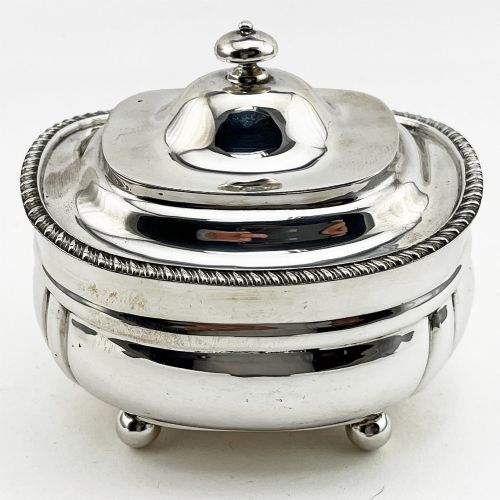
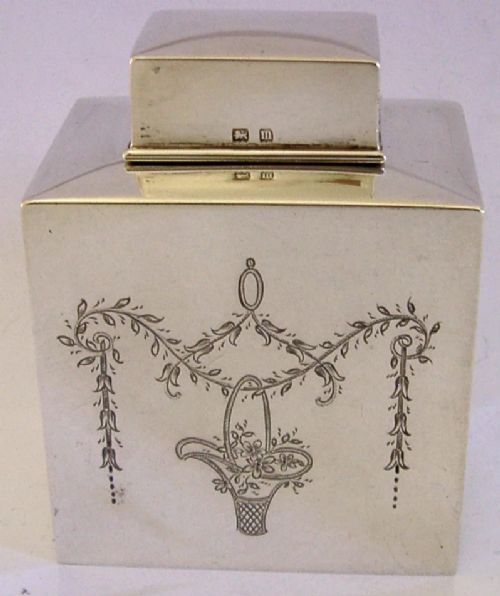
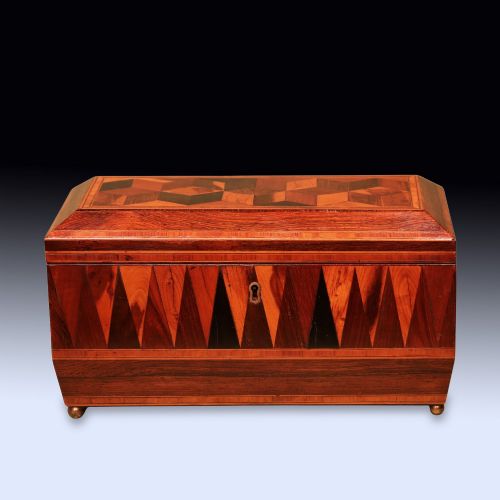
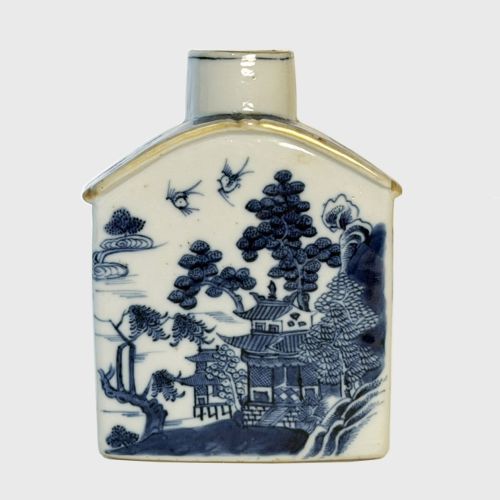
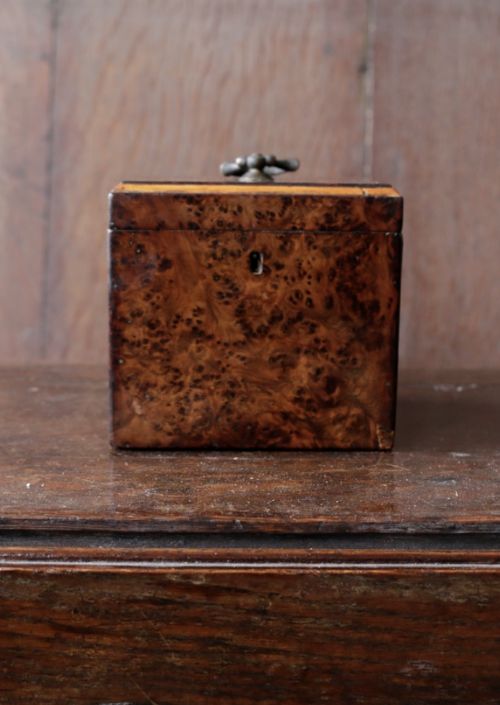
A georgian tea canister or caddy arrives in forms ranging from simple wooden boxes to silver vessels and porcelain jars. The pieces met most often on this page span the 18th and 19th centuries, taking shapes like the sarcophagus, cube, or simple rectangular box.
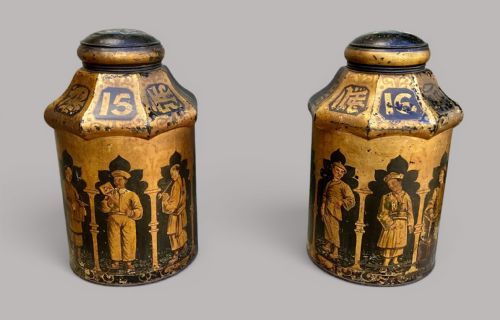
Makers shaped these items for dry storage, often dividing the interior for green and black leaves or including a glass mixing bowl. Woods like mahogany, satinwood, and burr walnut appear alongside sterling silver, brass, and painted tole.
Origins stretch across English workshops, Scottish makers, and Chinese export kilns, reflecting global trade routes. Buyers encounter everything from plain utilitarian boxes to elaborate Regency parquetry and Chinoiserie decoration.
Judging quality and craftsmanship
Quality rests in the selection of timber veneers and the crispness of the secondary inlays. Superior examples display symmetrical grain patterns that wrap continuously around the corners of the box.
Internal fittings reveal the original tier of the piece. Surviving glass mixing bowls, internal lids with functioning turn-knobs, and intact silver hallmarks separate utilitarian survivors from finer works of art.
Early tea was so valuable that locking boxes kept servants from helping themselves to the leaves.
Robert Hennell·Zimmermann·Goldsmiths and Silversmiths Co.·Gillows·Thomas Heming
The Georgian Tea Canister Glossary
- Tea caddy
- A small box or chest designed to store loose tea leaves securely. The word derives from the Malay word kati, a unit of weight.
- Teapoy
- A larger stand or table fitted with internal canisters for holding tea. These pieces often feature central pedestals with multiple legs.
- Toledo
- Metalware decorated with painted or gilt designs, commonly found on tinplate canisters. Chinoiserie motifs are frequent.
- Shagreen
- Undyed shark or ray skin with a granulated surface texture. Craftsmen used this exotic material to cover luxury boxes during the 18th century.
- Pearlware
- An earthenware developed in the late 18th century by Staffordshire potters. A thin cobalt glaze gave the surface a bluish-white appearance.
Georgian Tea Canister: Frequently Asked Questions
What is a georgian tea canister?
A georgian tea canister is a small container built to store expensive loose tea leaves safely under lock and key. These objects reflect the high social value placed on tea during the 18th and 19th centuries.
They appear in wood, silver, and porcelain, often featuring internal compartments and fitted lids. Many survivors retain traces of their original function through internal partitions or mixing bowls.
How were they used historically?
Households used these containers to keep valuable tea leaves dry, secure, and measured out safely. The lady of the house typically held the key, rationing the leaves for each social gathering.
The central glass bowl found in some boxes allowed the host to blend different tea varieties before brewing. Internal lids sealed the aroma inside each separate compartment.
How do I date a wooden caddy?
Dating relies on observing the timber species, construction joints, hardware, and prevailing decorative styles. Earlier 18th-century pieces often utilise solid walnut or mahogany, while Regency examples favour elaborate parquetry and sarcophagus forms.
Examining the interior reveals secondary woods and lining materials that shift across decades. Hallmarks on silver mounts provide exact calendar years where present.
Can I still store tea in them?
Dry storage remains possible if the interior lining is clean and free from chemical residues or strong odours. Many collectors prefer to display them empty to preserve the historical fabric.
Wood and antique paper linings absorb scents easily, so modern loose leaf tea is best kept sealed elsewhere. Gentle dusting maintains the exterior polish without harming the original finish.