

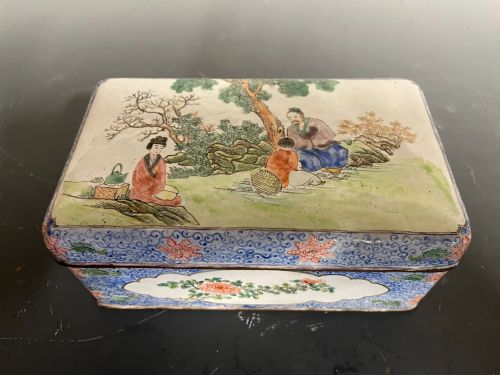
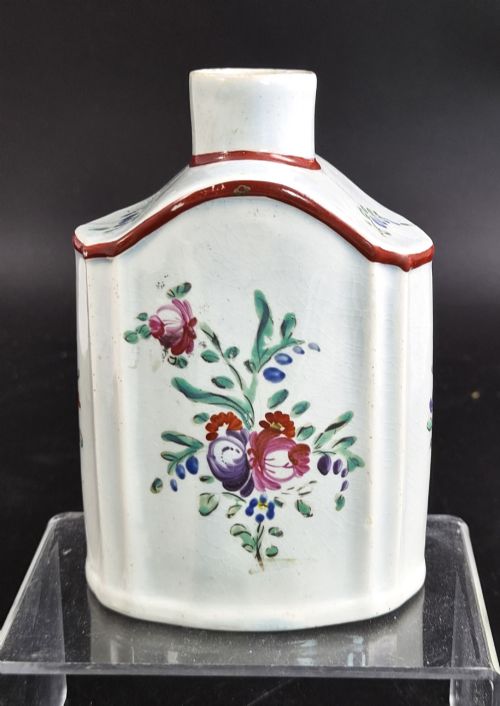
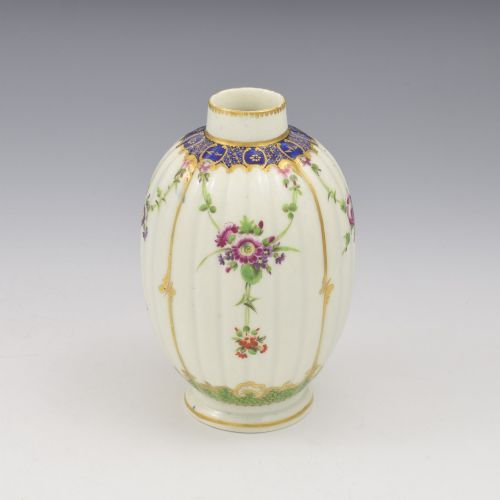
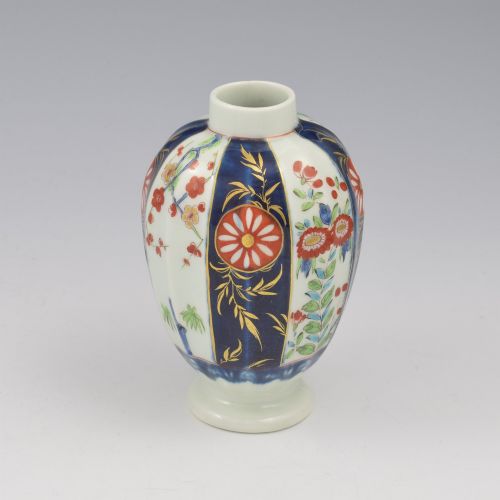

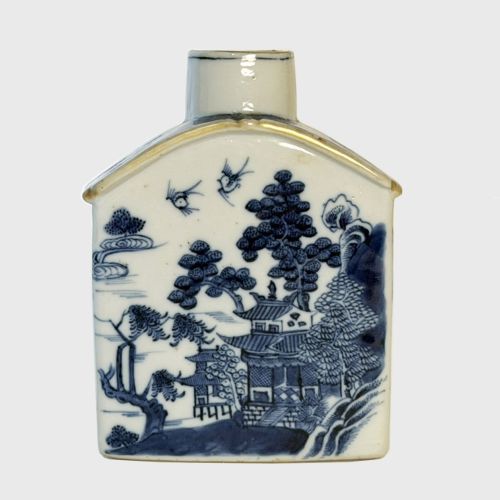


Hand Painted Tea Caddy
A hand painted tea caddy brings delicate artistry and rich period character to a room, offering a tangible link to the formal tea rituals of past centuries.
Hand Painted Tea Caddy
A hand painted tea caddy is a specialised storage vessel designed to keep precious tea leaves secure, taking forms such as traditional canisters, boxes, and jars. When exploring this selection, buyers encounter pieces originating from Georgian, Regency, and later periods including the nineteenth and early twentieth centuries.
The objects span diverse stylistic traditions, incorporating Georgian Chinoiserie, Chinese Export, Japanese Satsuma, and European porcelain designs. These containers reflect both domestic English cabinet-making and international ceramic traditions from factories such as Worcester, Leeds Pottery, and Dresden.
Forms range from wooden boxes finished with paint and lacquer to porcelain canisters and earthenware jars embellished with floral enamels, landscapes, and gold leaf. Many survivors function equally well today as decorative boxes or table lamps while retaining their historic aesthetic.
Materials and construction
Wooden examples utilise timbers like mahogany, shaped into boxes and finished with lacquer, paint, and gold leaf to create polished surfaces and decorative scenes. Artisans applied pigments directly to wood, sometimes building up layers in the Chinoiserie taste.
Ceramic pieces employ porcelain and earthenware, formed into canisters and jars before receiving detailed hand-painted decoration and enamel work. Gold leaf highlights and intricate floral or figural motifs were meticulously added before firing or glazing.
Metal components such as brass often appear as hinges, locks, and internal fittings on wooden boxes, providing structural integrity alongside decorative trim.
Hand Painted Tea Caddy Retail Price Guide 2026
Typical asking prices for hand painted tea caddy among the pieces listed under this phrase on Sellingantiques today, from the lower quarter to the upper quarter. They describe what is for sale here now, not the wider market.
Distinctions in quality
Quality rests upon the precision and execution of the hand-painted artistry, distinguishing finely detailed botanical or figural work from simpler decoration. The crispness of the brushwork and the preservation of the original paint surface dictate the visual impact of each piece.
The integrity of the underlying material, whether figured mahogany or high-grade porcelain, determines the durability and refined finish of the vessel. Superior craftsmanship shows in the harmonious alignment of decorative motifs with the physical form of the caddy.
Leeds Pottery·Kizan·Herend
The Hand Painted Tea Caddy Glossary
- Tea caddy
- A small vessel designed for storing loose tea leaves, which were once expensive commodities kept under lock and key. These containers evolved from simple wooden boxes to elaborate porcelain canisters.
- Chinoiserie
- A European stylistic movement reflecting Chinese artistic motifs, often featuring imaginary landscapes, figures, and pavilions painted in gold and bright colours. This style was particularly popular on Georgian furniture and lacquer boxes.
- Enamel
- A decorative glassy substance fused to metal, ceramic, or glass surfaces through firing, producing vibrant and durable colours. Floral enamels frequently adorn eighteenth-century porcelain canisters.
Hand Painted Tea Caddy: Frequently Asked Questions
What were tea caddies used for?
Tea caddies served as secure storage containers for expensive tea leaves when tea was a luxury commodity in British households. They frequently featured internal compartments and locking lids to restrict access.
Over time, these vessels transitioned from strictly utilitarian storage items into decorative display pieces that complemented formal parlour interiors.
How do I date a tea caddy?
Dating relies on identifying the underlying material, construction methods, and stylistic markers such as Regency curves or Georgian Chinoiserie motifs. Ceramic marks and specific painting techniques also offer clues to the decade of origin.
Comparing the hinges, locks, and wood types against known historical periods helps narrow down the exact time of manufacture.
How should I clean a painted tea caddy?
Painted surfaces require gentle dusting with a soft, dry cloth to prevent damage to historic pigments, lacquers, and gold leaf. Moisture and modern cleaning chemicals should be avoided entirely.
Keeping the caddy away from direct sunlight and fluctuating humidity protects both the wood and the delicate hand-painted details over time.
Can I still store tea inside them?
While historic tea caddies were built for dry leaf storage, modern users often reserve them for display due to the age of the materials. Lining deterioration or lingering odours can affect the quality of stored goods.
Many collectors prefer to use them as decorative boxes or accent pieces rather than active kitchen storage.