
Georgian Tea Caddy Box
A georgian tea caddy box held the dry leaves that once carried immense social value in British homes.
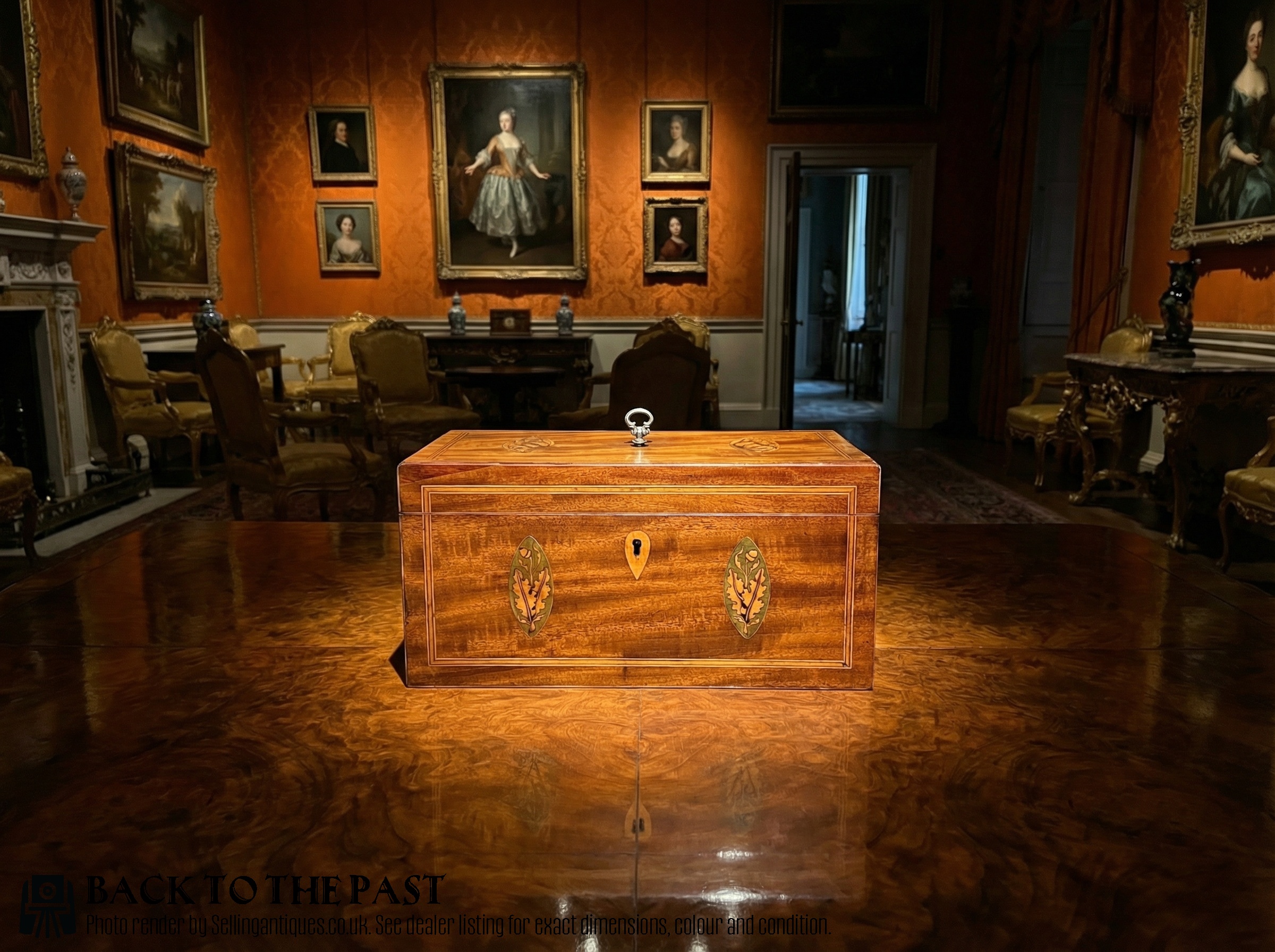
Georgian Tea Caddy Box
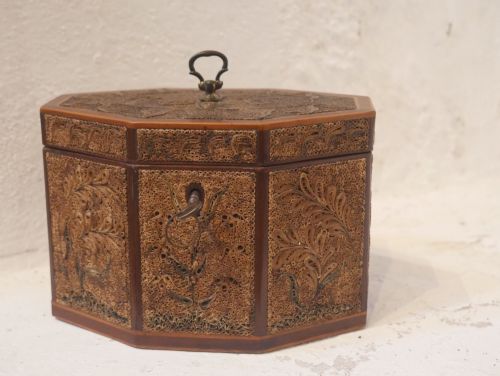
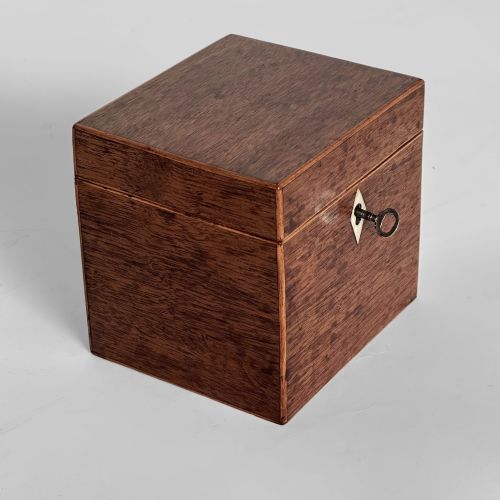
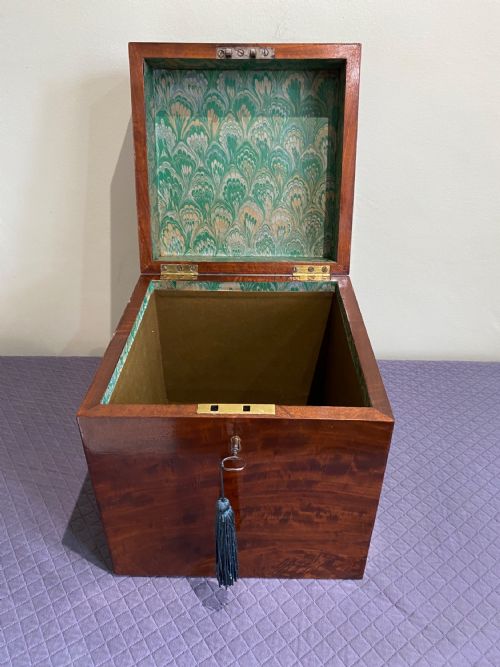
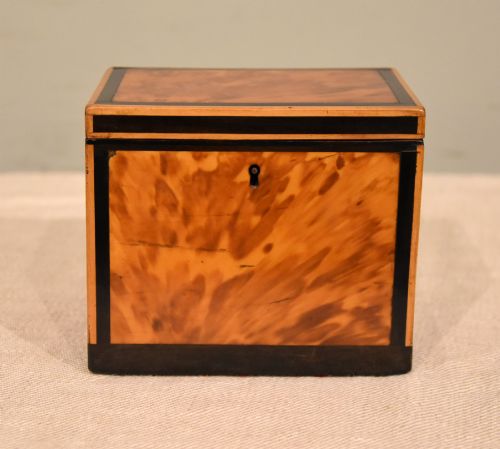
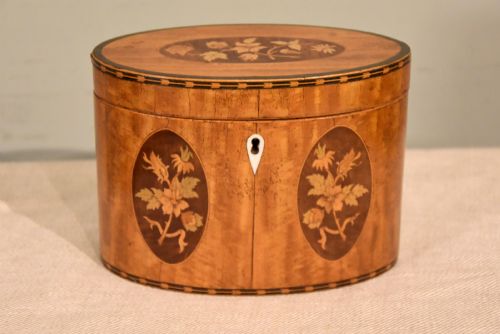
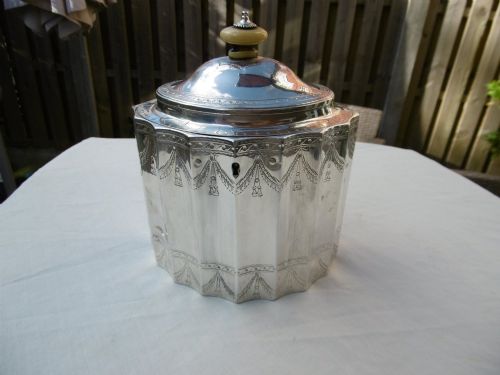
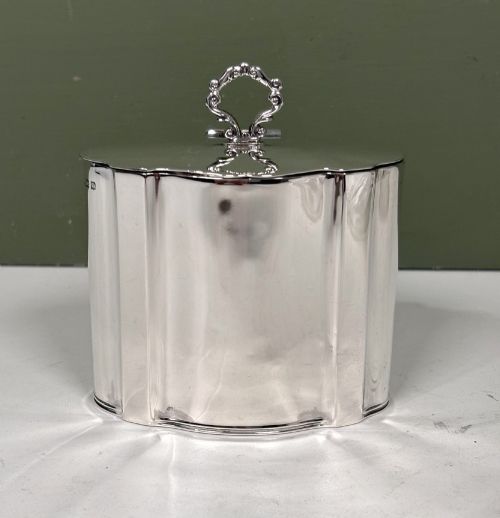
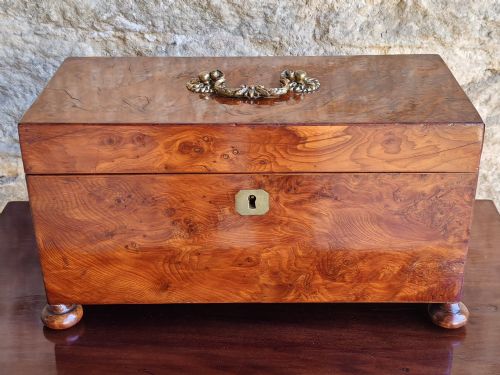
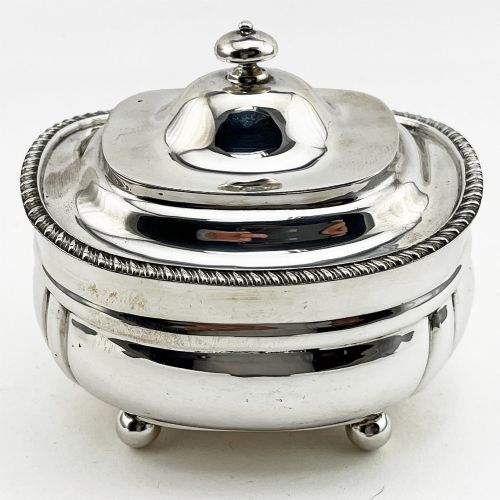
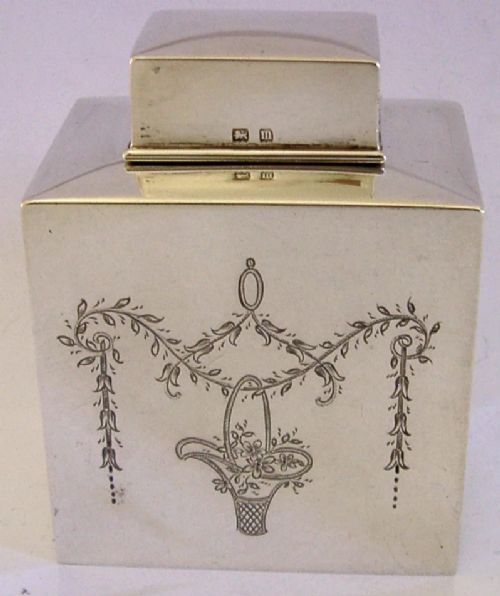
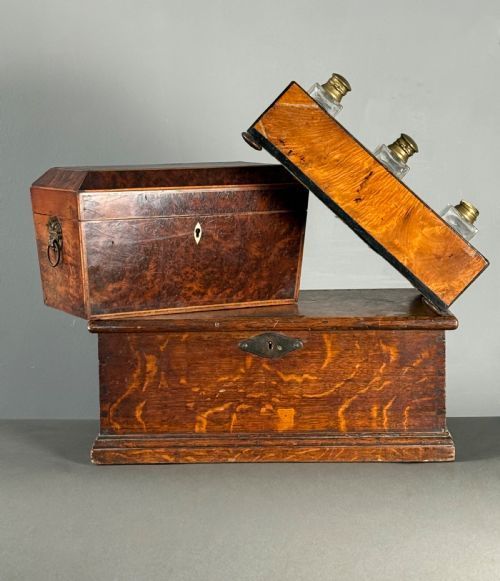
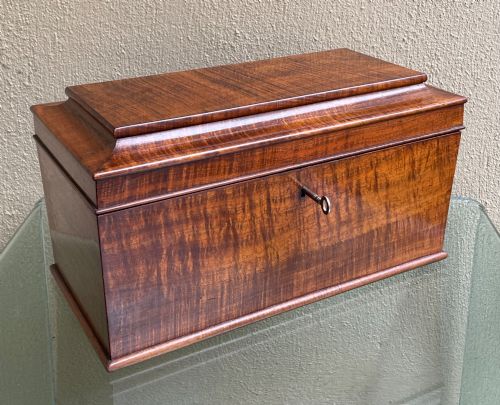
A georgian tea caddy box is a specialised container built to store precious leaves securely under lock and key. The examples seen here include mahogany, rosewood, and satinwood vessels spanning the eighteenth and nineteenth centuries.
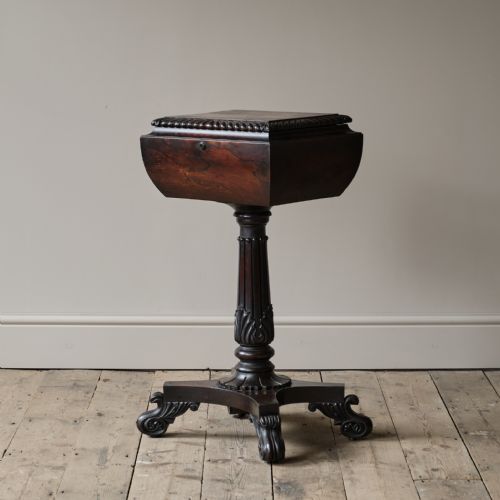
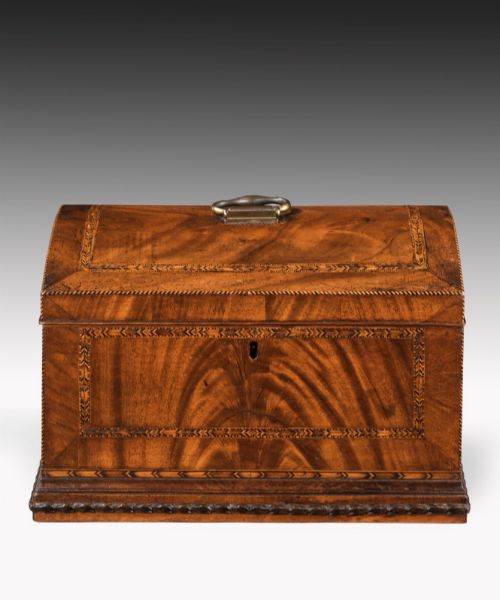
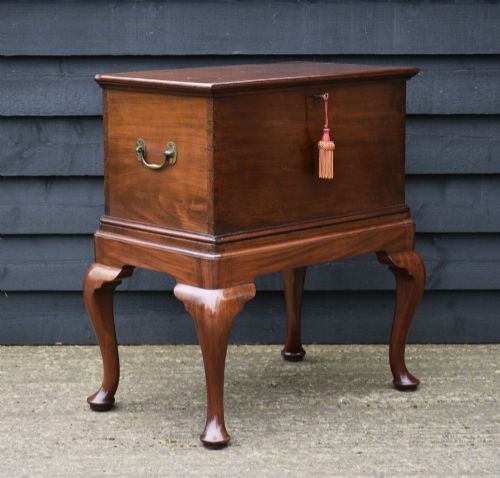
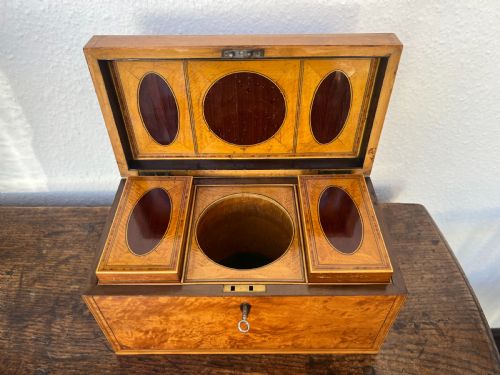
Most pieces take rectangular, hexagonal, or sarcophagus forms, occasionally standing upon dedicated pedestals or table frames known as teapoys. Interiors frequently contain divided compartments alongside fitted spaces for mixing bowls.
Makers adapted vernacular furniture designs into compact receptacles, applying brass handles, lion masks, or brass stringing to mark their utility in formal reception rooms.
Materials and Construction
Carpenters constructed these boxes using dense timbers like mahogany, walnut, and rosewood, often veneered over secondary woods. Decorative surfaces rely on boxwood, ebony, and satinwood stringing, alongside delicate paper filigree and shell inlay.
Metal elements such as brass locks, hinges, and carrying handles provide structural reinforcement. Internal fittings incorporate bone details, mother-of-pearl, and occasionally cut glass mixing bowls.
Several miniature boxes survive in exceptionally tiny dimensions, built purely to test a young apprentice woodworker's joinery skills.
Distinctions in Execution
Superior execution shows in the precision of the parquetry, geometric stringing, and balanced wood grain selection across curved or flat surfaces. Lesser examples utilise plain timber planks with minimal decorative banding.
The integrity of internal divisions, surviving mixing bowls, and original locking mechanisms with functional keys distinguish pieces that retain their complete domestic context from those altered over time.
Robert Hennell·Zimmermann·William Rudkins·Edward Barnard Son
The Georgian Tea Caddy Box Glossary
- Teapoy
- A freestanding piece of furniture comprising a tea caddy box mounted on a central pillar or legs. These stands appeared in refined drawing rooms during the Regency period.
- Sarcophagus
- A distinct box shape featuring a domed or sloping lid resting on a rectangular base, frequently fitted with side handles. This form gained popularity during the early nineteenth century.
- Stringing
- Thin inlaid lines of contrasting wood, such as boxwood or ebony, used to outline panels and geometric borders on box lids and sides.
- Parquetry
- Geometric mosaic woodwork arranged in patterns like cubes or herringbone to decorate exterior surfaces. It requires meticulous cutting of different timber species.
- Navette
- A boat-shaped oval profile with pointed ends, utilised for specific decorative tea caddy forms during the Georgian era.
Georgian Tea Caddy Box: Frequently Asked Questions
What was inside a georgian tea caddy box?
These boxes contained two or three lidded canisters designed to keep black and green teas separate and dry. Many also held a central glass bowl used for blending different leaves before brewing.
Because tea was a costly commodity, the entire chest remained locked, managed strictly by the head of the household.
How do you date a wooden tea caddy?
Dating relies on timber choices, construction techniques, and decorative motifs like Neoclassical stringing or Regency brass inlay. Earlier pieces often display plain mahogany or simple oval shapes, while later nineteenth-century examples favor sarcophagus outlines and heavier rosewood veneers.
Internal hardware, such as handmade brass locks and hinges, also offers clues to the decade of manufacture.
Were these boxes only used for tea?
Although designed specifically for dry tea storage, many surviving containers transitioned into jewellery boxes or general keepsake cases over time. Fitted interiors with removable compartments made them adaptable for storing small personal valuables.
Some examples show evidence of inkwells or writing accessories added during later domestic use.
What is Tunbridge ware?
Tunbridge ware refers to a specialised form of mosaic woodwork produced in Kent, featuring intricate pictorial or geometric designs assembled from thousands of tiny wood blocks. These decorative panels were applied directly to the exterior of tea caddies and small boxes.
Craftsmen utilised the natural colours of British timbers to create detailed floral and architectural motifs without using paint.