


Georgian Tallboy Desk
A georgian tallboy desk combines towering vertical storage with a concealed writing surface, offering a practical workspace without sacrificing floor space.
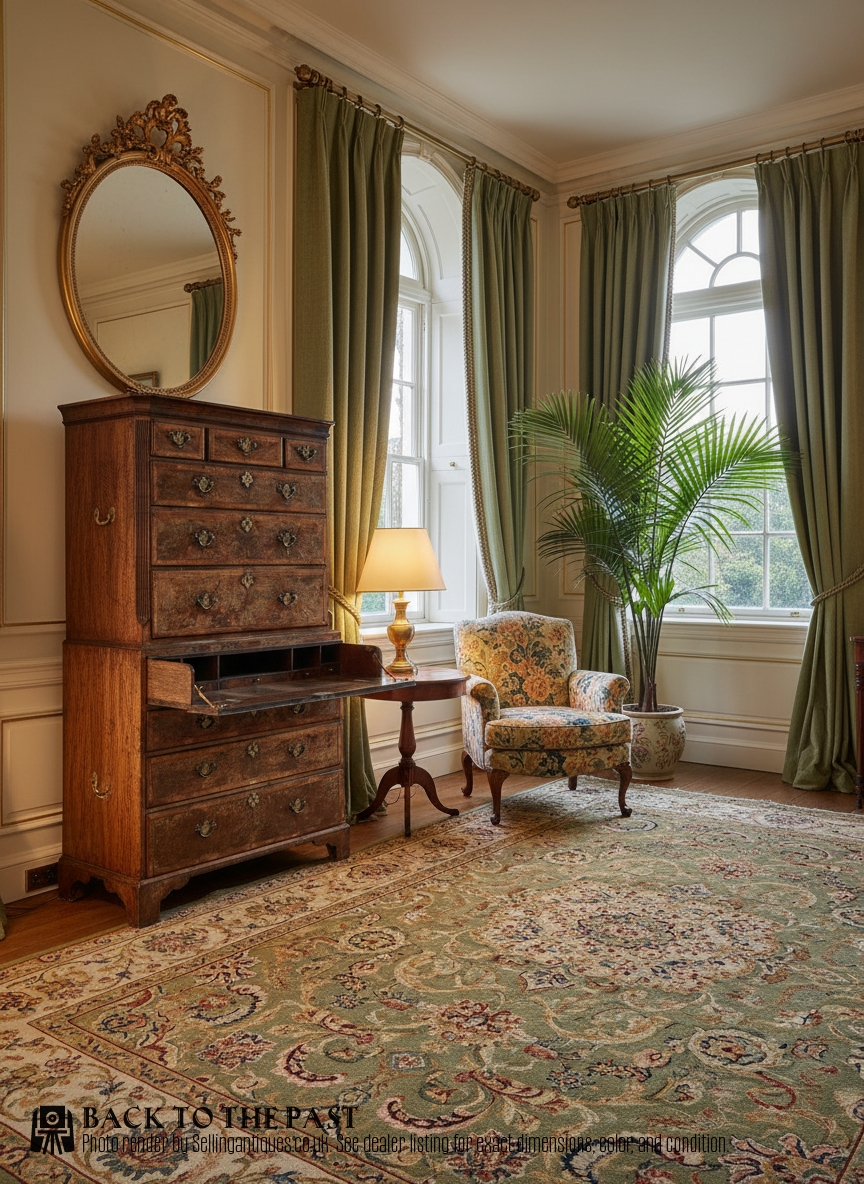
Georgian Tallboy Desk
A georgian tallboy desk bridges the gap between a tall chest on chest and a writing cabinet, bringing together generous drawer capacity and a dedicated writing compartment. Buyers searching this phrase encounter pieces that span the eighteenth and early nineteenth centuries, reflecting shifts in domestic organisation and writing habits.
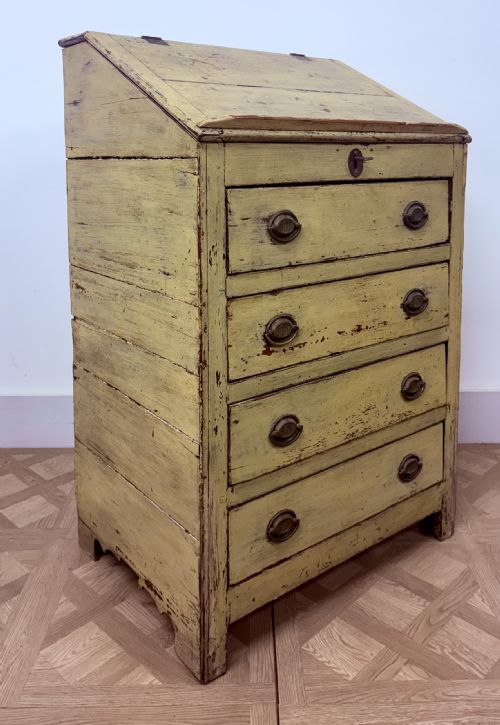
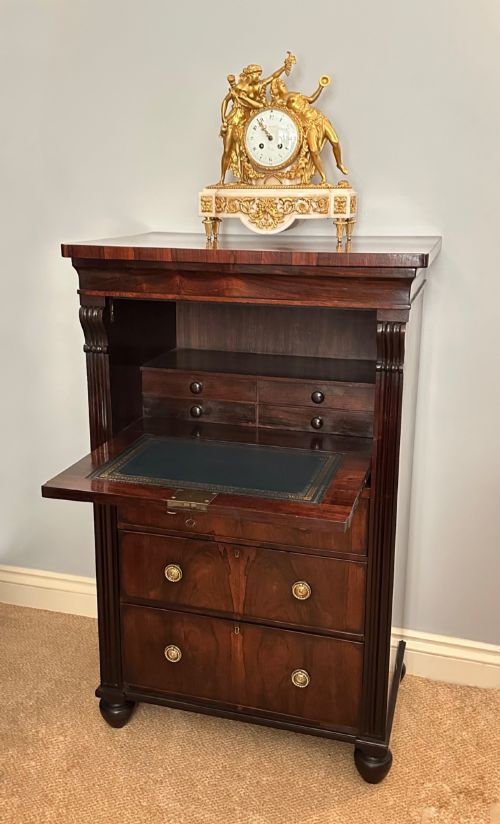
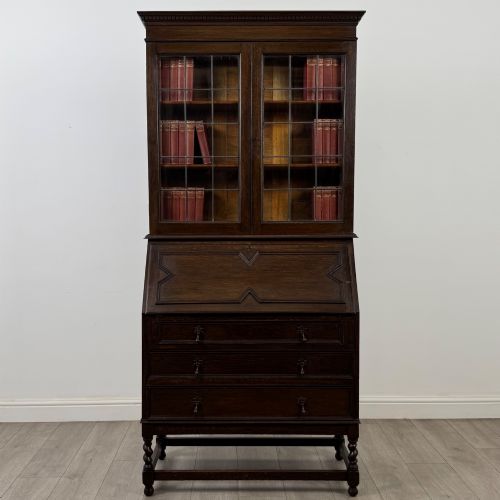
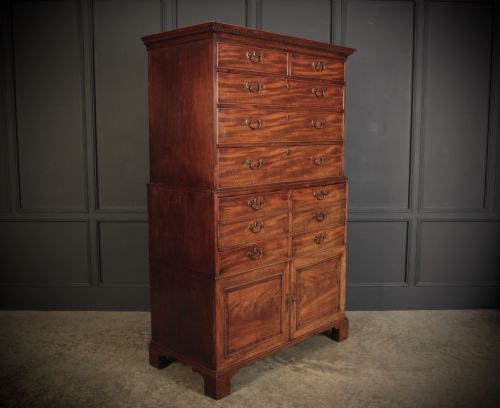
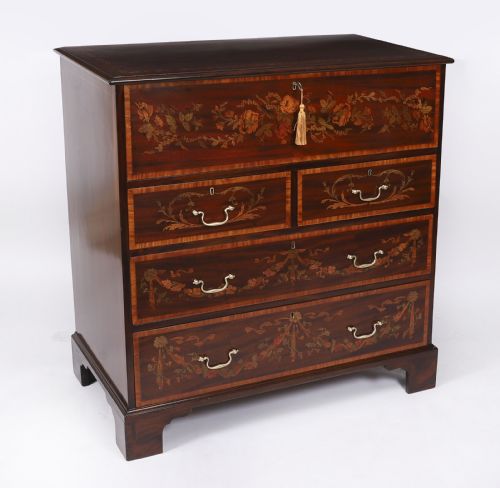
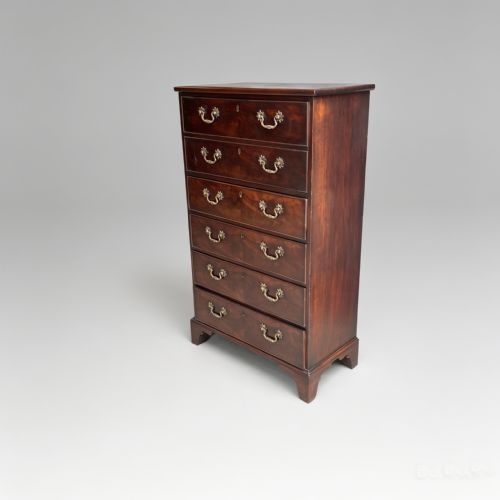
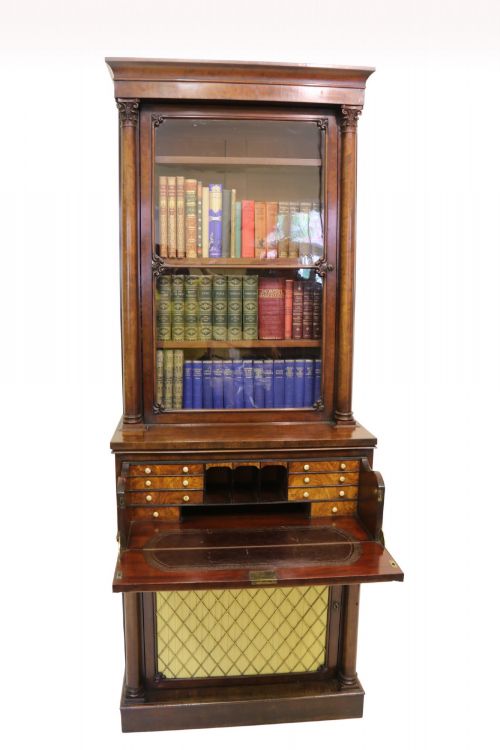
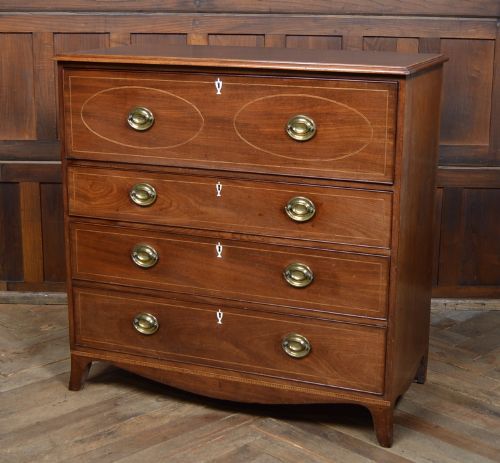
The versions most common on this page appear as secretaire chests, tallboys, and bureau bookcases, constructed from timbers such as mahogany, walnut, and oak. These multi-tiered forms give domestic interiors considerable height while housing fitted internal drawers and pigeonholes behind a drop-down writing flap.
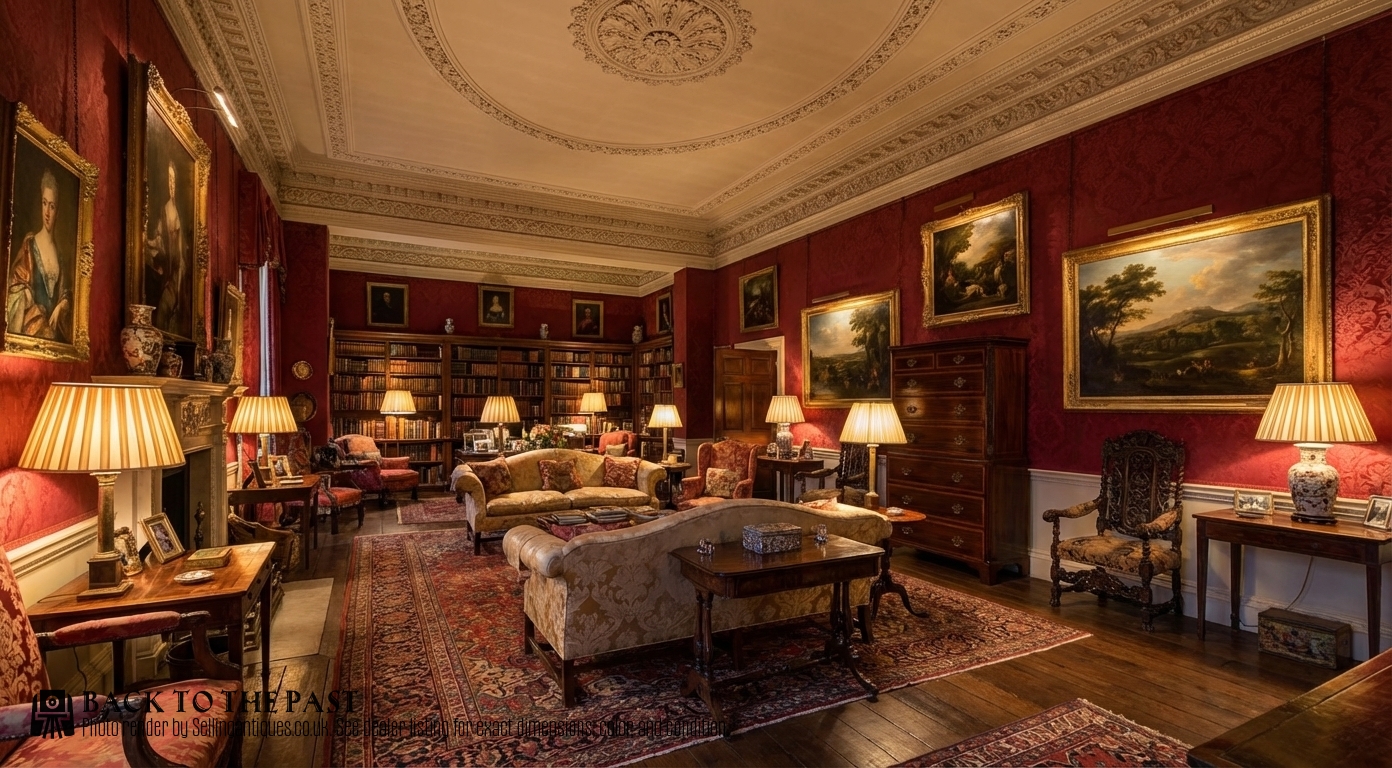
Materials and Construction
Cabinet makers relied primarily on dense hardwoods like mahogany and figured walnut, often laid over secondary timbers such as oak and pine. These primary woods were selected for their grain and stability, allowing craftsmen to create robust carcasses capable of supporting multiple heavy drawers.
Brass hardware, glass panes, and leather or baize writing inserts completed the construction. Drawers utilised hand-cut dovetail joints, while secretaire drawers incorporated complex interior fittings of small drawers, pigeonholes, and occasionally concealed compartments operated by secret catches.
Listings feature eighteenth and nineteenth-century periods, spanning walnut, mahogany, oak, and pine construction.
Distinguishing Quality
Quality rests heavily on the choice of timber and the precision of the cabinet work, particularly in the figure of the mahogany or walnut veneer. Higher standard pieces exhibit continuous, matched grain across drawer fronts and cornices, alongside subtle details like cross-banding and fine string inlay.
The internal architecture of the secretaire drawer distinguishes finer examples from simpler provincial pieces. Well-executed pigeonholes, shaped drawer dividers, and intact original brass handles and escutcheons indicate superior workshop production.
Gillows of Lancaster
The Georgian Tallboy Desk Glossary
- Tallboy
- A tall chest of drawers constructed in two sections, placing one smaller chest on top of a larger base chest. This form maximises storage capacity while maintaining a smaller footprint in a room.
- Secretaire
- A desk drawer featuring a drop-front flap that opens to reveal a writing surface and internal compartments. It allows a chest of drawers or bookcase to function as a writing desk.
- Bureau Bookcase
- A piece of furniture combining a sloping or drop-front writing desk base with a glazed or panelled cabinet superstructure. They provide both display space and a concealed writing area.
- Dovetail
- A joint formed by interlocking wedge-shaped fingers, crucial for securing drawer corners. Hand-cut versions demonstrate traditional cabinet-making skill.
- Press Cupboard
- A large storage piece featuring linen presses or hanging space enclosed by upper doors above a chest base. Some examples incorporate a central writing drawer.
Georgian Tallboy Desk: Frequently Asked Questions
How do I use a secretaire drawer?
The front of the top drawer pulls forward and hinges downward to horizontal, supported by internal brass arms or wooden lopers pulled from the carcass.
This reveals a fitted interior with small drawers and pigeonholes for correspondence, leaving enough knee room to sit and write.
Where should I place a tallboy?
Because these pieces combine height with a relatively compact footprint, they suit bedrooms, studies, or hallways where floor space is limited.
Ensure adequate clearance in front of the piece so the drop-down writing drawer can open fully without obstruction.
How do I date a Georgian piece?
Dating relies on timber choices, drawer construction methods, and hardware styles across different reigns within the Georgian period.
Early eighteenth-century examples often favour walnut with feather banding, while later decades transition to figured mahogany and neoclassical inlay.
What is the difference between a tallboy and a chest on chest?
While the terms are often used interchangeably today, a traditional tallboy typically refers to a single tall chest on legs, whereas a chest on chest stacks two full carcasses.
Pieces with a georgian tallboy desk designation specifically incorporate a writing drawer into the upper section of a double-stack carcass.