


Georgian Table Caddy
A georgian table caddy provides a handsome focal point for a period interior while keeping dry leaf secure.
Georgian Table Caddy
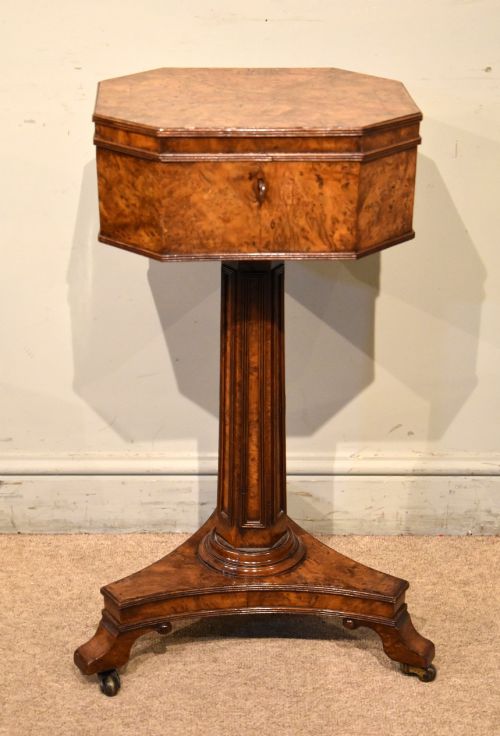
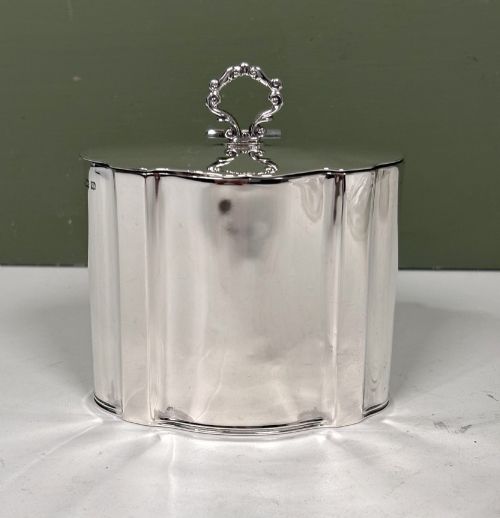
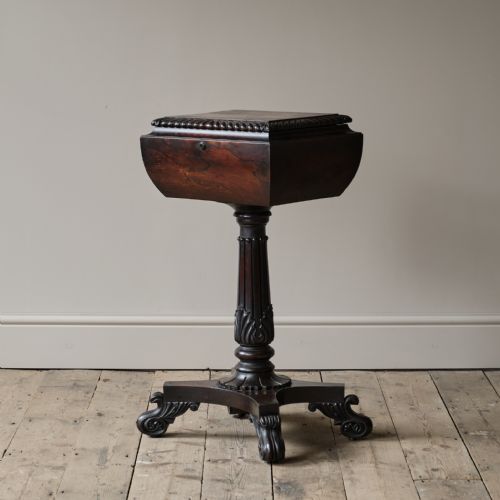
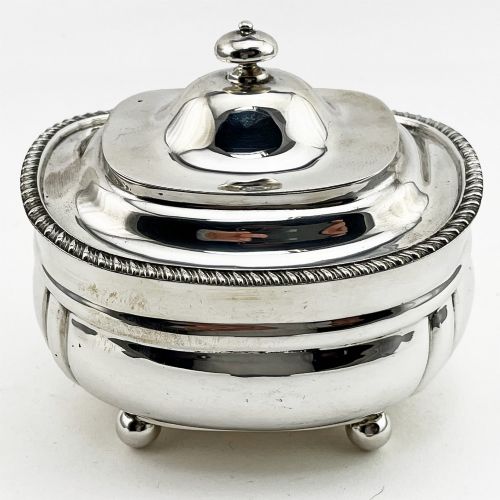
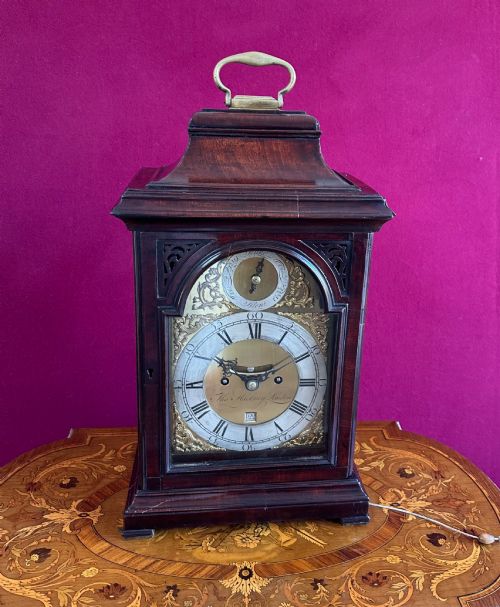
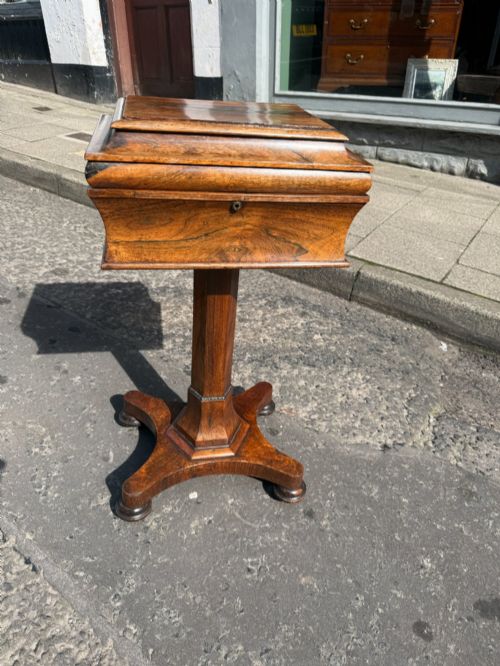
A georgian table caddy encompasses substantial tea tables, sarcophagus-shaped boxes on stands, and refined wooden caddies originating from the eighteenth and nineteenth centuries. These items served a practical domestic purpose in elite households by storing precious loose-leaf tea under lock and key.
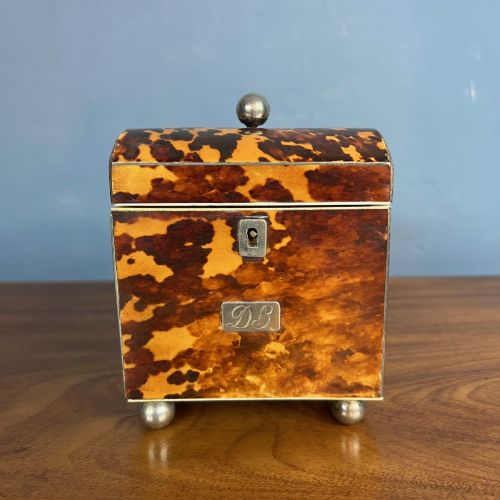
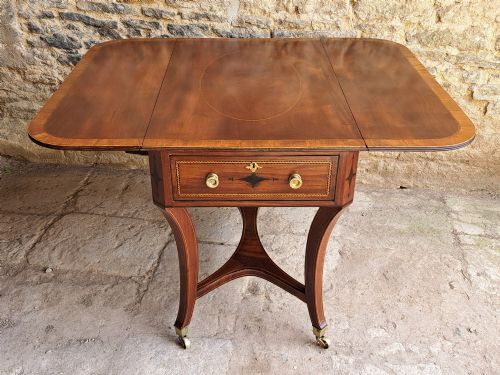
Buyers will encounter various forms ranging from freestanding mahogany teapoys supported on pillar legs to smaller tabletop wooden boxes embellished with tortoiseshell or mother-of-pearl. Pieces spanning the Regency and Edwardian eras also appear alongside the core Georgian examples.
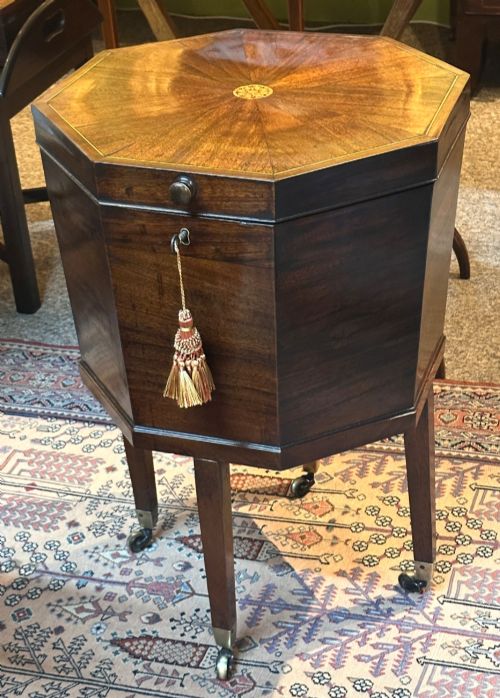
The selection extends to related storage forms such as cellarettes, work tables, and decorative caskets alongside standard tea-holding vessels.
How they were made
Cabinetmakers utilised dense timbers including mahogany, rosewood, and satinwood, frequently applying brass inlay or shell marquetry to embellish the exterior surfaces. Construction relied on traditional joinery techniques to maintain structural stability in wood subject to shifting indoor climates.
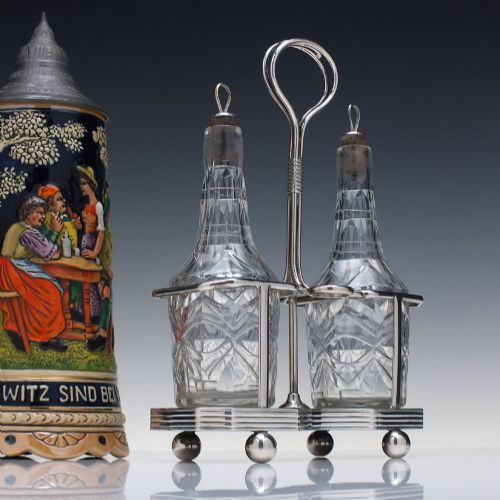
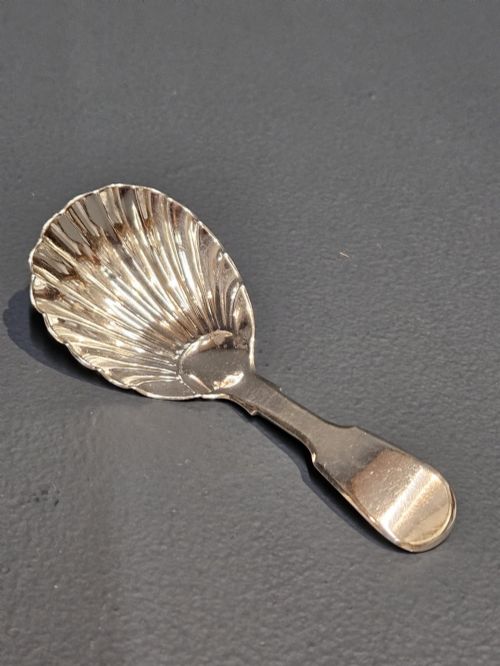
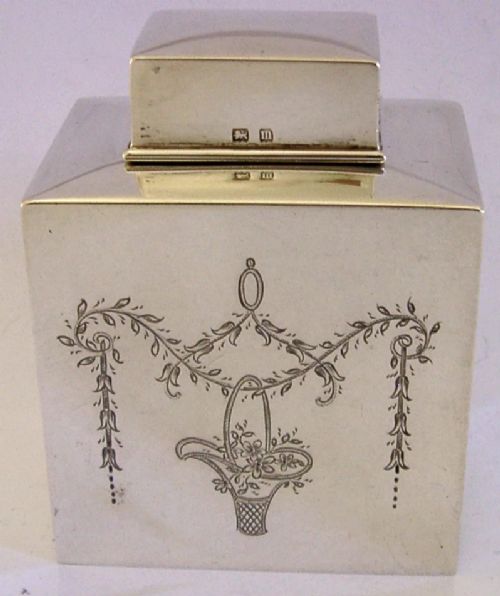
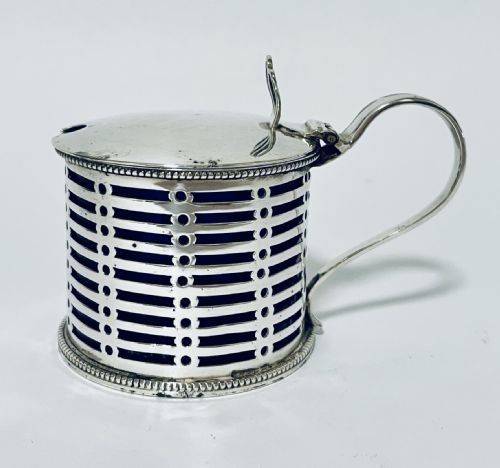
Metal elements incorporate cast brass for mounts, handles, and escutcheons, alongside solid sterling silver for domestic caddies produced by silversmiths. Glass components also appear internally as mixing bowls within fitted teapoys or as separate liners.
Georgian Table Caddy Retail Price Guide 2026
Typical asking prices for georgian table caddy among the pieces listed under this phrase on Sellingantiques today, from the lower quarter to the upper quarter. They describe what is for sale here now, not the wider market.
What varies in quality
The degree of craftsmanship shows in the precision of timber selection, such as richly figured rosewood veneers or finely matched mahogany grain across the lid and panels. Superior examples display meticulous attention to interior fittings, including intact mixing bowls and original locking mechanisms.
Proportion and decorative restraint distinguish finer pieces from simpler utilitarian containers, with integrated stands and complex brass inlay demanding higher skill from the maker.
Zimmermann·Mappin & Webb·John Taylor·Watson
The Georgian Table Caddy Glossary
- Teapoy
- A freestanding container or small table designed for holding tea, typically supported on a central pillar with tripod feet or a robust box stand. They frequently contain internal compartments and mixing bowls.
- Cellarette
- A lockable cabinet or box designed to hold bottles of wine and spirits securely within a dining room. These large receptacles often match the timber and style of contemporaneous sideboards.
- Sarcophagus
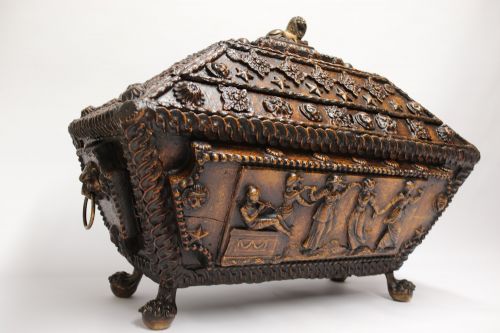
- A distinct burial-chest coffin shape with a domed lid adopted by cabinetmakers for large decorative boxes and tea caddies during the Regency period. This profile gives the wooden body a monumental architectural presence.
- Navette
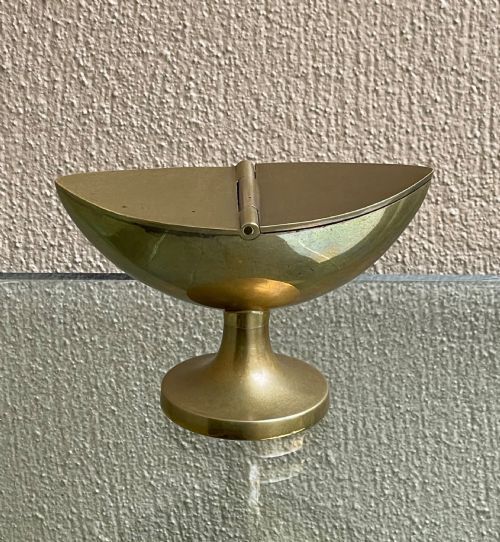
- A pointed, boat-shaped outline popular for small decorative boxes and snuff containers during the Georgian era. The symmetrical curved ends taper gracefully to distinct points.
Georgian Table Caddy: Frequently Asked Questions
What is a georgian table caddy used for?
These boxes stored expensive tea leaves safely away from humidity and household servants in historic homes.
The lockable lid ensured precious commodities remained controlled while providing an ornamental centrepiece for parlour entertaining.
How do I distinguish Regency from Georgian pieces?
Regency items generally display bolder architectural forms, such as sarcophagus profiles and heavy brass inlay upon dark rosewood.
Earlier Georgian work often favours mahogany timber with subtle carving, bracket feet, and restrained brass mounts.
Can I use a teapoy as a side table?
Freestanding teapoys function well as compact occasional tables beside armchairs or sofas within modern living spaces.
Their internal compartments also offer convenient storage for small household items while maintaining period character.
What timbers were used for these boxes?
Mahogany served as the primary structural wood through much of the eighteenth century for its strength and rich reddish-brown tone.
Finer nineteenth-century examples incorporated exotic imported timbers like rosewood and satinwood alongside tortoiseshell and mother-of-pearl veneers.