
Georgian Style Wall Glass
A georgian style wall glass brings depth and light to a room through traditional proportions and mirrored plates.
Georgian Style Wall Glass
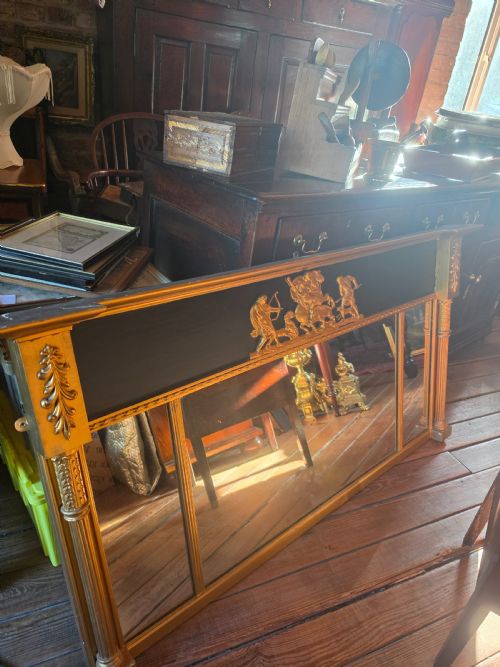
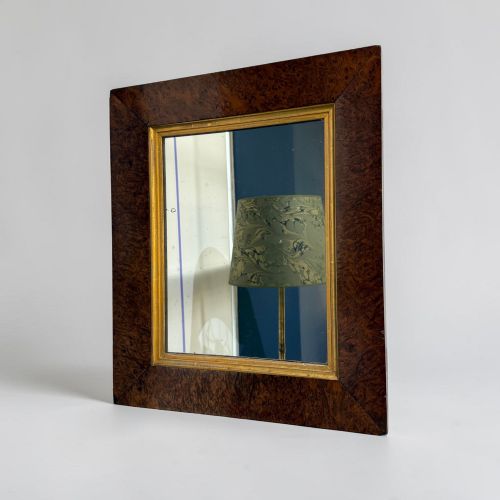
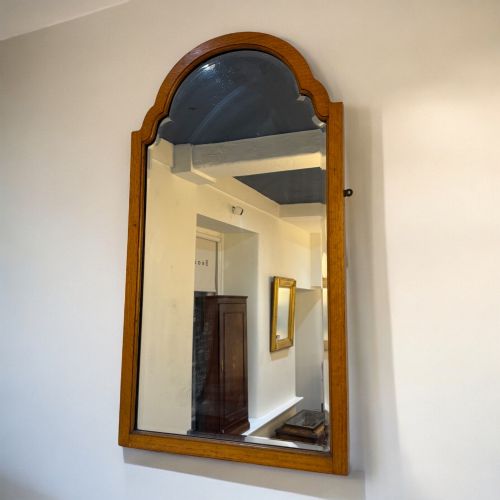
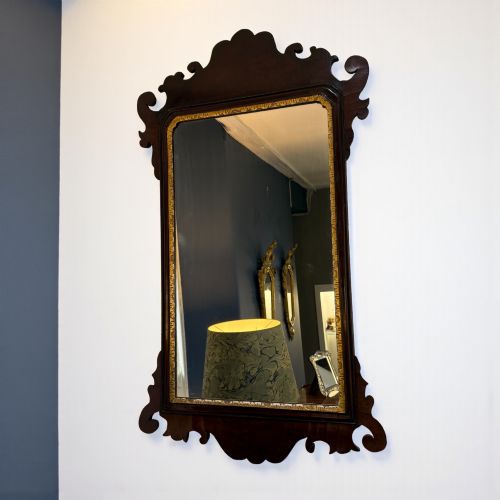
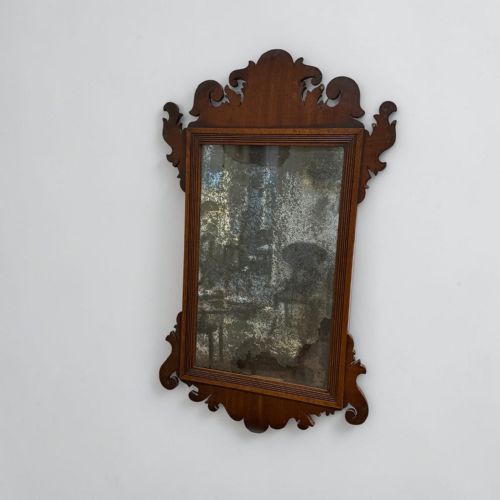
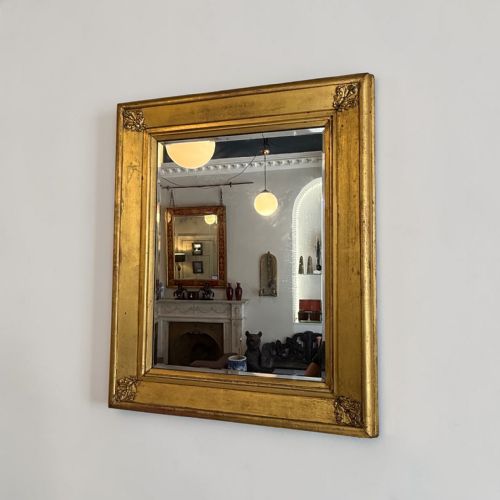
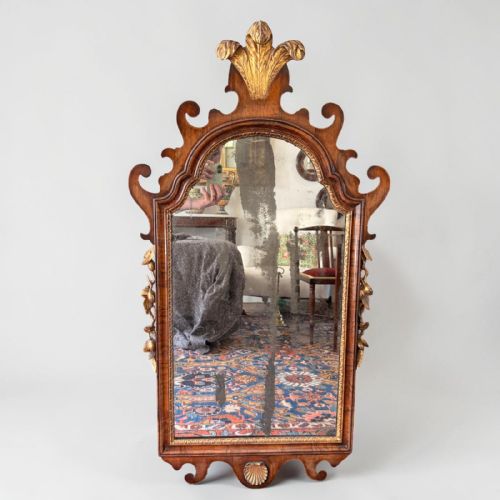
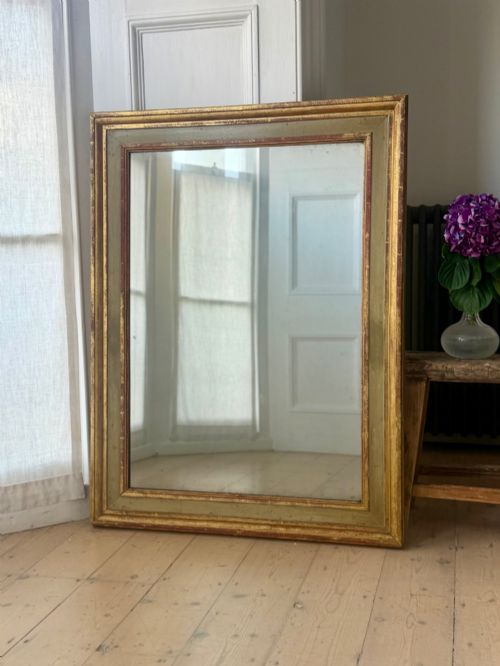
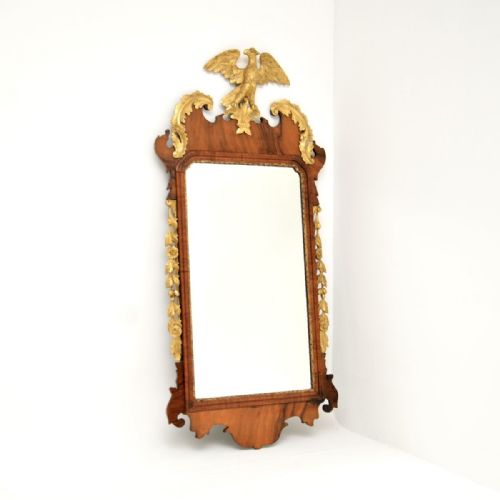
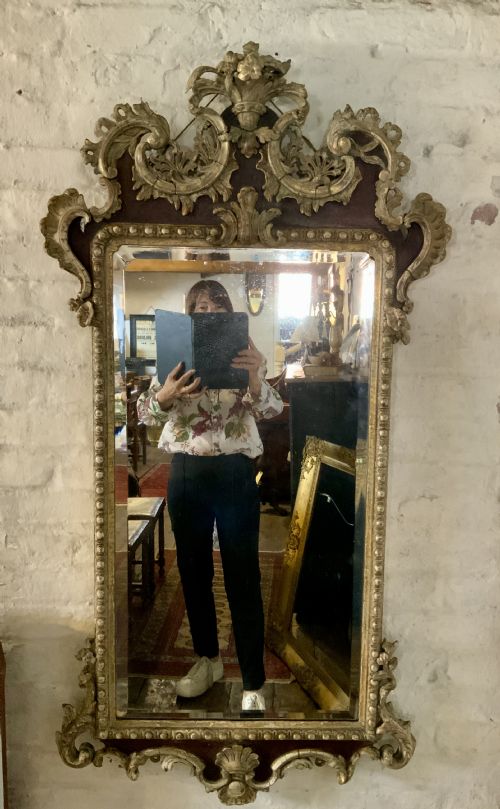
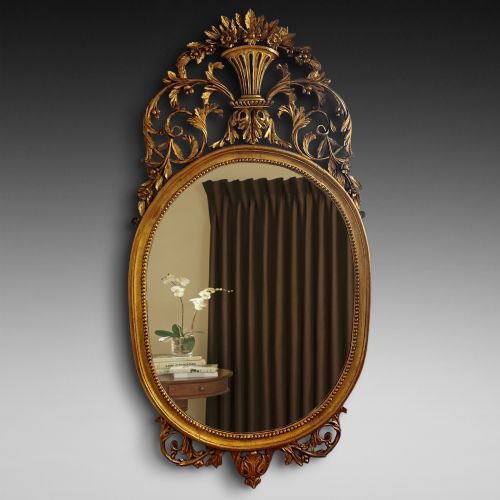
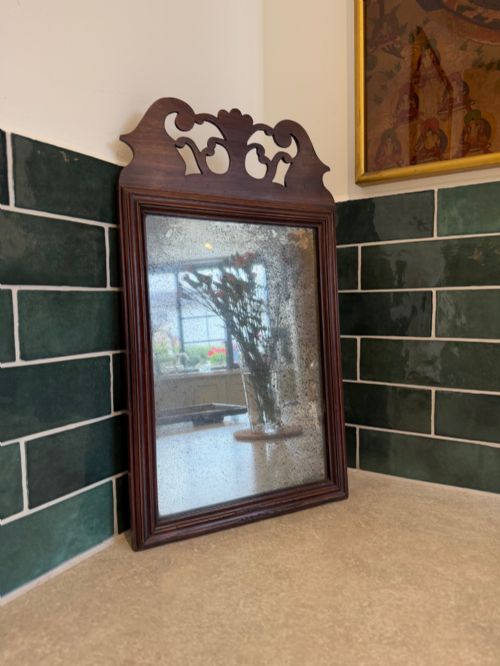
A georgian style wall glass encompasses several distinct forms designed to hang in domestic interiors, ranging from tall pier mirrors to broad overmantel pieces and circular convex looking glasses. These items appear across various periods, including authentic 18th century examples alongside later revival pieces produced in the 19th and early 20th centuries.
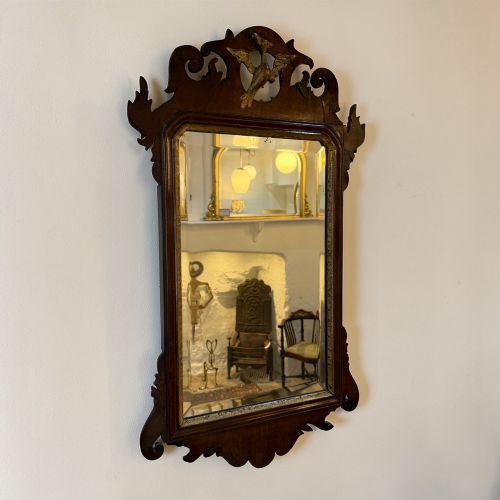
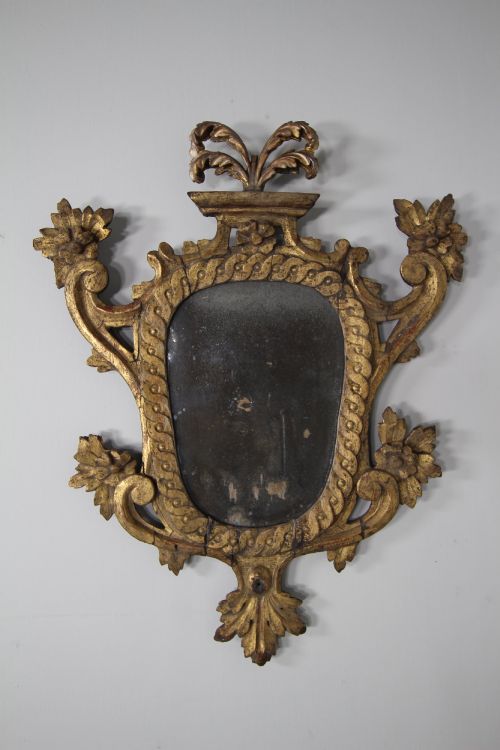
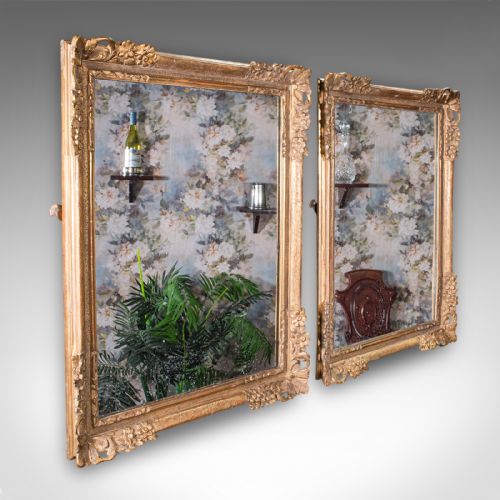
The materials span traditional timber frames such as mahogany, walnut, and carved wood alongside ornate surfaces finished in gesso, gold leaf, and giltwood. Many incorporate fretwork panels, shell inlays, or painted details including Chinoiserie motifs.
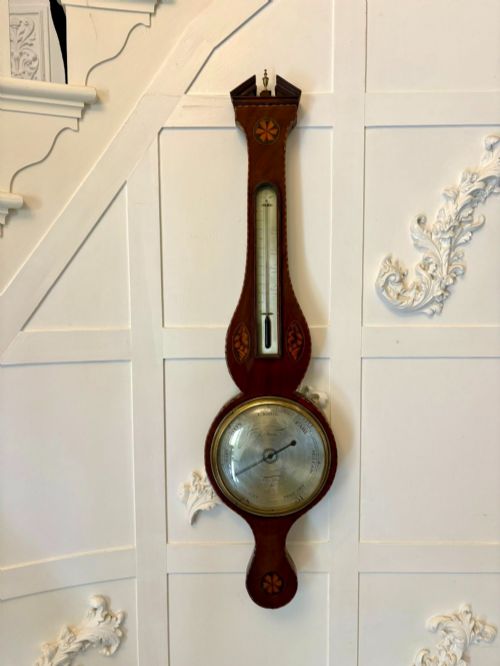
Buyers encounter different stylistic influences within this category, from George II and George III designs to Regency, Neoclassical, and Chippendale revival interpretations. Pier mirrors and overmantel mirrors dominate the selection alongside smaller wall barometers and decorative framed plates.
Assessing quality and craftsmanship
The crispness of the hand carving distinguishes finer examples from later or more commercial production, particularly in the depth of the gesso work and the sharpness of the wooden fretwork. Superior pieces display intricate detailing such as applied birds, squirrels, or floral motifs executed with precision.
The integrity of the original mirror plate heavily influences the character of the piece, with period mercury glass or aged silvering showing authentic patination. Frame construction utilising well-seasoned timbers and traditional joinery maintains structural stability across centuries of hanging.
The selection includes regional English and continental European works, encompassing styles from Queen Anne to Grand Regency.
Gillows Of Lancaster·William Kent·John Belchier
The Georgian Style Wall Glass Glossary
- Parcel gilt
- Part gilt, describing a wooden frame where only specific carved details or raised edges receive a gold leaf finish while the underlying timber remains visible.
- Gesso
- A plaster mixture applied to wood frames as a smooth base for subsequent gilding with gold leaf.
- Fretwork
- Openwork ornamentation cut from thin wood using a scroll saw or piercing technique, commonly seen on the crests and ears of mirrors.
- Pier glass
- A tall, narrow mirror traditionally hung on the wall space between two windows.
- Overmantel mirror
- A wide horizontal looking glass designed specifically to hang above a fireplace mantelpiece.
- Convex glass
- A round, curved mirror plate that provides a wide-angle reflection of the interior space.
Georgian Style Wall Glass: Frequently Asked Questions
How do I identify a true period piece?
Examine the construction methods behind the frame, as older pieces utilise hand-cut joinery and aged timbers that differ from modern production.
The backing boards, fixing methods, and the condition of the mirror plate itself provide reliable indicators of age.
Where should I hang an overmantel mirror?
These large horizontal mirrors fit naturally above a fireplace mantelpiece where they reflect light and anchor the surrounding room layout.
Ensure the wall fixings match the substantial weight of the timber and giltwood frame.
What is the difference between a pier mirror and an overmantel?
Pier mirrors are vertically proportioned to occupy narrow wall sections, often between windows or above matching side tables.
Overmantel mirrors are built wider than they are tall to span the horizontal space above a chimney breast.
How do I care for antique giltwood frames?
Dust the carved surfaces gently with a soft, dry brush to prevent the accumulation of particles without disturbing the delicate gold leaf.
Avoid liquid cleaners entirely, as moisture damages both the gesso base and the historic gilding.