

19th Century Looking Glass
A 19th century looking glass brings functional depth and reflective warmth to a room, drawing the eye with period craftsmanship and gilt surfaces.
19th Century Looking Glass
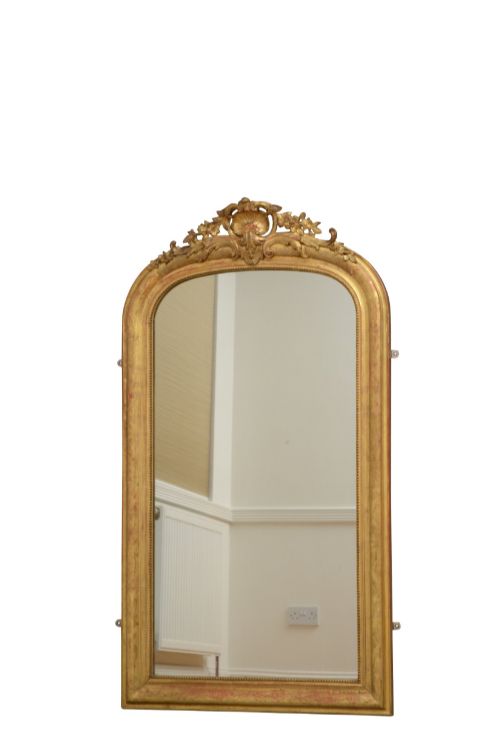
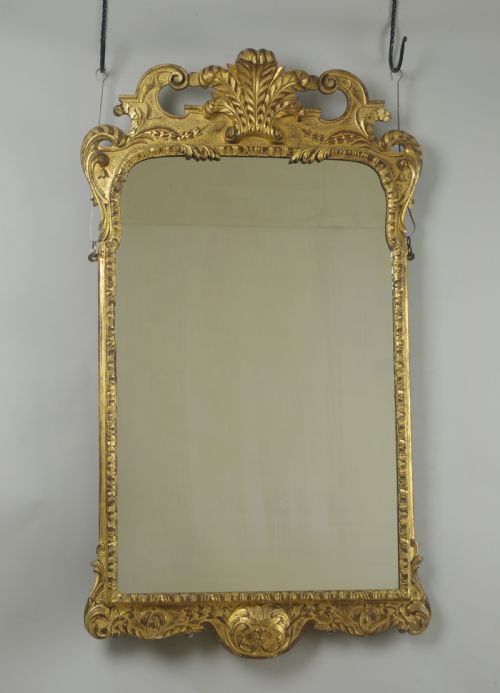
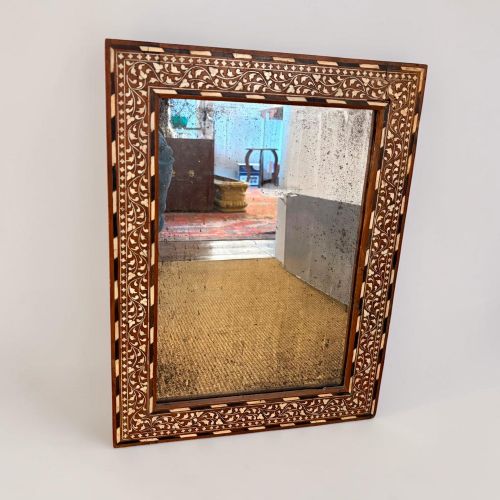
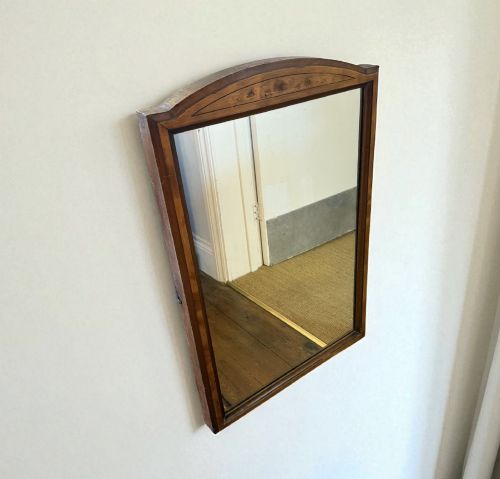
A 19th century looking glass is a wall-hanging mirror designed to catch and multiply light within a room, utilising frames shaped by the aesthetic movements of the era. Buyers seeking this phrase encounter wall mirrors, overmantles and hanging plates from the Regency, Victorian and late nineteenth-century periods.
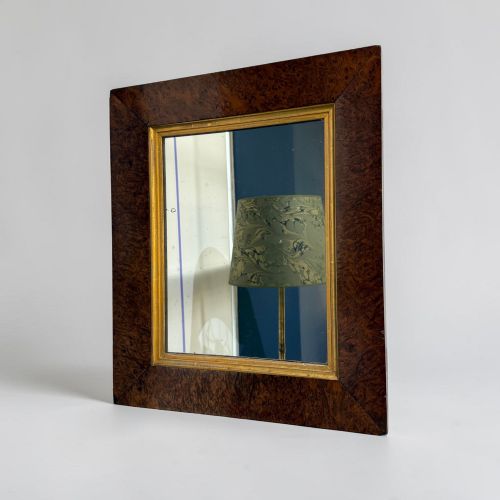
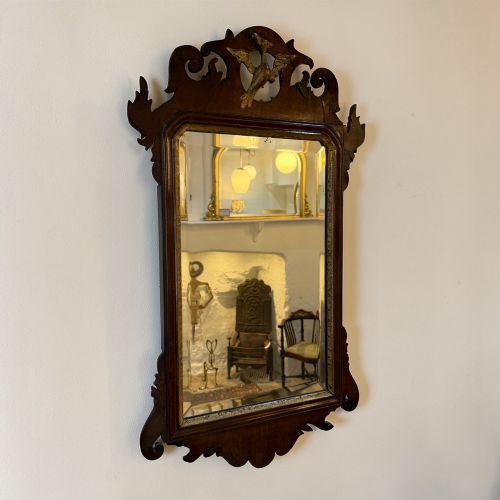
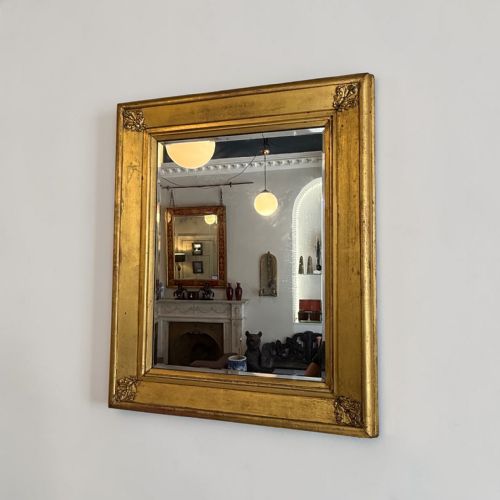
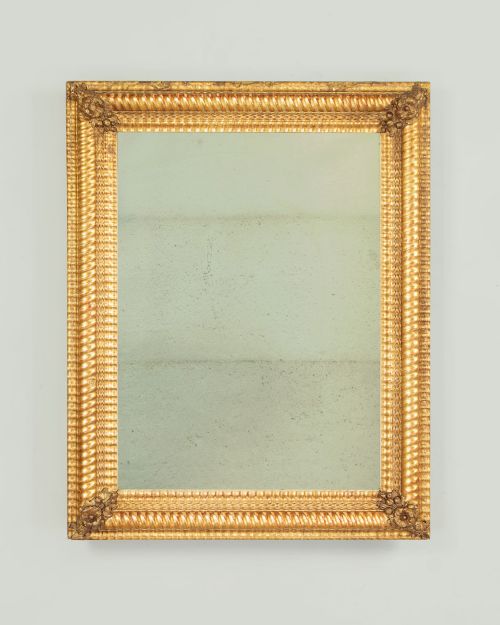
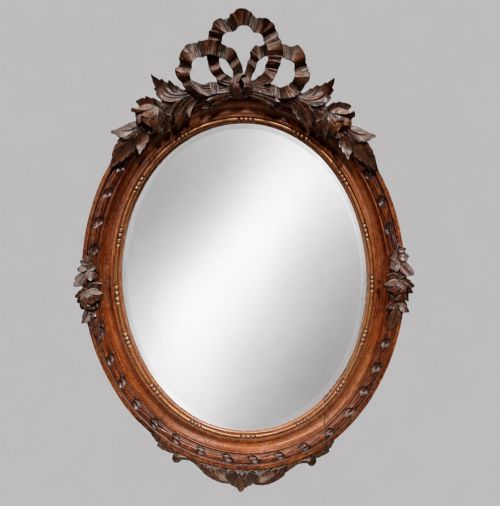
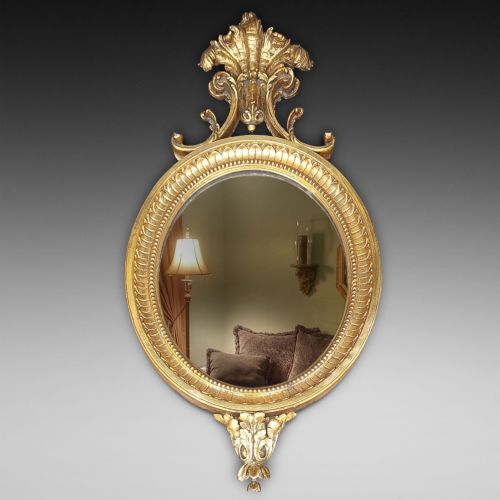
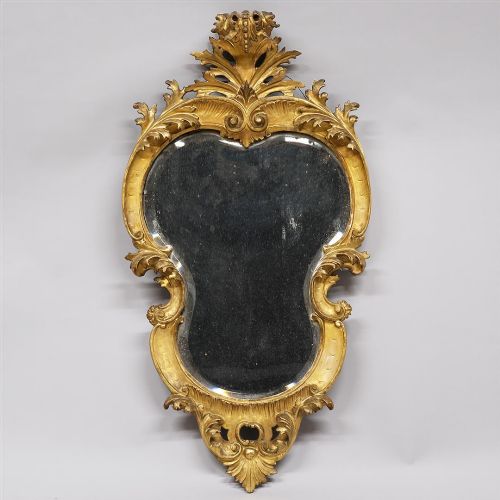
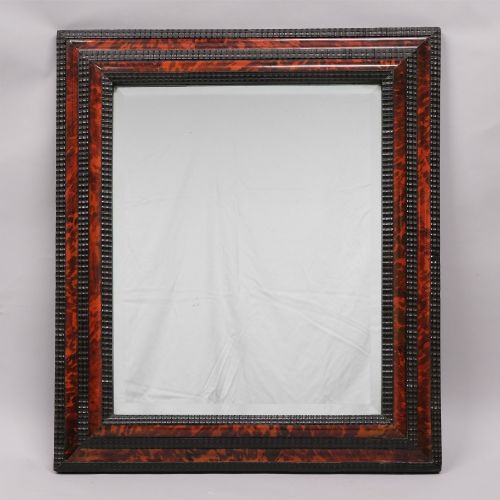
The most common examples on this page are giltwood and gesso frames alongside carved oak, walnut and mahogany versions. Pieces range from restrained neoclassical lines to ornate French chateau, Rococo revival and Chippendale style fretted designs.
How they were made
Makers constructed frames from timbers such as oak, walnut, mahogany, rosewood and pine, often applying layers of gesso to carved wood before gilding with gold leaf. Sand moulded gesso techniques created textured relief details on Victorian surfaces, while parcel gilt treatments highlighted specific carved elements.
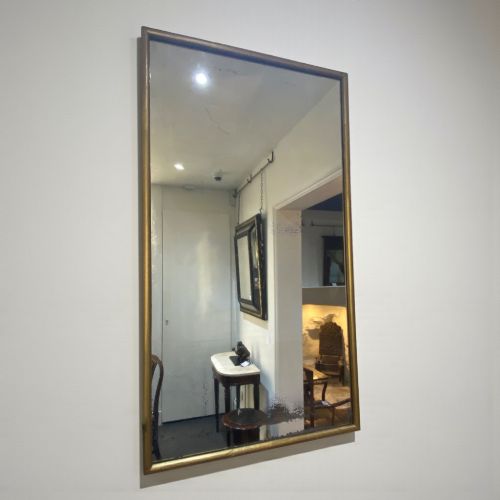
Glass plates were silvered and fitted into rebated wooden frames, sometimes retaining their original mirror glass with natural foxing and age spots. Joinery methods relied on period techniques appropriate to the Regency and Victorian workshops.
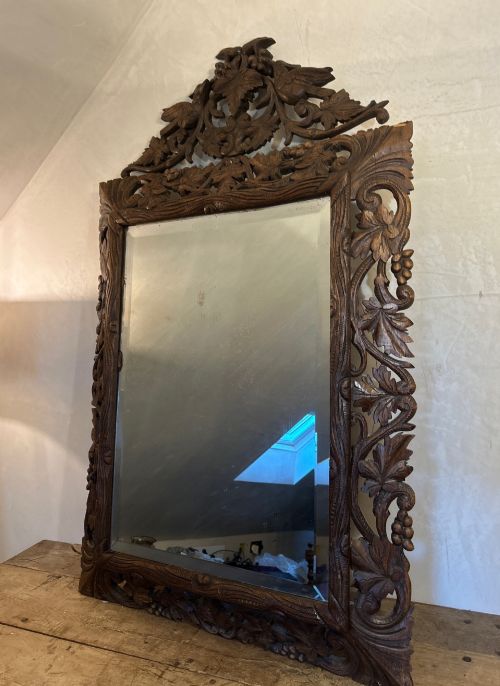
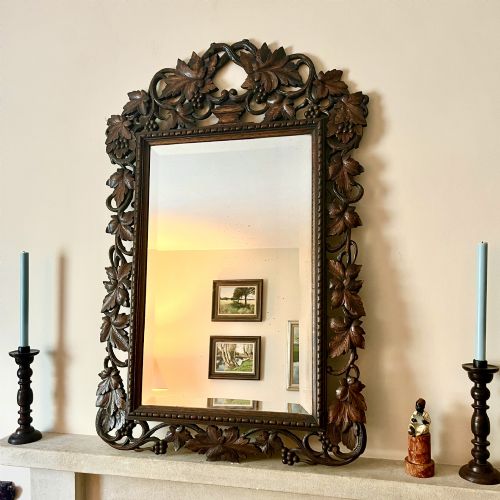
Black Forest mirrors bring deep woodland carvings of ivy and oak leaves straight from nineteenth-century alpine forests into the hallway.
What varies in quality
Quality in a 19th century looking glass rests in the crispness of the hand-carved ornamentation and the depth of the gesso work beneath the gilding. Superior examples display sharply defined acanthus leaves, scrollwork or fretwork that retains its original structural integrity.
The relationship between the glass plate and the frame also dictates merit, where untouched original mirror glass and well-balanced proportions separate standard production pieces from exceptionally fine decorative items.
The 19th Century Looking Glass Glossary
- Giltwood
- Wood that has been coated with gold leaf or metallic powder. This finish gives the frame a luminous quality that reflects candlelight and daylight.
- Gesso
- A plaster mix applied to carved wooden frames to create a smooth surface for gilding. It allows intricate relief moulding before gold leaf is laid.
- Fretwork
- Ornamental pattern work cut out with a fretsaw, commonly seen in Chippendale style frames. This technique adds delicate geometric or pierced detail to the timber.
- Overmantle
- A large mirror specifically designed to hang above a fireplace mantelpiece. These substantial pieces anchored Victorian and Regency interior schemes.
- Foxing
- Age-related spots and discoloration within the silvered backing of a mirror glass. This chemical oxidation appears as charming dark speckles unique to antique glass.
19th Century Looking Glass: Frequently Asked Questions
How do I hang a heavy antique mirror safely?
Heavy frames require secure wall fixings screwed directly into masonry or substantial timber studs. Weight should be distributed evenly using appropriate heavy-duty mirror brackets.
Avoid relying solely on decorative top rings or old picture wire attached to the original wooden backboards. Consulting a professional installer ensures the piece remains secure.
Can I clean the original mirror glass?
Cleaning should be done gently using a soft microfibre cloth and a mild, ammonia-free glass cleaner. Spray the cloth rather than the glass to prevent moisture seeping behind the plate.
Take care around the edges of the glass and the surrounding gesso frame, as harsh liquids can damage aged silvering and delicate gilding.
How do I identify a Regency mirror?
Regency mirrors typically display neoclassical motifs such as ball-stud frames, reeded pilasters and crests featuring eagles or classical urns. The timber choice often leans towards mahogany or finely gilded gesso.
Proportions are generally balanced and architectural, reflecting the design tastes of the early nineteenth century.
Does original glass matter?
Original glass carries authentic age, showing characteristic foxing, slight distortions and handmade imperfections that prove antiquity. Collectors value this untouched surface for the genuine historic atmosphere it provides.
Replacement glass is cleaner and sharper, but lacks the subtle visual depth found in nineteenth-century plates.