
19th Century Parcel Gilt
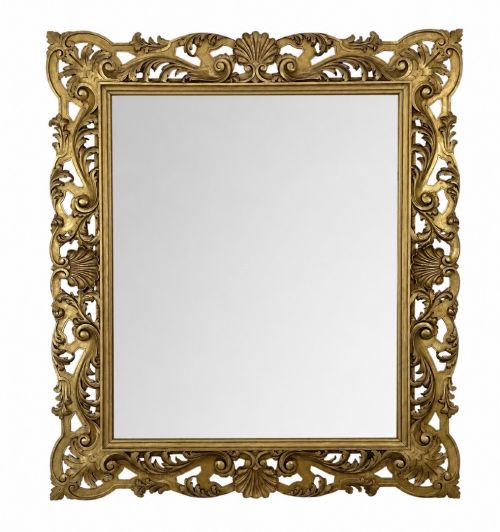
These 19th century parcel gilt pieces bring partial leaf highlights to carved woods, mirrors and seating for interiors seeking traditional warmth.
19th Century Parcel Gilt
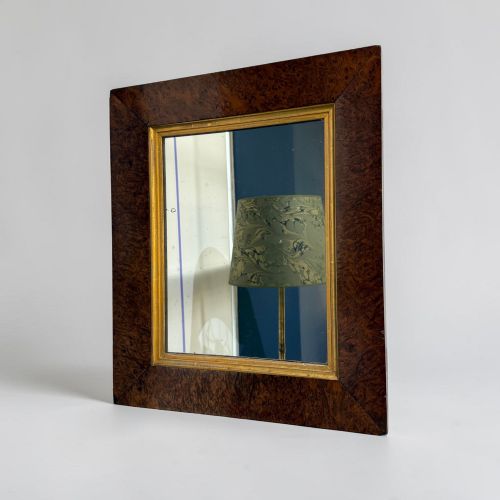
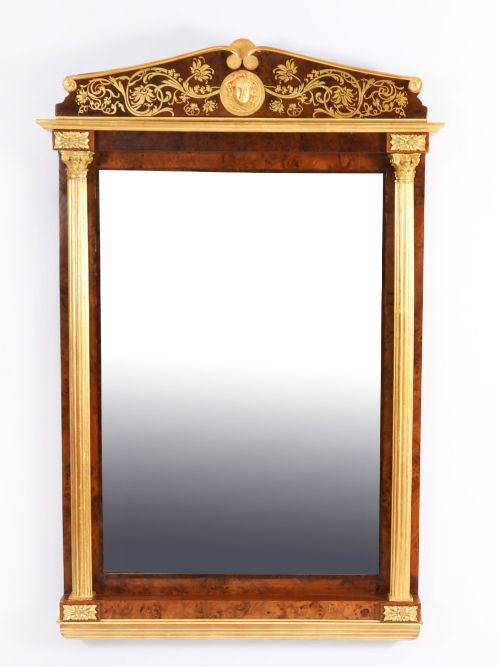
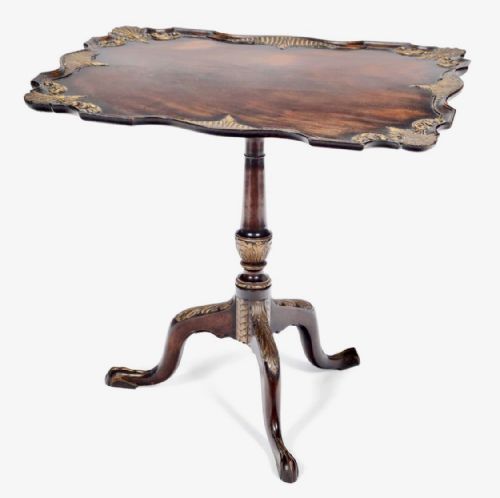
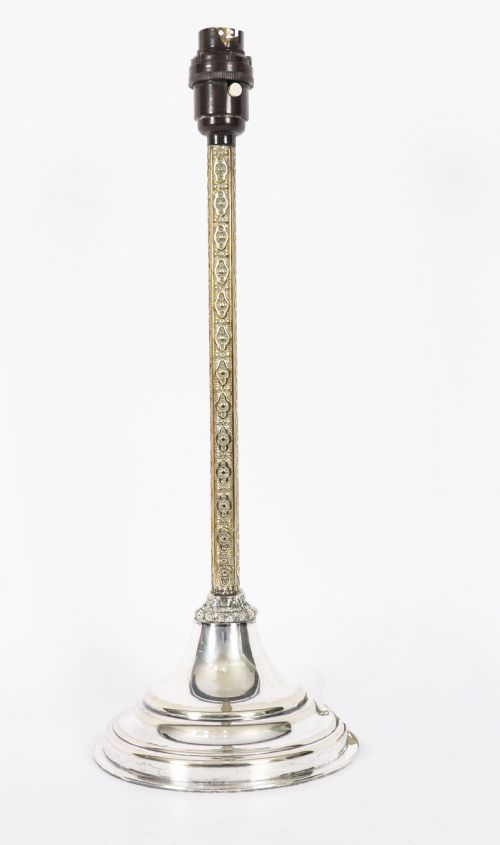
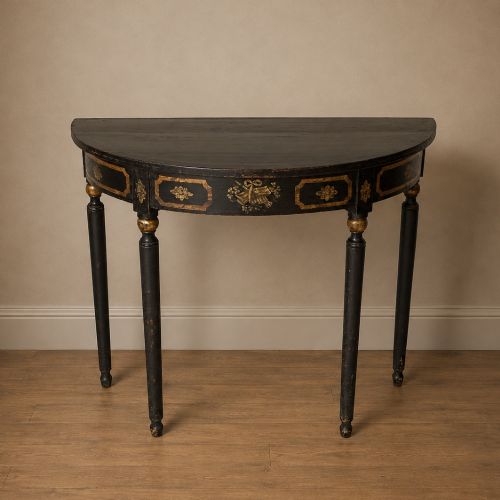
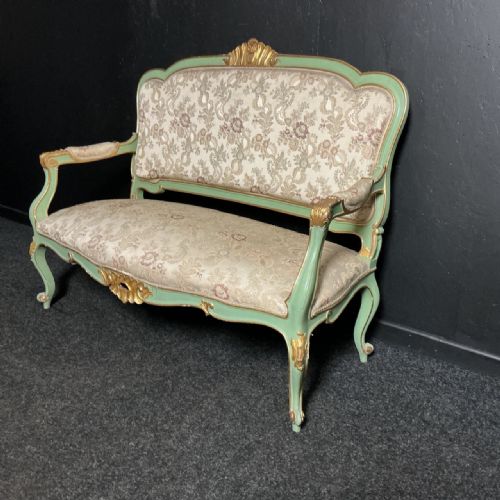
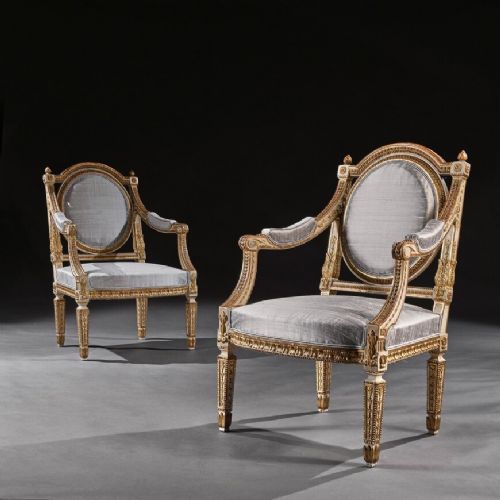
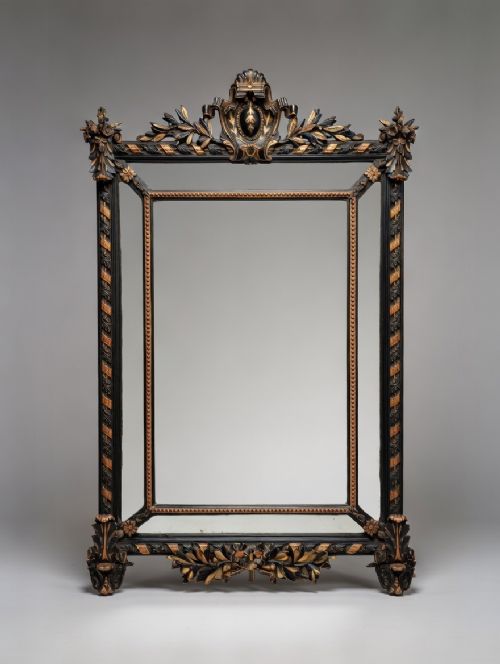
A 19th century parcel gilt object displays targeted applications of gold leaf upon a contrasting base surface such as ebonised wood, painted pine or polished mahogany. The technique highlights specific carved details like foliage, scrolls and mouldings while leaving the primary ground in a darker finish or plain wood.
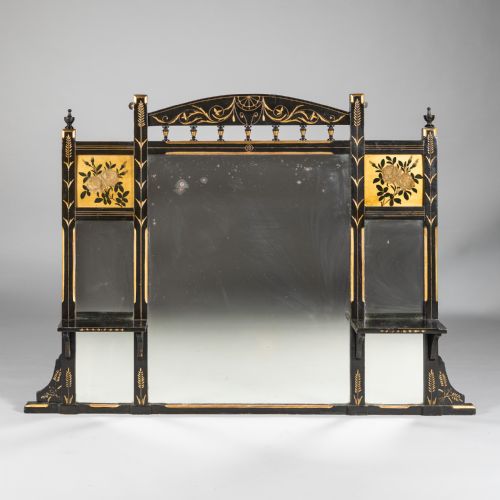
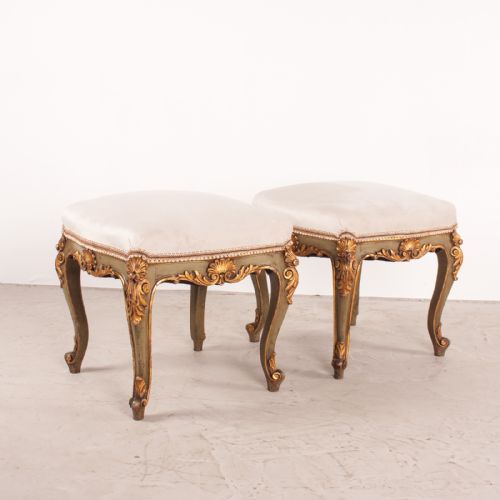
Mirrors and overmantres form a significant portion of these selections, alongside console tables, armchairs and occasional seating in Regency, Victorian and French styles. Buyers meet pieces where gilding picks out structural lines, adding reflective depth to domestic spaces.
Origins span English workshops, French ateliers and Italian centres, reflecting the diverse revival tastes of the nineteenth century from French Rococo to the Aesthetic Movement. Each item demonstrates how makers combined gilding with painted surfaces or dark woods to create visual contrast.
Materials and construction
Carved wooden substrates receive layers of gesso to create a smooth bed for the subsequent application of fine gold leaf. Artisans then burnish selected areas to a high shine while leaving other sections matte, establishing textural interplay across the surface.
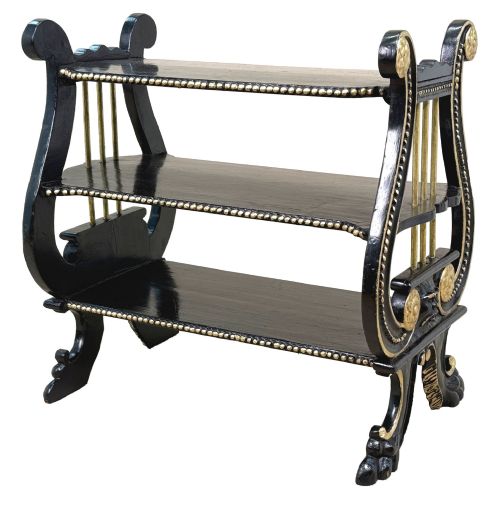
Alternative grounds utilise ebonised timber, burr walnut, mahogany, or painted pine finished in cream, black or tole peinte hues. The partial gilding is applied by hand to accent carved reliefs, mouldings and ornamental motifs.
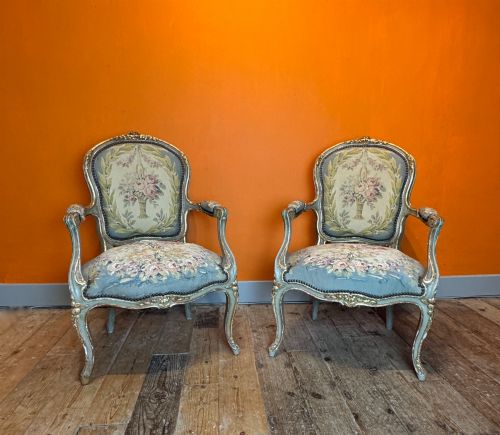
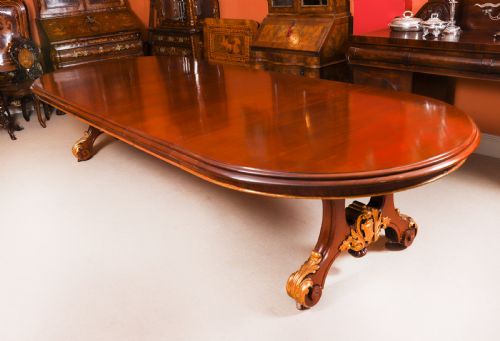
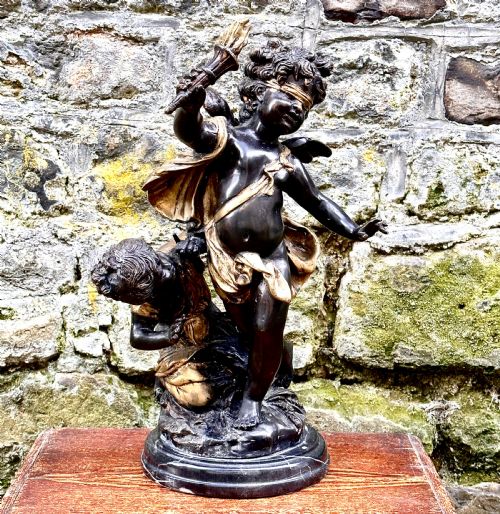
Object forms span wall mirrors, armchairs, console tables, sculptures, vitrines and dining tables from Victorian and Regency periods.
Judging quality and execution
The crispness of the underlying wood carving dictates the refinement of the piece, as sharp detail holds the gold leaf more effectively than soft or worn contours. Superior examples display precise hand-applied leaf work that adheres closely to the carved contours without obscuring the grain or ground colour.
The harmony between the base material and the gilt highlights determines visual balance, with finer items demonstrating careful restraint in where the gold is placed. Original surfaces and untouched patination carry greater aesthetic integrity than later interventions.
Mappin & Webb's·Wylie & Lochead·Howard & Sons
The 19th Century Parcel Gilt Glossary
- Parcel Gilt
- Decoration where only specific parts of an object are gilded with gold leaf, leaving the rest in wood, paint or another finish. This partial application creates contrast between the reflective metal and the darker ground.
- Gesso
- A plaster mixture applied to wood surfaces as a preparation for gilding or painting. It provides a smooth foundation that can be modelled and carved before the leaf is laid.
- Ebonised Wood
- Timber treated with chemical stains or black finishes to imitate ebony. It serves as a dark ground that makes parcel gilt highlights stand out prominently.
- Overmantel Mirror
- A large looking glass designed to hang above a fireplace mantelpiece. These mirrors frequently incorporate parcel gilt framing to catch and reflect light within the room.
- Trumeau
- A decorative wall mirror or panel integrated into interior boiserie or plasterwork above a fireplace or door. They often feature painted scenes or gilded wood ornamentation.
- Tole Peinte
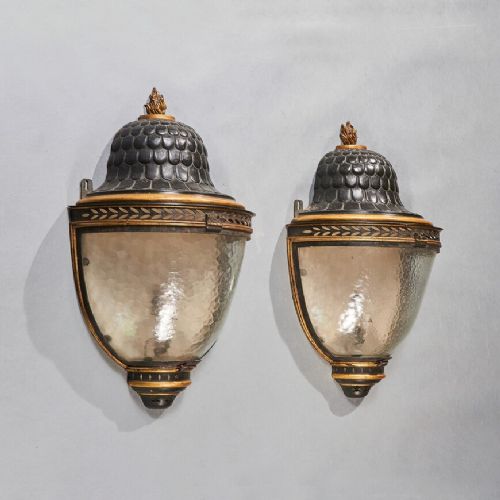
- Painted sheet metal used for decorative objects like wall lanterns and lighting. When combined with parcel gilt, the painted metal provides a colourful foil to the gold leaf.
19th Century Parcel Gilt: Frequently Asked Questions
What is parcel gilt?
Parcel gilt refers to a decorative technique where gold leaf is applied to only selected portions of an object rather than the entire surface. This method creates a striking visual contrast against painted woods, ebonised timber or natural grains.
Craftsmen used this approach throughout the nineteenth century to accentuate carved details, mouldings and structural highlights on mirrors, tables and seating without overwhelming the piece.
Where should I place these pieces?
These items suit rooms where reflected light and traditional craftsmanship enhance the interior atmosphere. Overmantel mirrors and console tables work effectively in living spaces and reception rooms.
Pairing ebonised and parcel gilt seating with neutral walls allows the gold highlights to catch natural light without dominating the room's colour scheme.
How do I identify Regency pieces?
Regency items date from the early nineteenth century and often display classical revival motifs, ebonised finishes and distinct architectural symmetry. Look for clean classical lines inspired by ancient Greek and Roman design.
Common materials from this period include rosewood, mahogany and parcel gilt brass mounts, reflecting the restrained elegance of the Regency aesthetic.