
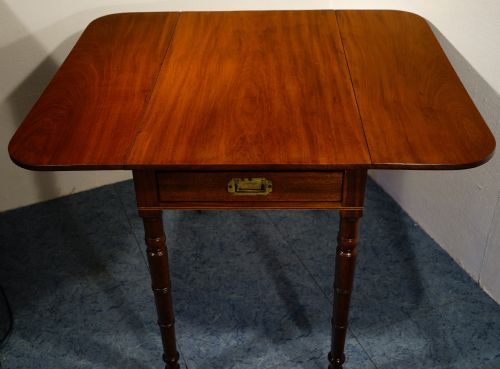

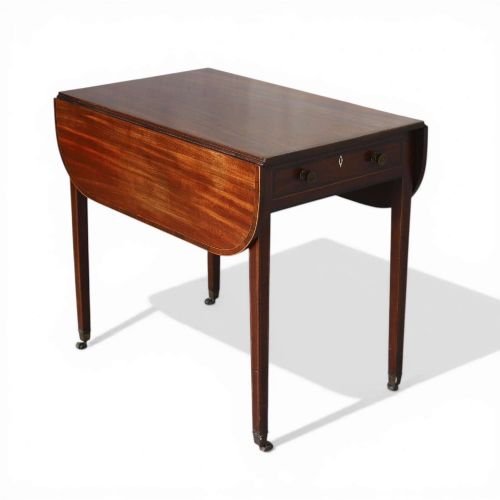
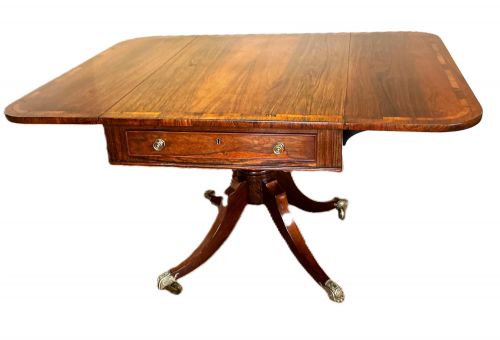
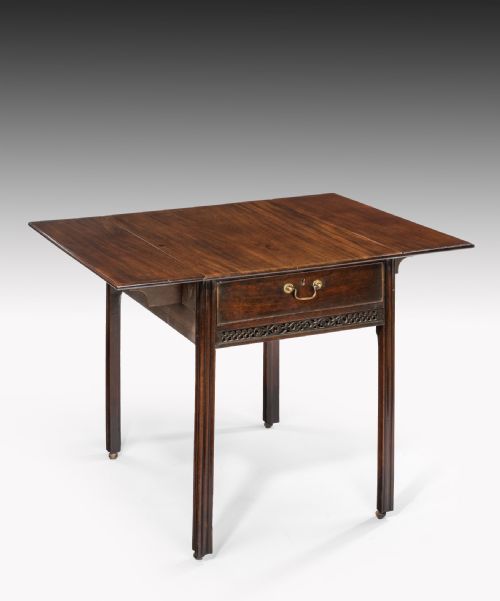
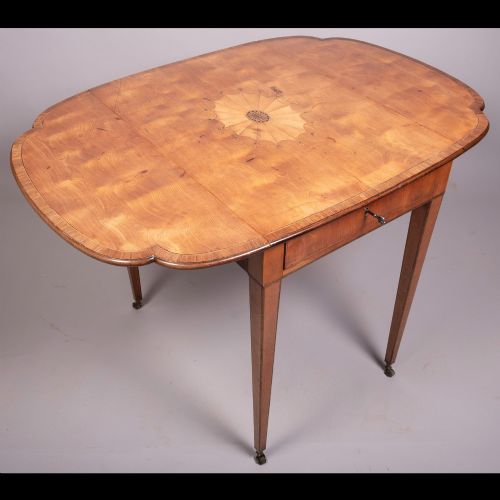
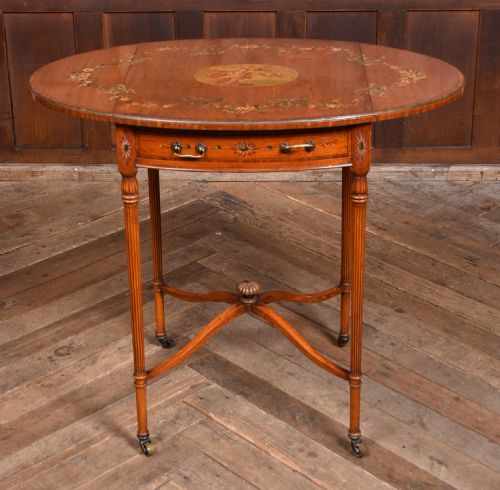
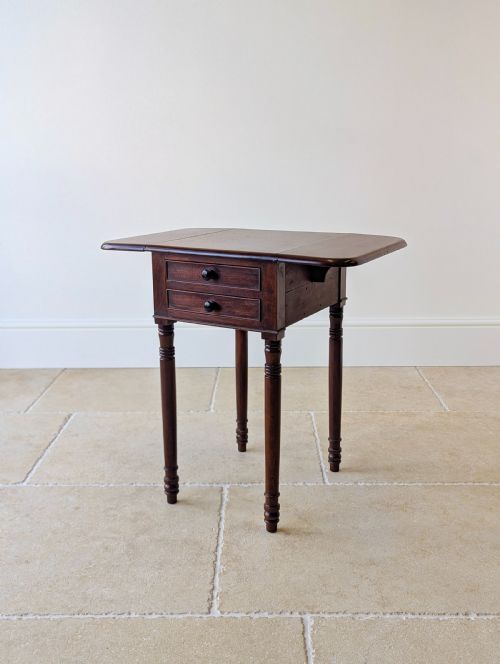

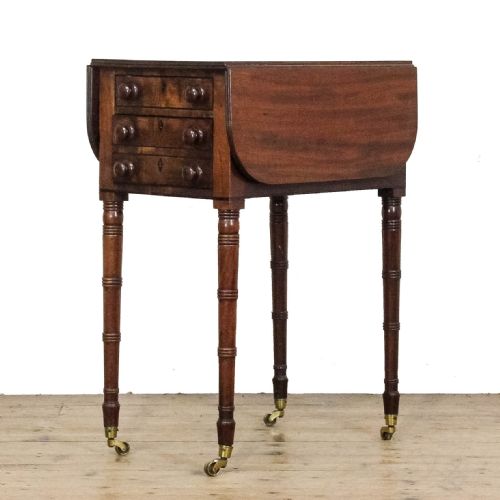


Georgian Style Pembroke Table
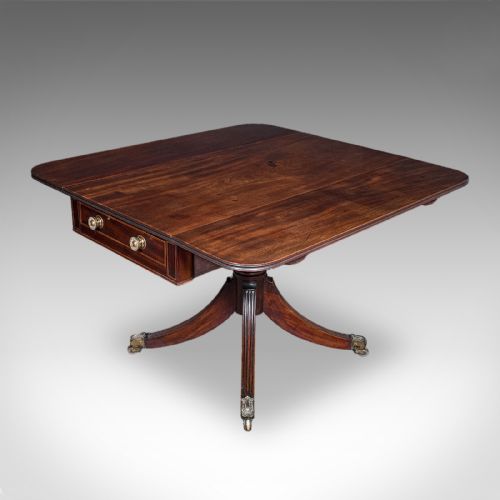
A georgian style pembroke table brings drop-leaf versatility and refined proportions to a room, offering a compact surface that expands when required.
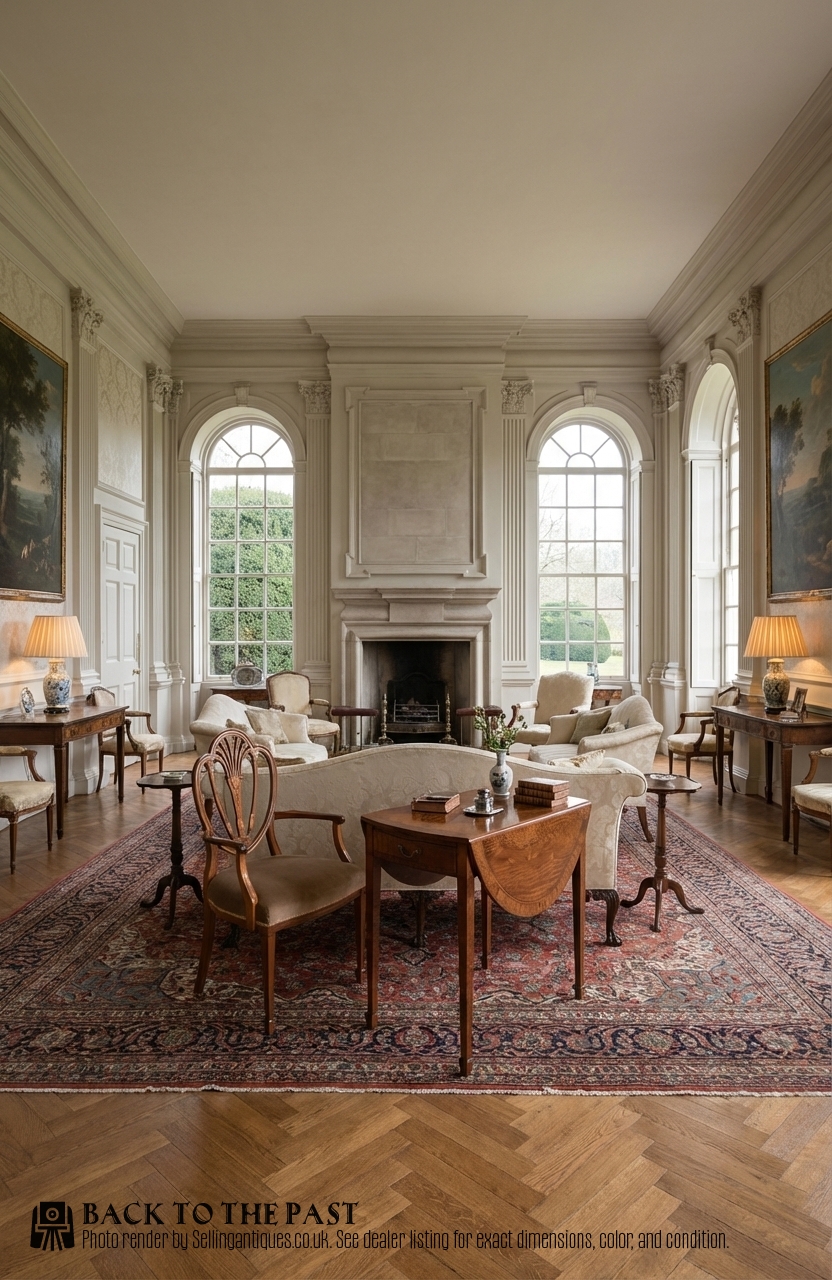
Georgian Style Pembroke Table
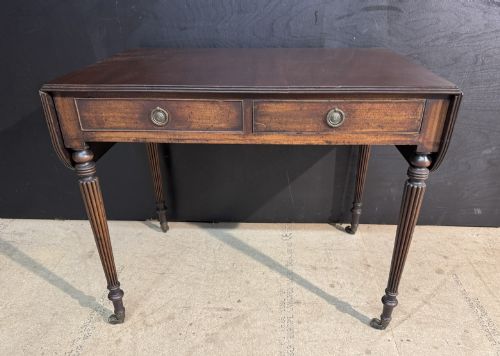
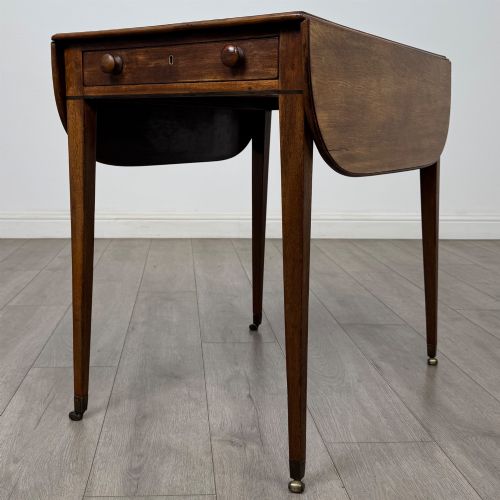
When searching for a georgian style pembroke table, buyers encounter drop-leaf occasional tables designed with folding flaps on either side supported by hinged brackets or rule joints. These pieces function as side tables, small dining tables, or writing surfaces, appearing across periods from the eighteenth century to the twentieth century alongside later revivals.
The selections span genuine period examples from the eighteenth and nineteenth centuries, including George III and Regency iterations, as well as Edwardian neoclassical revivals and later twentieth-century interpretations. Materials range from solid mahogany and Cuban mahogany to satinwood, rosewood, and burr walnut, frequently embellished with cross-banding.
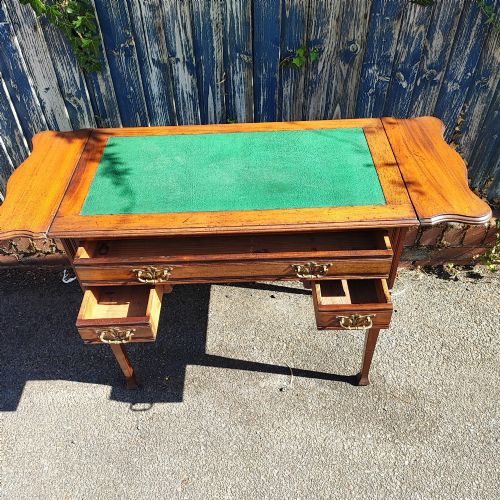
Makers and craftsmen utilised specific forms, creating rectangular and oval surfaces, sometimes incorporating single or double drawers for storage. Buyers regularly find variations that include work tables fitted for sewing, library tables, and spider-leg occasional formats.
Materials and construction
Cabinetmakers constructed these tables using dense timbers such as mahogany, satinwood, rosewood, and burr walnut, frequently applying contrasting veneers and cross-banding in partridge wood or satinwood to borders and drawer fronts. Secondary woods provided structural stability beneath fine surface veneers.
Joinery relied on traditional techniques to attach the drop-leaf flaps securely using rule joints, allowing the leaves to drop smoothly when not in use. Brass hardware, including castors and drawer pulls, accompanied bone or inlaid details on select sophisticated examples.
Georgian Style Pembroke Table Retail Price Guide 2026
Typical asking prices for georgian style pembroke table among the pieces listed under this phrase on Sellingantiques today, from the lower quarter to the upper quarter. They describe what is for sale here now, not the wider market.
Listings feature mahogany as the predominant timber, alongside satinwood, rosewood, and burr walnut across eighteenth, nineteenth, and early twentieth-century periods.
Markers of quality
Quality reveals itself in the selection and matching of timber veneers, where superior examples exhibit finely figured mahogany, satinwood, or burr walnut with deliberate grain alignment across the flaps and top. The crispness of inlay and cross-banding further distinguishes finer pieces from simpler workshop production.
Structural integrity and the precision of the rule joints dictate daily utility, ensuring the drop leaves hang level and stable when raised. Original brass castors, functioning drawer mechanisms, and uncompromised framing elevate an example above later or heavily restored pieces.
Gillows
The Georgian Style Pembroke Table Glossary
- Pembroke table
- A small occasional table with two hinged drop leaves on opposing sides, originating in the eighteenth century. This versatile form suits multiple domestic uses.
- Rule joint
- A moulded joint connecting a drop leaf to the main table top, concealing the hinge and preventing gaps when the leaf is raised.
- Cross-banding
- A border of veneer laid with the grain running perpendicular to the central panel. This decorative technique frames table tops and drawer fronts.
- Satinwood
- A durable, lustrous yellowish timber native to the tropics, frequently utilised in fine eighteenth-century and neoclassical furniture for veneers and stringing.
Georgian Style Pembroke Table: Frequently Asked Questions
How were pembroke tables originally used?
These tables served as adaptable furniture in eighteenth and nineteenth century drawing rooms, functioning as breakfast tables, writing desks, or tea tables.
Their folding leaves allowed them to stand compactly against a wall until needed for dining or letter writing.
How do I distinguish an 18th-century piece from a later revival?
Examination of construction methods, timber ageing, and secondary woods helps determine the manufacturing period.
Eighteenth-century examples display hand-cut joinery and period-specific framing beneath the top, whereas Edwardian or later revivals often exhibit standardised machine-made components.
Can a pembroke table seat four people?
Certain larger Regency and Georgian variants provide sufficient surface area when both drop leaves are raised.
Their original design prioritised space-saving versatility, making four-seat configurations less common than single or dual-use occasional formats.
Where should I place this table in a modern home?
A drop-leaf table fits well behind a sofa, beside a fireplace, or functioning as a compact desk in a study.
Dropping one or both leaves allows the piece to adapt to tight spaces without sacrificing surface area.