
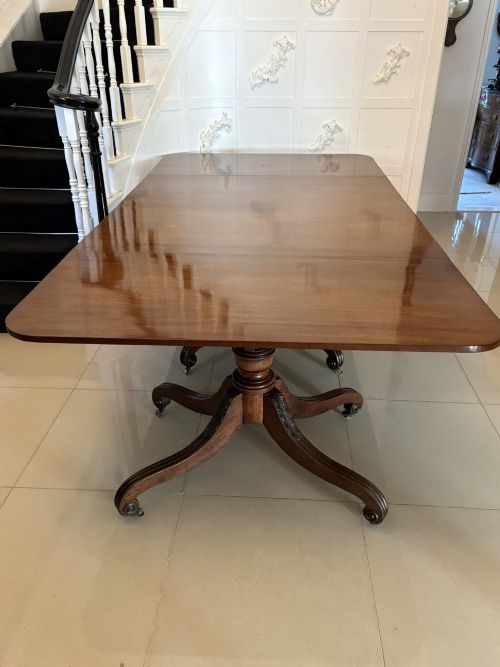
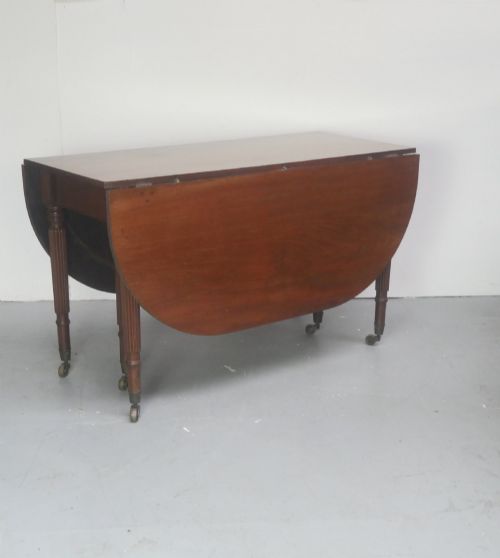
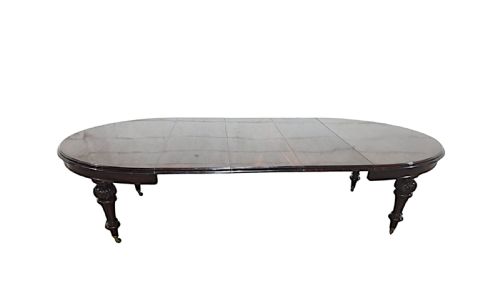
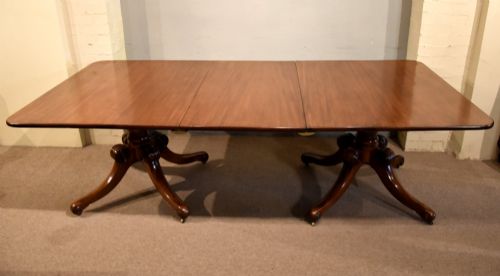
Regency Extendable Table
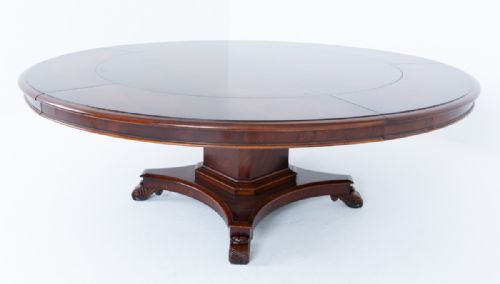
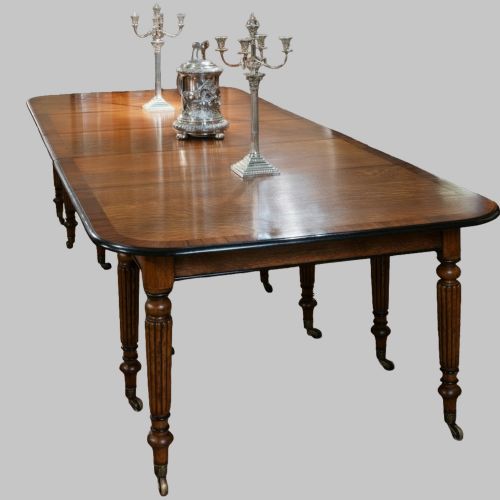
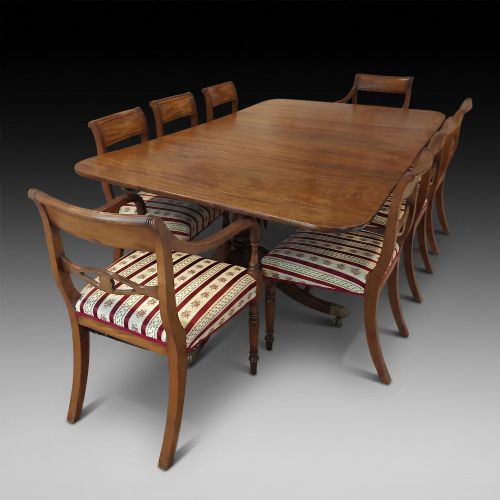
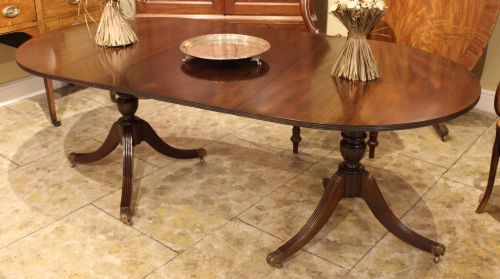
When you search for a regency extendable table, you are looking at nineteenth-century mahogany dining furniture engineered with pillars or drop leaves to expand for large gatherings.

Regency Extendable Table
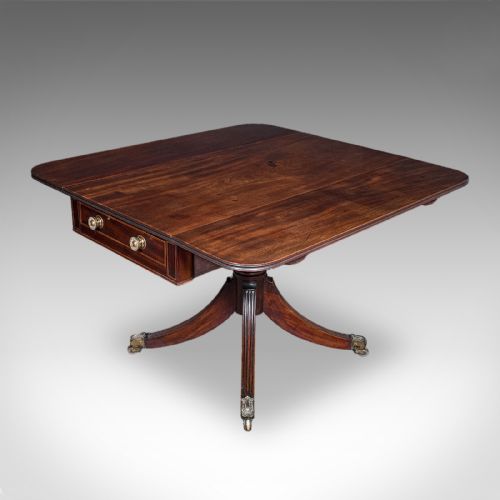
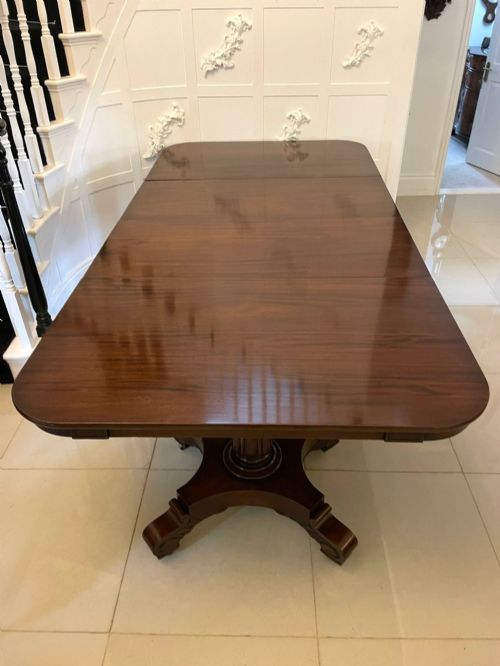
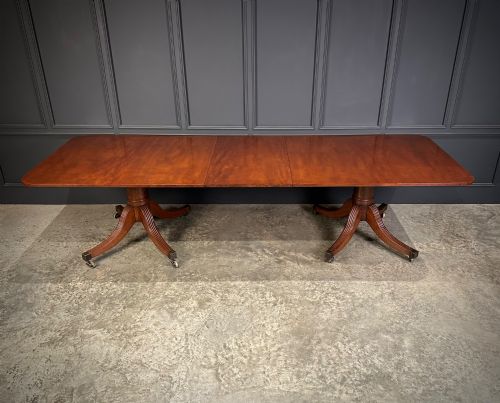
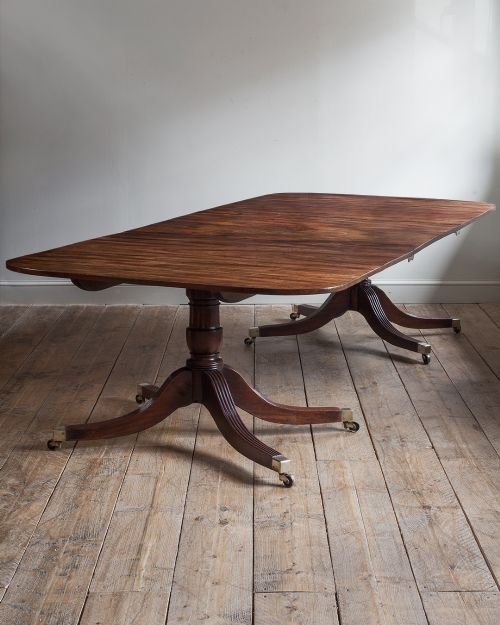
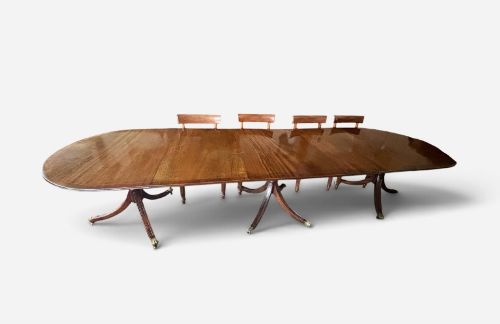
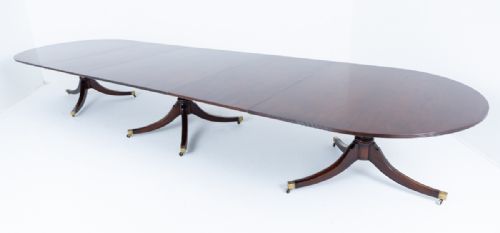
A regency extendable table brings together the architectural proportions of the early nineteenth century and the practical requirement of accommodating large dining parties. You will frequently encounter twin and triple pedestal configurations, alongside drop-leaf and D-end formats that incorporate extra leaves.
The evidence spans the Georgian, Regency, and William IV eras, stretching into later revival pieces from nineteen hundred and nineteen twenty. Mahogany remains the dominant timber across these variations, often seen in figured and flame grains.
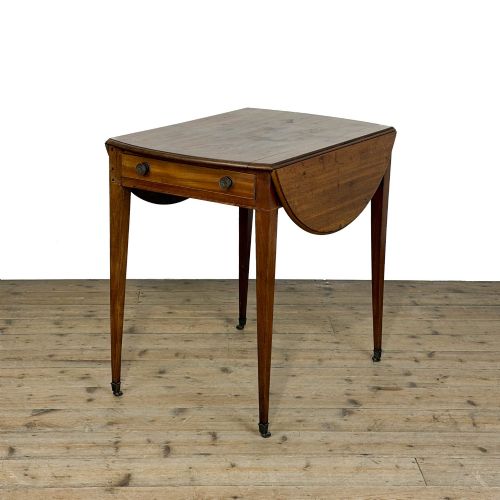
While dining tables form the core of the listings, smaller pembroke tables and occasional drop-leaf variations appear alongside grand multi-pillar seating arrangements. These pieces originate from English and Irish workshops, reflecting the formal dining habits of the period.
Materials and Construction
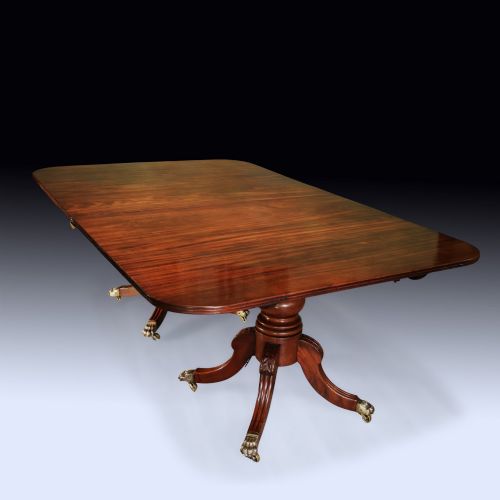
Makers utilised solid and veneered mahogany, frequently selecting Cuban mahogany and flame mahogany for the primary surfaces to highlight rich figuring. Brass castors support the pedestals and legs, allowing heavy dining tables to move smoothly across floors.
Extendable mechanisms rely on stable pillar bases or drop-leaf hinges that support additional loose leaves. This structural design permits the table to contract for daily use and expand with insertion leaves for formal dinners.
Regency Extendable Table Retail Price Guide 2026
Typical asking prices for regency extendable table among the pieces listed under this phrase on Sellingantiques today, from the lower quarter to the upper quarter. They describe what is for sale here now, not the wider market.
Some tables stretch past twenty seats, requiring a map just to pass the salt across.
Distinctions in Execution
The distinction between ordinary and exceptional examples rests on the choice of timber and the precision of the pedestal carving. Figured and flame mahogany surfaces display depth and movement that plain boards simply lack.
Construction integrity separates fine tables from heavier, less refined iterations. Well-executed pillar bases and smoothly operating extension mechanisms demonstrate the hand of a skilled cabinet maker.
Gillows·Whytock and Reid·William and Gibton
The Regency Extendable Table Glossary
- Pedestal
- A central column support that rests on a pegged or splayed base, frequently fitted with brass castors. This design allows legroom for diners seated along the sides of an extending table.
- D-End
- A table end shaped in the semi-circular profile of the letter D, often used in pairs to form the rounded ends of a modular dining table. Extra leaves insert between these sections.
- Drop-Leaf
- A table featuring a fixed central section and hinged flaps that drop down when not in use. Brackets or swing legs support the leaves when raised.
- Flame Mahogany
- A veneer cut from the fork of the mahogany tree where the branch meets the trunk, producing a distinctive flame-like pattern. It was favoured for prominent table tops.
- Extension Leaf
- A removable board inserted into the centre of a table to increase its overall length. These leaves are stored separately when the table is closed.
Regency Extendable Table: Frequently Asked Questions
How do multi-pillar tables extend?
Multi-pillar dining tables utilise a split base or sliding mechanism that separates the pedestals to receive one or more loose timber leaves. This modular construction allows the table length to adjust according to the number of diners.
Additional support legs often drop down beneath the centre joins to maintain stability when fully extended.
Where should I place a large dining table?
A large multi-pillar table requires a well-proportioned dining room with sufficient clearance around the perimeter for chairs to pull out easily. Allowing walking space ensures the piece functions practically when fully extended.
Positioning the table away from direct heat sources protects the mahogany timber and prevents the leaves from warping.
How do I identify a Regency period piece?
Regency furniture is identified by classical proportions, clean architectural lines, and the use of dense mahogany timbers. Details such as brass castors and pillar supports point directly to early nineteenth-century manufacturing methods.
Later revival pieces from nineteen hundred often replicate these classic forms but lack the exact wear patterns and construction nuances of genuine period examples.
Can I use daily maintenance on antique mahogany?
Antique mahogany benefits from regular dusting with a soft, dry cloth to prevent grit accumulation on the polished surface. Avoid silicone sprays and excessive moisture, which can damage the traditional polish.
Applying a quality beeswax periodically nourishes the timber and preserves the depth of the figured grain.