

Georgian Style Mahogany Cupboard
A georgian style mahogany cupboard brings timeless timber and proportion to a room, offering practical storage disguised as period elegance.
Georgian Style Mahogany Cupboard
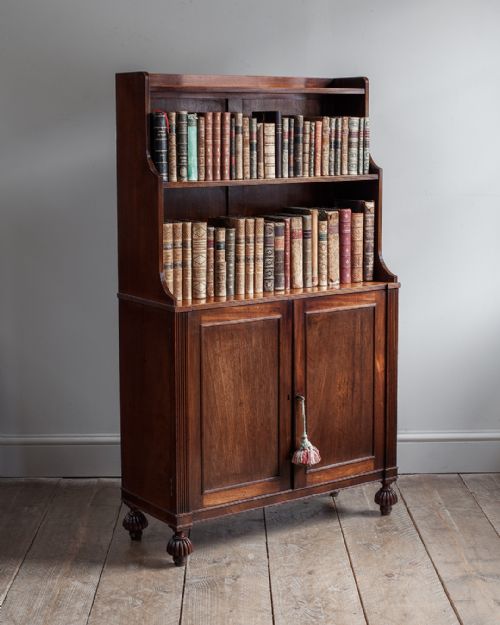
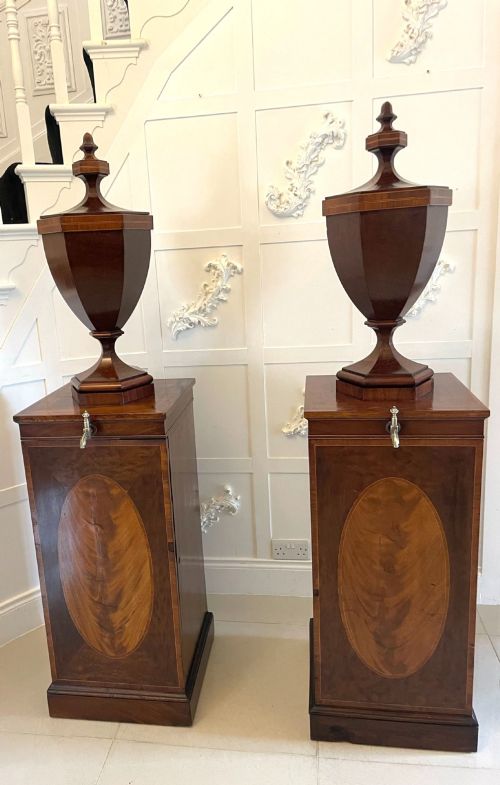
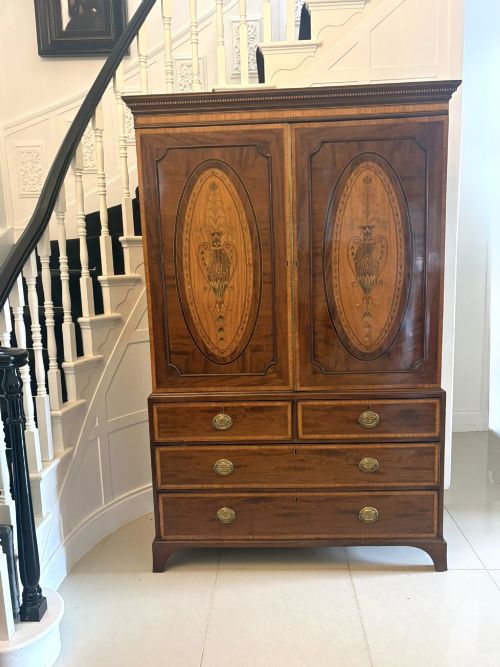
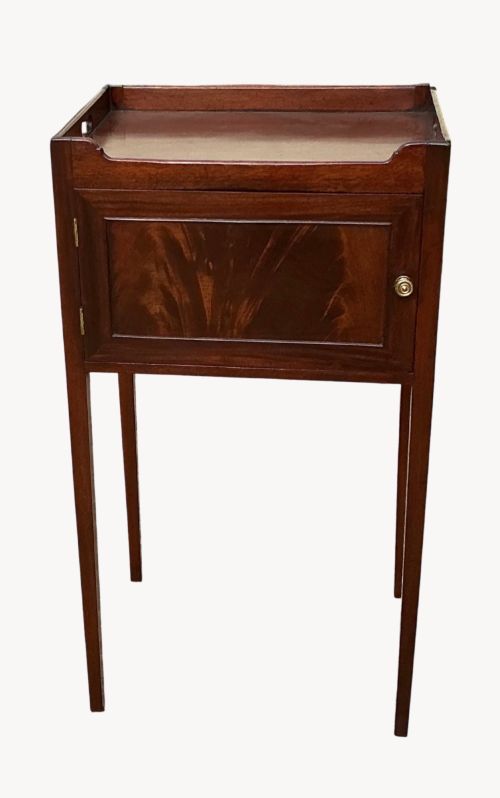
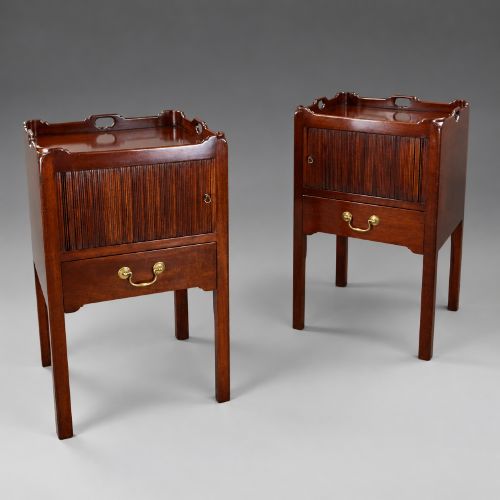
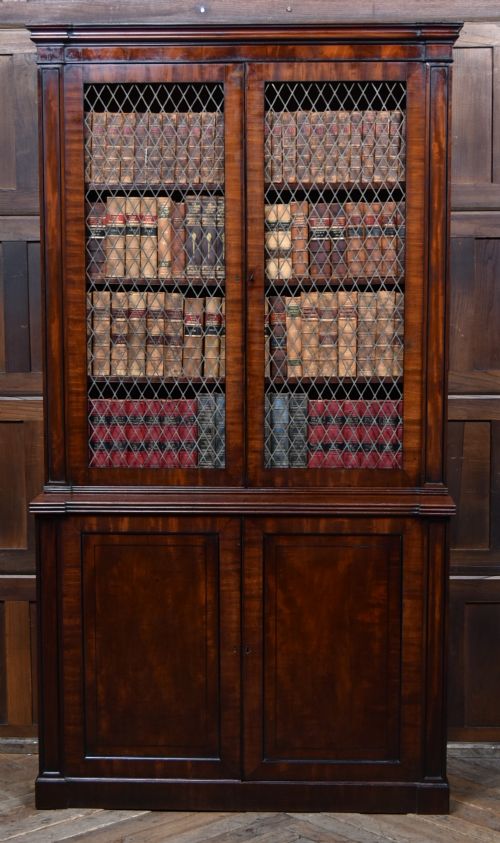
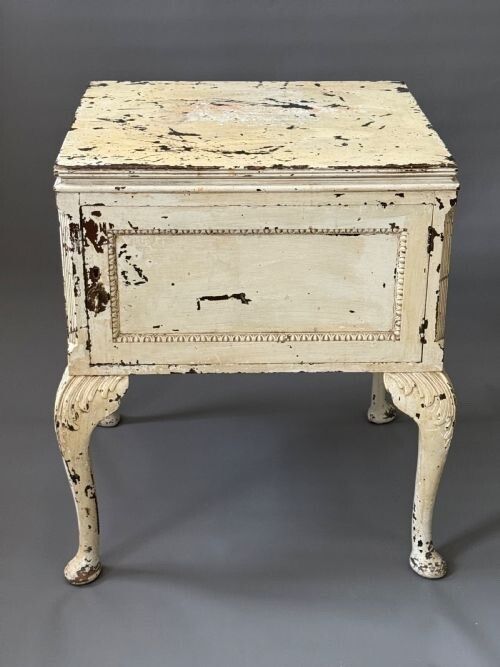
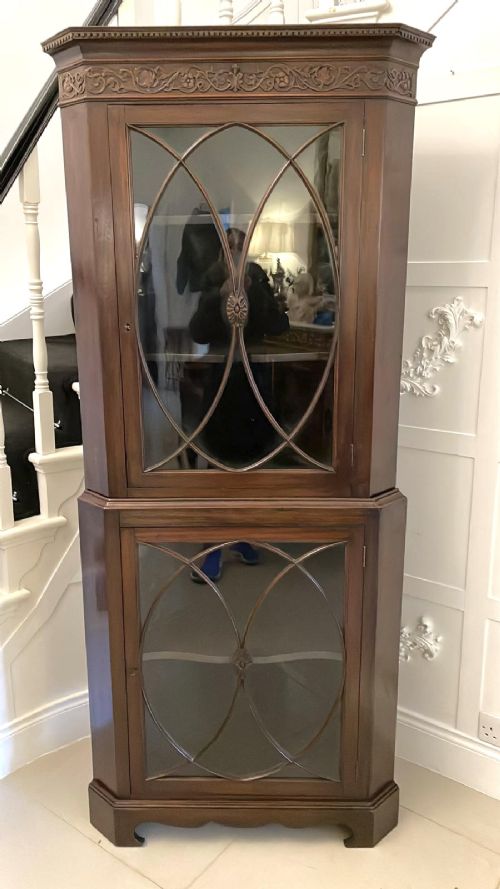
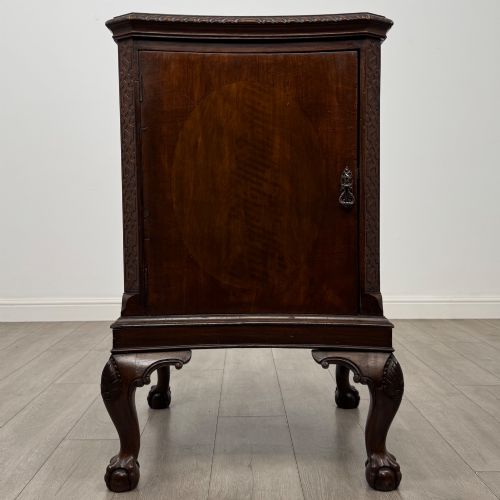
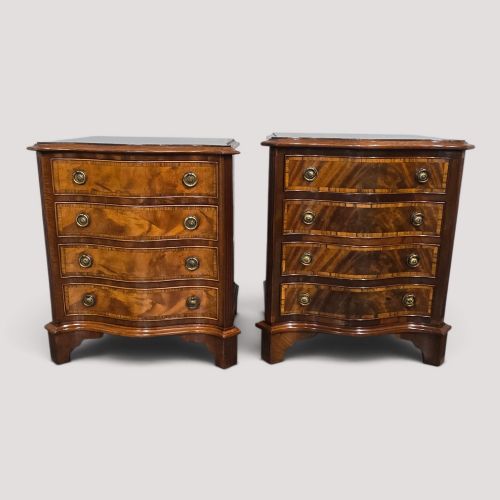
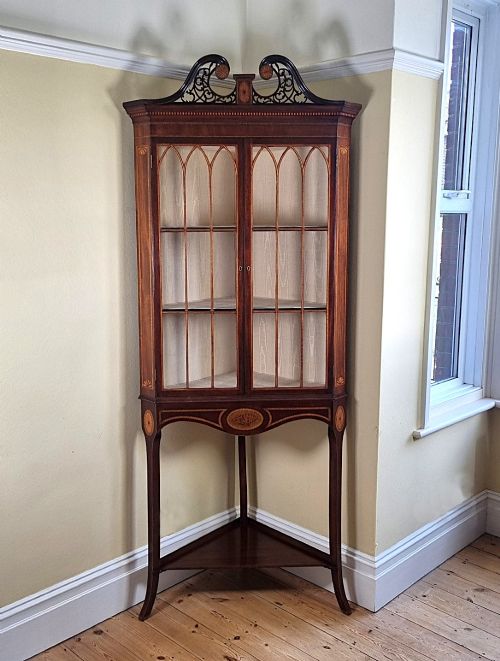
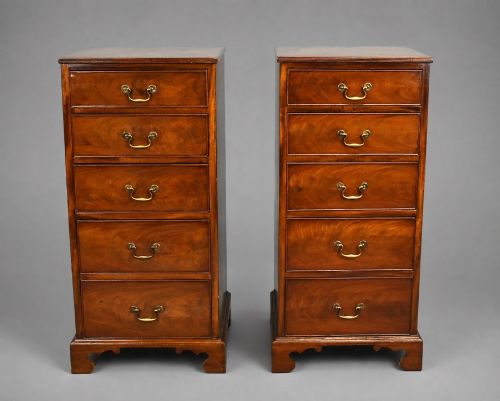
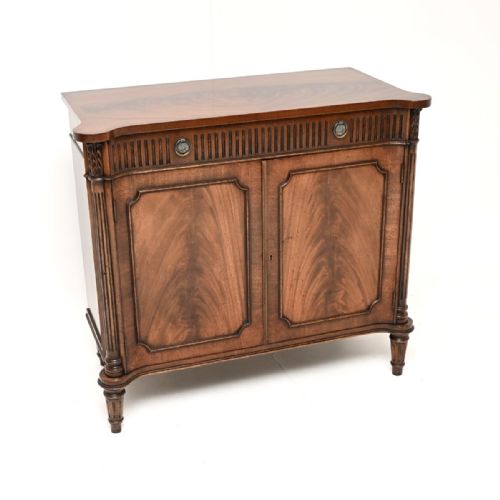
When searching for a georgian style mahogany cupboard, a buyer encounters a diverse group of storage pieces spanning actual eighteenth-century examples to later Edwardian and twentieth-century revival interpretations. The forms on this page range widely from compact bedside cabinets and corner cupboards to large bookcases, wardrobes, sideboards, and display cabinets.
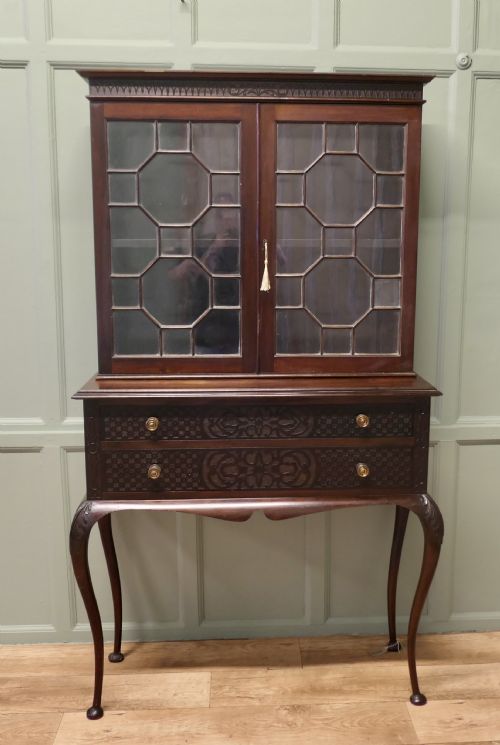
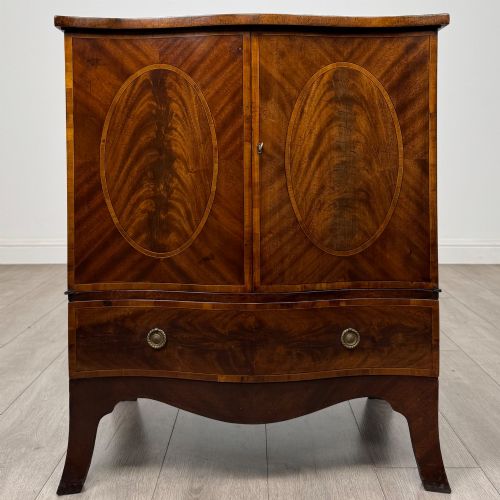
The material palette recorded across these listings centres firmly on rich mahogany timber, frequently enhanced with boxwood inlay, satinwood, and flame mahogany veneer. Makers utilise glass for glazed bookcase doors and brass for handles or campaign-style mounts, while occasional pieces feature painted decoration.
Materials and Technique
Cabinetmakers select dense mahogany and vibrant flame mahogany veneer to construct these carcasses, often laying them over secondary timbers. They shape the wood with serpentine fronts, curved bowfronts, or clean rectangular lines, employing precise joinery to ensure structural stability.
Decorative detailing relies on contrasting boxwood inlay, satinwood stringing, and delicate brass hardware. Glazed doors utilise astragal bars to form geometric window panes, while select pieces incorporate carved mouldings or hand-painted surfaces.
Listings feature items spanning the 18th century, Georgian period, Regency, Victorian, Edwardian era, and 1920s revival periods.
The Measure of Quality
Quality in these cupboards rests primarily in the selection of the timber and the depth of the grain. High-grade pieces display active flame mahogany veneer and crisp, tight boxwood inlay that remains flush with the surrounding surface.
Proportion and execution of detail separate standard production from superior work. Refined items show meticulous attention in the joinery of astragal glazed doors, well-fitted brass mounts, and balanced carcase proportions that echo authentic Georgian design.
The Georgian Style Mahogany Cupboard Glossary
- Astragal glazed
- Glass doors divided by thin wooden strips into small panes. This technique allows visibility of the interior contents while maintaining structural support for the door.
- Flame mahogany
- A veneer cut from the fork of the mahogany tree where the branch meets the trunk. It creates a distinctive, fiery ripple pattern across the surface of the timber.
- Bowfront
- A convex, outward-curving front facade common on chests, sideboards, and smaller cupboards. This shape softens the room's angles and maximises interior storage depth.
- Serpentine
- A furniture front shaped in a continuous wavy line with a convex centre flanked by concave curves. It requires advanced woodworking skill to execute properly.
- Linen press
- A tall cupboard featuring upper sliding trays or shelves originally designed for storing household linens. Lower sections frequently incorporate drawers for additional garments.
Georgian Style Mahogany Cupboard: Frequently Asked Questions
How do I identify a revival piece?
Revival pieces often date from the Edwardian era or the early twentieth century, mimicking the hallmarks of eighteenth-century design such as astragal glazing, bracket feet, and mahogany veneers.
Examining the interior secondary woods, screw types, and construction methods helps distinguish a later interpretation from an original eighteenth-century antique.
Where were these cupboards placed?
Smaller variations like bedside cupboards, lamp chests, and corner cabinets function well in bedrooms and drawing rooms to maximise corner space and bedside storage.
Larger bookcases, wardrobes, and sideboards suit libraries, dining rooms, and hallways, where their substantial timber presence anchors the room.
What maintenance does mahogany require?
Mahogany timber benefits from stable indoor humidity and protection from direct sunlight to preserve the rich colour and prevent the wood from drying out.
Occasional dusting with a soft, dry cloth and minimal application of appropriate furniture wax keeps the finish nourished and lustrous.