
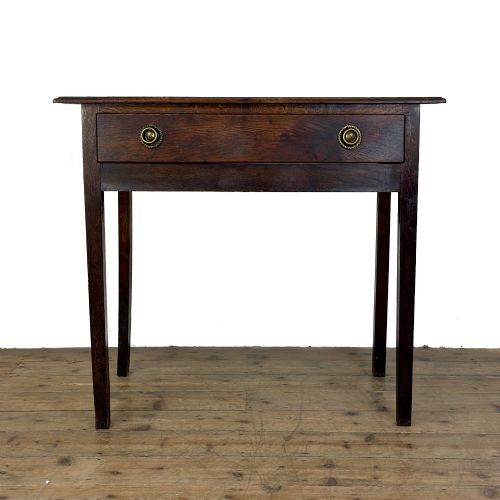
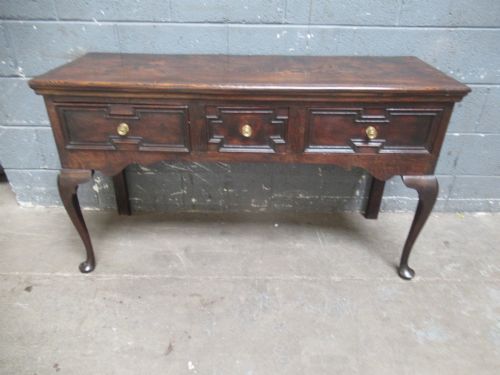


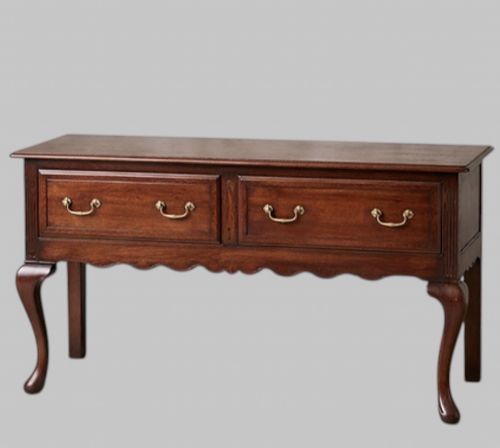

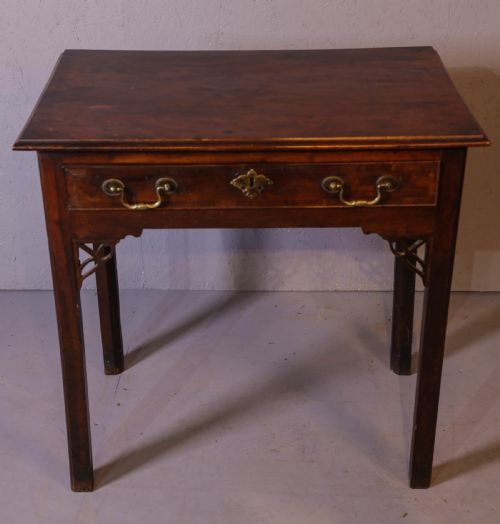

Georgian Style Lowboy
A georgian style lowboy brings compact elegance to a hallway or bedroom, offering a surface and drawers built to last centuries.
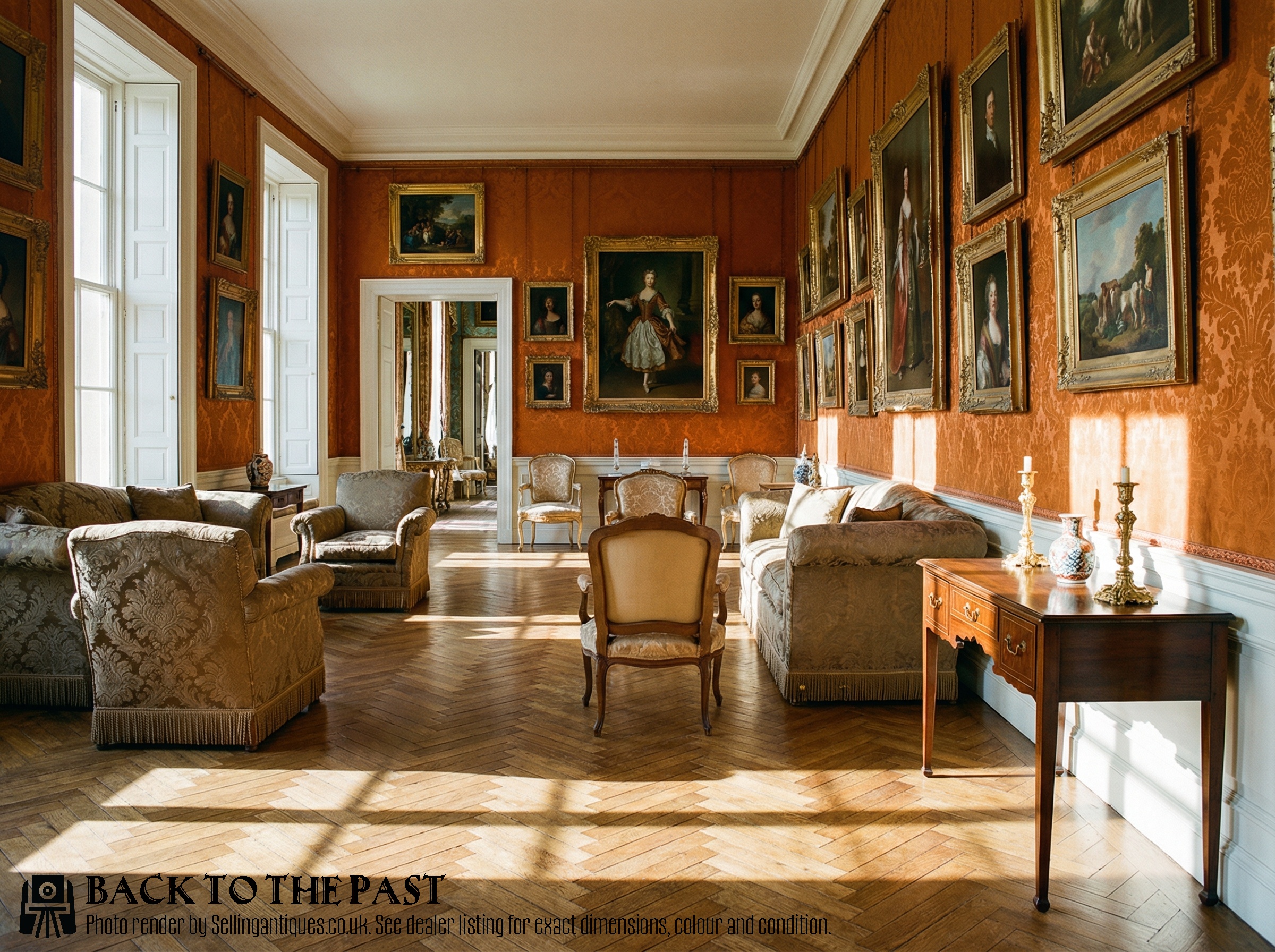
Georgian Style Lowboy
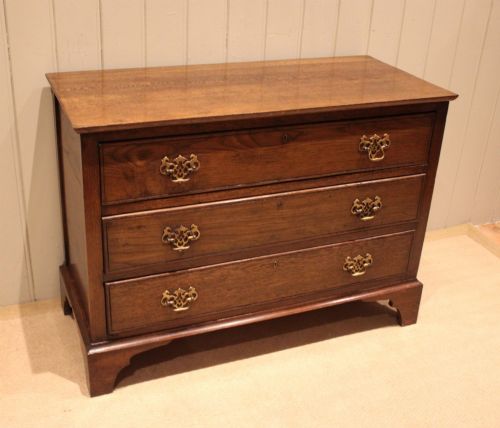
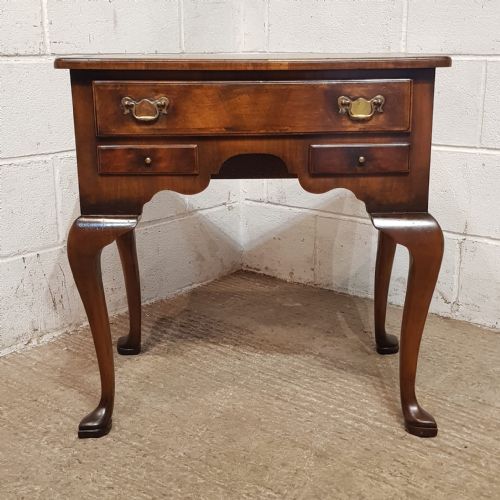
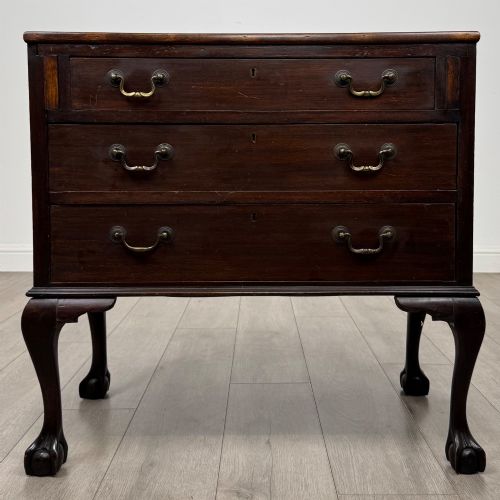
A georgian style lowboy is a low table fitted with drawers, originating as a dressing or side table and remaining a versatile addition to domestic interiors. The pieces on this page span genuine 18th century examples alongside revivals from the 19th and 20th centuries, reflecting enduring tastes.
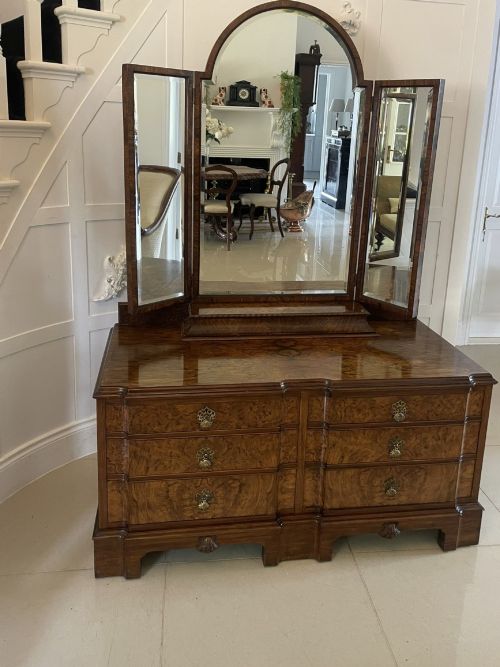
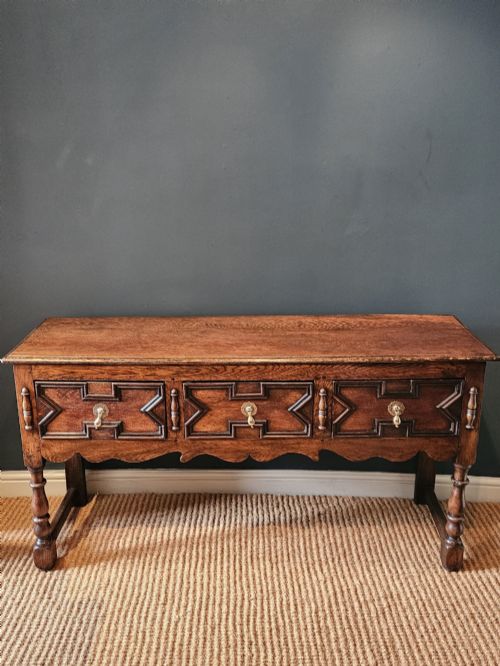
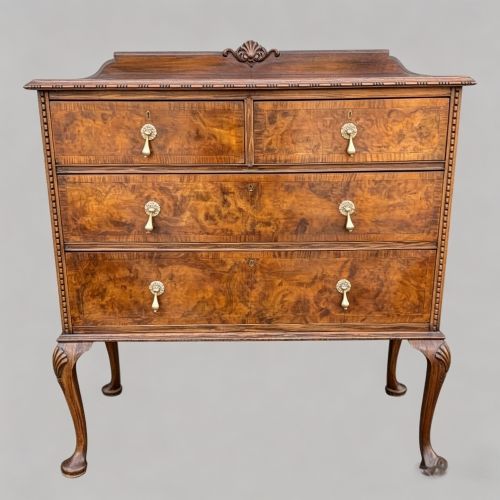
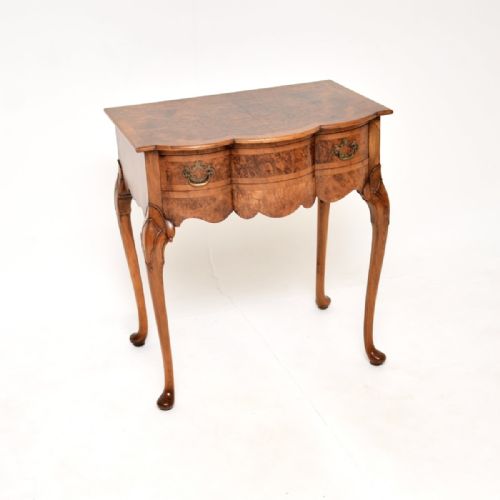
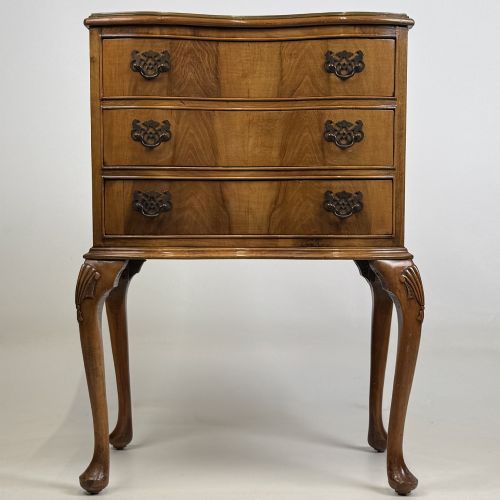
Most items you encounter follow classic proportions with a kneehole or multi-drawer arrangement, often supported by slender cabriole or straight legs. Oak and mahogany dominate the older pieces, while burr walnut veneer characterises the 20th century revivals.
While forms closely resemble traditional side tables, the presence of drawers distinguishes the lowboy. You will find them grouped alongside related items such as console tables, chest of drawers and dresser bases.
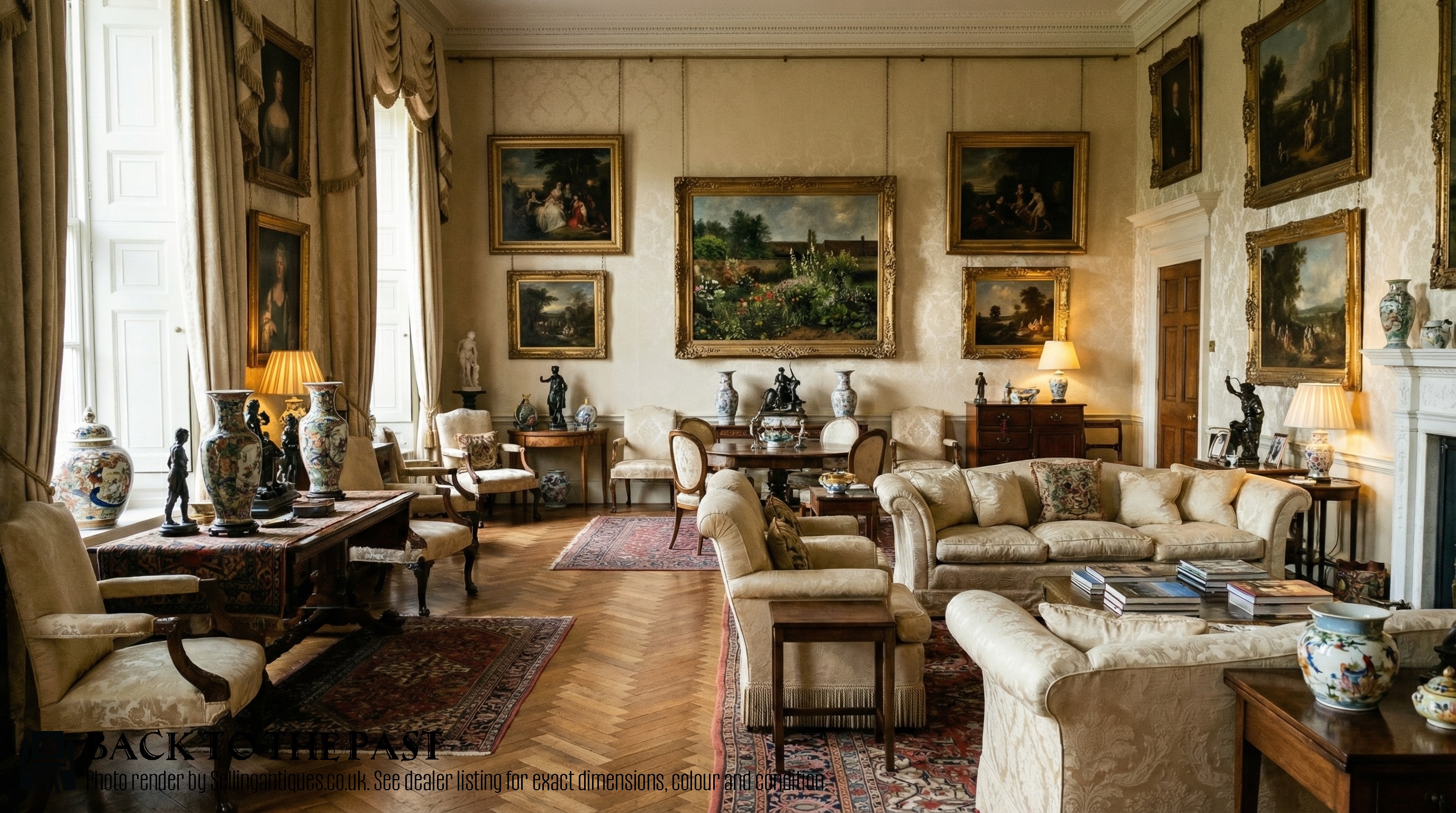
How they were made
Cabinetmakers built these tables using solid hardwoods like oak, mahogany, and elm, relying on traditional joinery to ensure stability. Walnut surfaces frequently utilise decorative burr veneers applied to secondary timbers to create rich grain patterns.
Finishing touches include feather banding, brass handles, and occasionally inlaid details. The integration of mirror glass and leather tops appears on related dressing tables within the broader selection.
Georgian Style Lowboy Retail Price Guide 2026
Typical asking prices for georgian style lowboy among the pieces listed under this phrase on Sellingantiques today, from the lower quarter to the upper quarter. They describe what is for sale here now, not the wider market.
Periods represented range from the 18th century through 19th century Victorian eras and into 20th century revivals.
What varies in quality
The distinction between ordinary and exceptional pieces rests on the choice of timber and the crispness of the carving or moulding. Superior examples display carefully matched burr walnut veneers or fine feather banding that demonstrates the maker's precision.
Structural integrity and the retention of original brass hardware elevate a piece. Later revivals vary from robustly constructed workshop items to lighter decorative pieces reflecting the revival styles of the early 20th century.
Elkington & Co·Muirhead Moffat & Co
The Georgian Style Lowboy Glossary
- Lowboy
- A small table with one or more drawers, traditionally used as a dressing table or side table. Their modest height distinguishes them from tallboys and chest of drawers.
- Cabriole leg
- A furniture leg that curves out and then in, resembling an animal's leg. This form frequently appears on Queen Anne and Georgian style pieces.
- Burr walnut
- A figured wood veneer derived from the burl growths of walnut trees. It provides a highly decorative and swirling grain pattern on tabletops and drawer fronts.
- Feather banding
- An inlay technique using thin strips of veneer arranged in a herringbone or V-shaped pattern around the edges of drawer fronts. It frames the primary wood surface with subtle contrast.
- Dresser base
- A low sideboard or table base with drawers, closely related in form to the lowboy. They offer similar storage but typically span a wider footprint.
Georgian Style Lowboy: Frequently Asked Questions
What is a georgian style lowboy used for?
Originally designed for grooming or as a compact side table, a lowboy serves equally well today as a hallway table, desk, or bedside surface. The drawers provide discreet storage for small household items while the surface holds a lamp or decorative objects.
Their shallow depth allows them to fit into narrow spaces where standard furniture would protrude too far into the room.
How do I tell an 18th century lowboy from a 20th century revival?
Examination of the timber, construction methods, and wear patterns reveals the age of a piece. 18th century examples show hand-cut joinery, pegged joints, and natural patination acquired through centuries of use.
Revivals from the 19th and 20th centuries often utilise machine-sawn elements, standardised screws, and styles inspired by earlier reigns such as George I and Queen Anne.
Are these tables made of solid wood?
Construction varies depending on the period and style of the specific piece. Early examples from the 18th and 19th centuries typically feature solid oak, mahogany, or elm throughout.
Later 20th century revival pieces frequently employ burr walnut veneers applied over secondary woods to achieve decorative figured surfaces on drawer fronts and tops.
Where should I place a lowboy in my home?
A lowboy suits placement in entryways, living rooms, or bedrooms due to its compact dimensions. Pairing the table with a mirror creates a traditional dressing station in a bedroom.
In a hallway, it provides a convenient surface for post and keys without blocking foot traffic.