






Georgian Style Hanging Mirror
A georgian style hanging mirror brings depth and light to a room through carved timber and gilded frames.
Georgian Style Hanging Mirror
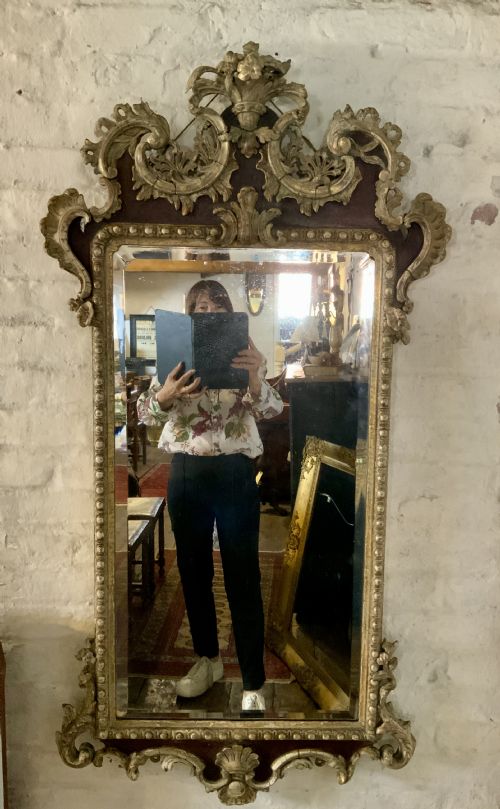
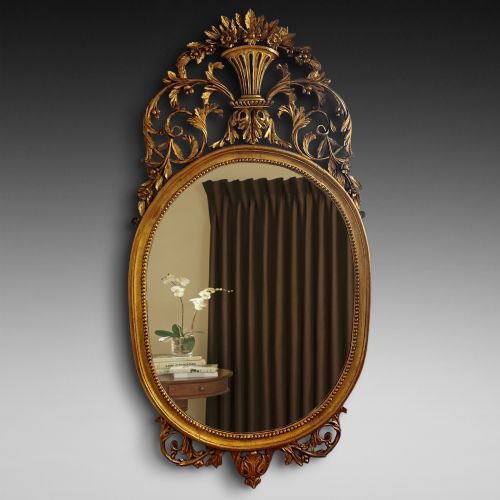
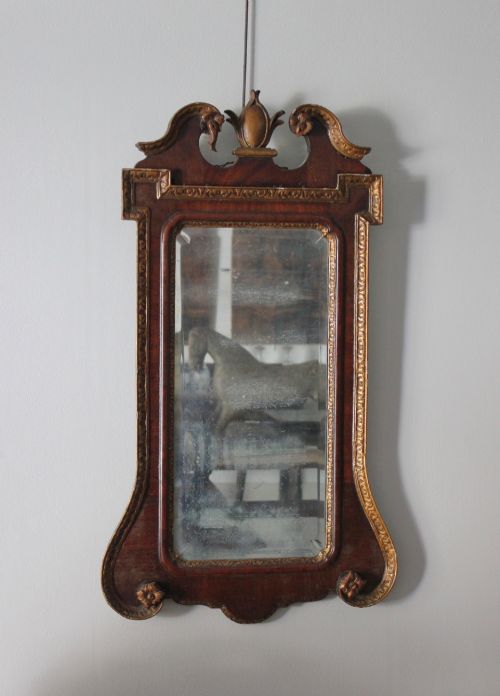
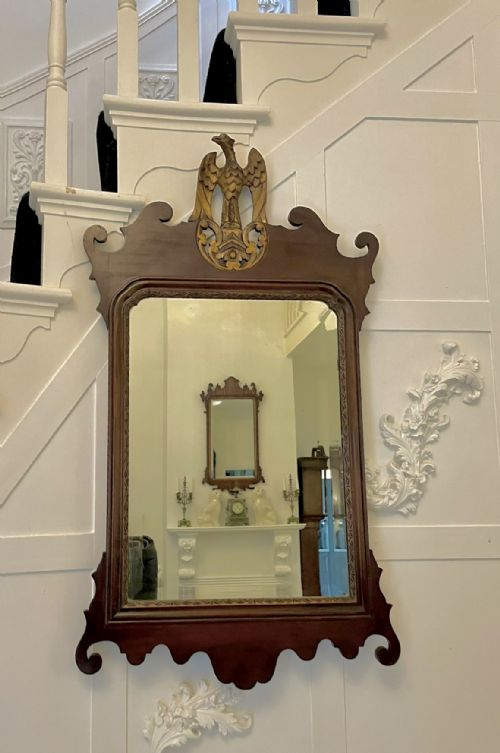
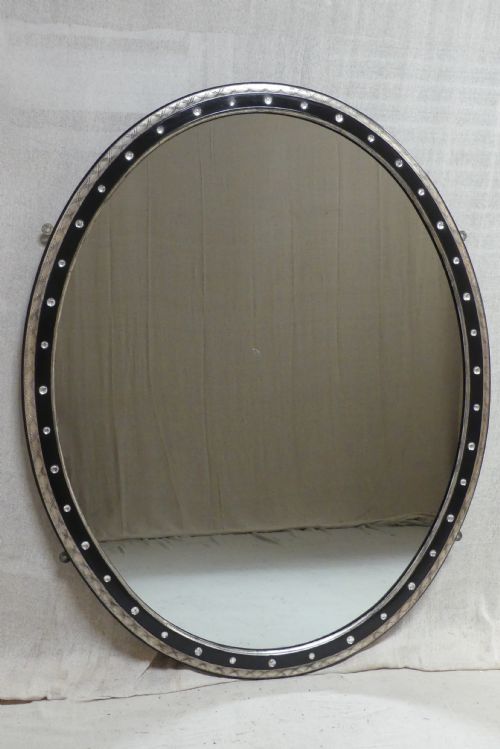
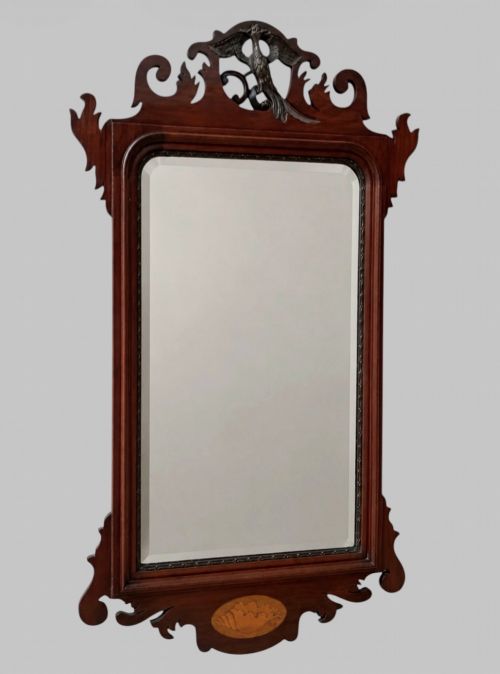
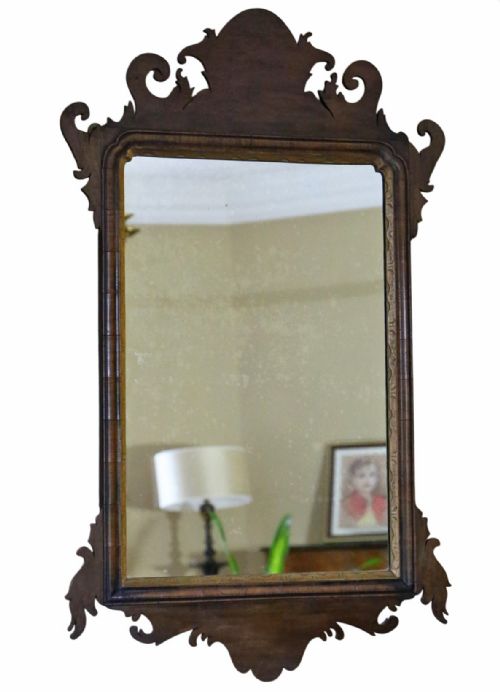
A georgian style hanging mirror is a wall-mounted glass panel set within a decorative wooden or gilded frame, designed to hang in domestic interiors. Buyers searching for a georgian style hanging mirror encounter pieces spanning actual 18th-century production alongside later revivals from the Victorian, Edwardian, and early 20th-century periods.
The forms on this page include vertical pier mirrors, horizontal overmantels, and symmetrical wall mirrors shaped with fretwork or carved surrounds. Mahogany and walnut timbers predominate alongside giltwood and gesso surfaces, echoing the designs associated with George III and Chippendale aesthetics.
Most examples found here reflect the revival movements of the late 19th and early 20th centuries, adopting Adam, Chippendale, and Regency vocabularies. These later interpretations sit alongside genuine 18th-century specimens to offer comparable decorative impact.
What varies in quality
Quality rests in the crispness of the hand-carved fretwork and the depth of the mouldings shaping the frame. Superior examples demonstrate balanced proportions and clean joinery where the timber corners meet.
The integrity of the gilded surface and the preservation of original mirror plates dictate the standing of a piece. Finer items retain their original gesso detailing without heavy restoration obscuring the underlying carved form.
Listings feature woods spanning mahogany, walnut, and burr walnut, alongside gilded gesso and gold leaf surfaces.
The Georgian Style Hanging Mirror Glossary
- Giltwood
- Wood coated with gold leaf over a prepared gesso ground. This technique creates a bright, reflective surface popular in formal domestic rooms.
- Fretwork
- Ornamental pattern pierced out of a flat board using a saw. It defines the outlines of many mid-18th-century style wall mirrors.
- Gesso
- A plaster mixture applied to wood frames to provide a smooth base for gilding or painting. It allows intricate relief decoration to be modelled.
- Pier glass
- A tall mirror designed to hang on the wall between two windows. These pieces often feature gilded framing to maximise natural light.
- Overmantel
- A large mirror intended for placement above a fireplace mantelpiece. They are typically wider than they are tall to match the hearth below.
Georgian Style Hanging Mirror: Frequently Asked Questions
How do I hang a heavy wooden mirror safely?
Heavy wall mirrors require sturdy fixings screwed directly into structural wall studs or masonry anchors. Professional mirror hangers utilise two weight-bearing brackets to distribute the load evenly across the frame.
Ensure the hanging wire or integrated brass strap hangers are secured firmly to the hardwood frame rather than the backboards. Checking the wall construction beforehand prevents shifting over time.
Are these mirrors genuinely from the 18th century?
The selection includes both authentic 18th-century antiques and later revival pieces made around 1900 or 1920. Craftsmanship details and timber ageing help distinguish original Georgian production from Edwardian reproductions.
Revival mirrors from the Victorian and Edwardian eras faithfully replicate earlier Chippendale and Adam styles. Examining the construction methods inside the frame reveals the true age of the piece.
What is parcel gilding on a mirror frame?
Parcel gilding involves applying gold leaf to specific highlighted areas of a wooden frame while leaving the surrounding timber exposed. This technique creates a contrast between the dark grain of mahogany or walnut and bright gold details.
Carved scrolls, leaves, and inner mouldings typically receive the gold leaf treatment. It was a favored decorative method for high-end Georgian wall mirrors.
How do I clean an antique giltwood frame?
Giltwood frames require gentle dusting with a soft, dry ostrich feather brush to remove surface particles. Avoid using water, chemical cleaners, or cloths that can catch on delicate gesso and gold leaf.
Moisture damages historical water gilding instantly. Professional conservators should handle any stubborn grime or flaking surface areas.