


Georgian Style Drop Leaf
Georgian style drop leaf tables combine hinged side flaps with the classic proportions and timbers of the eighteenth and early nineteenth centuries.
Georgian Style Drop Leaf
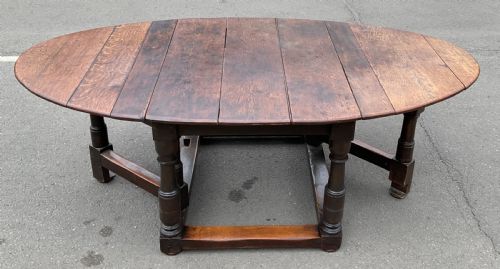
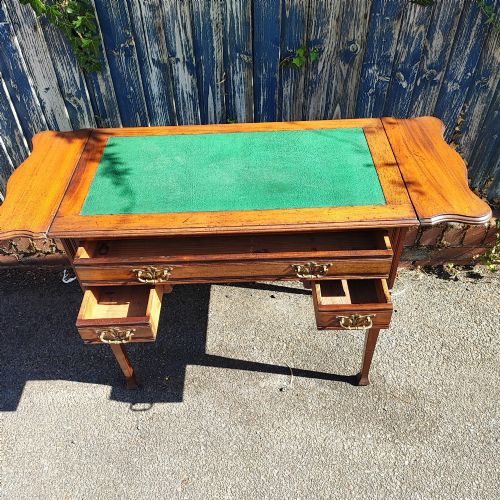
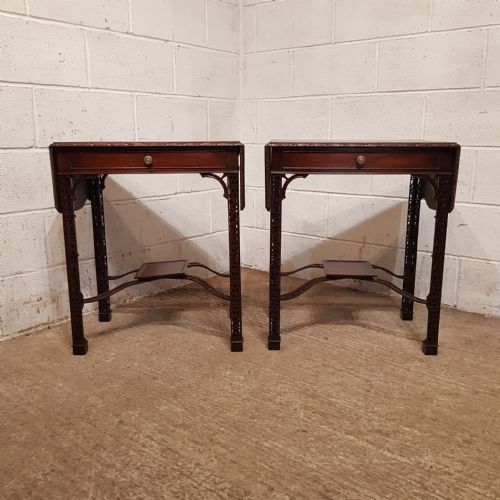
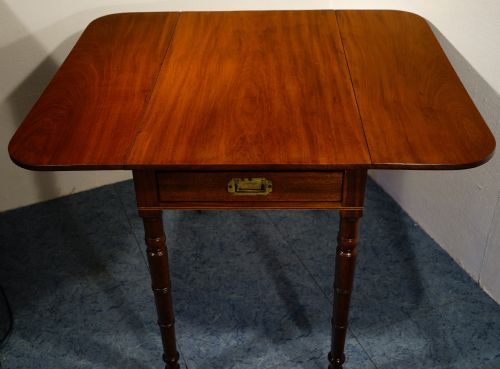
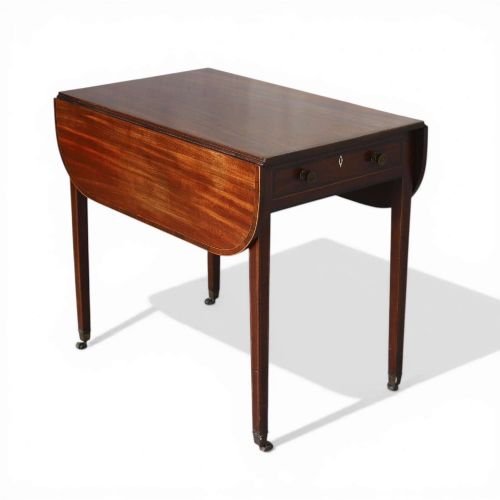
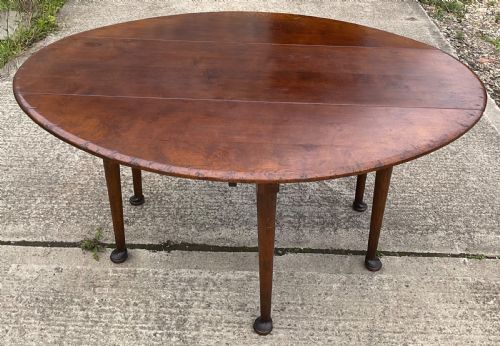
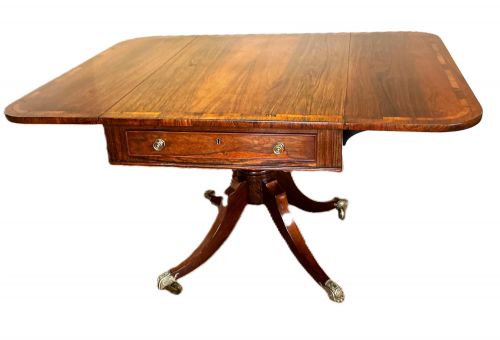
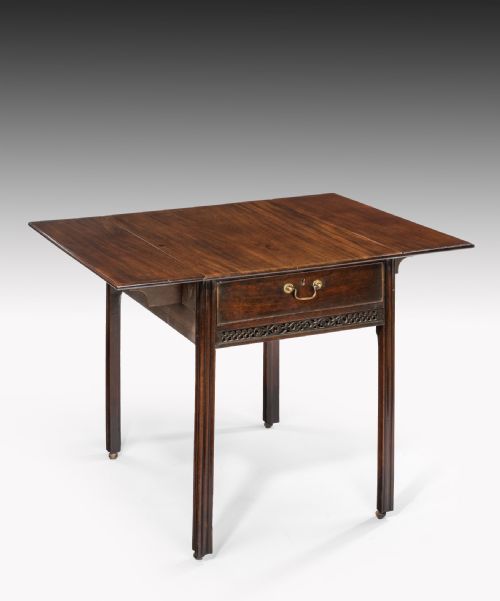
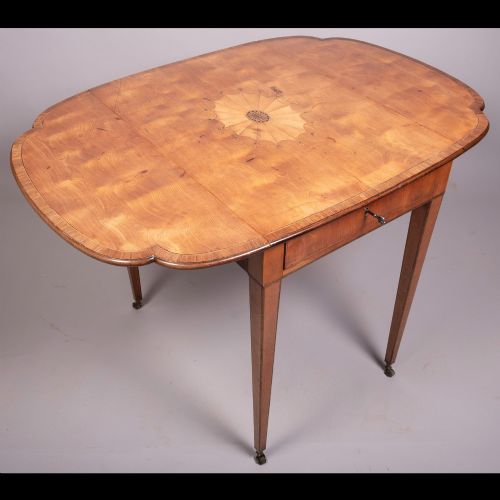
When you search for georgian style drop leaf, you are looking at practical tables featuring folding side leaves supported by swinging legs or wooden brackets. The selection includes Pembroke tables, dining tables, and sofa tables produced during the eighteenth century as well as later revival periods.
Mahogany is the primary timber met on this page, accompanied by satinwood, oak, walnut, and yew wood. Forms range from small occasional and lamp tables to large oval dining tables intended to seat several people.
The objects span original Georgian and Regency pieces alongside later nineteenth-century adaptations and twentieth-century revival pieces from nineteen hundred to nineteen twenty.
How They Were Made
Cabinetmakers utilised solid timbers and veneers, applying cross banding in satinwood, rosewood, and partridge wood to frame the tops. Brass hinges secure the drop flaps to the main surface, while brass castors frequently appear on the feet of sofa and dining tables.
Construction methods involve folding gate legs, sliding wooden brackets, and swinging hinged legs to support the extended leaves. Inlaid stringing, hand-painted details, and carved mahogany mouldings finish the structural work.
Listings feature woods including mahogany, satinwood, oak, walnut, rosewood, yew wood, and bone across periods spanning the eighteenth century to nineteen thirty.
What Varies in Quality
The standard of timber selection separates finer examples from ordinary production, particularly the depth of grain in mahogany and the crispness of contrasting satinwood banding. Figured timbers such as burr walnut and carefully matched veneers indicate higher workshop standards.
Joinery execution at the hinge joints and the smooth operation of drop leaf supports dictate functional success. The elegance of leg turning, whether tapered, spade-footed, or carved in the manner of Chippendale or Sheraton, defines the aesthetic merit of each piece.
The Georgian Style Drop Leaf Glossary
- Pembroke table
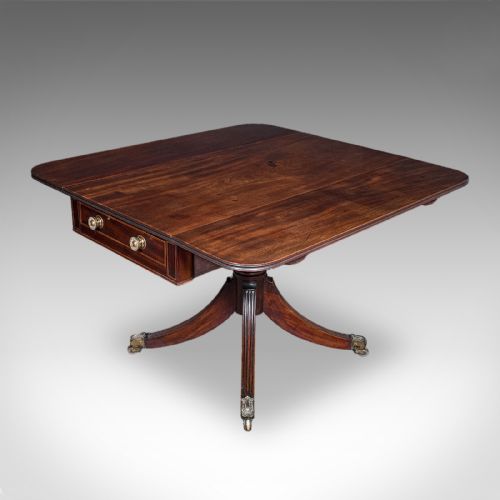
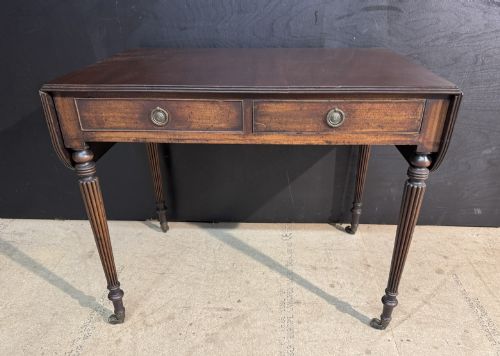
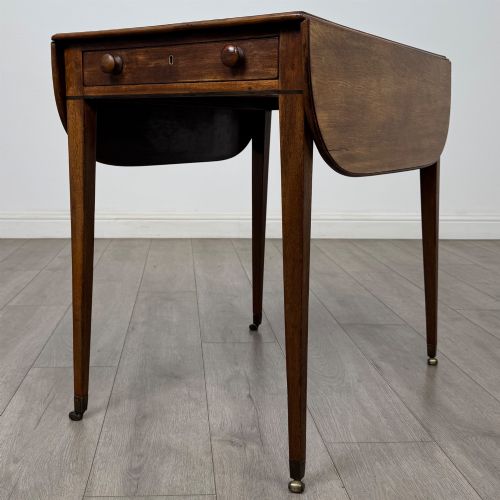
- A small rectangular or oval table with two hinged drop leaves on opposite sides, often featuring one or two drawers. This form became popular during the eighteenth century for breakfast or writing use.
- Sofa table
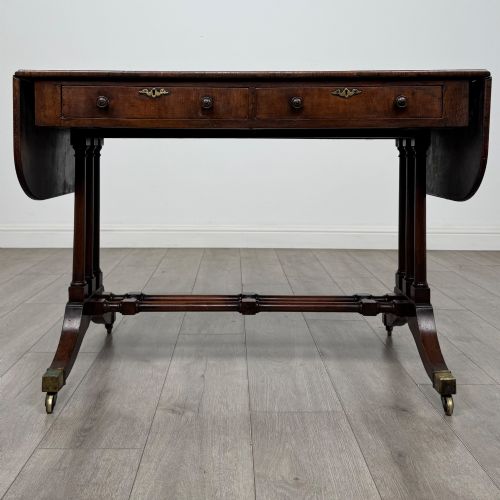
- A rectangular occasional table longer than it is wide, designed to stand in front of a sofa with drop leaves at either end. They typically rest on twin pillar supports connected by a stretcher.
- Gateleg table
- A table with hinged leaves supported by legs that swing outward like a gate. This construction provides solid support for large dining surfaces when fully opened.
- Cross banding
- A decorative border of veneer laid with the grain running perpendicular to the main surface. Cabinetmakers utilised this technique to frame table tops and drawer fronts.
- Satinwood
- A durable hardwood with a golden, lustrous sheen used extensively for inlay and banding. Eighteenth and nineteenth-century makers prized it for contrasting details.
Georgian Style Drop Leaf: Frequently Asked Questions
What is a pembroke table?
A pembroke table is a compact design featuring hinged side flaps that lift to increase the surface area. Eighteenth-century households used them flexibly as writing desks, breakfast tables, or side furniture.
They typically include one or two small drawers beneath the top. The folding leaves allow the furniture to sit against a wall when not in use.
How do you date these tables?
Dating relies on timber choices, construction techniques, and stylistic markers recorded in the evidence. Eighteenth-century pieces often display native mahogany and hand-cut joinery, while revival pieces from nineteen hundred onwards incorporate later manufacturing methods.
Secondary woods inside drawers and the specific style of brass hardware provide further clues. Comparing leg shapes and inlay patterns against documented periods clarifies the timeline.
Where were they placed originally?
These tables served multiple functions across different rooms in period homes. Sofa tables stood directly before seating furniture in drawing rooms, while pembroke and occasional tables functioned as writing or lamp stands.
Large oval and gateleg versions stood in dining rooms, folded down to save floor space between meals. Their adaptable footprint made them suitable for sitting rooms and bedchambers alike.
Are original and revival pieces different?
Original eighteenth-century pieces reflect the construction methods and timber stocks of the Georgian era. Twentieth-century revival pieces, produced around nineteen hundred to nineteen twenty, replicate those earlier forms using the standards of their own time.
Both categories provide functional furniture built with hardwood frames and hinged leaves. Examining the secondary timbers and wear patterns helps distinguish between periods.