
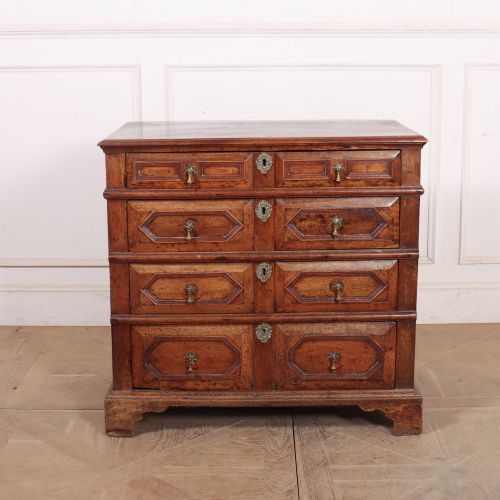
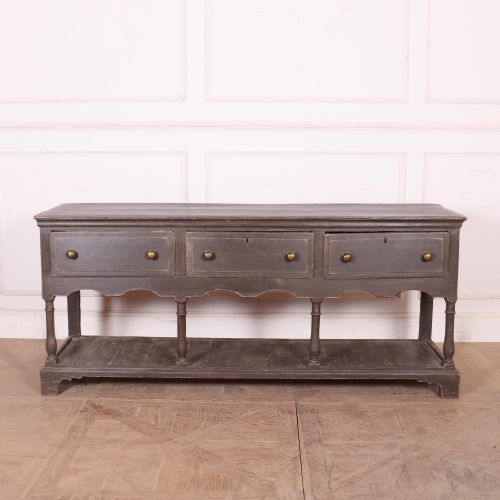

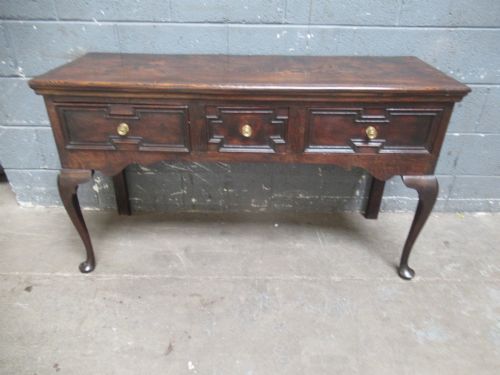
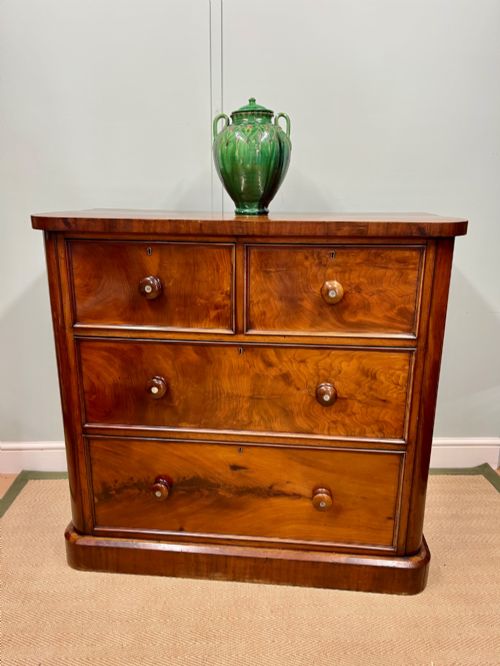
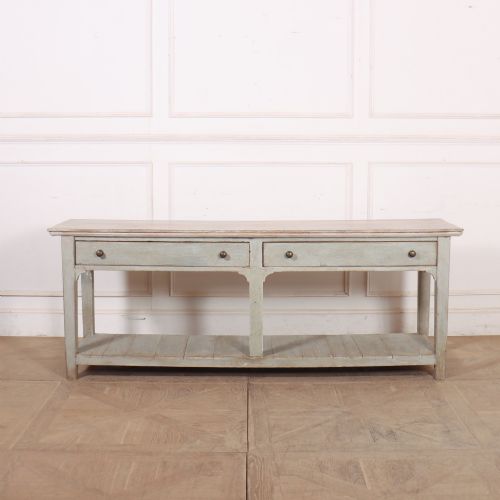


Georgian Style Dresser Base
A georgian style dresser base anchors a room with timber weight and working surface, offering deep storage for daily use.
Identifying a Georgian Style Dresser Base
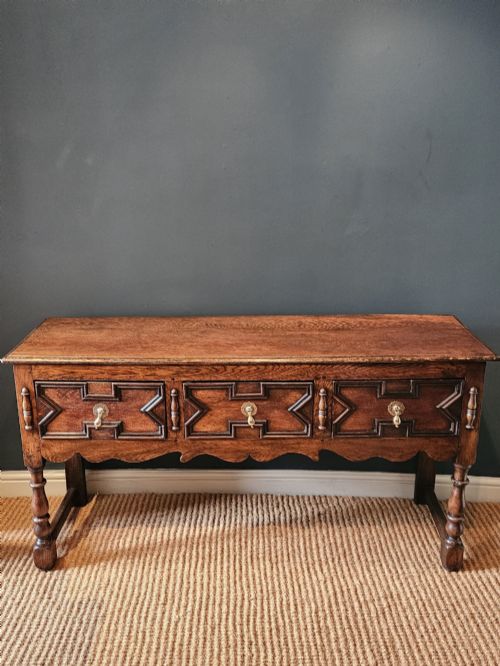
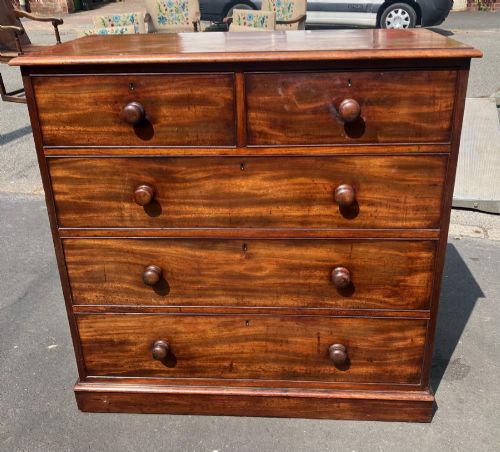
A georgian style dresser base provides a low storage platform with drawer arrangements designed for domestic utility. Pieces appearing in these listings span centuries, running from seventeenth century roots through eighteenth and nineteenth century interpretations down to eighteen eighty.
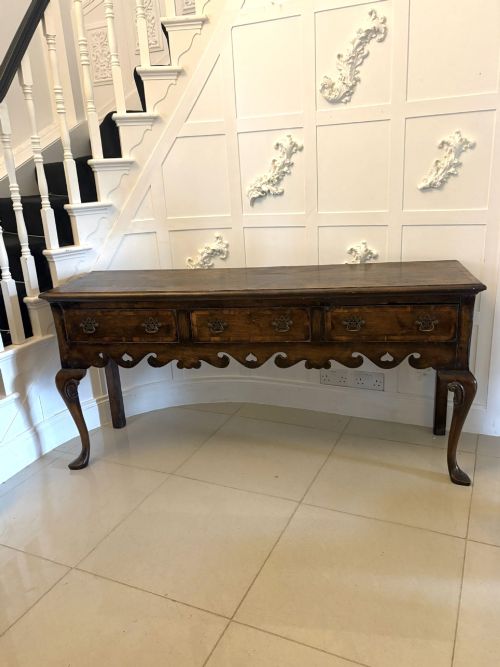
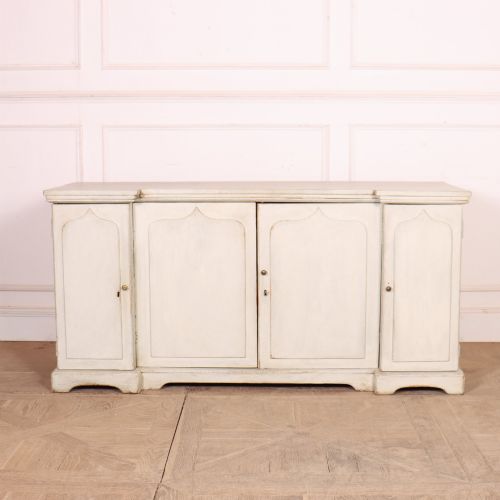
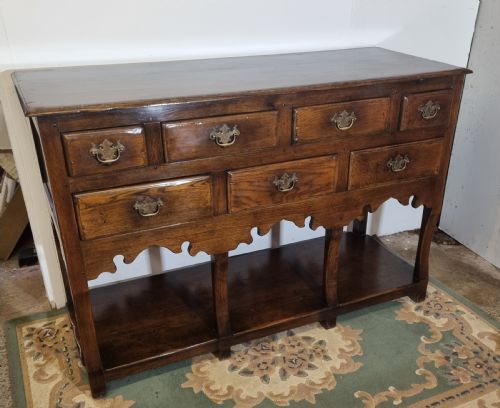
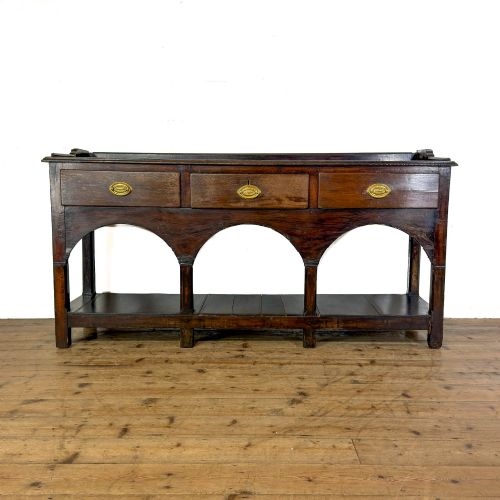
The physical form centres on low cabinetry fitted with drawers above open space or enclosed cupboards. Examples demonstrate regional variety, including English country house pieces and South Wales or Welsh farmhouse high potboard configurations.
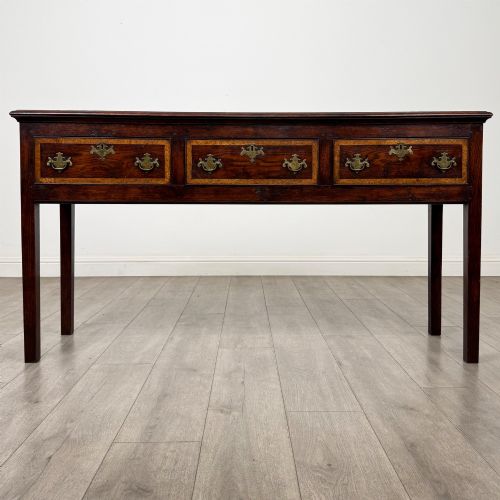
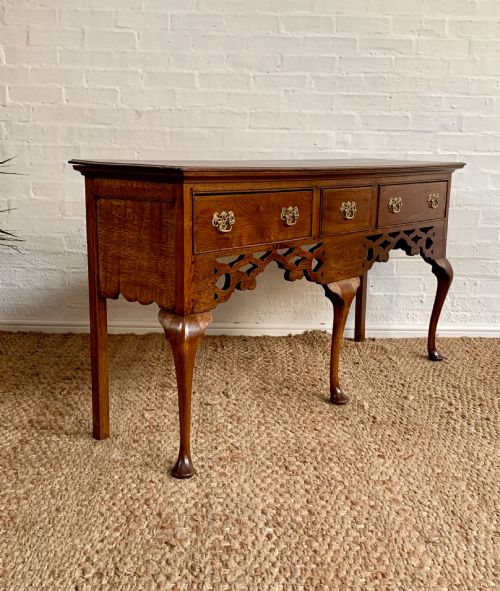
Makers adapted the form using oak, pine, walnut, and painted timber finishes. Styles range from plain English country vernacular to decorative cabriole leg console forms and joined construction.
Materials and Construction
Joiners built these pieces primarily using solid oak and pine, sometimes selecting walnut or applying paint over timber. Brass fittings such as handles and escutcheons punctuate the wooden drawer fronts.
Construction techniques rely on traditional joined timber methods for stability and weight-bearing strength. Surfaces show natural grain patterns alongside historical painted finishes and bleached treatments.
Retail Price Guide 2026
Typical UK retail prices for georgian style dresser base, calculated from the Sellingantiques database of over a million retail prices indexed since 2003. This retail price guide relies exclusively on Sellingantiques data; no external sources or auction records are used, so the figures do not describe the wider market.
Listings feature periods spanning the seventeenth, eighteenth, and nineteenth centuries alongside an eighteen eighty entry.
Assessing Quality and Merit
Quality rests in the choice of timber and the integrity of the joined structure rather than surface decoration alone. Dense oak boards and well-balanced proportions separate substantial farmhouse pieces from lighter alternatives.
The character of the finish, whether aged paint or cleaned grain, influences the visual weight of the base. Finer examples retain original brass hardware and show purposeful hand-planed surfaces across the top boards.
The Georgian Style Dresser Base Glossary
- Dresser base
- A low freestanding kitchen or dining cupboard featuring drawers above lower storage, originally utilised for food preparation and serving. This primary form lacks the upper shelving rack.
- Potboard
- An open slatted lower shelf fitted between the legs of a dresser base, traditionally used for storing pots and pans. It provides structural bracing while adding display space.
- Cabriole leg
- A curved furniture leg featuring an outward knee and an inward ankle, terminating in a simple foot. This shape derives from classical forms and appears on console-style bases.
- Joined construction
- A method of framing furniture using mortise and tenon joints secured with wooden pegs rather than metal nails. This technique ensures long-term durability in heavy domestic timber furniture.
- Bleached walnut
- Walnut timber treated to lighten its natural dark tone, creating a pale surface finish. This specific material treatment alters the visual presence of the wood grain.
Frequently Asked Questions
What is a dresser base used for?
A dresser base serves as a heavy-duty surface and storage unit for rooms needing robust timber furniture. The top provides space for serving or display while drawers hold household goods.
Historically placed in kitchens or dining rooms, these low units keep daily items close at hand. Modern interiors utilise them as sideboards, console tables, or media units.
How do I date an oak dresser base?
Dating relies on examining the construction methods, timber selection, and hardware types used across the piece. Seventeenth and eighteenth century examples often display hand-joined oak panels and vernacular joinery.
Later nineteenth century pieces incorporate different proportion styles and occasionally machine-sawn timber elements. Comparing the hardware fixings and finish layers helps confirm the period of manufacture.
Are these pieces made of solid wood?
The listings show construction using solid timbers such as oak, pine, and walnut. Craftsmen selected these durable woods to withstand heavy daily use in domestic settings.
Painted timber and bleached walnut variants also appear, maintaining solid wood construction beneath surface treatments. Natural materials dominate across all regional styles.
What is a Welsh dresser base?
A Welsh dresser base originates from or follows the design traditions of South Wales farmhouses. These pieces frequently incorporate high potboard shelves beneath the main cabinet structure.
Regional vernacular design guides the proportions, giving these specific bases a robust and distinctive silhouette. They combine open lower storage with practical drawer space.