


Georgian Sterling Silver Salts
Georgian sterling silver salts are functional tableware pieces designed to hold condiments, prized by collectors for their intricate craftsmanship and enduring historical elegance.
Georgian Sterling Silver Salts
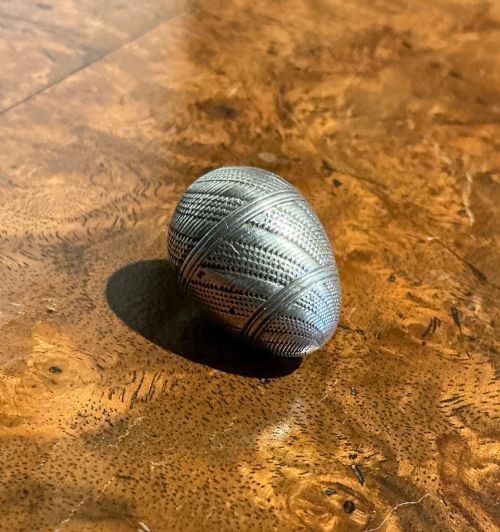
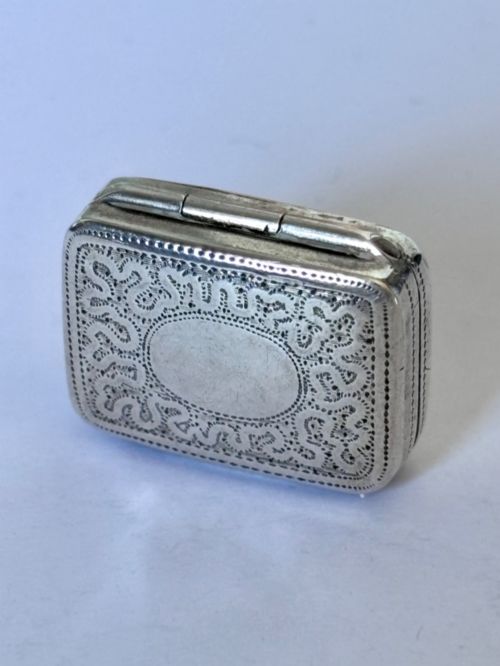
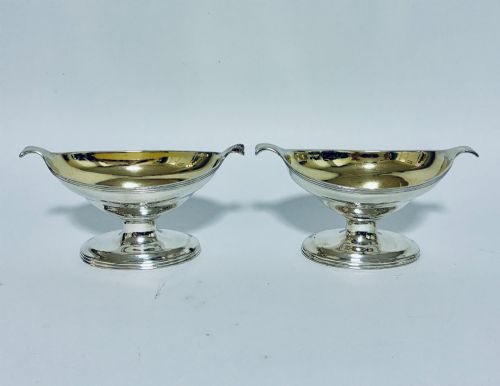
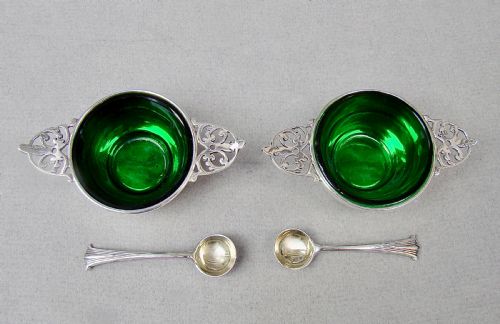
When you search for georgian sterling silver salts, you encounter a variety of forms designed for dining tables, including salt cellars, boat-shaped vessels, and shell dishes. The pieces listed span multiple stylistic influences such as Georgian Rococo, Regency, and William IV, reflecting evolving dining customs across the eighteenth and nineteenth centuries.
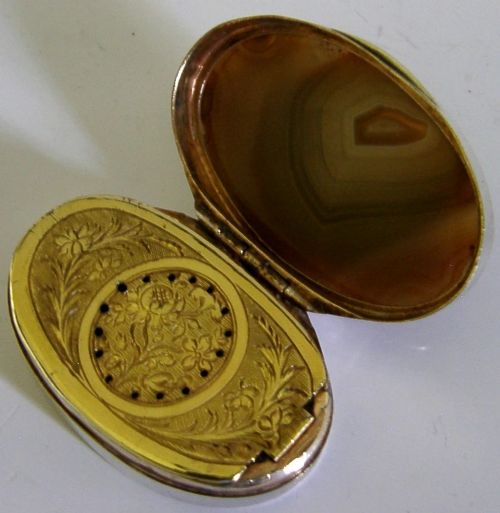
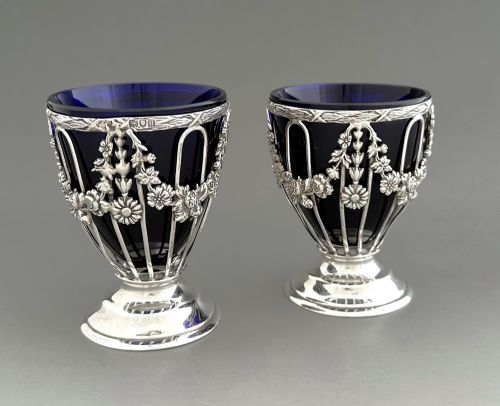
The salt cellars you meet on this page range from early open trenchers and pedestal dishes to cauldron designs supported on three feet. Many examples retain their original blue glass liners or incorporate contrasting materials like agate and cowrie shell.
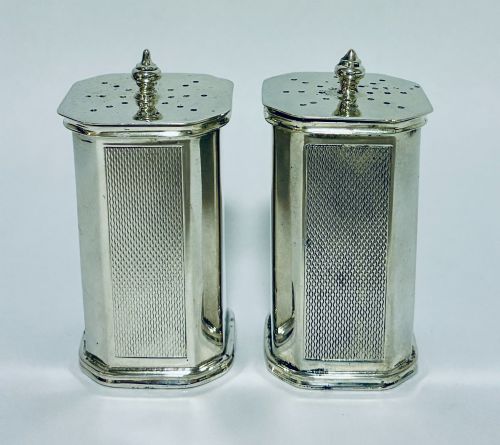
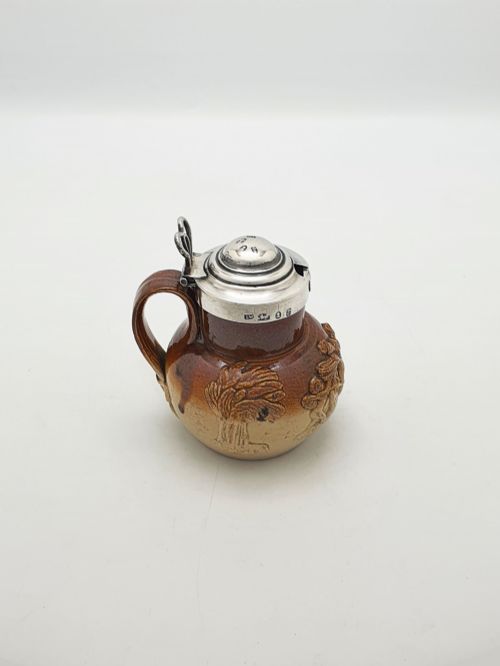
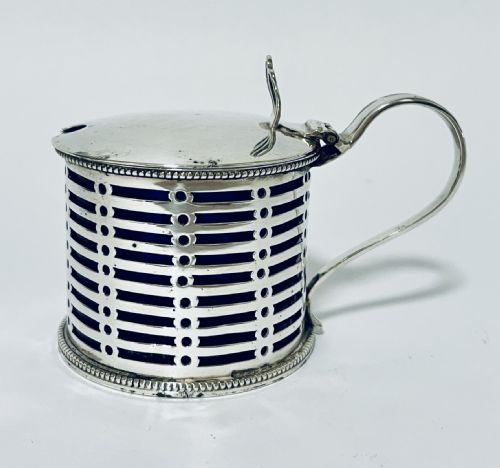
Beyond standard table salts, related items such as mustard pots, pepper pots, and complete cruet sets often accompany these collections. The domestic origins trace through English, Scottish, and Irish workshops from the Georgian era onwards.
Materials and construction methods
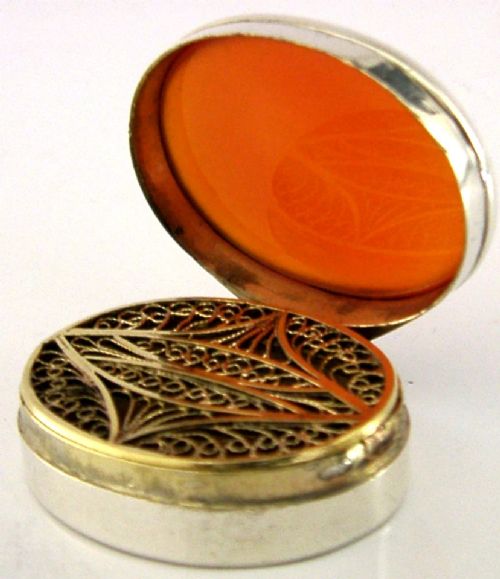
The primary material across these pieces is sterling silver, frequently enhanced with gold gilt interiors or vermeil applications that protect the metal from corrosive salts. Master silversmiths utilised casting, hammering, and wirework techniques to shape complex vessels like salt boats and naturalistic flower designs.
Specialised components such as removable blue glass liners or perforated inserts demonstrate the multi-material construction typical of high-end domestic silver. Engraving, chasing, and rococo scrollwork further define the surface ornamentation executed by period craftsmen.
Listings feature items spanning from the eighteenth-century Georgian period through to Edwardian and George V revivals, utilising sterling silver, glass, and agate.
Distinguishing quality in period salts
Quality in these table accessories rests upon the crispness of the chased or cast ornament, whether executing a naturalistic flower motif or a rococo shell edge. Silversmiths who achieved sharp definition in relief work without thinning the metal walls elevated the standing of a piece.
The presence of matching maker marks, original components like cobalt glass liners, and documented provenance separate standard production items from masterworks. Balance, weight, and structural integrity in delicate footed bases or wirework frames dictate the ultimate calibre of the salt.
THOMAS JOHNSON·Nathaniel Mills·David Hennell·John Edmonstone·William Bateman·John Bettridge·Edward Farrell·Edward Wood·Paul Storr·Josiah Williams & Co·Viners
The Georgian Sterling Silver Salts Glossary
- Trencher salt
- A small, low salt cellar placed directly on the dining table for individual use before the widespread adoption of larger standing salts. These early forms often possess square or octagonal bases.
- Salt boat
- A vessel fashioned in the shape of a miniature boat, usually supported on a fixed foot or small pedestal. They emerge frequently in pairs during the eighteenth century.
- Vermeil
- Sterling silver coated with a thin layer of gold, frequently utilised on the interior bowls of salt cellars to prevent the salt from tarnishing the silver surface.
- Blue glass liner
- A cobalt or dark blue blown glass insert fitted inside open salt cellars to protect the metal from chemical corrosion caused by salt. Surviving original liners add significant interest to a piece.
- Cast salt
- A cellar formed by pouring molten silver into a mould rather than hammering sheet metal, allowing for heavier gauge walls and high-relief decorative feet.
Georgian Sterling Silver Salts: Frequently Asked Questions
What are Georgian sterling silver salts used for?
These vessels were historically placed upon dining tables to hold loose salt before the invention of free-flowing table shakers. Diners used tiny spoons or pinched the salt directly from the open cellar onto their plates.
Today, collectors utilise them as decorative cabinet pieces or repurpose them to hold small items like rings and cuff-links on a dressing table.
How do I tell early salts from later revival pieces?
Examination of the hallmarks stamped into the silver provides the most reliable guide to dating a piece accurately. Statutory assay office marks and date letters reveal the exact year and city of manufacture.
Stylistic shifts also assist identification, as genuine Georgian pieces display hand-chased details and heavier gauge construction compared to later twentieth-century Georgian Revival reproductions.
Did salt cellars always come in pairs?
Dining etiquette during the eighteenth century dictated symmetry on the table, leading silversmiths to produce salt cellars in matching pairs or larger sets. Cruet frames often housed multiple salts alongside mustard pots and casters.
Single surviving salts frequently occur due to the dispersal of original sets over centuries of domestic use and inheritance.
Why do some salt cellars have blue glass interiors?
Salt is a highly corrosive substance that reacts chemically with silver over extended periods, causing pitting and dark staining. Inserting a removable glass liner protected the precious metal base from direct contact with the condiment.
These liners were typically blown from deep cobalt glass, which created a striking visual contrast against the polished sterling silver.