
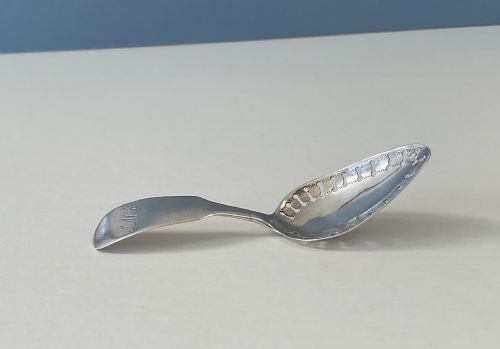


Georgian Sterling Silver Caddy
A georgian sterling silver caddy brings the refined rituals of eighteenth and nineteenth century tea tables directly into the modern home.
Georgian Sterling Silver Caddy
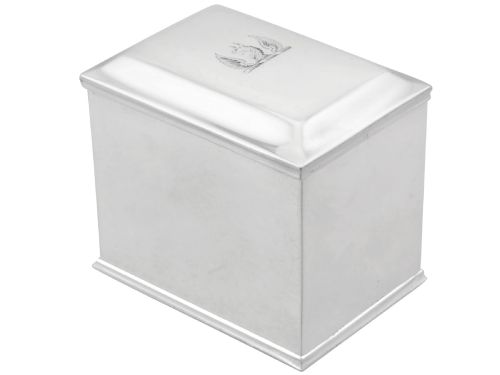
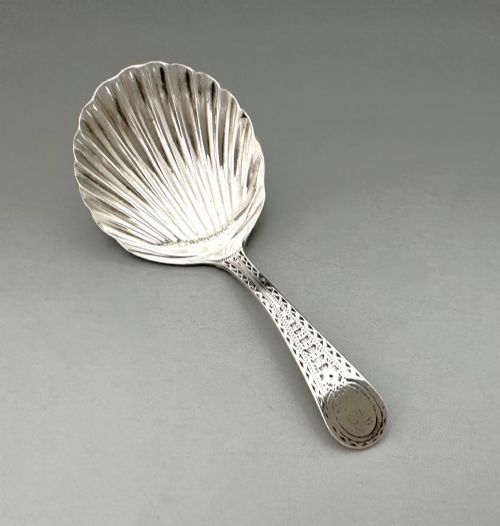
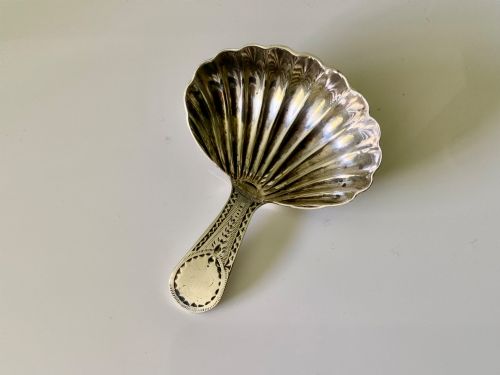
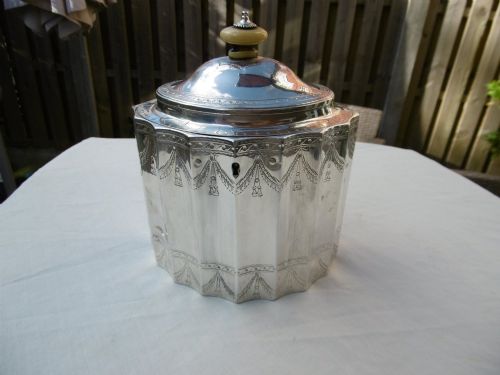
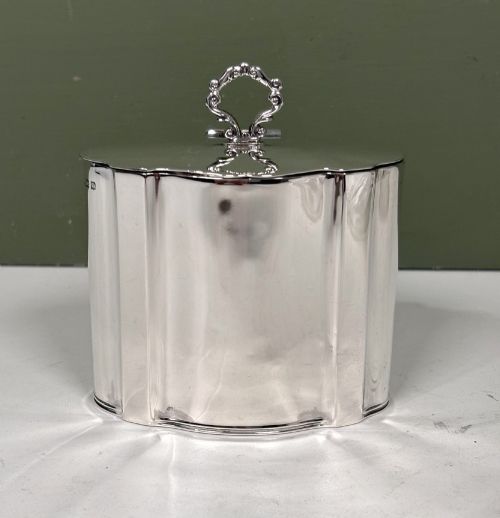
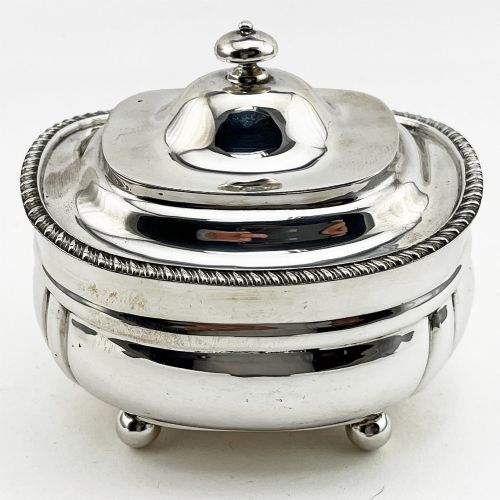
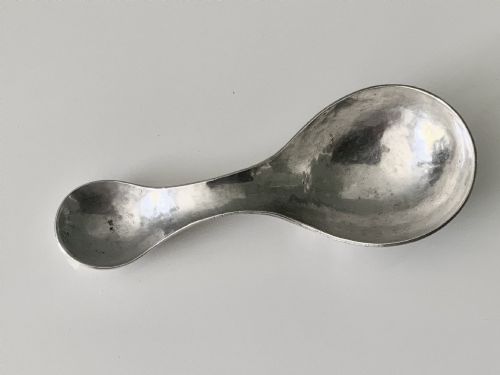
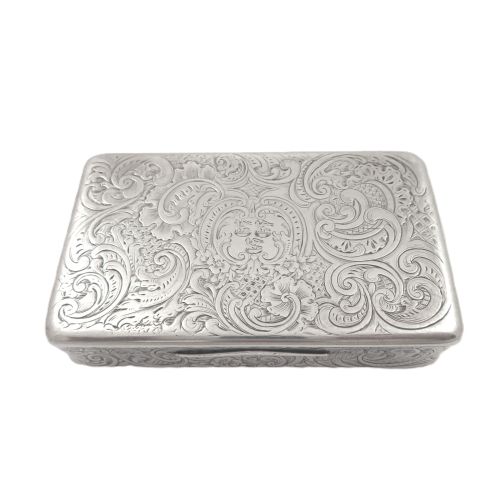
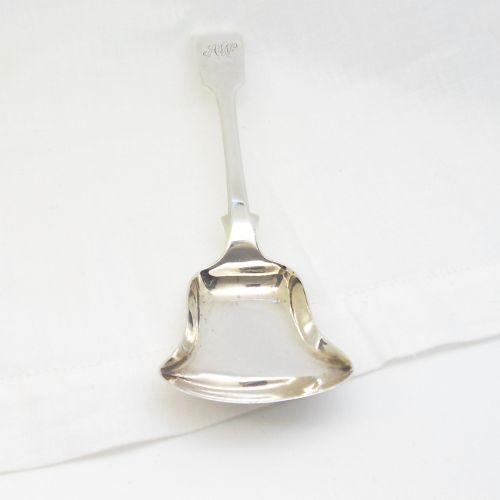
Tea caddies take the form of substantial boxes, canisters, and twin pairs, frequently accompanied by matching spoons shaped as leaves, shells, acorns, and novelty hands. Buyers encounter sturdy solid silver vessels alongside smaller silver caddy spoons designed to fit neatly within the canister neck.
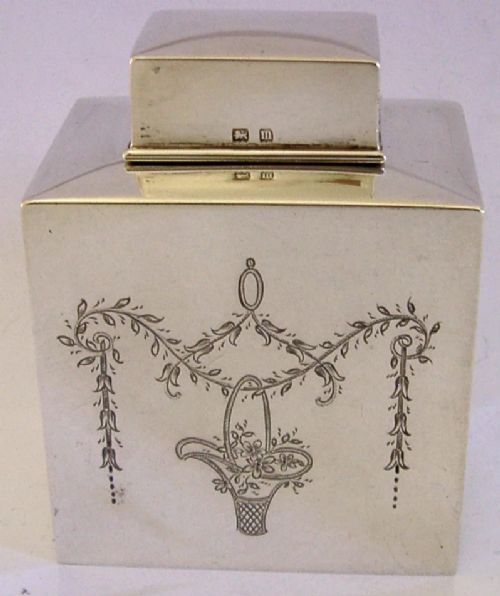
Makers utilised various regional assay offices across England, Ireland, and Scotland, stamping their work with hallmarks that record the year of creation and the silver's standard. These objects reflect a time when tea was an expensive luxury requiring secure storage under lock and key.
How They Were Made
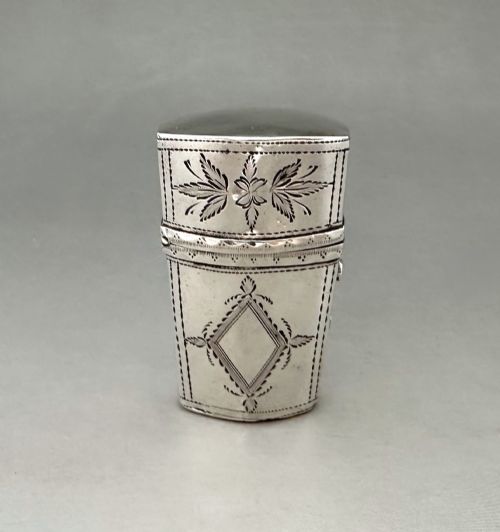
Silversmiths constructed these pieces primarily from sterling silver and solid silver, employing techniques such as casting, hammering, and fluting to shape the metal. Surface decoration relied on delicate brightcut engraving, embossed motifs, and parcel-gilt finishes to catch the candlelight.
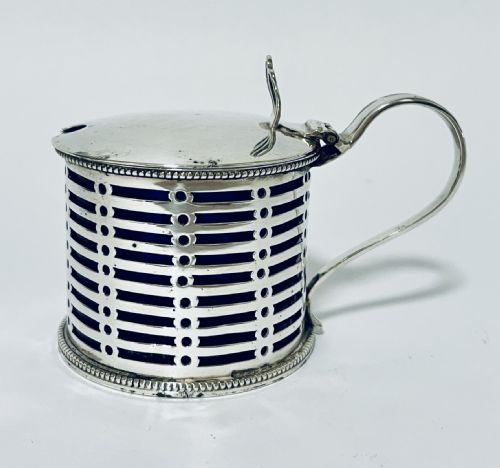
Certain items incorporate secondary materials like cut glass, bone, and ebonised wood, particularly within cruet sets, scent bottles, and mustard pots. Spoons often feature pierced handles or detailed organic designs such as vine leaves and grapes, formed through careful hand-cutting and chasing.
Silversmiths occasionally shaped tiny silver spoons to resemble human hands or jockey caps just to amuse Georgian tea drinkers.
What Varies in Quality
The distinction between standard examples and the finest pieces rests upon the crispness of the chasing and the clarity of the maker marks. Superior spoons and caddies display deep, well-defined engraving that remains sharp after centuries of handling.
Proportion and weight also dictate worth, with heavier solid silver vessels and double-struck spoons representing the upper tier of production. Pieces bearing the signatures of notable silversmiths command attention through their balanced forms and immaculate structural integrity.
Joseph Willmore·Robert Hennell·Zimmermann·John Walton·William Pugh·Sarah Purver·Thomas Heming·Goldsmiths and Silversmiths Co.
The Georgian Sterling Silver Caddy Glossary
- Hallmark
- A series of official stamps applied to precious metals indicating the standard of silver, the assay office, and the date of manufacture. These small marks allow collectors to trace an object's exact origin and age.
- Brightcut engraving
- A surface decoration technique utilising faceted V-shaped cuts to create shimmering geometric and floral patterns. It reflects light brightly against the polished silver background.
- Parcel-gilt
- A finish where specific areas of a silver object are coated in a thin layer of gold while the rest remains plain silver. This creates a striking two-tone decorative effect.
- Double struck
- A manufacturing method where the die is applied twice to both sides of a spoon handle, ensuring deep and detailed ornament on the reverse as well as the front.
- Assay office
- An official body responsible for testing the purity of precious metals and stamping them with the appropriate marks. Towns like Birmingham, London, and Newcastle maintained active offices during the Georgian era.
Georgian Sterling Silver Caddy: Frequently Asked Questions
What were tea caddies used for?
Tea caddies served as secure storage containers for loose tea leaves when the beverage was an expensive and heavily taxed commodity. They often featured internal compartments and locks to protect the precious contents from household servants.
Smaller spoons were kept alongside these vessels to measure the exact amount of tea needed for the pot without spilling the precious leaves.
How do I identify a Georgian piece?
Authentic Georgian items bear legible hallmarks stamped directly into the silver, including date letters that correspond to the reigns of the Hanoverian kings. Examining the style of the engraving and the construction methods helps confirm the eighteenth or early nineteenth-century origin.
Many pieces also feature specific regional assay marks from London, Birmingham, Newcastle, or Ireland which date the object precisely.
How should I clean silver caddies?
Silver requires gentle maintenance using a soft cloth and a reputable silver polish formulated to remove tarnish without abrading the surface. Avoid harsh chemical dips that strip away the natural patina accumulated over centuries.
Regular, light dusting and careful handling prevent the buildup of grime, preserving the crisp details of any brightcut engraving or embossed ornament.
Can I use a caddy spoon daily?
These spoons are robust enough for daily service when handled with reasonable care and washed by hand rather than in a dishwasher. Their historical design works practically for measuring dry goods like tea or sugar.
Owners should store them safely away from hard surfaces to avoid scratching the delicate silver or wearing down the antique hallmarks.