


Georgian Silver Tea Chest
Georgian silver tea chest pieces bring together precious metals and fine cabinet-making to store the leaves that once dictated the rhythm of elite households.
Georgian Silver Tea Chest
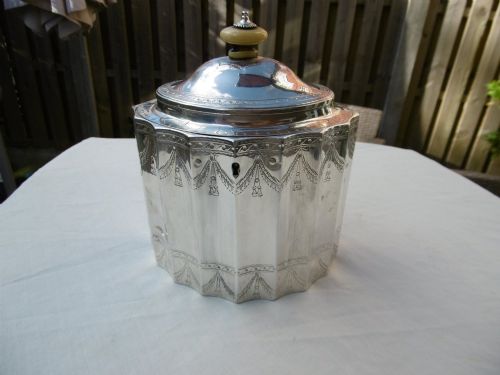
A georgian silver tea chest or caddy serves as a receptacle for preserving expensive leaves, often taking the form of single or double compartments within sturdy wooden or tortoiseshell carcasses.
The versions met most frequently on this page range from solid sterling vessels bearing hallmarks of the George III period to tortoiseshell and burr maple boxes mounted with silver hardware.
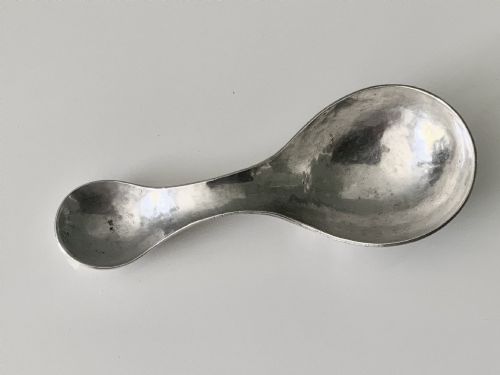
Makers utilised various configurations, including octagonal and bow-fronted outlines, alongside diminutive miniature pairs and matching caddy spoons.
Materials and construction
Silver and sterling silver provide the primary metal elements, appearing both as the structural body of eighteenth-century caddies and as delicate escutcheons, handles, and stringing on wooden boxes.
Tortoiseshell and burr maple form the rich organic surfaces of Regency period chests, laminated over timber foundations to create highly figured exterior panels.
Bone and assorted metals occasionally appear in subtle stringing, interior veneers, or hardware details that complement the principal materials.
Materials across these listings span sterling silver, tortoiseshell, burr maple, bone, and assorted metals.
Judging quality and merit
The distinction between ordinary and exceptional pieces rests upon the crispness of silversmithing, such as the depth of fluting on George III caddies, and the preservation of delicate tortoiseshell veneers.
Proportion and cabinet-making integrity dictate long-term value, where well-aligned joints and intact original mounts separate superior examples from heavily restored containers.
Robert Hennell
The Georgian Silver Tea Chest Glossary
- Caddy spoon
- A small utensil designed specifically for measuring loose tea leaves into the pot. These pieces frequently match the period and metal of the main chest.
- Escutcheon
- A protective metal plate surrounding the keyhole of a chest or caddy. It is usually fabricated from sterling silver to match the box mounts.
- Regency
- A stylistic period spanning the early nineteenth century defined by classical restraint and rich materials like tortoiseshell and burr maple.
- George III
- The stylistic era covering the long reign of the third George, notable for refined neoclassical silverwork and elegant cabinet proportions.
Georgian Silver Tea Chest: Frequently Asked Questions
What was a georgian silver tea chest used for?
These chests functioned as secure containers for storing costly black and green teas under lock and key during a period when tea was a luxury commodity.
Servants or the master of the house kept the leaves protected from moisture and theft until it was time to brew.
How do I care for tortoiseshell and silver?
Keep tortoiseshell pieces away from direct sunlight and extreme temperature fluctuations to prevent warping or cracking of the delicate organic material.
Use a soft cloth for the silver elements, avoiding harsh chemical dips that damage adjacent wood or shell.
Are all tea chests made entirely of silver?
Many examples combine precious metals with organic materials like tortoiseshell, burr maple, or other hardwoods to create decorative contrast.
Solid silver vessels exist alongside wooden carcasses adorned with silver mounts, handles, and escutcheons.
How can I tell a Regency piece apart?
Regency items often feature distinctive geometric outlines such as octagonal or bow-fronted shapes executed in polished tortoiseshell.
These pieces reflect the classical influences of the early nineteenth century rather than the rococo or fluted neoclassical styles of earlier decades.