

Georgian Spode Porcelain
Georgian Spode porcelain brings remarkable ceramic artistry to the table, offering collectors exquisite tea wares and decorative vessels made during the Regency and Georgian eras.
Georgian Spode Porcelain
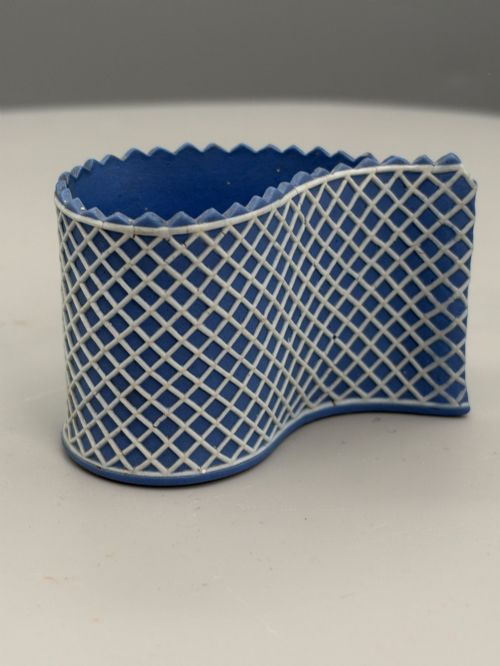
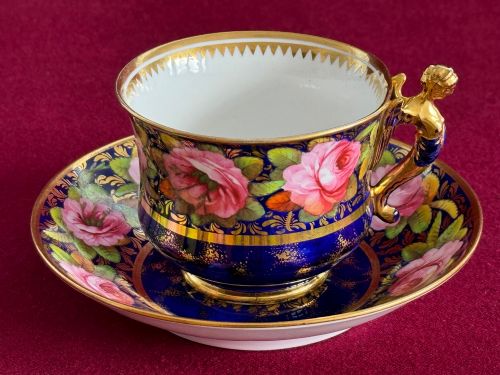
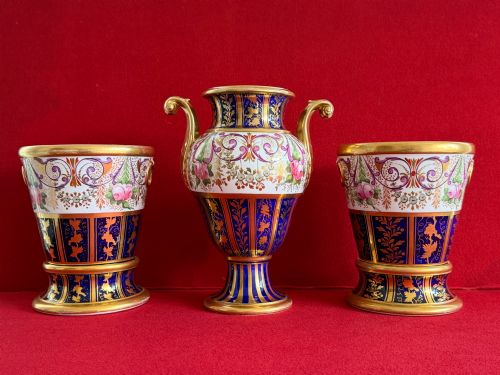
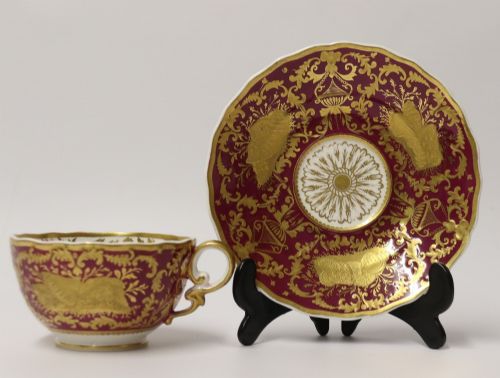
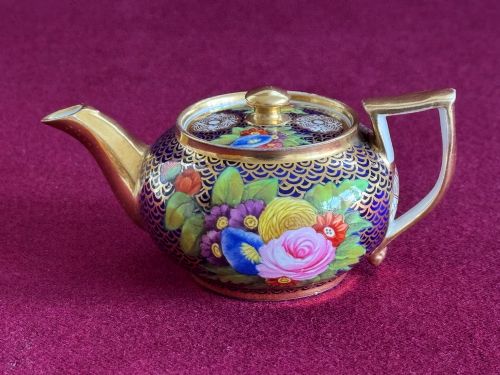
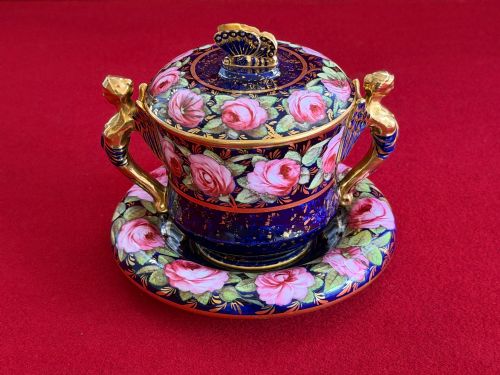
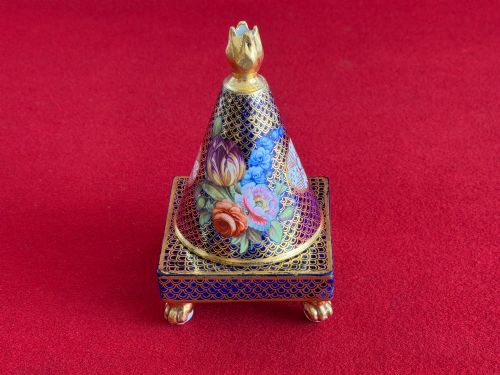
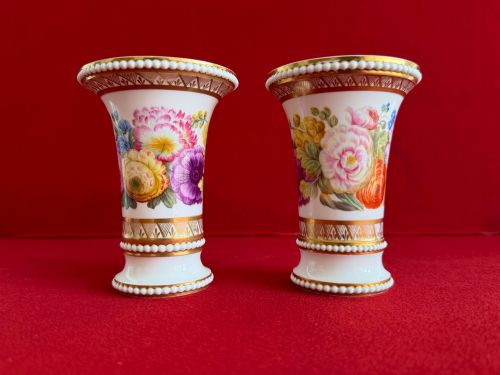
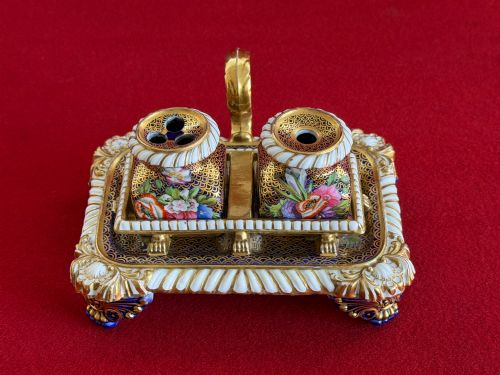
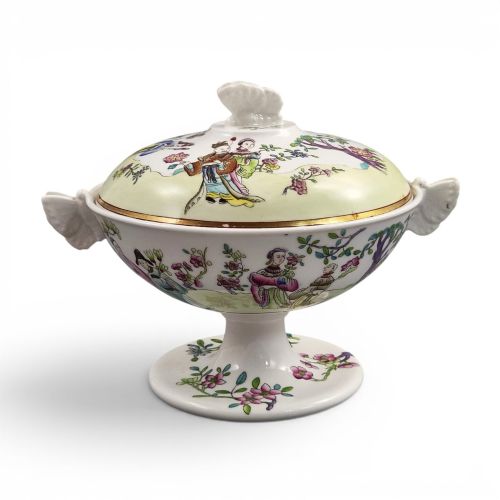
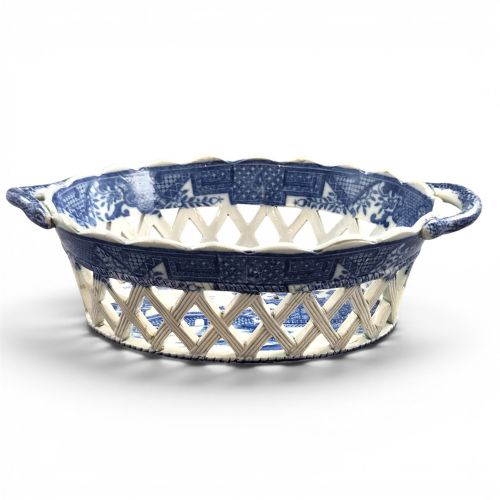
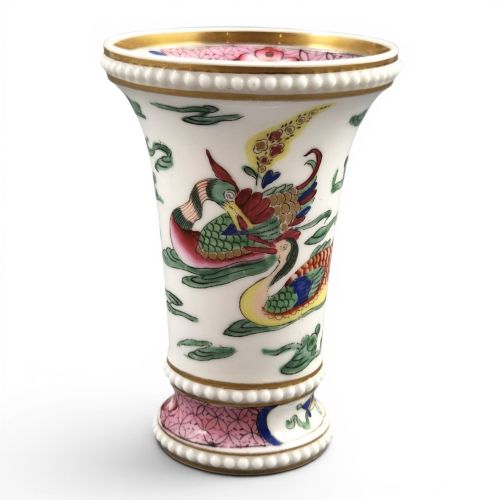
When you search for georgian spode porcelain, you encounter a refined selection of table wares, desk items, and ornamental vessels produced in Staffordshire during the late Georgian and Regency periods. These items range from practical tea service components such as coffee cans, chocolate cups, and sucriers to elaborate display objects including centerpiece bowls, cornucopia, and reticulated chestnut baskets.
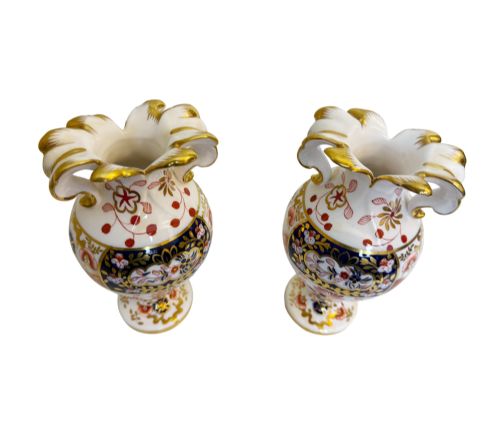
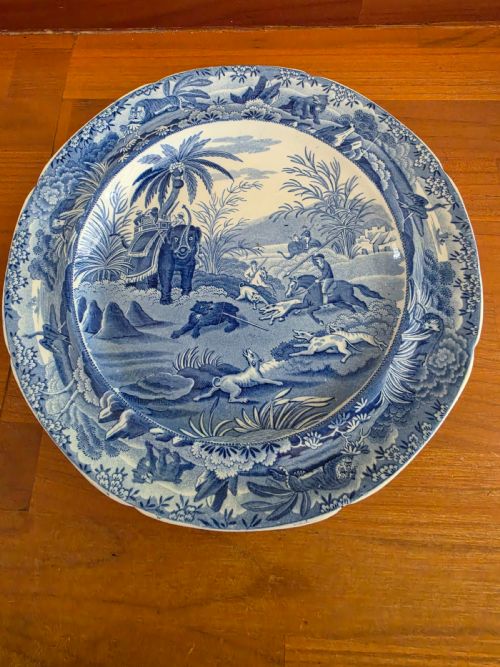
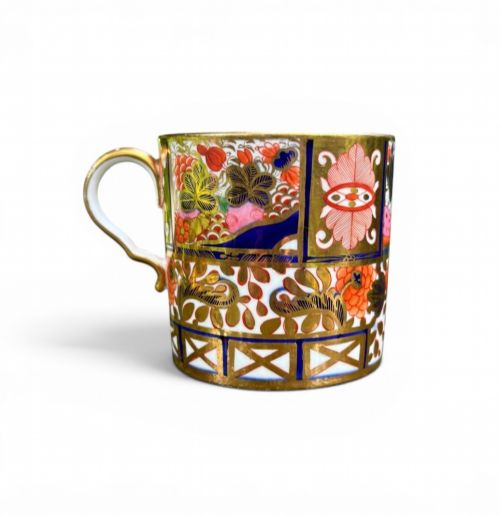
The most common forms on this page include coffee cans, sucriers, and decorative plates, often decorated with named patterns or distinct Imari motifs. Tea wares dominate the selection, reflecting the social habits of the early nineteenth century when porcelain drinking vessels formed an essential part of domestic life.
Originating from the Staffordshire potteries, these works span the late eighteenth century through the mid nineteenth century, encompassing standard porcelain alongside later body developments such as felspar porcelain and bone china. Each piece demonstrates the factory's technical capability during its most celebrated manufacturing phases.
How they were made
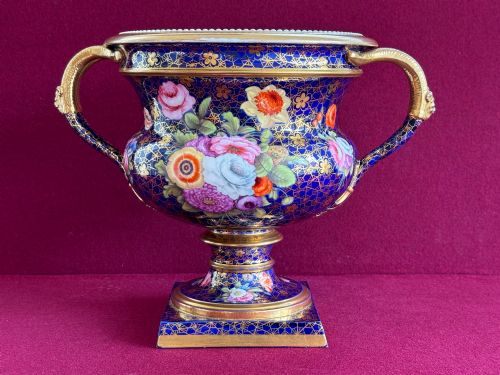
Makers utilised high-fired ceramic bodies, combining traditional porcelain with bone china and later felspar porcelain to achieve a durable yet translucent material. Artisans shaped these bodies on the wheel or pressed them into moulds to create complex forms like the Warwick vase, octagonal sucriers, and reticulated chestnut baskets.
Decoration relied on skilled hand-painting, enamel colours, and transfer printing, frequently finished with rich gilding and gold leaf accents. Patterns such as the Long Bridge, Angouleme, and Imari designs were meticulously applied over or under the glaze before firing in the kiln to set the colours permanently.
Georgian Spode Porcelain Retail Price Guide 2026
Typical asking prices for georgian spode porcelain among the pieces listed under this phrase on Sellingantiques today, from the lower quarter to the upper quarter. They describe what is for sale here now, not the wider market.
Listings feature porcelain, bone china, earthenware, enamel, glaze, gold leaf, and gilt across Regency and Georgian periods.
What varies in quality
The standard of painting and gilding determines the distinction between ordinary production pieces and exceptional cabinet items. Hand-painted details, complex pattern numbers, and careful application of gold leaf indicate superior craftsmanship in the Staffordshire workshop.
Complexity of form and the presence of specialised bodies such as felspar porcelain or bone china elevate a piece within the range. Items featuring reticulated work, butterfly handles, or image handles demand higher skill than standard flat plates and simple coffee cans.
The Georgian Spode Porcelain Glossary
- Felspar porcelain
- A patented ceramic body introduced by Spode in the early nineteenth century that incorporated felspar to improve durability and whiteness. This material allowed for the creation of thinner, more refined vessels.
- Coffee can
- A cylindrical drinking vessel without a handle, popular during the Georgian period for drinking strong coffee. These cans often feature specific pattern numbers painted on the base.
- Sucrier
- A covered sugar bowl used in tea services, frequently manufactured with matching coffee cans and teacups. They often take octagonal or rounded forms with fitted lids.
- Reticulated
- Openwork decoration formed by cutting pattern designs through the clay before firing, seen on specialised items like chestnut baskets. This technique requires exceptional skill to prevent distortion in the kiln.
- Imari
- A decorative style inspired by Japanese export porcelain, utilising a palette of cobalt blue, iron red, and gold leaf. Spode frequently applied these rich Japanese motifs to British porcelain bodies.
Georgian Spode Porcelain: Frequently Asked Questions
How do I identify genuine georgian spode porcelain?
Examine the base for painted or impressed pattern numbers and factory marks that correspond to documented Staffordshire production periods. Look closely at the ceramic body, which should exhibit the fine translucency characteristic of early nineteenth-century porcelain or felspar composition.
Compare the enamel colours and gilding quality against known examples from the era. Genuine pieces display crisp hand-painting and precise pattern application rather than modern transfer methods.
Were these items used daily or displayed?
Many tea wares, including coffee cans, chocolate cups, and sucriers, saw active service in fashionable households during breakfast and evening gatherings. The presence of wear on the interior base often indicates frequent historical use.
Conversely, large centerpiece bowls, cornucopia, and decorative plates were primarily intended for display on sideboard tables or within cabinet collections. Their survival in delicate condition suggests careful handling by generations of owners.
What is the difference between porcelain and bone china here?
Traditional porcelain formulas utilised hard-paste or soft-paste ingredients to achieve a smooth, vitreous body with characteristic translucency. Bone china incorporated calcined ox bone into the mixture, resulting in a stronger material that allowed for thinner walled vessels.
Spode also developed felspar porcelain during the Regency period, which offered its own distinct weight and brightness. Each body type responds differently to light and influences the crispness of the applied enamel patterns.