



Georgian Silverware Tableware
Georgian silverware tableware spans sterling silver ladles, cream jugs and serving pieces shaped by eighteenth and nineteenth century silversmiths.
Georgian Silverware Tableware
Buyers encounter authentic eighteenth century items alongside later nineteenth century pieces produced in the Georgian Revival style. Sterling silver and silver-gilt dominate the material output, reflecting the high status of domestic dining during these eras.
Materials and Techniques
Makers utilised sterling silver and silver-gilt to form the body of these utensils and vessels, often hammering and casting metal into substantial forms. Wood occasionally appears as a secondary component in specific handles or structures.
Silversmiths employed techniques such as piercing, chasing and engraving to decorate surfaces, while provincial makers relied on distinct regional assay punches to certify metal purity.
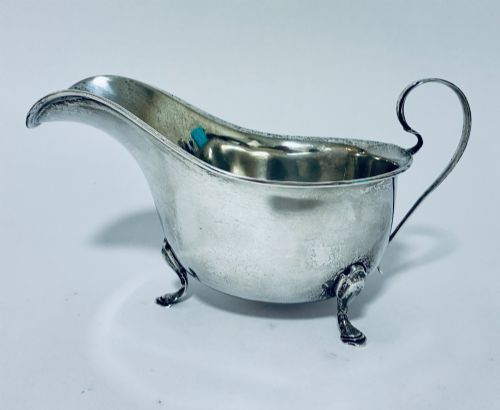
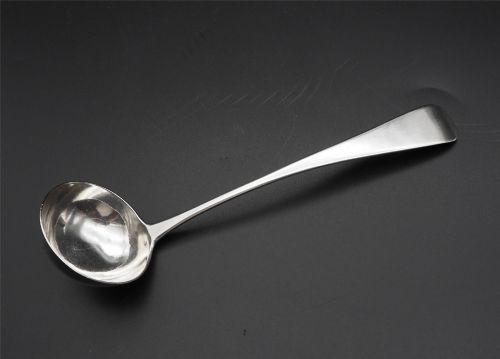
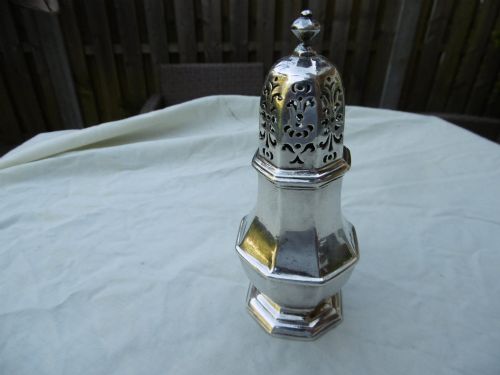
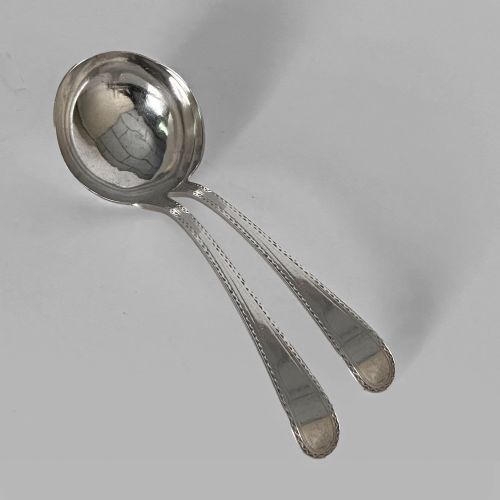
Object forms include ladles, cream jugs, sauce boats, sugar casters, tea pots and toast racks.
Quality Variations
The standard of a piece rests upon the crispness of the maker's marks and the integrity of the original form against later alterations. Heavy gauge sterling silver maintains its structural weight through centuries of use.
The reputation of specific silversmiths and provincial centres influences desirability, alongside the preservation of original chased decoration and gilding on silver-gilt surfaces.
Hester Bateman·Paul Storr·Alexander Henderson·The Barker Brothers
The Georgian Silverware Tableware Glossary
- Sterling silver
- An alloy consisting of 92.5 percent silver and 7.5 percent other metals, usually copper. This standard composition forms the vast majority of antique dining pieces.
- Silver-gilt
- Silver that has been coated with a thin layer of gold on its surface. This technique provides a rich two-tone effect inside vessels like cream jugs.
- Assay office
- An official body responsible for testing the purity of precious metals and stamping them with hallmark symbols. Towns like London, Dublin and Edinburgh maintained distinct offices.
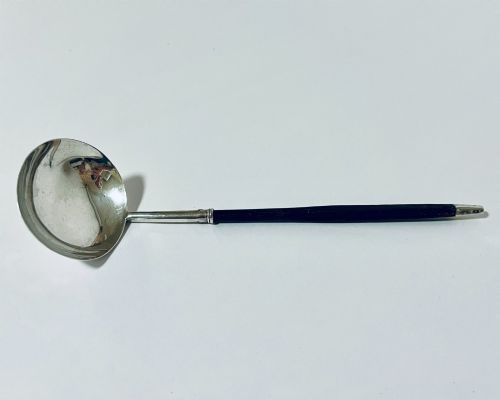
- Toddy ladle
- A small spoon or ladle designed for serving hot punch or toddy, frequently fitted with a twisted whalebone or wooden handle.
- Basting spoon
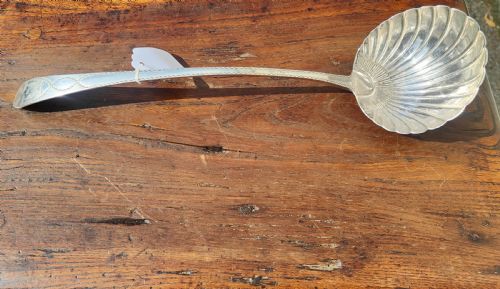
- A large spoon utilised in the kitchen or at the dining table for spooning pan juices over meat. These examples often measure considerably longer than standard table spoons.
Georgian Silverware Tableware: Frequently Asked Questions
What pieces are included in georgian silverware tableware?
This category includes domestic dining items such as soup ladles, sauce boats, cream jugs, basting spoons, sugar casters and toast racks. Most items are fabricated from sterling silver.
Origins span English, Scottish and Irish provincial workshops active during the eighteenth and nineteenth centuries.
How do I identify a genuine period piece?
Genuine pieces carry clear hallmarks stamped directly into the metal, indicating the assay office, the maker's mark and the date letter. Examining these stamps reveals the exact year of manufacture.
Style conventions and construction methods also align with the technology and aesthetic preferences of the specific era.
How were these silver items used originally?
These implements served formal dining functions in wealthy households, from ladling punch and soup to serving cream, tea and condiments at the table. Each utensil performed a specific domestic ritual.
Heavier pieces like basting spoons and sauce boats managed the distribution of food during multi-course meals.
How should I care for antique silver at home?
Antique silver requires gentle cleaning with non-abrasive cloths and specialised silver polishes only when necessary to remove tarnish. Frequent aggressive cleaning wears away thin details and hallmarks.
Storing pieces in dry environments away from direct sunlight preserves the metal finish and any original gilding.