
Georgian Silver Plated
Georgian silver plated pieces are functional table wares and lighting items that bring period elegance to a dining room through fused silver and copper.
Georgian Silver Plated
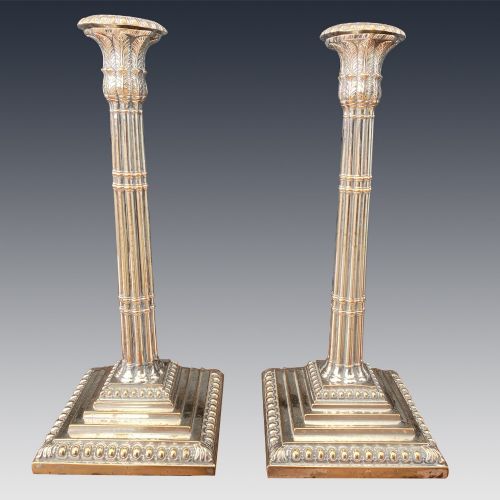
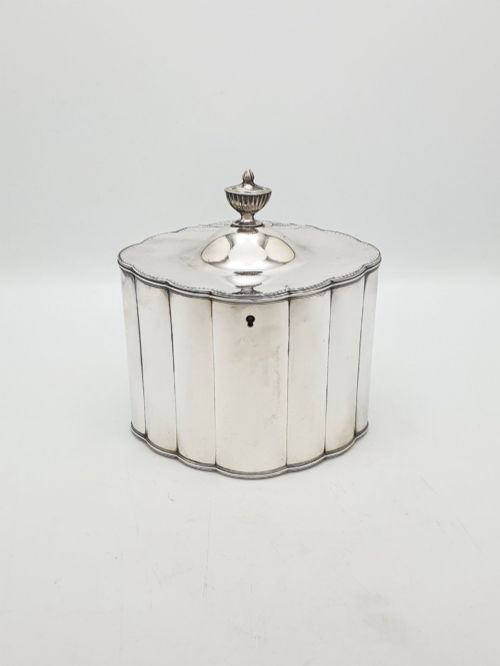
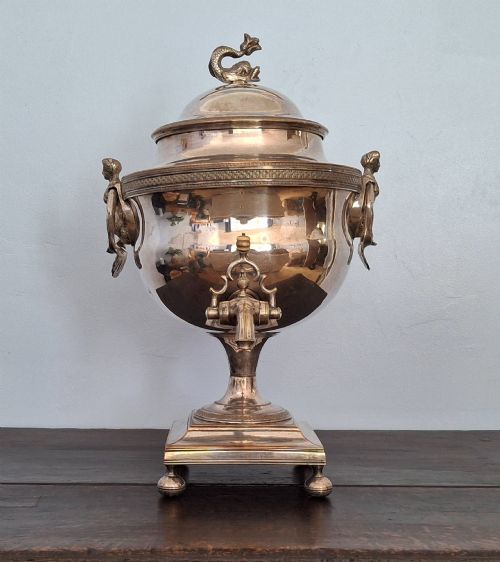
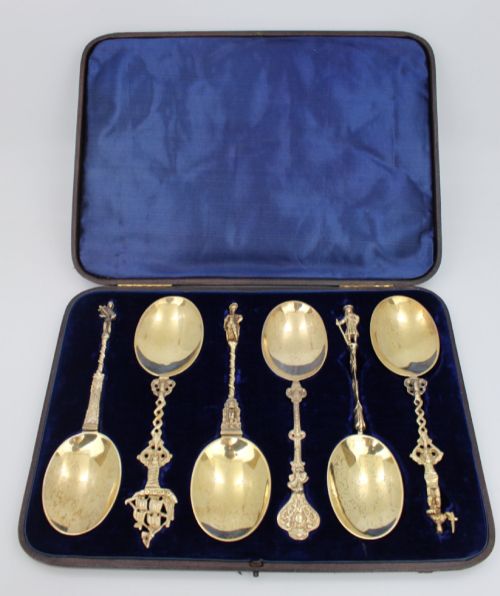
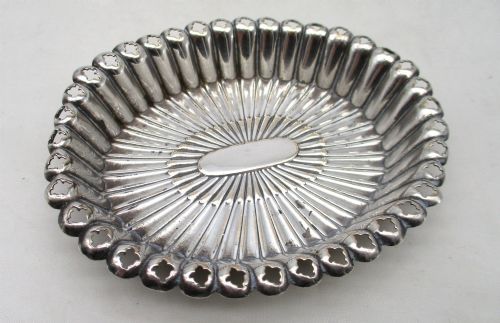
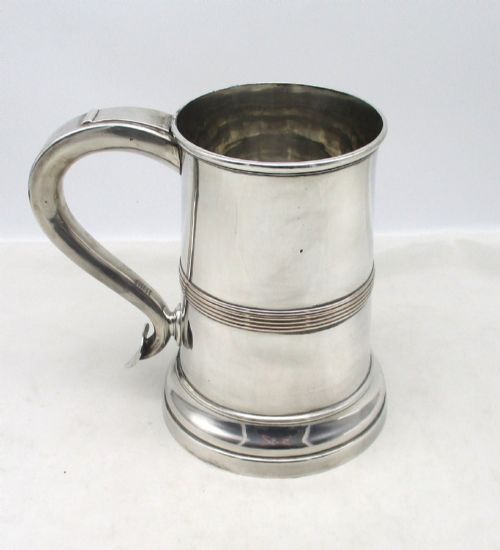
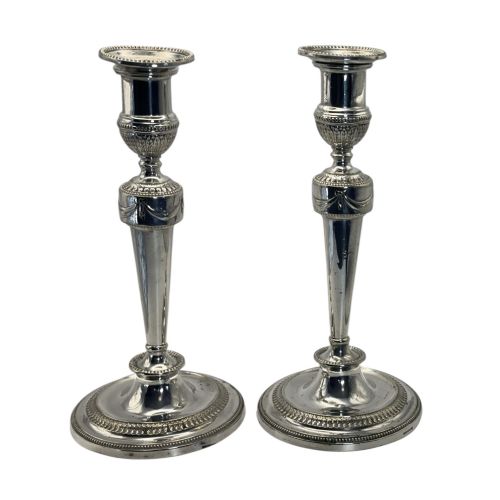
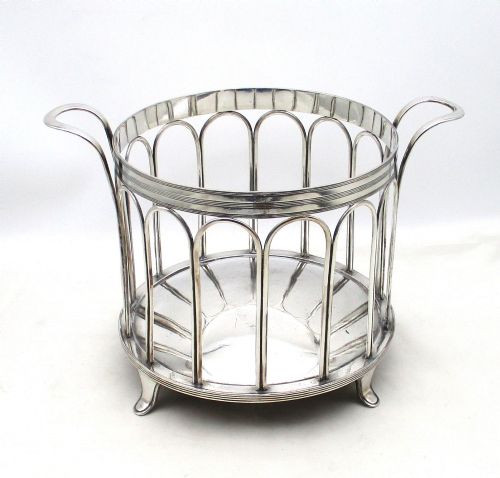
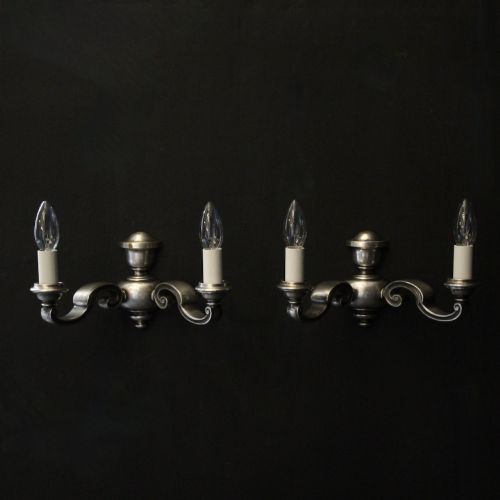
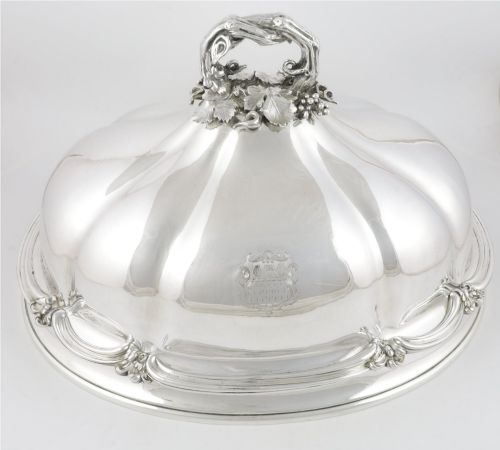
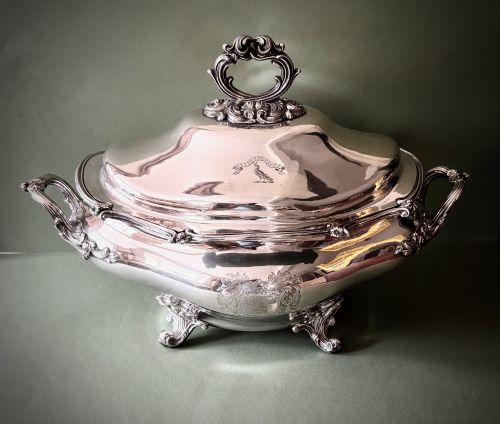
When searching for georgian silver plated items, collectors encounter tableware, lighting, and serving vessels spanning the eighteenth and nineteenth centuries. The pieces include wine coolers, candelabra, card trays, meat domes, and tankards produced in Georgian, Regency, and George III styles.
The version most commonly met on this page is Old Sheffield Plate, alongside later Victorian and Edwardian revivals. These items served dining and entertaining needs in wealthy households, ranging from small pin trays to large multi-piece tureen suites.
How They Were Made
The manufacture of these objects relies on the fusion of silver and copper, a method developed in the eighteenth century known as Old Sheffield Plate. Craftsmen bonded a thin sheet of silver to a thicker copper ingot under heat and rolled them into workable sheets.
Makers reinforced rims and concealed exposed copper edges with sterling silver wire or mounts. Additional decorative elements such as crests, handles, and borders were applied using soldered silver or metal components.
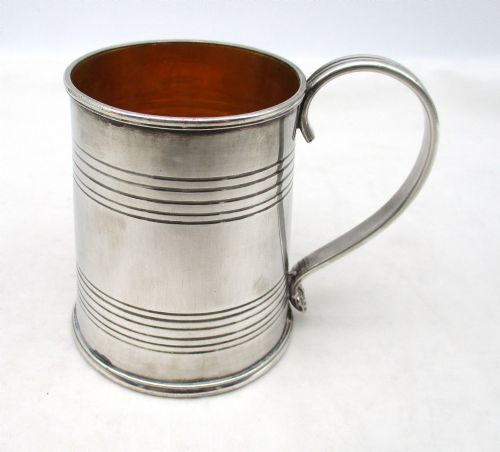
Object forms span practical dining room items, including wine coolers, candlesticks, inkstands, and miniature children's tankards.
What Varies in Quality
Quality in these pieces depends upon the preservation of the original silver layer over the copper base. Finer examples retain crispness in chased or engraved crests and decorative borders without excessive wear exposing the underlying metal.
The integrity of construction, such as weighted bases in candlesticks and matching components in multi-piece candelabra suites, distinguishes superior items from standard domestic wares.
Roberts Cadman·Matthew Boulton·Henry Wilkinson·Creswick·Richard Morton·Mappin And Webb·James Spackman
The Georgian Silver Plated Glossary
- Old Sheffield Plate
- An early form of silver plating created by fusing silver to a copper core. This technique predates modern electroplating methods.
- Wine Cooler
- A vessel designed to chill wine bottles at the table, often featuring handles and crests. These items appear in single formats or matched pairs.
- Candelabra
- A branched candlestick holding multiple lights. Georgian versions often feature detachable branches for conversion into standard candlesticks.
- Meat Dome
- A large domed cover used to keep joints of meat warm on the dining table. They frequently incorporate engraved family crests.
- Tureen
- A deep serving dish with a lid used for soup or sauces. Surviving examples often form part of larger dining suites.
Georgian Silver Plated: Frequently Asked Questions
What is Old Sheffield Plate?
Old Sheffield Plate is an early composite material made by fusing a thin sheet of silver to a thick copper base through heat and rolling. This technique produces a durable material that predates modern electroplating.
Items made from this method often reveal thin lines of copper along high-wear edges or seams, which helps confirm their period of manufacture.
How do I date these pieces?
Dating relies upon stylistic markers such as neoclassical motifs, George III forms, or Regency proportions, alongside manufacturing techniques. Makers' marks and engraved family crests also provide clues to the era of production.
Many pieces from this era remain unmarked or carry early maker stamps rather than official assay office hallmarks due to the nature of fused plating.
How should I clean silver plate?
Cleaning requires gentle care using non-abrasive silver polishes to avoid wearing through the thin silver layer to the copper beneath. Regular dusting and soft cloths preserve the polished finish without harming applied wire mounts.
Aggressive cleaning methods or modern dip solutions can permanently damage historic fused plating and remove desirable patination.
Can I use these items daily?
Many of these pieces, such as trays, baskets, and coasters, adapt well to modern domestic use for serving or display. Care must be taken with heat, moisture, and acidic foods to protect the historic surfaces.
Lighting items like candlesticks and candelabra function effectively with standard tapers, though vintage wax residue should be removed carefully.