



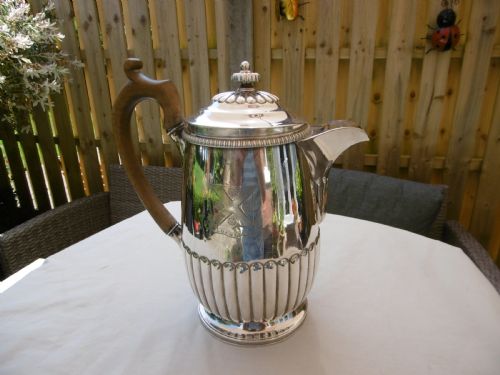


Georgian Silver Plated Tableware
Georgian silver plated tableware brings heavyweight Old Sheffield plate coffee pots, tureens and baskets to the dining table with genuine period presence.
Georgian Silver Plated Tableware
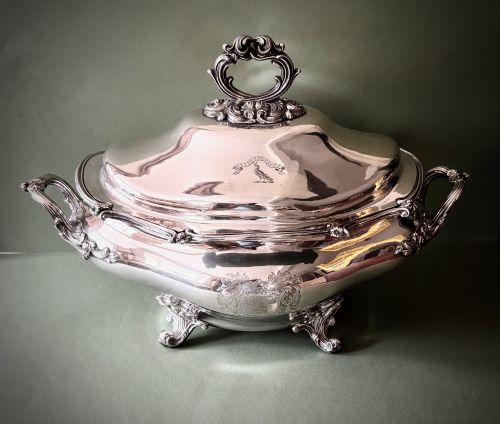
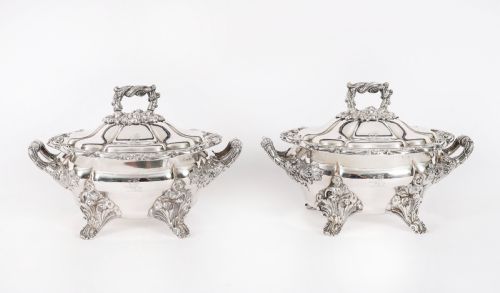
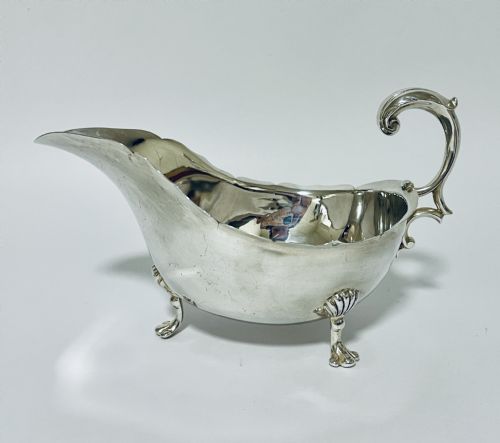
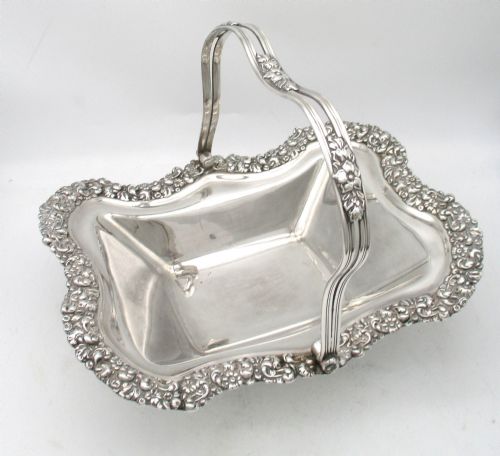
Georgian silver plated tableware comprises serving pieces designed for formal dining, featuring coffee pots, sauce tureens, sweetmeat baskets, and wine coasters from the eighteenth and nineteenth centuries. These items served functional roles in wealthy households, moving liquids, sauces, and dry goods across the table during prolonged dinner services.
The objects most frequently met on this page are formed in Old Sheffield Plate, a fusion method of fusing a thin sheet of silver onto a thicker copper base. Forms span from substantial lidded soup tureens down to delicate wirework baskets and individual toast racks, capturing the domestic habits of the Georgian era.
Making Old Sheffield Plate
Makers fused a silver sheet onto a copper ingot under high heat and rolled them together into sheets, creating the base material for these vessels. This fusion process leaves a characteristic thin silver layer over a copper core.
Silversmiths then shaped these rolled sheets by hand, often incorporating applied silver wire borders to conceal exposed copper edges at the rims and seams. Handles and feet were cast separately in metal and soldered onto the main body.
Listings feature eighteenth and nineteenth-century pieces in silver plate, copper, and wood, spanning coffee pots, tureens, baskets, and coasters.
Judging Quality in Plate
Quality rests on the preservation of the original silver layer over the underlying copper core, alongside the crispness of applied cast mounts and chased crests. Pieces that retain their original gold wash interiors and heavy gauge metal show superior initial manufacture.
Proportion and structural integrity separate standard utility items from masterwork serving pieces, particularly in large tureens and coffee pots where handles and feet bear substantial weight.
Matthew Boulton·John Hoyland·Walker Knowles·Cresswick
The Georgian Silver Plated Tableware Glossary
- Old Sheffield Plate
- An early form of silver plating created by fusing silver to a copper ingot before rolling into sheets. This technique predates modern electroplating by several decades.
- Mazarine
- A pierced draining plate or insert placed inside a larger serving dish to keep food clear of accumulated juices. They appear in silver plate and pewter.
- Sweetmeat basket
- A small, often pierced or wirework vessel designed for holding confections, nuts, or small sweet items at the end of a meal. These delicate pieces showcase fine metalwork.
- Wine coaster
- A small round tray, often with a turned wood base and a silver plated gallery, designed for sliding bottles across the mahogany dining table after the servants withdrew.
Georgian Silver Plated Tableware: Frequently Asked Questions
Can I still use these for dining?
Many of these tureens, baskets, and coffee pots remain entirely suitable for serving dry foods, bread, or bottled beverages during special occasions.
Hot liquids and acidic foods should be managed with care to protect the historic metal surfaces and any interior gold wash.
What is Old Sheffield Plate?
Old Sheffield Plate is a distinct material made by thermally fusing silver and copper together before rolling them into workable sheets, rather than using electricity.
This mechanical fusion produces a thick, durable layer of silver that ages with a soft, warm lustre.
How do I spot copper showing through?
Look along high friction points such as rims, handles, and raised relief work where generations of polishing have gradually worn away the outer silver layer.
A warm rosy glint beneath the silver indicates the underlying copper base is beginning to appear.