
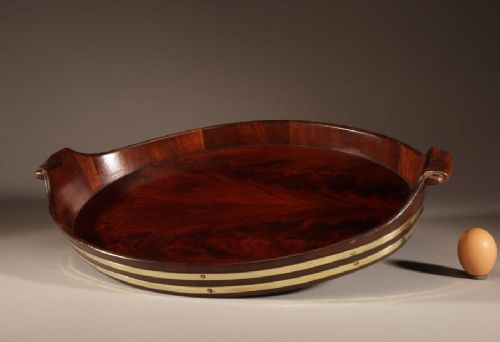
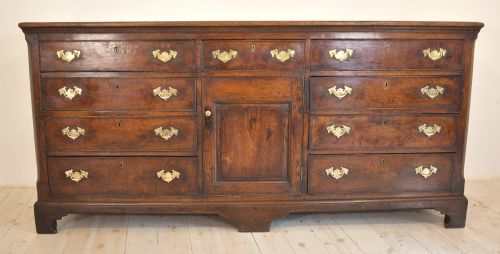
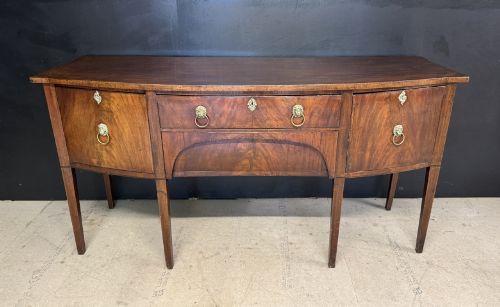
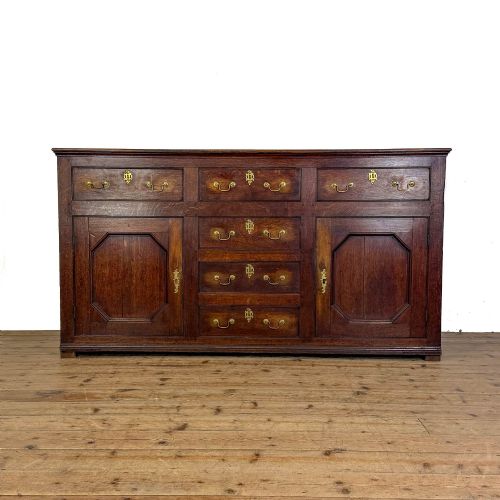


Antique Wooden Handle Server
An antique wooden handle server brings warmth and utility to any interior through honest craftsmanship.
Antique Wooden Handle Server
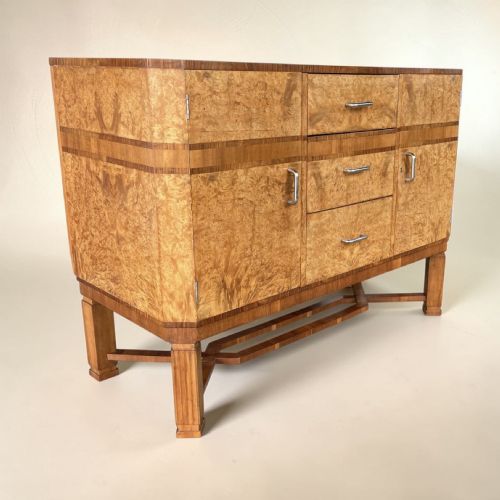
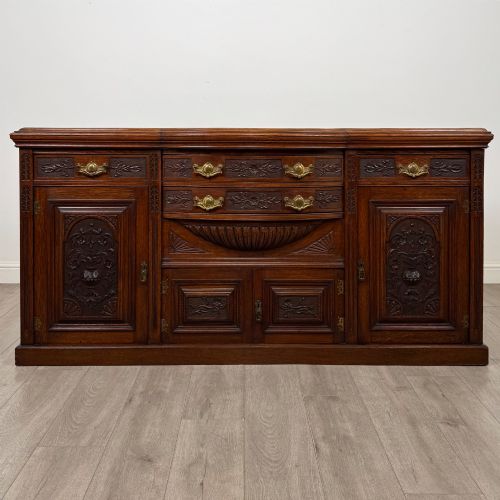
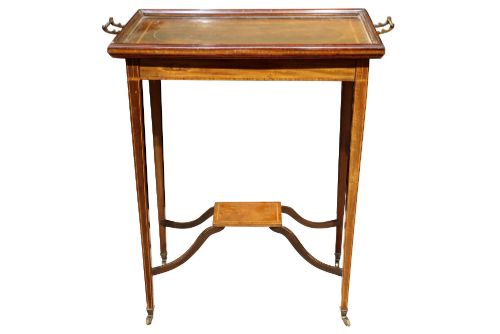
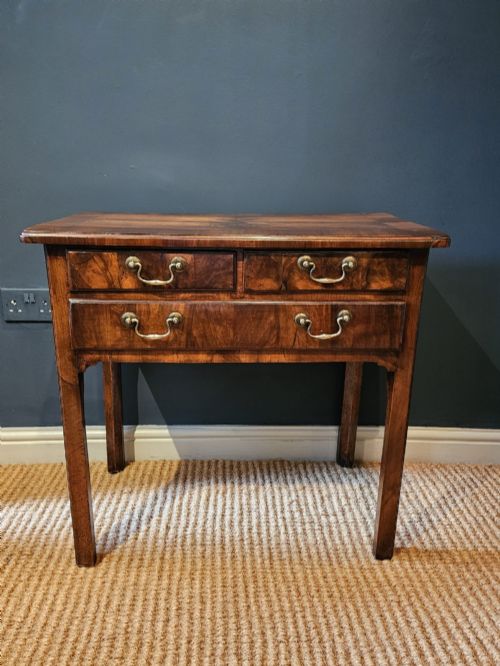
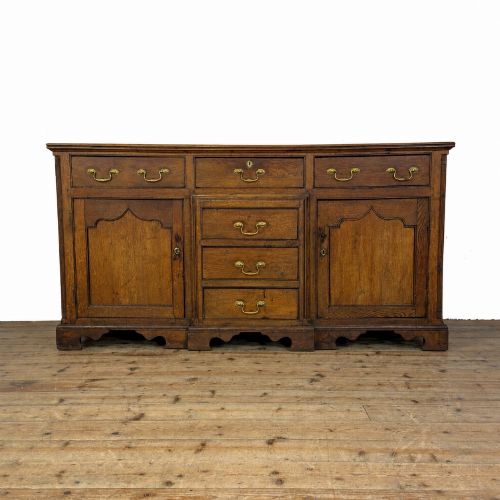
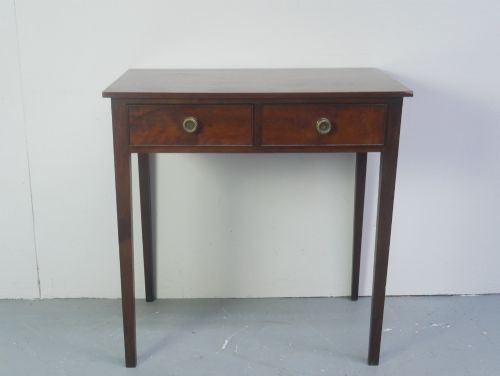
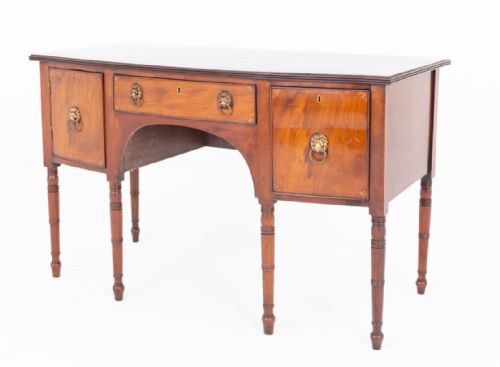
When you search for an antique wooden handle server, you encounter serving pieces and servers constructed with timber grips, spanning periods from the Georgian era through to the Edwardian period.
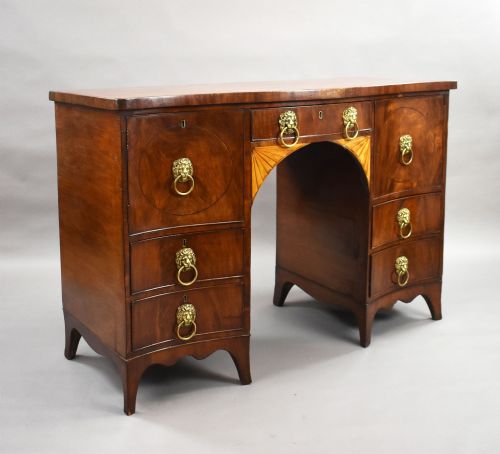
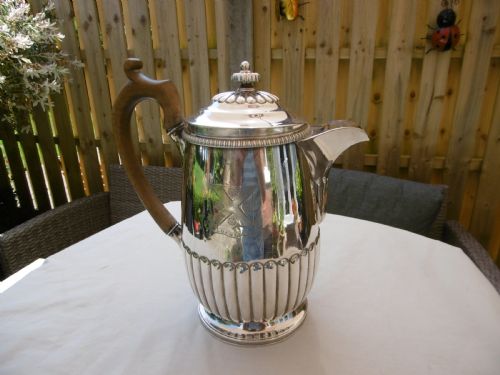
The selections here most frequently manifest as serving items, sideboards, and coffee vessels featuring wooden elements.
These items originate across the 18th century, 19th century, and early 20th century, displaying styles such as Regency, Victorian, and Georgian.
Materials and construction methods
The construction relies heavily on native and imported timbers including oak, mahogany, boxwood, and satinwood, frequently paired with metal components like brass, copper, and silver plate.
Joinery techniques from the Georgian and Victorian periods ensure structural endurance, utilising traditional housing and dovetail joints.
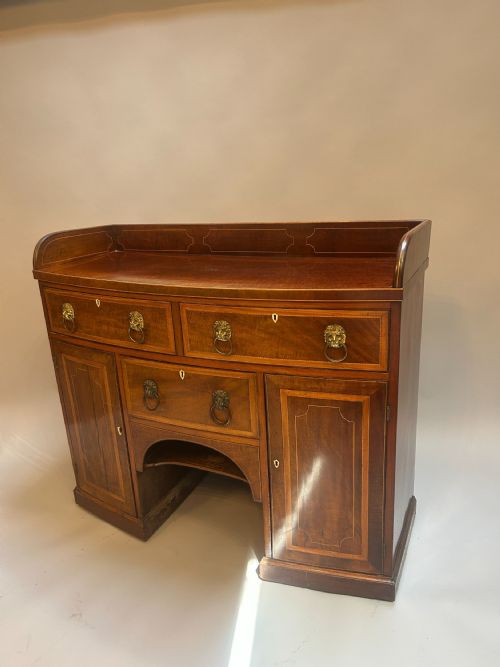
Inlay work incorporating contrasting woods defines the decorative surface detail seen across many Regency and Edwardian examples.
Some servers feature secret compartments originally designed for hiding household ledgers from curious guests.
Separating the ordinary from the exceptional
Quality rests upon the selection of timber figures, where rich grain patterns and well-matched veneers elevate an item above plain stock.
The integrity of the construction, evident in tight joints and original hardware such as brass galleries, dictates the standing of each piece.
Matthew Boulton
The Antique Wooden Handle Server Glossary
- Bow front
- A convex curved front facade popular on servers and sideboards during the Georgian and Regency periods. This shape softens room lines.
- Inlay
- The technique of inserting pieces of contrasting wood, such as satinwood or boxwood, into a solid timber surface to create decorative patterns.
- Sideboard
- A large dining room piece designed for serving food and storing tableware, often featuring timber construction and wooden handles.
- Old Sheffield Plate
- A method of fusing a thin sheet of silver onto a copper base, prevalent in coffee pots and servers before electroplating.
- Dresser base
- A low wooden storage unit with drawers and cupboards, originating in country houses during the 18th century.
Antique Wooden Handle Server: Frequently Asked Questions
How do I date a wooden server?
Dating relies on observing timber choices, construction methods, and hardware styles characteristic of specific periods like the Georgian era or Victorian times.
Changes in handles, hinges, and drawer construction provide the most reliable chronological indicators.
Are these servers suitable for daily use?
Most antique servers and serving vessels tolerate careful daily use provided they receive proper maintenance and protection from moisture.
Keeping timber surfaces polished helps preserve the finish against regular handling.
What woods were commonly used?
Mahogany and oak form the foundation of most pieces, supplemented by decorative accents in satinwood, boxwood, and walnut.
These timbers were chosen for their durability and attractive grain patterns.
How should I clean wooden handles?
Cleaning requires a soft, dry cloth to remove dust without stripping the aged patina from the timber.
Harsh chemical cleaners should be avoided entirely to protect the historic surface.